




Is Southern California Losing Its Competitive Edge in World Trade?
Congestion, lack of infrastructure funding and stringent emissions rules are threatening Southern California's leadership position in world trade and logistics, according to panelists at the Southern California Transportation & Logistics Summit. While currently 43 percent of all trade to the nation goes through Southern California ports, these volumes are at risk of being diverted to other ports that are easier to operate in
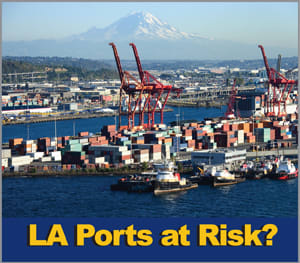
Congestion, lack of infrastructure funding and stringent emissions rules are threatening Southern California's leadership position in world trade and logistics, according to panelists at the Southern California Transportation & Logistics Summit. While currently 43 percent of all trade to the nation goes through Southern California ports, these volumes are at risk of being diverted to other ports that are easier to operate in.
California State San Bernardino's Leonard Transportation Center tackled these issues during the Summit, which was held June 4 in Ontario, Calif.
Port Volumes
According to Dr. John Husing, a research economist at Economics & Politics Inc., the Ports of Long Beach and Los Angeles lost 25.9 percent of its volumes between 2007 and 2009. In 2009, trade at these ports fell 17.6 percent, while trade at other western ports was down 11.2 percent. These numbers are already starting to show that the west is threatened by the possibility of trade diversion to other ports, including Seattle/Tacoma, the Panama Canal and even the Suez Canal, Husing said.
In addition, logistics jobs in the Southern California area were down 40,000 in 2009. "We need those jobs back," Husing said. In the inland empire of Southern California, the vacancy rate for industrial production has increased from about 2.7 percent in 2005 to 11.9 percent this year.
However, the good news is that we're now back in growth mode, with analysts predicting 28 percent growth in volumes at the Southern California ports this year, Husing pointed out. The majority of that growth will be in furniture, apparel, auto parts and footwear, he said. Meanwhile, exports will see growth in such bulky items as paper, scrap metal, fabrics and animal feed.
"The bottom is behind us. How fast it will grow is a different issue," Husing said.
Infrastructure Issues
Despite the anticipated growth, panelists were concerned that the area's infrastructure would not be enough to accommodate the growth. Husing said there's a lack of agreement on expansion routes and a lack of funding for separated truckways, which are needed to get cargo out of the Los Angeles basin.
Jerry Critchfield of Weber Distribution said his company is concerned with infrastructure, and he doesn't see funding coming to the ports any time soon.
Hasan Ikhrata, executive director of the Southern California Association of Governments, said the Southern California area can expect population to grow from 19 million people to 23 million by 2035. On Interstate 710 alone, which connects to the ports, truck volumes are expected to increase from 38,300 today to 90,000. There are not enough freeways and truck-only lanes to support that growth, Ikhrata said.
"This region has every reason to expect growth," he added. "Why isn't the national government giving us more money?"
Keeping Shippers at the Ports
Unlike other ports around the country, the Ports of Los Angeles and Long Beach can serve ships that require 50 feet, allowing for deep water access. This is one reason the ports have a competitive edge.
However, the Southern California area now has many different kinds of regulations related to emissions, including the Ports' Clean Truck Program, which bans polluting diesel trucks; and several rules from the California Air Resources Board. These rules often mean increased fees for those who don't comply, or increased expenses for those who have to buy less polluting trucks or retrofit devices. According to Don Snyder, director of trade relations at the Port of Long Beach, this means California is not on a level playing field with other ports.
To address this problem, Snyder said his team is working on an outreach program for cargo owners. The Port of Long Beach is focusing on the needs of the customers, in hopes that this will keep them at the ports, Snyder said.
More Aftermarket

What Three Fleets Are Doing Differently When Buying Truck Parts in 2026
With freight improving but costs still climbing, fleet maintenance executives explain how they're balancing price, quality, and supplier relationships.
Read More →
ConMet Expands Aftermarket Brake Drum Lineup With TruCast
A new heavy-duty truck brake drum option in the aftermarket gives customers more flexibility within the ConMet product family.
Read More →
Phillips Opens High-Tech Distribution Center for Faster Parts Delivery
Phillips Industries’ new Cincinnati-area distribution center is now shipping aftermarket trucking parts nationwide, aiming to speed up delivery times for customers.
Read More →
Volvo to Sponsor America’s Road Team for 2025
Volvo Trucks announced that it is extending its exclusive sponsorship of America’s Road Team for 2025.
Read More →
Webb to Start Taking Orders for UltraSet Pre-Adjusted Wheel Hubs
Webb, which recently acquired the Stemco Trifecta pre-adjusted hub program, will soon start taking orders for its replacement pre-assembled hub, the UltraSet.
Read More →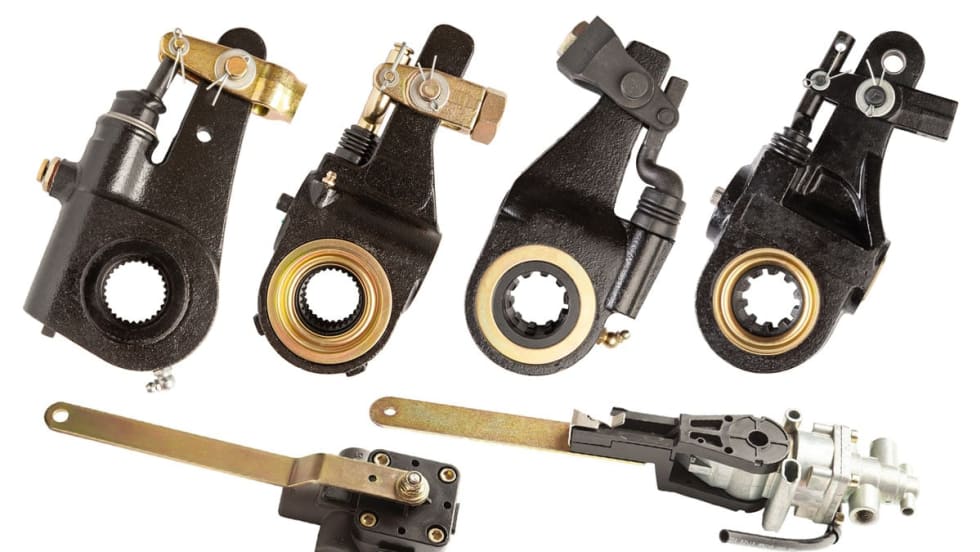
All-Makes Automatic Brake Adjusters, Ride Height Control Valves from Midland
SAF-Holland has added automatic brake adjusters and ride height control valves to its Midland All-Makes Program.
Read More →
ZF Aftermarket Expands [pro]Academy Training
ZF Aftermarket said it is expanding its ZF [pro]Academy training and will be adding 40 new modules this year.
Read More →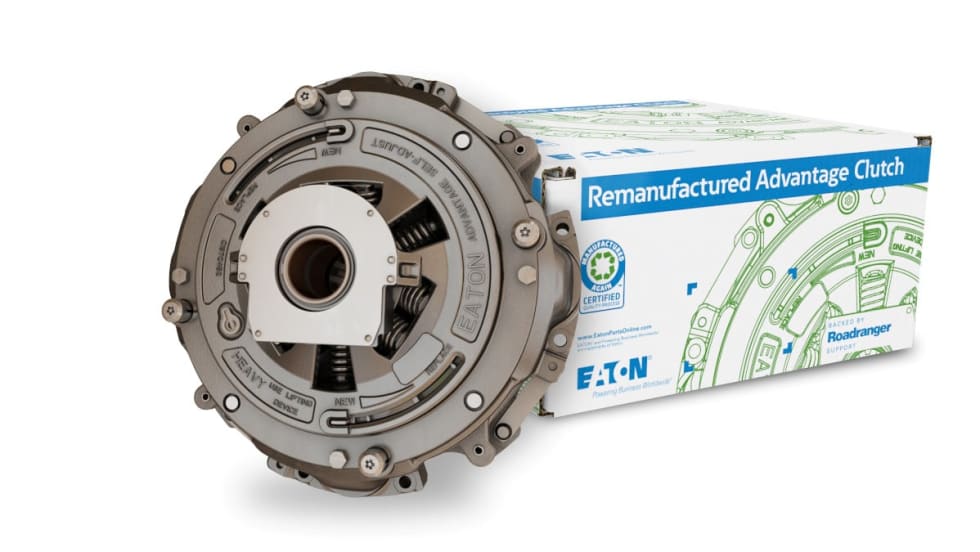
Eaton Adds Remanufactured Advantage Line of Clutches
Eaton has added its Advantage clutches to its remanufactured product line. The clutches feature a unique strap drive intermediate plate designed to allow customers to choose the latest OE specification
Read More →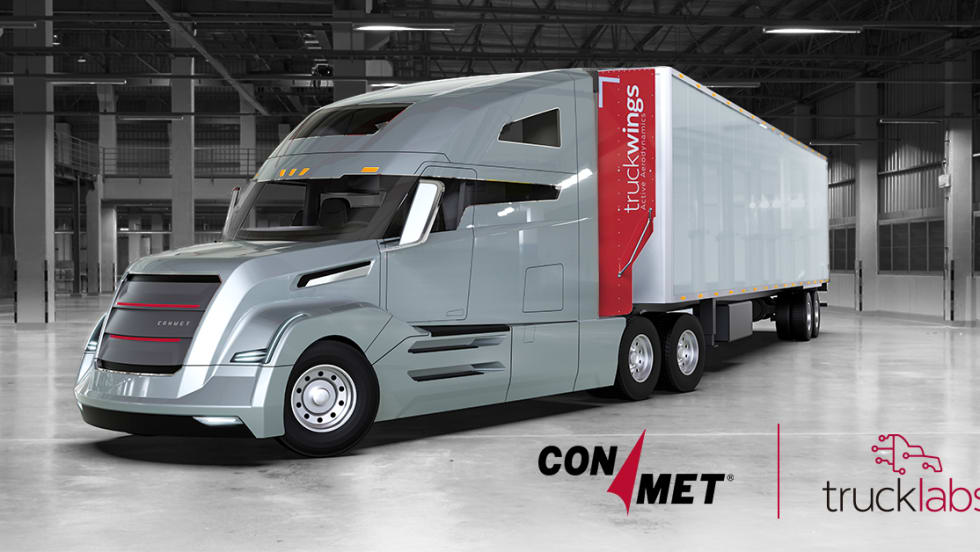
ConMet Acquires TruckLabs, the Creator of TruckWings
Commercial truck and trailer parts provider ConMet acquired TruckLabs, the company that created TruckWings, an aerodynamic device that attaches to truck cabs and deploys to close the gap between truck and trailer. TruckLabs now operates as a subsidiary of ConMet.
Read More →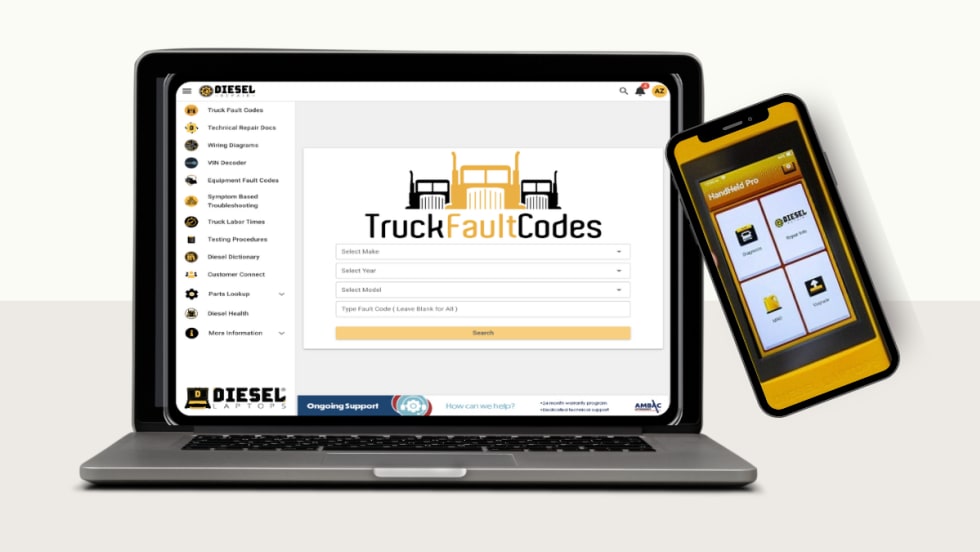
Diesel Laptops Releases Fault-Code-to-Part-Number Tool
Diesel Laptops said its Truck Fault Codes allows users to input a fault code and immediately identify and order the parts needed to complete repair work.
Read More →