




Industry Pushes to Hide CSA Data from Public, FMCSA Responds
UPDATED -- A coalition of industry groups is putting pressure on the Federal Motor Carrier Safety Administration to remove CSA safety scores from public view. In an August 22 letter to Transportation Secretary Anthony Foxx, American Trucking Associations and 10 other groups said the scores are not likely to provide an accurate assessment of a carrier’s safety.

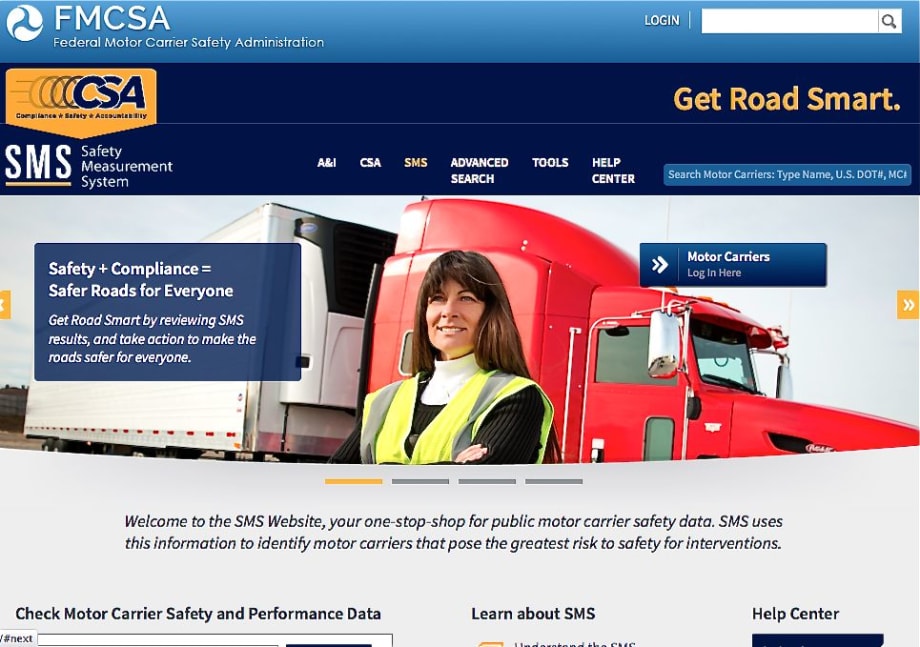
UPDATED -- A coalition of industry groups is putting pressure on the Federal Motor Carrier Safety Administration to remove CSA safety scores from public view.
In an August 22 letter to Transportation Secretary Anthony Foxx, American Trucking Associations and 10 other groups said the scores are not likely to provide an accurate assessment of a carrier’s safety.
They also asked Foxx to tell FMCSA to make CSA improvements a high priority.
CSA, which stands for Compliance, Safety, Accountability, uses data from crashes and roadside inspections to flag carriers for enforcement action.
The industry generally supports the aims of CSA but has repeatedly said that the program’s Safety Measurement System posts data that is neither consistent nor accurate.
In their letter, the groups cited a February 2014 study by the Government Accountability Office that said shortcomings in the data means CSA is not as strong a predictor of crash risk as it could be.
GAO did not look specifically at the question of public access in its study.
“Due to ongoing litigation related to CSA and the publication of SMS scores, we did not assess the potential effects or tradeoffs resulting from the display or any public use of these scores,” GAO said in its report.
FMCSA has opposed removing the data from public view in the past, and the carriers told Foxx they expect the agency to repeat its contention that other research shows carriers with high scores in some SMS categories are more likely to be involved in a crash.
But this argument ignores that these analyses are focused on industry-wide averages, they said.
“In contrast, GAO’s analysis found scores to be unreliable predictors of individual fleet crash performance,” the carriers said.
The solution, the carriers said, is to remove the scores from public view.
“Doing so will not only spare motor carriers harm from erroneous scores, but will also reduce the possibility that the marketplace will drive business to potentially risky carriers that are erroneously being painted as more safe.”
Foxx said he will respond soon.
FMCSA said in a statement that the Safety Measurement System has been a safety "game changer" because it makes carrier violations and safety records publicly available to consumers, law enforcement and other businesses.
"The GAO’s one-size-fits-all approach to analyzing inspection data would require the agency to triple the number of inspections we finance each year to exceed more than 10 million nationwide, which is simply unrealistic under our budget, and would fail to assess the behavior of more than 90 percent of the entire motor carrier population," the agency said.
The agency added that by focusing on the most at-risk carriers it can take off the road those that have the most crashes.
"We continue to work with all partners to ensure an efficient, transparent system to provide safer transportation for everyone on the road," the agency said.
Joining ATA are the American Bus Association, American Moving & Storage Association, Owner-Operator Independent Drivers Association, National School Transportation Association, National Tank Truck Carriers, Specialized Carriers & Rigging Association, Truckload Carriers Association and United Motorcoach Association.
Update adds FMCSA response.
More Safety & Compliance

FMCSA Pauses Biennial-Update Enforcement Amid Motus Transition
Carriers whose updates were due on or after June 1 have more time, while FMCSA works to stabilize its new registration system and warns of phishing sites impersonating its new carrier registration system, Motus.
Read More →
ZF Expands Commercial Vehicle Push in North America
ZF is expanding its North American commercial-vehicle presence with new transmission applications, electrification, trailer technology and autonomous-driving systems.
Read More →
Truck Drivers Need More Than Another Alert
Fleets have more visibility into truck health, safety events, and driver activity than ever. The next challenge is turning all that information into useful guidance for the person who has to decide what to do next.
Read More →
Tesla Wants a Self-Driving Semi. Are Cameras Enough?
Could Tesla’s camera-only autonomous driving technology work on an 80,000-pound Semi? In this commentary, HDT's Deborah Lockridge takes a look at Tesla, Cybercab, and how autonomous trucks see the road.
Read More →
What DOT’s Automated Vehicle Strategy Means for Trucking
The U.S. Department of Transportation issued a new automated-vehicle strategy that outlines plans for driverless-truck regulations, cross-state freight corridors, and federal safety standards.
Read More →
NYC Expands Speed, Pedestrian Safety Tech Across Fleet
New York City is expanding intelligent speed assistance and pedestrian-alert systems across its municipal fleet, moving the technologies from pilot programs into vehicle procurement and retrofit requirements.
Read More →
FMCSA Removes 110 Truck Driver Training Schools from Certified ELDT List
Federal regulators also are targeting more than 160 additional training providers and launching a nationwide audit of third-party CDL skills testers as part of a broader crackdown on trucking fraud.
Read More →
Beyond DOT Compliance: What Makes a Trucking Fleet Truly Safe?
A trucking fleet can follow every rule and still make unsafe decisions. The real test comes when safety conflicts with freight, productivity, or cost.
Read More →
Hours of Service Pilot Programs: FMCSA Readies for 2027 Rollout
Two pilot programs could eventually reshape hours-of-service rules, giving truck drivers options to pause their 14-hour clock or use longer split sleeper rest periods.
Read More →
New Guide Offers Pet Safety Tips for Truck Drivers
Hundreds of thousands of pets travel in truck cabs. A new safety guide from Volvo Trucks and the Center for Pet Safety offers practical advice for truck drivers who bring dogs and cats along for the ride.
Read More →