




Idle Reduction Technology Research Sheds Light on APU Decisions
The NC Solar Center at North Carolina State University in Raleigh wrapped up a three-year, $500,000 project funded by the U.S. Environmental Protection Agency that focused on developing mobile idle reduction technology to reduce idling of long haul trucks
The NC Solar Center at North Carolina State University in Raleigh wrapped up a three-year, $500,000 project funded by the U.S. Environmental Protection Agency that focused on developing mobile idle reduction technology to reduce idling of long haul trucks.
NCSU partnered with Volvo Trucks North America to demonstrate the effectiveness of these technologies in 20 over-the-road trucks.
Goals for the project were to evaluate in-use performance of mobile idle-reduction technology by characterizing actual idle reduction times from an idling baseline provided by the fleet from existing trucks; work with partners to evaluate fuel, maintenance, engine life savings, payback times, and user reactions; and submit a final case study report to EPA at the conclusion of the study, as well as publicize the case study to the trucking industry to increase the knowledge, awareness, and lessons learned from the project.
Volvo Trucks collaborated with three technology providers to develop two auxiliary power units that were used by two fleets. Each truck was outfitted by Volvo with sensors that were remotely monitored by NCSU researchers to assess the use and performance of the APUs. The 20 trucks participating in the field demonstration operated for over 2.8 million miles in 42 states during the 16-month data collection period.
Researchers concluded that the fuel-savings and emissions benefits that are widely touted for APUs may be optimistic. Avoided annual average fuel use and CO2 emissions for all stops were 22 and 5 percent for Fleets A and B, respectively, which are lower than literature estimates of 50 to 80 percent.
At mild temperatures, 100 percent substitution of APU usage instead of the base engine would lead to an 80 to 90 percent reduction in NOx emissions, 36 to 47 percent reduction in CO2 emissions and fuel use, and 10 to 25 percent reduction in PM emissions. However, the field data imply that the APU was used by single drivers for an average of 59 percent of idling and by team drivers participating in the demonstration for an average of only 25 percent of idling.
With avoided fuel use costs a significant factor in determining the cost effectiveness of anti-idling devices, these findings underscore the need for careful evaluation of the appropriateness of incorporating APUs to reduce idling and, once selected, to provide incentives and training to increase drivers use.
Payback periods may not justify APU use unless APU use and fuel costs are high, researchers said. They also concluded that driver incentive programs are needed to encourage low engine rpm, high APU use and reduce double dipping (running the truck engine and the APU at the same time).
They also noted that trucks operated by team drivers should consider other idle reduction options, because it is almost impossible for them to have net cost savings for the use of the APU because team drivers do not have to stop the truck to rest for 10 hours after driving 11.
About the NC Solar Center: a division of the College of Engineering at N.C. State University, operated since 1988 as a clearinghouse for information, demonstration, research, and training related to renewable and advanced technologies.
The case study, video and final report posted at http://www.engr.ncsu.edu/ncsc/transportation/MIRTproject.htm .
More Aftermarket
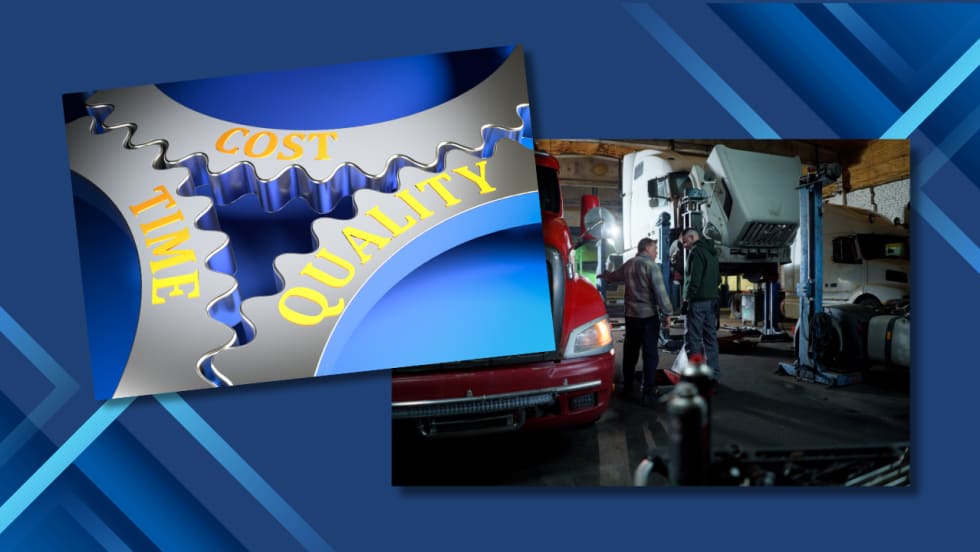
What Three Fleets Are Doing Differently When Buying Truck Parts in 2026
With freight improving but costs still climbing, fleet maintenance executives explain how they're balancing price, quality, and supplier relationships.
Read More →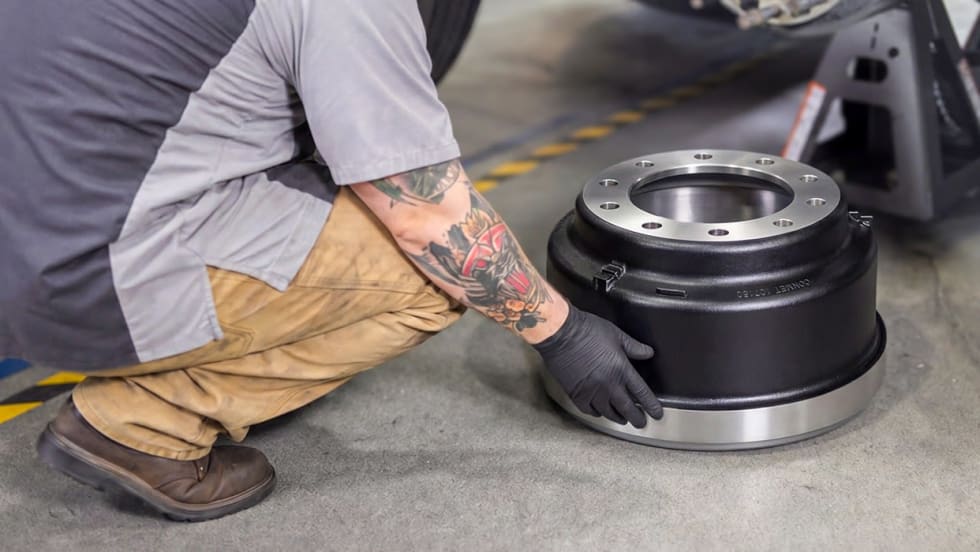
ConMet Expands Aftermarket Brake Drum Lineup With TruCast
A new heavy-duty truck brake drum option in the aftermarket gives customers more flexibility within the ConMet product family.
Read More →
Phillips Opens High-Tech Distribution Center for Faster Parts Delivery
Phillips Industries’ new Cincinnati-area distribution center is now shipping aftermarket trucking parts nationwide, aiming to speed up delivery times for customers.
Read More →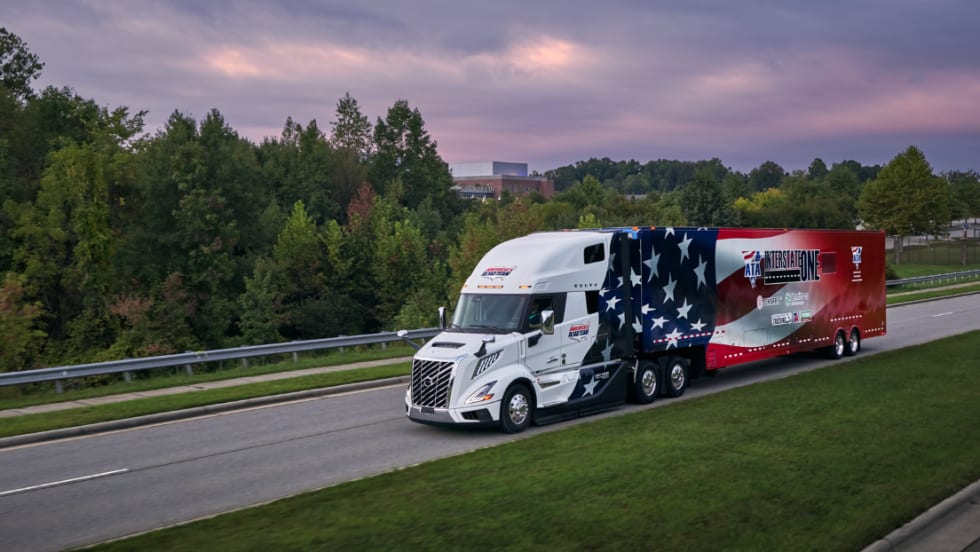
Volvo to Sponsor America’s Road Team for 2025
Volvo Trucks announced that it is extending its exclusive sponsorship of America’s Road Team for 2025.
Read More →
Webb to Start Taking Orders for UltraSet Pre-Adjusted Wheel Hubs
Webb, which recently acquired the Stemco Trifecta pre-adjusted hub program, will soon start taking orders for its replacement pre-assembled hub, the UltraSet.
Read More →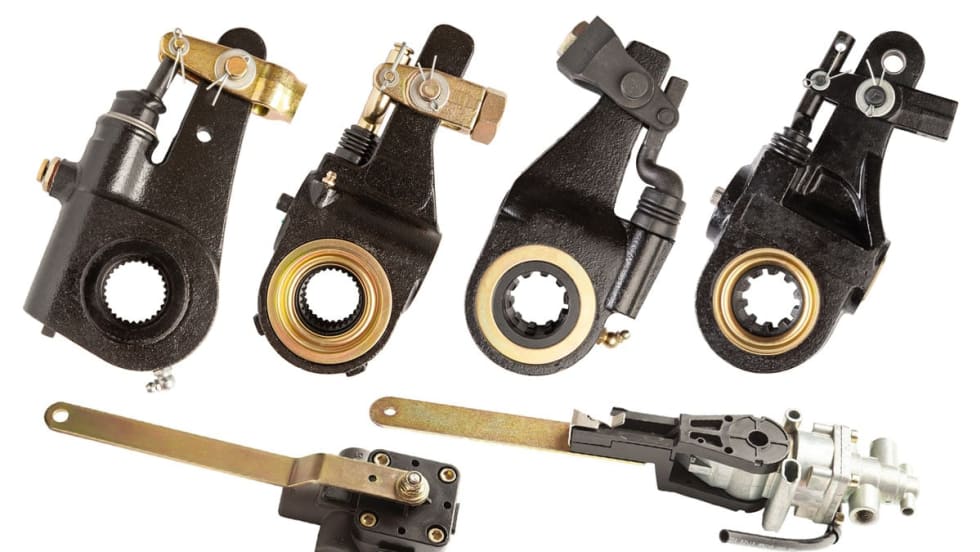
All-Makes Automatic Brake Adjusters, Ride Height Control Valves from Midland
SAF-Holland has added automatic brake adjusters and ride height control valves to its Midland All-Makes Program.
Read More →
ZF Aftermarket Expands [pro]Academy Training
ZF Aftermarket said it is expanding its ZF [pro]Academy training and will be adding 40 new modules this year.
Read More →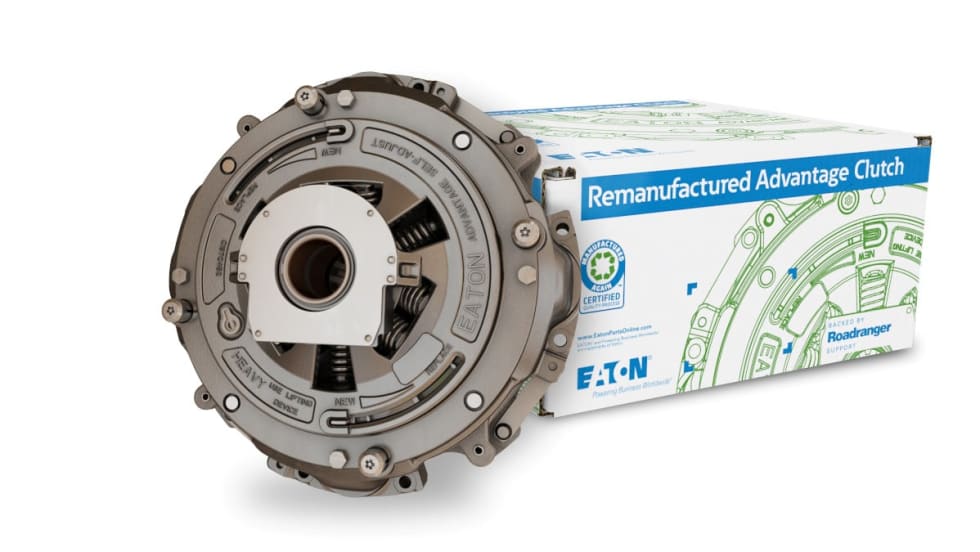
Eaton Adds Remanufactured Advantage Line of Clutches
Eaton has added its Advantage clutches to its remanufactured product line. The clutches feature a unique strap drive intermediate plate designed to allow customers to choose the latest OE specification
Read More →
ConMet Acquires TruckLabs, the Creator of TruckWings
Commercial truck and trailer parts provider ConMet acquired TruckLabs, the company that created TruckWings, an aerodynamic device that attaches to truck cabs and deploys to close the gap between truck and trailer. TruckLabs now operates as a subsidiary of ConMet.
Read More →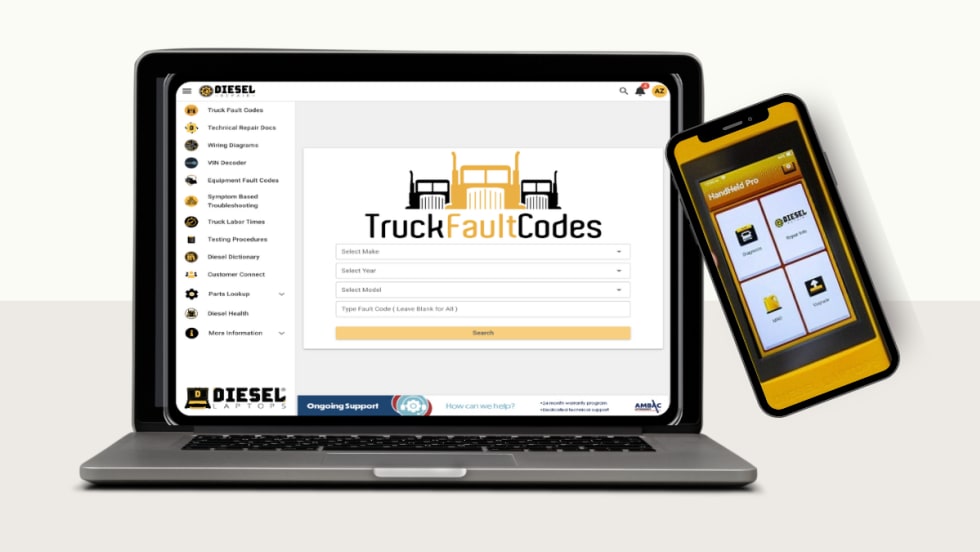
Diesel Laptops Releases Fault-Code-to-Part-Number Tool
Diesel Laptops said its Truck Fault Codes allows users to input a fault code and immediately identify and order the parts needed to complete repair work.
Read More →