




When turnover costs are considered, driver-unfriendly freight is the least profitable freight a carrier hauls and is the main reason to reduce this type of freight. Although we cannot prove it statistically, there is evidence to support a relationship between the number of poor loads a carrier hauls, and the amount of driver and operator turnover. We often suggest to carriers that for every 10 trailers requiring a driver eight hours to unload by hand, somewhere there is a driver quitting that carrier. Some carriers believe one driver quits for every five hand unloads they haul!
Even if one driver quits for every 10 unloads by hand, the ratio demonstrates the lack of profitability of this freight when turnover costs are included. If, on average, turnover costs $3,000 per driver, then turnover costs of performing each hand unload is $3,000 divided by 10 loads, or $300. Few loads pay this type of rate premium.
Some of the loads that drivers find undesirable include short hauls, hand unloading, sorting and segregating at the dock, appointment schedules that are not honored by the customer, customers who force drivers to wait 24 hours if they miss their appointment, pallet exchanges, and excessive stops en route.
Not all of these are as big a sore spot to drivers as hand loading or unloading a trailer. Certainly, there are examples where a short length of haul might fill out a driver's week. For the most part, however, the more of these load types a carrier hauls, the higher we expect to find their turnover.
Most carriers agree with us. As we talk with different carriers, we see a dedicated movement to reduce the amount of driver-unfriendly freight they haul. These loads will have to find a home. Carriers who do not pay attention to the driver friendliness of their freight run the risk of hauling an increasing amount of these loads.
How do you make sure that these undesirable loads do not end up on your trucks? We offer the following three suggestions:
Pay Drivers: Twenty years ago, when long- haul trucking was a good-paying, blue-collar job, most carriers expected the drivers to "take the good with the bad." For example, instead of paying drivers for the work involved with unloading a trailer, they expected the driver to do it for free, work the first two hours for free, or they capped unloading pay at $40.
The problem of not paying the driver for the work involved was that shippers were never fully charged. Shippers found they could save money by having truckload carriers load or unload freight, rather than pay for their own labor. Instead of giving five 5,000-pound shipments to a LTL carrier, they save money using a truckload carrier who delivers the shipment on a multiple-stop run.
By paying for these services at rates that make the majority of drivers and operators happy with this freight, it becomes much easier for dispatch to get drivers to accept these loads. This helps reduce much of the friction between operations and drivers over who gets which loads.
Adjust Shipper's Rates: Shippers need to start paying rates that allow carriers to pay drivers for the time and effort involved. Shippers never want to take a rate increase, so many will balk. Remember, driver-unfriendly freight will find its way to the cheapest carrier.
Whether or not to raise rates before raising driver pay remains a question. We think carriers should raise pay regardless of whether or not the shippers agree. For example, shippers in severe backhaul areas will probably resist agreeing to increases. To get trucks out of the areas, carriers will need to keep hauling that freight. Not paying the drivers enough to make them happy with the freight does not really save a carrier money when the cost of driver turnover is considered.
Finally, if shippers balk at paying a rate that truly reflects cost, it becomes imperative to suggest changes so their freight will be more driver friendly.
Set the Schedule Even poor loads can become more driver-friendly if they are scheduled properly. For example, a 750-mile load is driver-friendly if it takes one and a half days to pickup and deliver. It is unfriendly when it takes over two or more days. A 500-mile load tendered on Monday through Thursday is high utilization. On Friday, it can represent poor weekend utilization for a driver.
Carriers are so shipper focused that they allow the shipper to set the schedule with almost no questions asked. Shippers will set a schedule for their convenience with no thought of the impact on the carrier's operations or drivers. Carriers need to dictate schedules on loads to make sure they are as driver friendly as possible.
Thinking of drivers and operators as equal in importance to shippers is a tough concept for most carriers to embrace, particularly the sales department. Just remember, in the era of the driver shortage, finding shippers and loads may become a whole lot easier than finding drivers.
David Goodson is presenting driver and owner-operator retention seminars at various locations from June through November 2000. For information, e-mail Goodson at dgoodson8@cs.com.
How Friendly Is Your Freight?
When turnover costs are considered, driver-unfriendly freight is the least profitable freight a carrier hauls and is the main reason to reduce this type of freight. Although we cannot prove it statistically, there is evidence to
More Aftermarket
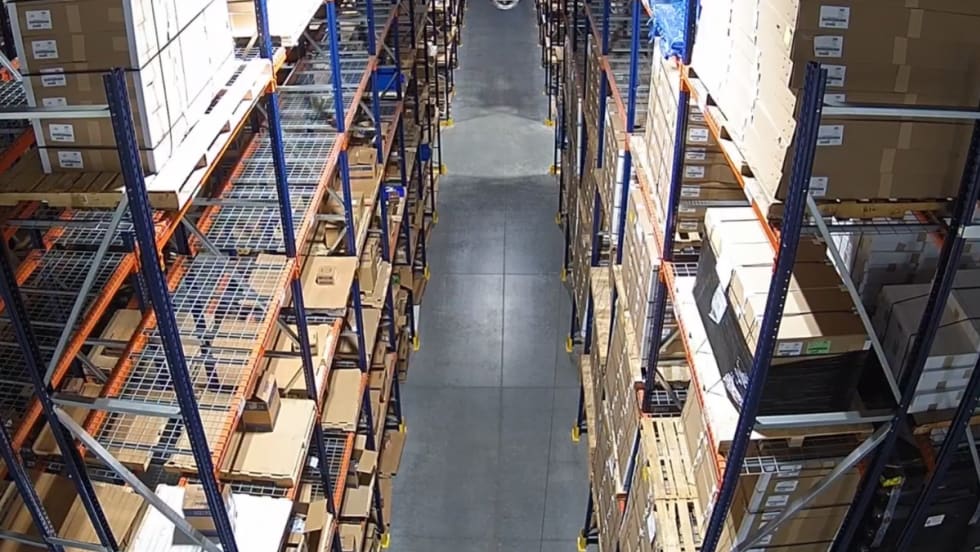
Phillips Opens High-Tech Distribution Center for Faster Parts Delivery
Phillips Industries’ new Cincinnati-area distribution center is now shipping aftermarket trucking parts nationwide, aiming to speed up delivery times for customers.
Read More →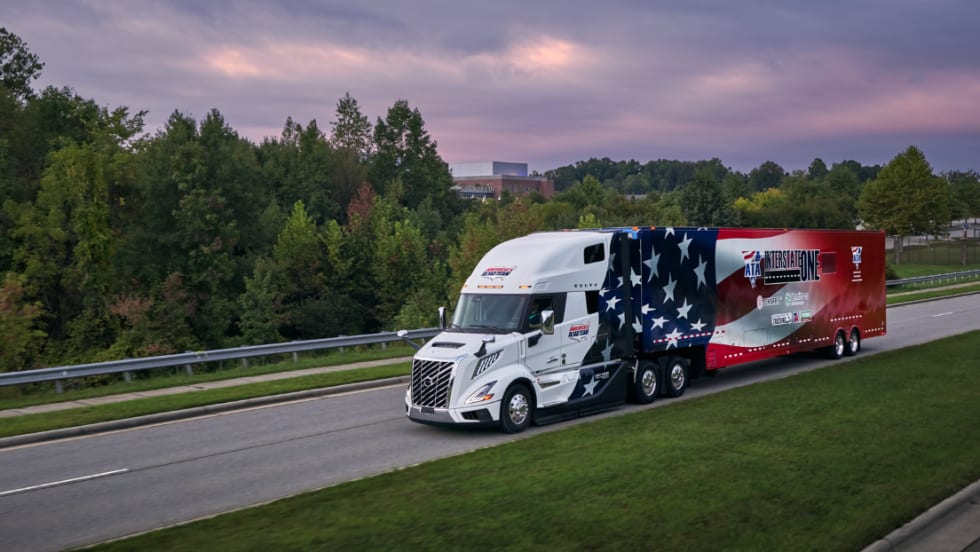
Volvo to Sponsor America’s Road Team for 2025
Volvo Trucks announced that it is extending its exclusive sponsorship of America’s Road Team for 2025.
Read More →
Webb to Start Taking Orders for UltraSet Pre-Adjusted Wheel Hubs
Webb, which recently acquired the Stemco Trifecta pre-adjusted hub program, will soon start taking orders for its replacement pre-assembled hub, the UltraSet.
Read More →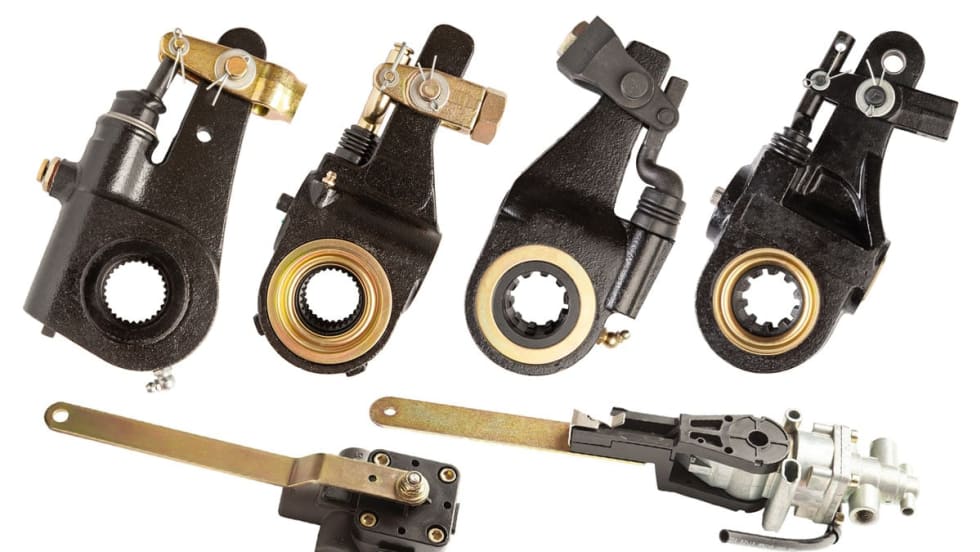
All-Makes Automatic Brake Adjusters, Ride Height Control Valves from Midland
SAF-Holland has added automatic brake adjusters and ride height control valves to its Midland All-Makes Program.
Read More →
ZF Aftermarket Expands [pro]Academy Training
ZF Aftermarket said it is expanding its ZF [pro]Academy training and will be adding 40 new modules this year.
Read More →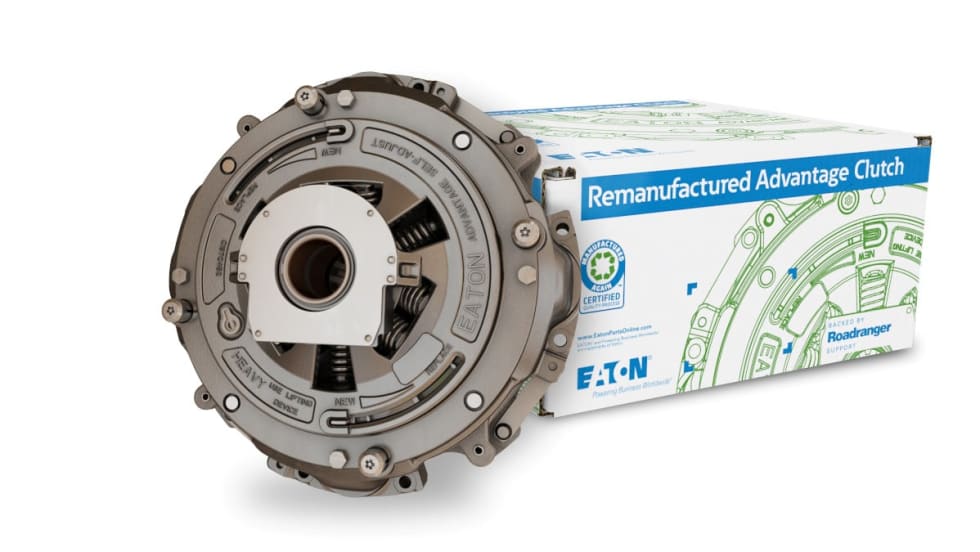
Eaton Adds Remanufactured Advantage Line of Clutches
Eaton has added its Advantage clutches to its remanufactured product line. The clutches feature a unique strap drive intermediate plate designed to allow customers to choose the latest OE specification
Read More →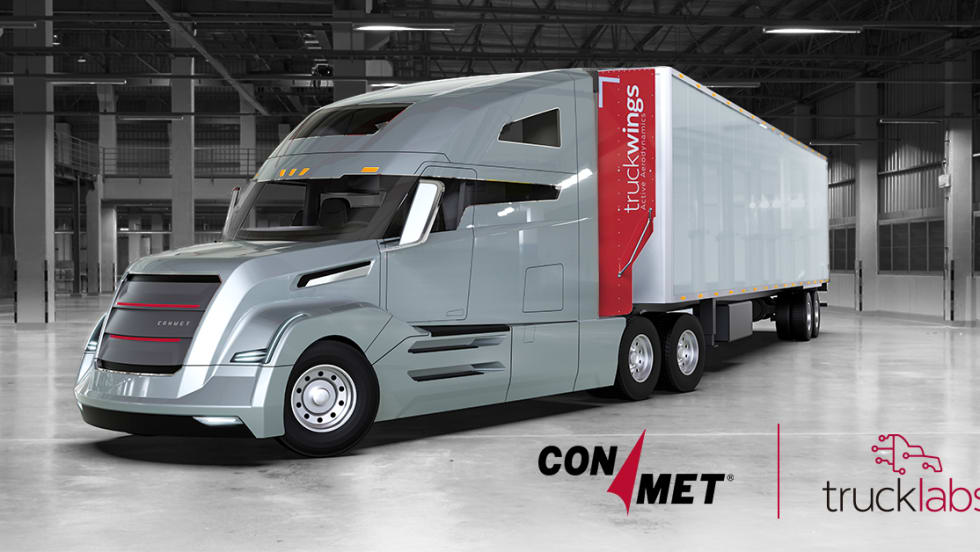
ConMet Acquires TruckLabs, the Creator of TruckWings
Commercial truck and trailer parts provider ConMet acquired TruckLabs, the company that created TruckWings, an aerodynamic device that attaches to truck cabs and deploys to close the gap between truck and trailer. TruckLabs now operates as a subsidiary of ConMet.
Read More →
Diesel Laptops Releases Fault-Code-to-Part-Number Tool
Diesel Laptops said its Truck Fault Codes allows users to input a fault code and immediately identify and order the parts needed to complete repair work.
Read More →
Heavy Duty Parts and Labor Costs Dropped in Q2
A benchmarking report from TMC and Decisiv reveals good news for fleets as heavy-duty parts and labor costs dropped in the second quarter of 2023.
Read More →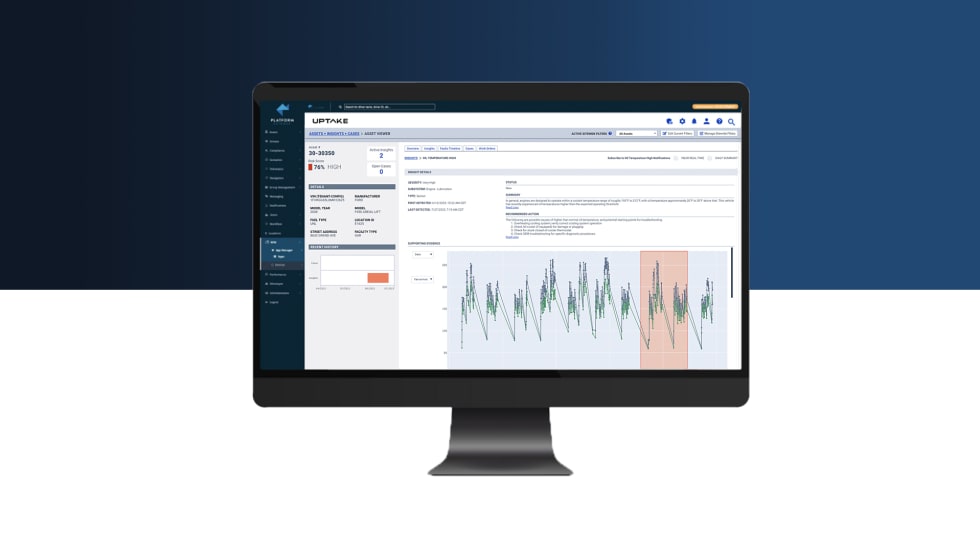
Platform Science, Uptake Partner on Predictive Maintenance Platform
Platform Science and Uptake have formed a partnership aimed at bringing a comprehensive predictive maintenance program to market for U.S. truck fleets.
Read More →