




Get Ready for Brake Safety Day on Sept. 7
The Commercial Vehicle Safety Alliance's Brake Safety Day is set to take place on Thursday, Sept. 7 across North America.
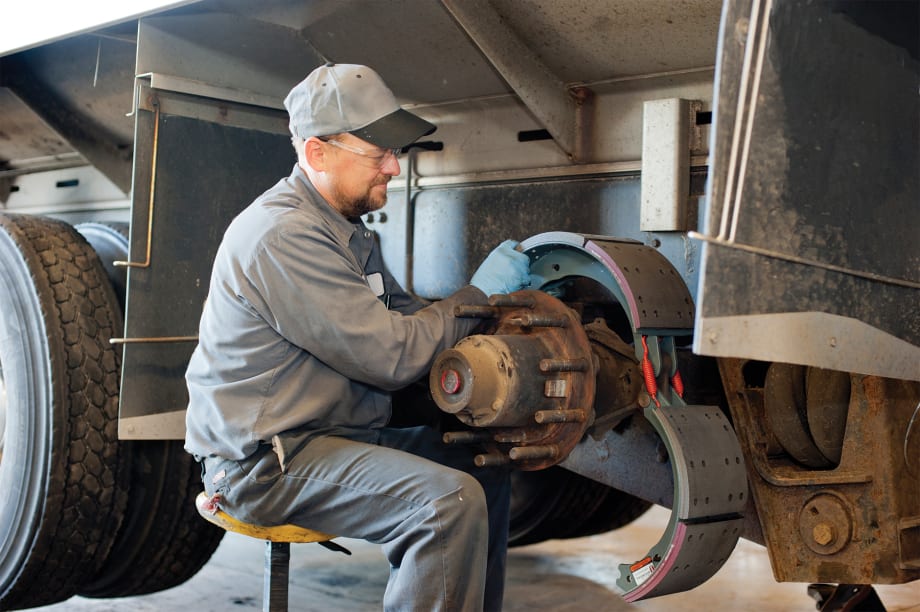
Photo: J.J. Keller & Associates
Photo: J.J. Keller & Associates
The Commercial Vehicle Safety Alliance's Brake Safety Day is set to take place on Thursday, Sept. 7 across North America.
Law enforcement agencies will conduct inspections on large trucks and buses to identify out-of-adjustment brakes and brake system and anti-lock braking system violations, as part of CVSA’s Operation Airbrake Program.
This year’s Sept. 7 Brake Safety Day follows up on CVSA’s May 3 unannounced Brake Safety Day and replaces the seven-day Brake Safety Week campaign from previous years.
The goal of Brake Safety Day is to reduce the number of accidents caused by poorly maintained brakes on commercial vehicles by conducting roadside mechanical fitness inspections and identifying and removing vehicles with critical brake violations from the road.
The event will also feature outreach and educational efforts by inspectors, carriers, and others. Brake Safety Day activities seek to educate drivers, mechanics, owner-operators, and others on the importance of proper brake maintenance, operation, and performance.
On Brake Safety Day, inspectors will primarily conduct the North American Standard Level I Inspection, which is a 37-step procedure that includes an examination of both driver operating and vehicle mechanical fitness requirements.
Ahead of Brake Safety Day, J.J. Keller has published a free whitepaper to help carriers prepare for the event, The Importance of Brakes: Key Components, Inspection, and Maintenance.The whitepaper explains how air brakes function and details necessary measures to keep brake systems in good condition.
Bendix has also offered a series of tools and tips to prepare for Brake Safety Day.
Pre-Trip Readiness: Walk around the vehicle daily to visually inspect brake components and listen for audible air system leaks. Examine wheel-ends to make sure that the air chambers, pushrods, and slack adjusters are not damaged or hanging loose. Once or twice a week, get under the vehicle to check air disc brake rotors for cracks and inspect the lining wear on drum brakes without dust shields. Know how to read antilock braking system (ABS) warning light fault codes using the dashboard diagnostic switch or a remote diagnostic unit, and how to address them.
Air Disc Brake Upkeep: Check the mounting hardware of calipers and air chambers; monitor pad wear (minimum allowable friction material thickness is 2 mm); measure rotor thickness and look for cracks that exceed allowable limits, and look for damage or corrosion on tappets and boots. Ensure proper running clearances between the rotor and pads, and check that the caliper slides freely.
Attention to Chambers: During pre-trip air system tests and visual inspections, listen for air leaks around the chamber; check for missing parts such as dust plugs, caging bolts, and clamp bands; and look for obvious damage to the chamber, such as dents, corrosion, and bent pushrods.
Keep Slack Adjusters Lubricated: Inject new grease until old grease is forced through the release opening. Manufacturer instructions will advise on how much grease to purge from the adjuster, and what lubricant to use. Grease every 30,000 miles, or every time you do a preventive maintenance inspection.
Learn from Your Friction: Check friction regularly for cracks or missing pieces, ensure adequate thickness, and examine drums and rotors for signs of dragging brakes or overheating linings. Know the signs of drum friction improperly rated for the vehicle, including scoring on the friction or the drum; degradation that gives the friction a porous, charcoal-like appearance; and “hot spotting” – a leopard-spotted pattern on the drum.
Brake-related violations made up 47.5% of all out-of-service violations during CVSA's International Roadcheck event in 2016.
During 2016’s Brake Safety Week, enforcement agencies conducted 18,385 vehicle and brake system inspections, resulting in brake-related out-of-service violations in 13.2% of vehicles.
Of those inspected, 8.8% of all ABS-required trucks were found with ABS violations while 15.8% of all trailers requiring ABS were found with ABS violations.
More Drivers

From One Generation to the Next: How Mentorship Builds Safer Truck Drivers
After three decades in trucking, Harold Perry shares what he's learned about driver safety, mentorship, and helping the next generation build confidence behind the wheel.
Read More →
Truck Drivers Need More Than Another Alert
Fleets have more visibility into truck health, safety events, and driver activity than ever. The next challenge is turning all that information into useful guidance for the person who has to decide what to do next.
Read More →
FMCSA Removes 110 Truck Driver Training Schools from Certified ELDT List
Federal regulators also are targeting more than 160 additional training providers and launching a nationwide audit of third-party CDL skills testers as part of a broader crackdown on trucking fraud.
Read More →
Hours of Service Pilot Programs: FMCSA Readies for 2027 Rollout
Two pilot programs could eventually reshape hours-of-service rules, giving truck drivers options to pause their 14-hour clock or use longer split sleeper rest periods.
Read More →
Medical Cards, English Proficiency Reshape Roadcheck Violations
Medical-card violations jumped to the top of the driver out-of-service list during CVSA’s 2026 International Roadcheck, while English-language proficiency violations appeared among the leading violations for the first time.
Read More →
Driver Trust Can Make or Break the Success of Fleet Safety Technology
New Teletrac Navman research suggests that onboarding, transparency about driver data, and positive feedback can play a significant role in how commercial drivers respond to safety and coaching technology.
Read More →
EEOC Sues KLLM Over Alleged Sex Discrimination in Driver Training
KLLM is facing a federal sex-discrimination lawsuit over policies the EEOC alleges put female truck driver trainees at a disadvantage.
Read More →
FMCSA Moves to Codify English Language Requirements for Commercial Drivers
By changing regulations on English-language proficiency requirements for commercial drivers, rather than relying on a guidance memo, the FMCSA said future administrations won't be able to walk back the Trump administration's stricter enforcement with just a memo.
Read More →
Drivers Put Western Star Trucks to the Test at Star Nation Experience
Watch to get an inside look at the Western Star trucks, technology, and community behind the Star Nation Experience 2026!
Read More →
Trump Administration Looks to Put More Veterans Behind the Wheel
The Freedom Haulers program pulls together existing and expanded programs at several federal agencies to recruit veterans to drive commercial heavy-duty trucks and cut the red tape for them to get a CDL, training, and employment.
Read More →