




Funding Bill Sets Deadline for ELD Mandate: January 30, 2015
The bill that would suspend the new 34-hour restart provision of the hours of service rule also sets a deadline for the Federal Motor Carrier Safety Administration to publish its electronic logging device mandate: January 30, 2015.

The bill that would suspend the new 34-hour restart provision of the hours of service rule also sets a deadline for the Federal Motor Carrier Safety Administration to publish its electronic logging device mandate.
It orders the agency to post the final rule by January 30, 2015.
The agency was supposed to finish the rule last October but still is in the midst of the rulemaking process.
It recently extended the comment period on its proposal from May 27 until June 26 at the request of the Commercial Vehicle Safety Alliance, which represents state police and other enforcement interests. The Alliance said it needs more time to understand the impact of the technology the agency is proposing.
The mandate will require drivers who use paper logs to eventually switch to electronic logs. It also covers technical standards for the devices and the supporting documents that regulators need to confirm compliance. And it sets requirements to ensure that electronic logs are not used to harass drivers.
The January 30, 2015, deadline is connected to the bill’s requirement that FMCSA conduct a naturalistic study of the restart, comparing the performance of drivers using the new restart to those using the old one.
The bill says that researchers conducting the study should use data collected through ELDs that meet the requirements of the mandate. The January deadline is intended to ensure that compliant ELDs will be available for the study in a timely manner.
The new restart requires drivers to take off two successive periods between 1 a.m. and 5 a.m. during their 34-hour break. It also limits use of the restart to once a week. Neither of these restrictions are in the old restart.
Trucking interests contend that the new restart adds costs to their operations, cuts into driver pay and does not improve safety.
Over the protests of other trucking interests and FMCSA, this argument persuaded a majority of the members of the Senate Appropriations Committee to vote for suspension of the new restart while FMCSA does the study. The vote on the transportation funding bill occurred Thursday, and the full Senate is scheduled to take up the issue June 16.
The House, meanwhile, is considering a transportation appropriations measure that takes a different tack.
Its bill criticizes FMCSA’s handling of the restart provision but does not suspend the restart. Instead, it tells FMCSA to report back with scientific evidence for the once-a-week restriction on the restart. The report must include an assessment of the effect of the restriction on safety and traffic and any other “unintended consequences.”
The House Appropriations Committee bill still has to clear the full House. Then that bill will have to be reconciled with what the Senate passes, a process that creates plenty of opportunity for changes in the status of the restart.
More Fleet Management
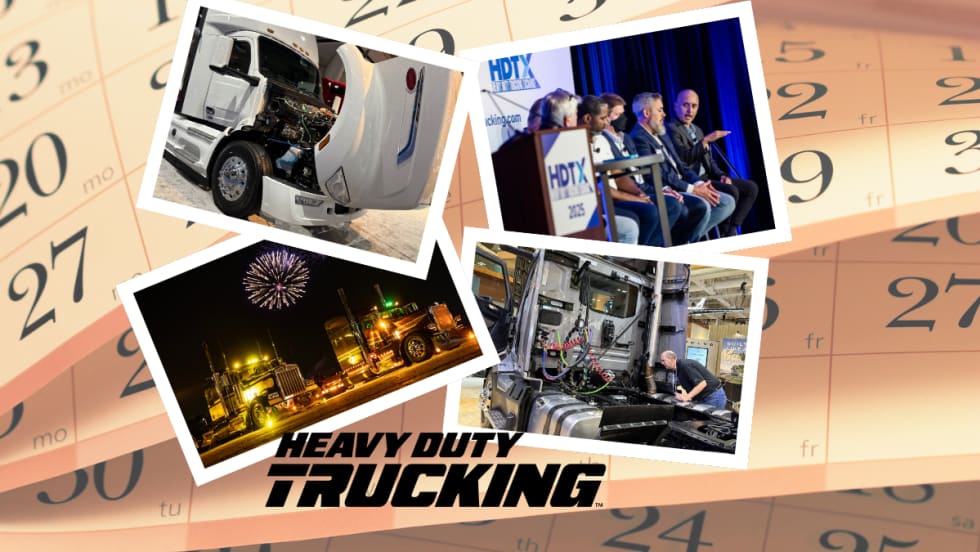
What Trucking Events are Happening in 2026?
Looking for trucking-related conventions, expos, and other events? Heavy Duty Trucking has developed this list of national and larger regional trucking shows and events.
Read More →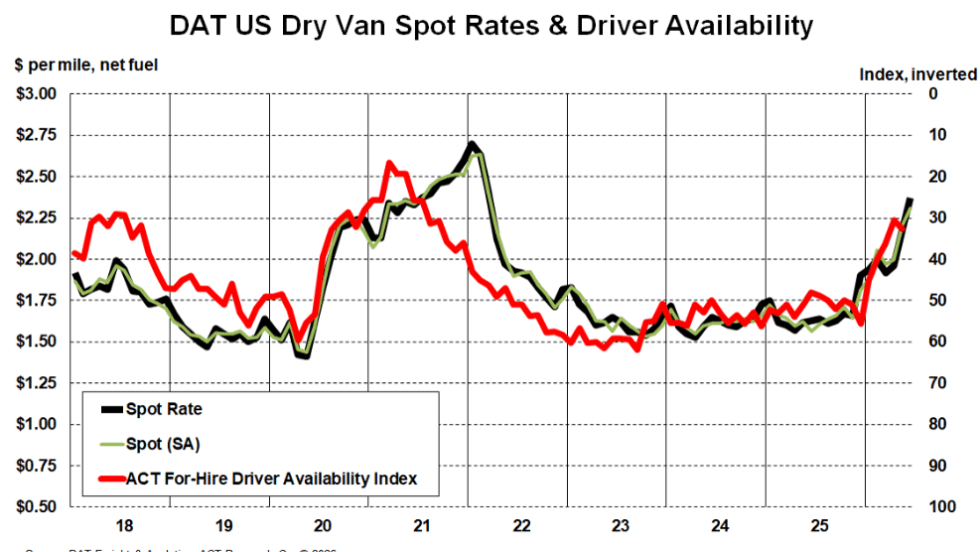
Truckload Rates Keep Rising as Tight Capacity Fuels Freight Market Recovery
Spot and contract rates continued climbing in May and June, not because freight demand is surging, but because fewer trucks and drivers are available.
Read More →
What Geotab's New AI Connector Means for Fleets
Fleets can now ask their usual AI assistants questions about maintenance, safety, fuel use, and vehicle performance, using their live Geotab data, and take action on the answers without leaving their preferred AI tool.
Read More →
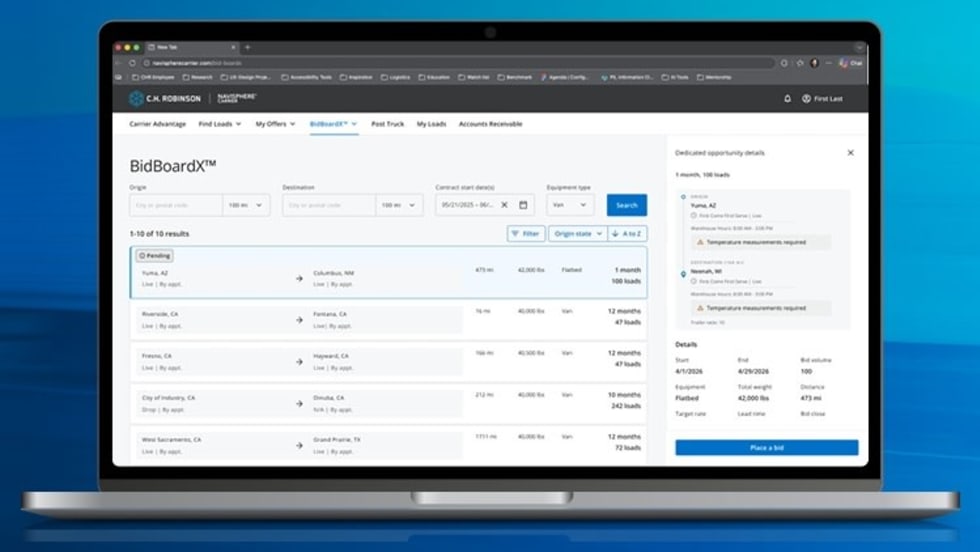
New C.H. Robinson Tool Opens Door to More Predictable Freight
BidBoardX lets carriers search, bid on, and secure committed freight opportunities through a single digital marketplace.
Read More →
New York City's Microhub Project is Delivering Results
Trucking, last-mile delivery companies, and environmental advocates like what they are seeing so far with New York's microhub program.
Read More →
Why Truck Detention Keeps Costing Fleets Time and Money
A 2024 ATRI study found detention affects nearly 40% of truckload stops and costs the industry more than $15 billion annually. Despite the toll on drivers, fleets, and supply chains, the problem remains stubbornly persistent.
Read More →
Time is Running Out to Apply for Exclusive HDT Event
Heavy Duty Trucking Exchange brings fleet managers and suppliers together for the deeper conversations that lead to ideas, partnerships, and solutions. Time is running out to apply for the September event.
Read More →
Amazon Launches Less-Than-Truckload Freight Offering for All Businesses
This launch is the latest addition to Amazon Supply Chain Services, a portfolio of supply chain capabilities from Amazon, including freight, distribution, fulfillment, and parcel shipping.
Read More →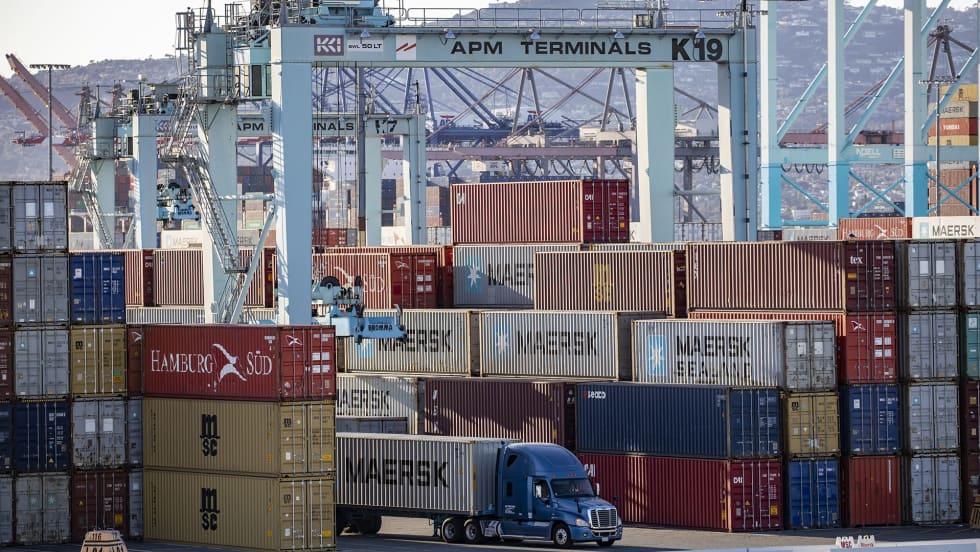
Import Cargo Volume to See Year-Over-Year Gain Again in June, Then Remain Below 2025 Levels Into Fall
After July, the report predicts a weakening in import volume as consumer uncertainty remains high and the impact of increasing inflation takes its toll.
Read More →
AUCTION OF EQUITY INTEREST IN HEAVY HAUL TRUCKING COMPANY!!
Mark your calendar: June 30, 2026 (10:00 a.m. PDT). A 37.5% ownership interest in MagnaTrans, LLC, a California limited liability company doing business as Magna Transportation Group, will be sold in an in-person and online auction to the highest bidder or bidders under Article 9 of the Uniform Commercial Code. The Rancho Cucamonga-based heavy haul and over-dimensional trucking company operates across California, Oregon, and Arizona.
Read More →