




Fuel Economy Numbers Flatline in Latest NACFE Report
In its first Fleet Fuel Study in three years, the North American Council for Freight Efficiency found that the fuel economy numbers among participating fleets remained stagnant.

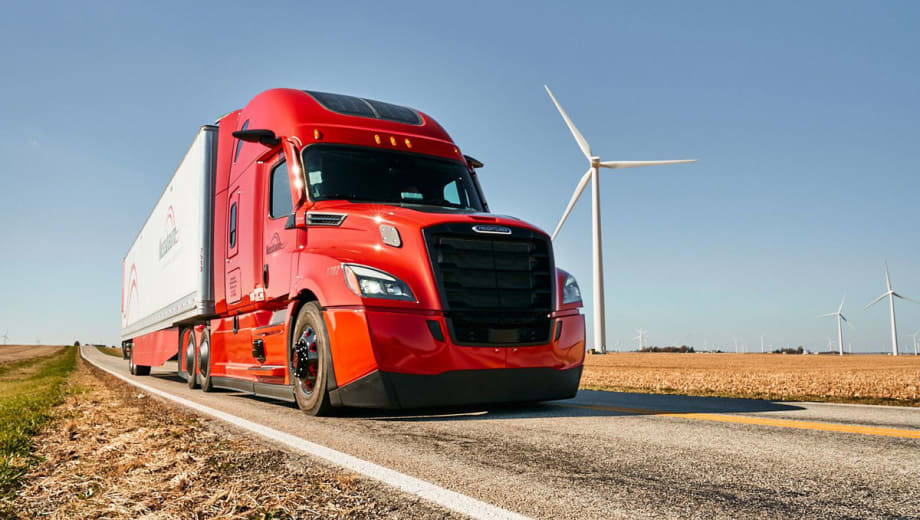
Nussbaum Transportation was the top performer of the 15 fleets participating in NACFE’s 2022 Annual Fleet Fuel Survey.
Photo: Nussbaum
After a three-year hiatus largely due to the COVID-19 pandemic, the North American Council for Freight Efficiency has resurrected its annual Fleet Fuel Study, which dives into the adoption of various products and practices for improving fuel and freight efficiency among a group of major North American fleets.
For seven years in a row, the participating fleets reported year-over-year fuel-mileage increases averaging 2% for fleet-wide average fuel economy. In the news study, however, numbers from participating fleets were flat at 7.24 mpg from 2018 through 2021.
Mike Roeth, executive director for NACFE, said a number of factors were likely at work. However, he stressed that, on average, the average mpg of the nation’s fleet has risen from 5.98 mpg to 6.24 mpg in the last three years.
“This is a significant improvement and has helped the operators of the 1.7 million tractors operating in the U.S. reduce their fuel costs,” Roeth said.
The 15 fleets participating in the 2022 Annual Fleet Fuel Study, operating 75,000 trucks, saved $540 million in 2021 compared to the average trucks on the road.
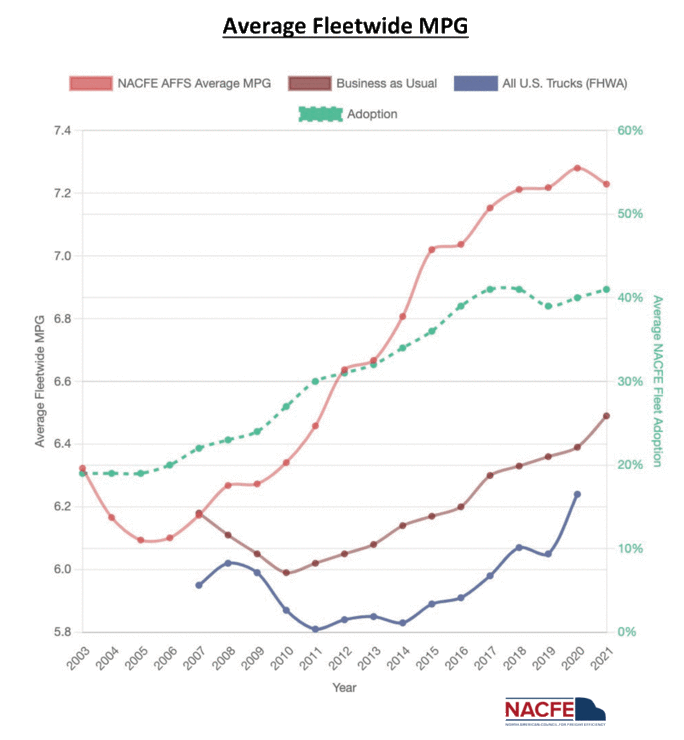
The 15 fleets in the 2022 Annual Fleet Fuel Study, operating 75,000 trucks, saved $540 million in 2021 compared to the average trucks on the road.
Source: NACFE
Adoption of Fuel-Saving Specs and Practices
Fleets were asked to share their adoption practices on 86 technologies that help save fuel. “Increasing fuel efficiency is a definite sustainability action taken by fleets today. They don’t have to wait to deploy zero-emission trucks to make a difference,” Roeth added.
Over the course of the study, five fleets have had adoption rates of more than 50%, as defined in this report, while 11 have been between 40% and 50%. (It is important to note that no fleet could adopt all technologies on a single tractor-trailer combination, as some are “competing” solutions for a single function. The maximum adoption by a fleet would be around 65%, depending on the set of technology combinations.)
The fleets in this year’s study range from having about 22% to 59% of the available technologies in use on their tractors and trailers.
“In addition, we believe many of these technologies and practices will transfer to alternative fueled vehicles where they will help extend range,” said Yunsu Park, NACFE’s director of engineering and the study report’s author.
COVID-19 Pandemic a Likely Culprit in Flat Fuel Economy
Since 2010 with the introduction of SCR engines, Roeth noted, North American truck OEMs have been able to make every successive model year truck more efficient than the one preceding it. This decade-plus of compounding gains in efficiency, combined with increased adoption of fuel-saving technologies, has saved the industry enormous amounts of fuel and put mpg numbers once considered to be in SuperTruck territory within reach of regular production vehicles. New tractors coming off the production line are achieving higher mpgs than older trucks, but that efficiency can still be improved with the adoption of other technologies and practices.
That said, supply chain issues and a massive backlog for new trucks have forced many fleets to run equipment much longer than before the pandemic. And Roeth said he believes running older, less fuel-efficient equipment has helped keep overall fuel economy numbers flat, as well.
The overall impact of the COVID-19 pandemic on fuel economy has to be considered as well.
“This is largely anecdotal,” he says. “But fleets told us time and again that their focus on fuel economy fell off during the pandemic. It was a crisis. Fuel was cheap because no one was driving. And frankly they had other concerns — just keeping trucks rolling and keeping drivers safe, for example. It seems like there was an increase in idle times during the pandemic, which just makes sense. You want to keep drivers safe and out of truck stops as much as possible. So, you have them spend more time idling in the truck, which decreased fuel economy as the trade-off.”
The report found that many fleets have increased their cruise and pedal highway speeds. In fact, fleets with maximum speed limiters under 65 mph droped from 80% in 2016 to 62% in 2021. This results in a significant increase in fuel consumption, with a 0.1 mpg hit for every 1 mph increase in average speed.
Still, Roeth said, the investments these fleets have made in fuel economy continue to pay off — particularly when fuel prices suddenly spike as they did last year and for most of 2022. The price per gallon for diesel skyrocketed to an all-time high of $5.81 on June 20, 2022.
For a point of reference, using a cost of an even $5 per gallon and 7 mpg driven over an annual amount of 100,000 miles, the cost to fuel one tractor-trailer for a year would be more than $70,000. A new tractor might cost $150,000, so that tractor will spend in fuel the complete cost of the tractor in its first two years of use.
New Benchmarking Tool
For the first time, NACFE is providing an interactive benchmarking tool along with the report. This online tool gives fleets the ability to enter information on their own adoption practices for the studied technologies to see how they compare to the fleets in the study.
Fleets that use the benchmarking tool will receive a customized link to an interactive report that will include the user’s responses prioritized by the technologies that have the greatest gap between the user and the average of the Annual Fleet Fuel Study fleets.
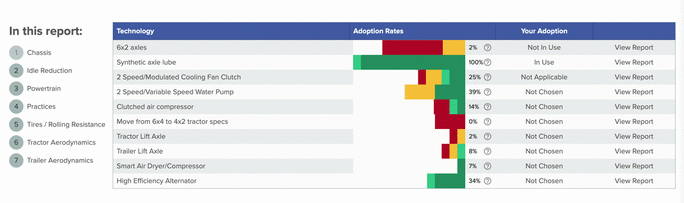
A sample of NACFE's new benchmarking report, allowing fleets to compare their adoption of fuel-saving technologies and tactics against those in the annual fleet study.
Source: NACFE
The annual Fleet Fuel Study covers Class 8 tractors (day cabs and sleepers) and trailers in regional and long-haul applications. Its conclusions are based on information provided by a total of 24 fleets beginning in 2012. Fleets were asked to fill out a questionnaire about their use of 86 fuel-efficiency technologies and practices for their tractors and trailers. Over the course of the years of the study, some fleets have dropped out, while others have been added.
For the 2022 study, 15 fleets provided data covering their 2019, 2020 and 2021 operations: CFI, C.R. England, Frito-Lay, J.B. Hunt, Maverick Transportation, Mesilla Valley Transportation, Nussbaum Transportation, Paper Transport, Pilot Flying J, Pitt Ohio, Schneider, U.S. Xpress, and Werner Enterprises.
NACFE also has made significant changes to its website to more closely tie the AFFS to the work it does studying these technologies via its Confidence Reports.
More Fuel Smarts

How Volvo Updated Its D13 for EPA 2027 [Watch]
Volvo’s updated D13 promises lower emissions without sacrificing performance or fuel economy. Take a closer look at what changed inside the engine in this HDT Spotlight video.
Read More →
Diesel Price Spike Shortens Payback for Natural Gas Trucks, Report Says
Energy Vision estimates fleets could recover the higher purchase price of an RNG-fueled Class 8 tractor in 1.3 to 2.8 years under current fuel-price scenarios.
Read More →
Calstart Becomes Catalyst Mobility, Reflecting Broader Focus
Calstart is now Catalyst Mobility, reflecting the nonprofit’s growing national role in clean transportation, including zero-emission trucks, infrastructure and incentive programs.
Read More →

Record Diesel Prices Squeeze Trucking Fleets
Average U.S. diesel prices have climbed to nearly $6 a gallon, surpassing the 2022 record as tight refinery capacity and Middle East disruptions keep fuel costs elevated.
Read More →
How Fuel Delivery Shapes Engine Performance
Fuel delivery depends on more than what happens at the injector. For fleet, maintenance and technical professionals, looking at the full path from pump to injector can provide useful context for understanding engine performance.
Read More →
East Coast Port Launches $45M Electric Truck Push
The Port Authority of New York and New Jersey announced millions in incentives for zero-emission drayage trucks, yard tractors, and new charging hubs near the port.
Read More →
California Bill Could Shed Light on Electric Truck Prices
Why do battery-electric Class 8 trucks remain so expensive? A California bill headed to Gov. Gavin Newsom would give fleets and state agencies more visibility into what manufacturers charge.
Read More →
Detroit Opens Orders for EPA 2027 Engines
Detroit isn’t starting from scratch to meet EPA 2027 diesel emissions standards. Its Gen 6 DD13 and DD15 engines keep much of today’s platform while updating the fuel and aftertreatment systems.
Read More →
Zero-Emission Truck Corridor Planned for West Coast
California, Oregon, Washington, British Columbia and Baja California are coordinating plans for truck charging and hydrogen fueling from Canada to Mexico.
Read More →
A Closer Look at Kenworth’s Electric T880E Vocational Truck [Video]
Learn more about Kenworth's T880E battery-electric vocational truck at the Paccar Technical Center, including its range, applications, upfitting considerations, and PTO options, in this HDT Spotlight video.
Read More →