




Freightliner’s New Wind Tunnel Demonstrates Fuel Efficiencies
Freightliner LLC, in collaboration with the U.S. Department of Energy (DOE), recently completed a comprehensive two-year study on the impact of aerodynamics on fuel efficiency. Utilizing its custom-built wind tunnel
Freightliner LLC, in collaboration with the U.S. Department of Energy (DOE), recently completed a comprehensive two-year study on the impact of aerodynamics on fuel efficiency. Utilizing its custom-built wind tunnel,
Freightliner engineers conducted a study that has produced specific design guidelines to benefit all existing and future heavy-duty trucks operating on the nation's highways.
Earlier this week, Freightliner LLC – along with other OEM participants – provided details of their study to stakeholders from the DOE sponsors. The importance of aerodynamic research on heavy-duty trucks was highlighted to members of Congress, DOE staff and other interested parties outside of the DOE headquarters in Washington, D.C.
In 2004, reacting to the rising cost of diesel fuel, the DOE solicited the Truck Manufacturers Association (TMA) and its heavy-duty truck OEM members to collaborate on aerodynamic research and demonstrate its effects on fuel economy.
"We built our Class 8 wind tunnel – the first and only of its kind – specifically for this type of research because it allows our engineers to replicate real-world aerodynamic scenarios in a controlled environment where we can precisely duplicate test conditions to evaluate even the slightest effects on aerodynamics," said Elmar Boeckenhoff, senior vice president of engineering and technology for Freightliner LLC. "The variables of driver influence, weather conditions, road surfaces, and traffic, to name a few, are overcome in the wind tunnel. The flexibility provided by having the wind tunnel at our disposal enables us to evaluate many different scenarios in a very timely and cost effective manner."
Research has shown that even small improvements in a truck's aerodynamic design can save millions of gallons of fuel when applied to fleets across the country. This is one of the reasons why Freightliner LLC chose to conduct a comprehensive study of the influence and impact of mirror and mirror-mounting systems on total vehicle aerodynamics. Without the wind tunnel, subtle changes in the mirror designs may not be recognized with traditional over-the-road testing.
"The type of research done in this study clearly demonstrates that
Freightliner has the necessary tools to conduct similar studies quickly and in a very cost-effective manner on virtually any system or surface of the vehicle," Boeckenhoff added. "When you add it all up, we have the potential to make very significant aerodynamic improvements to our vehicles."
Scott Smith, executive engineer for Freightliner LLC, was the project leader for Freightliner's aerodynamics evaluation. "We focused our study on mirrors and mirror systems because our testing resources, such as the wind tunnel and Computational Fluid Dynamics (CFD), lend themselves to measuring relatively small aerodynamic changes," he said.
"We continue to use CFD and other simulation methods, but our wind tunnel is indispensable in refining our results," Smith added. "Not only are we able to conduct proprietary research, but we're also proud to participate in studies where we provide engineering direction to our industry as a whole and contribute to the DOE's goals."
Using the Freightliner wind tunnel and CFD analysis, engineers outfitted a Freightliner Century Class S/T tractor with several configurations of mirrors and conducted 11 different iterations to analyze how much each mirror style affected the truck's overall aerodynamic drag.
Engineers then analyzed the information collected. What resulted was data that can be used to identify sources of aerodynamic drag and conceive future designs that will be incorporated on new Freightliner LLC vehicles.
From the analysis, it was learned that even today's best-designed mirrors can affect vehicle aerodynamics by as much as 6 percent or more, depending their design and placement on the truck. It's not just the mirror shape, but the placement on the truck and even the shape of the truck in the vicinity of the mirror that affect the efficiency of the airflow.
"Freightliner LLC's unique testing resources have not only let us consider updates we can make to our own products, but also enable us to propose design recommendations for industry-wide fuel efficiency improvements," said Smith. "Mirrors need to be integrated in to the specific vehicle design because what works on one make or model may not perform the same on another. The real benefit from our study is that we have produced design guidelines that can be incorporated on any heavy-duty vehicle design to improve the airflow around mirrors regarding total vehicle aerodynamics."
More Aftermarket

What Three Fleets Are Doing Differently When Buying Truck Parts in 2026
With freight improving but costs still climbing, fleet maintenance executives explain how they're balancing price, quality, and supplier relationships.
Read More →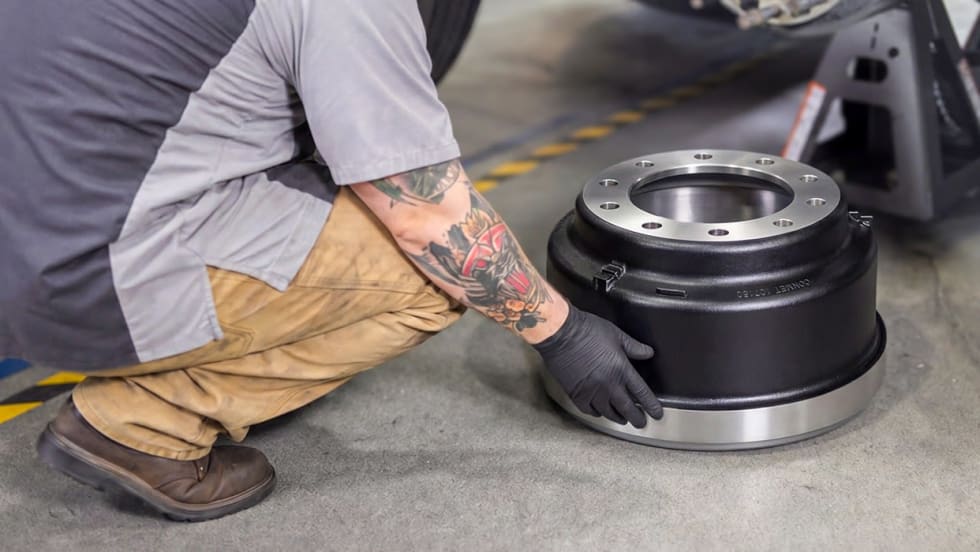
ConMet Expands Aftermarket Brake Drum Lineup With TruCast
A new heavy-duty truck brake drum option in the aftermarket gives customers more flexibility within the ConMet product family.
Read More →
Phillips Opens High-Tech Distribution Center for Faster Parts Delivery
Phillips Industries’ new Cincinnati-area distribution center is now shipping aftermarket trucking parts nationwide, aiming to speed up delivery times for customers.
Read More →
Volvo to Sponsor America’s Road Team for 2025
Volvo Trucks announced that it is extending its exclusive sponsorship of America’s Road Team for 2025.
Read More →
Webb to Start Taking Orders for UltraSet Pre-Adjusted Wheel Hubs
Webb, which recently acquired the Stemco Trifecta pre-adjusted hub program, will soon start taking orders for its replacement pre-assembled hub, the UltraSet.
Read More →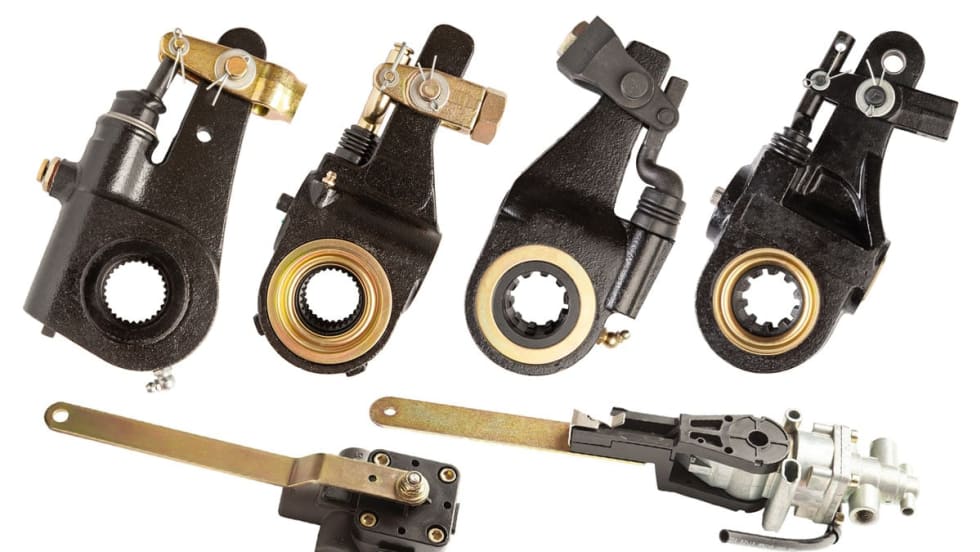
All-Makes Automatic Brake Adjusters, Ride Height Control Valves from Midland
SAF-Holland has added automatic brake adjusters and ride height control valves to its Midland All-Makes Program.
Read More →
ZF Aftermarket Expands [pro]Academy Training
ZF Aftermarket said it is expanding its ZF [pro]Academy training and will be adding 40 new modules this year.
Read More →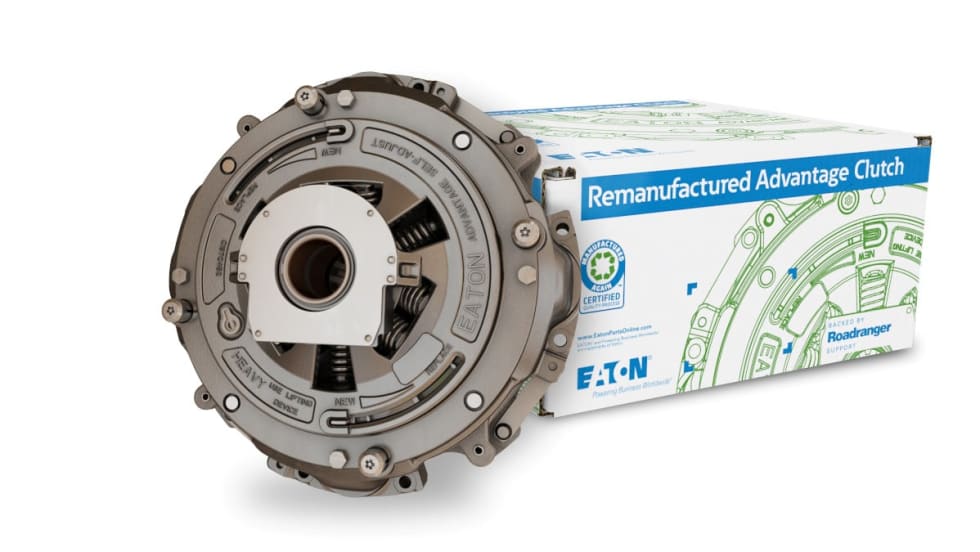
Eaton Adds Remanufactured Advantage Line of Clutches
Eaton has added its Advantage clutches to its remanufactured product line. The clutches feature a unique strap drive intermediate plate designed to allow customers to choose the latest OE specification
Read More →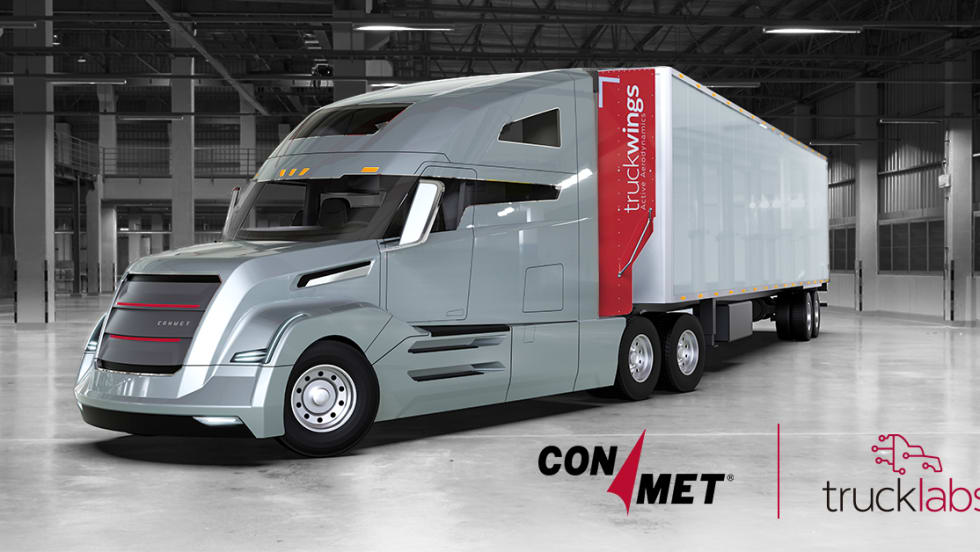
ConMet Acquires TruckLabs, the Creator of TruckWings
Commercial truck and trailer parts provider ConMet acquired TruckLabs, the company that created TruckWings, an aerodynamic device that attaches to truck cabs and deploys to close the gap between truck and trailer. TruckLabs now operates as a subsidiary of ConMet.
Read More →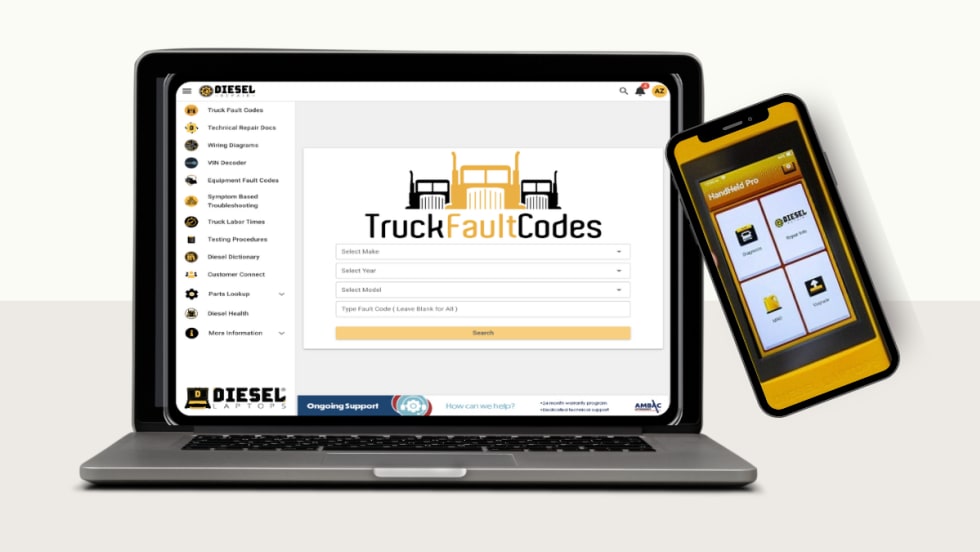
Diesel Laptops Releases Fault-Code-to-Part-Number Tool
Diesel Laptops said its Truck Fault Codes allows users to input a fault code and immediately identify and order the parts needed to complete repair work.
Read More →