




FMCSA Orders Small Carrier Shut Down Due to Safety Violations
The Federal Motor Carrier Safety Administration declared a small Aurora, Colorado-based trucking company to be an imminent hazard to public safety and ordered it immediately shut down on Feb. 12, according to a news release issued Wednesday.
The Federal Motor Carrier Safety Administration declared a small Aurora, Colorado-based trucking company to be an imminent hazard to public safety and ordered it immediately shut down on Feb. 12, according to a news release issued Wednesday.
A recent federal investigation revealed numerous widespread violations of critical safety regulations at Sorbon Transport Inc.
Earlier this month and without prior notice, FMCSA safety investigators launched an investigation of Sorbon Transport during which numerous serious violations of federal regulations were found, including the company failing to systematically inspect, repair, and maintain its commercial vehicles.
According to the agency Sorbon Transport also failed to provide vehicle inspection reports or evidence of a maintenance program for the company.
During a roadside inspection of one of the company’s vehicles in early February, eight separate out-of-service violations and six other maintenance-related violations were identified. Days later, a different company vehicle was subjected to a roadside inspection in which two out-of-service violations and 12 other maintenance-related violations were identified.
The carrier also failed to ensure that its drivers complied with hours-of-service regulations, including limitations on daily driving and maximum on-duty hours. FMCSA said Sorbon Transport could only provide limited driver duty records covering a single trip and that those records for that single trip reflected multiple hours-of-service violations.
Also, Sorbon Transport Failed to ensure drivers were qualified to operate a commercial motor vehicle, noting the fleet was unable to provide records related to controlled substances and alcohol testing requirements. It said the company identified five current drivers to investigators, but none went through pre-employment substance screening and only one was enrolled in a random drug and alcohol testing program.
In the out of service order, FMCSA said earlier this month when it began its investigation, the carrier initially denied officials access to company records and later only gave limited access. Shortly after, FMCSA says investigators were asked to leave Sorbon’s facility and refused to cooperate any further. The company also reportedly refused to allow investigators to inspect all of its nine trucks.
The FMCSA imminent hazard order directs Sorbon Transport to cease all commercial motor vehicle operations, including all interstate and intrastate transportation, from all dispatching locations or terminals. The agency also revoked the carrier’s federal operating authority and suspended its U.S. DOT number.
FMCSA outlined nine steps Sorbon Transport must take before it will be permitted to resume operations.
Violating an imminent hazard out-of-service order and operating without operating authority and a U.S. DOT number may result in civil penalties up to $60,000 as well as a criminal penalty, including a fine of up to $25,000 and imprisonment not to exceed one year.
More Safety & Compliance
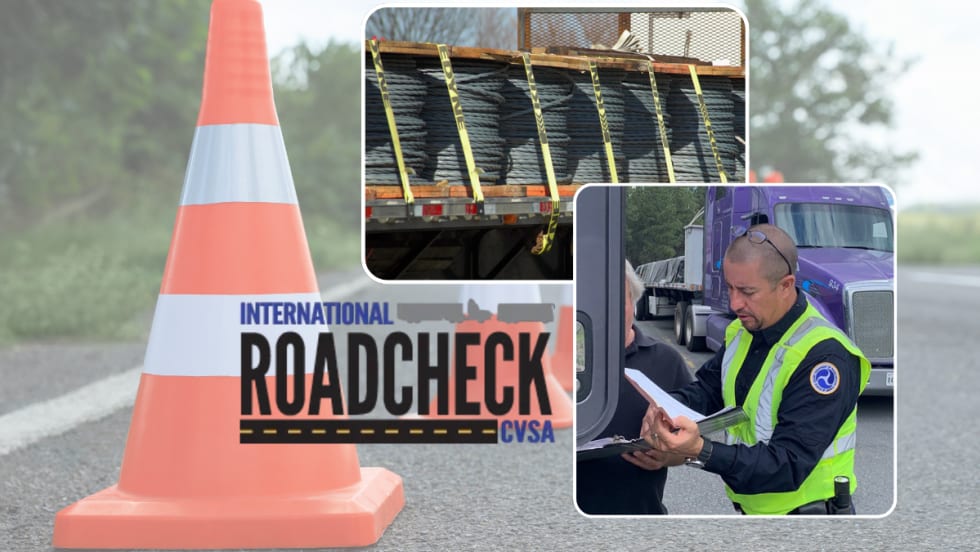
Medical Cards, English Proficiency Reshape Roadcheck Violations
Medical-card violations jumped to the top of the driver out-of-service list during CVSA’s 2026 International Roadcheck, while English-language proficiency violations appeared among the leading violations for the first time.
Read More →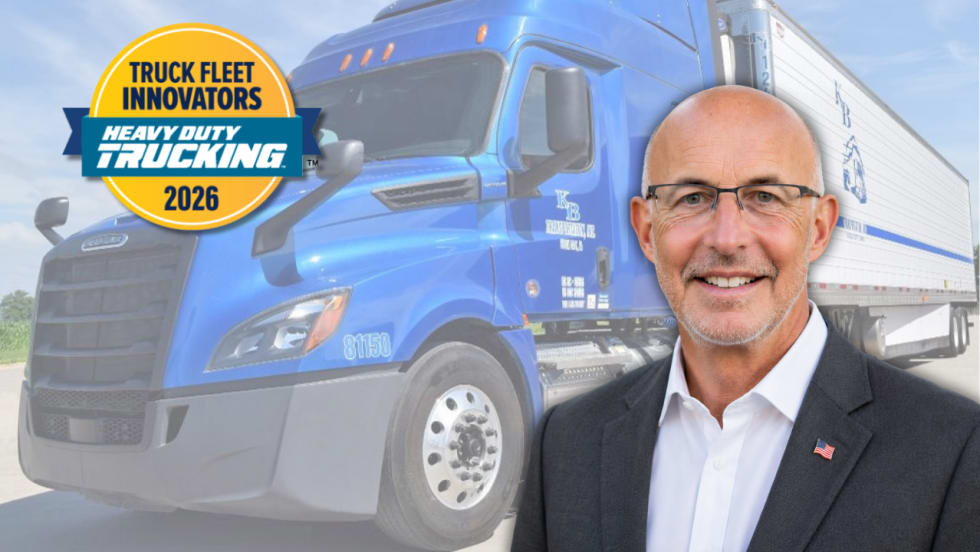
How Lance Evans Turns Enforcement Experience Into Better Fleet Safety
HDT Truck Fleet Innovator Lance Evans brings lessons from law enforcement to K&B Transportation’s approach to safety technology, data, driver coaching, and compliance.
Read More →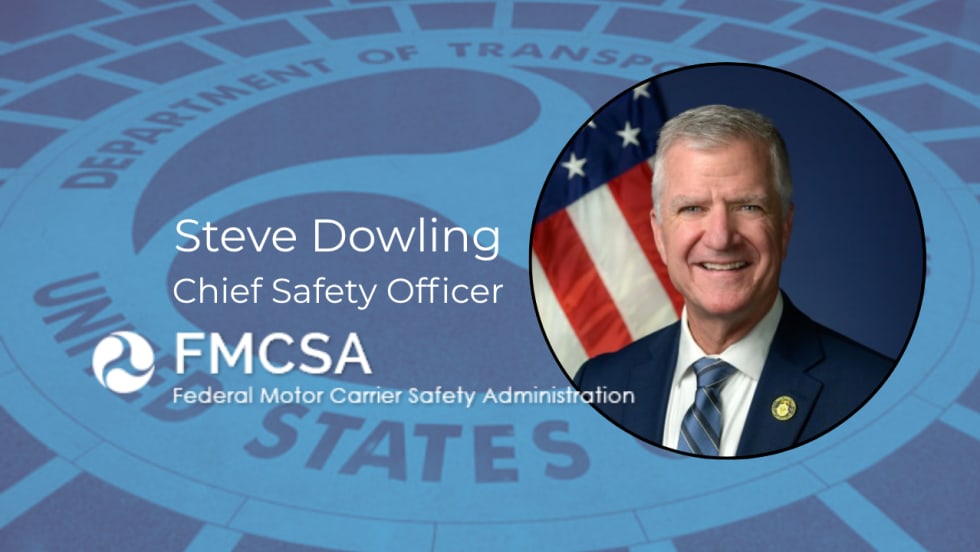
New FMCSA Chief Safety Officer Has Trucking Industry and Law Enforcement Experience
Steve Dowling joins FMCSA after serving as senior director of safety at Covenant Logistics and in leadership roles in commercial motor vehicle industry organizations.
Read More →
Driver Trust Can Make or Break the Success of Fleet Safety Technology
New Teletrac Navman research suggests that onboarding, transparency about driver data, and positive feedback can play a significant role in how commercial drivers respond to safety and coaching technology.
Read More →
FMCSA: Stop Using These 15 Electronic Logging Devices
Fleets and drivers must replace the revoked ELDs with ones on the FMCSA's registered device list of electronic logging devices.
Read More →
How HDT’s 2026 Truck Fleet Innovators Are Rethinking Fleet Operations
Meet five trucking leaders who are challenging assumptions, solving operational problems, and putting innovative ideas to work.
Read More →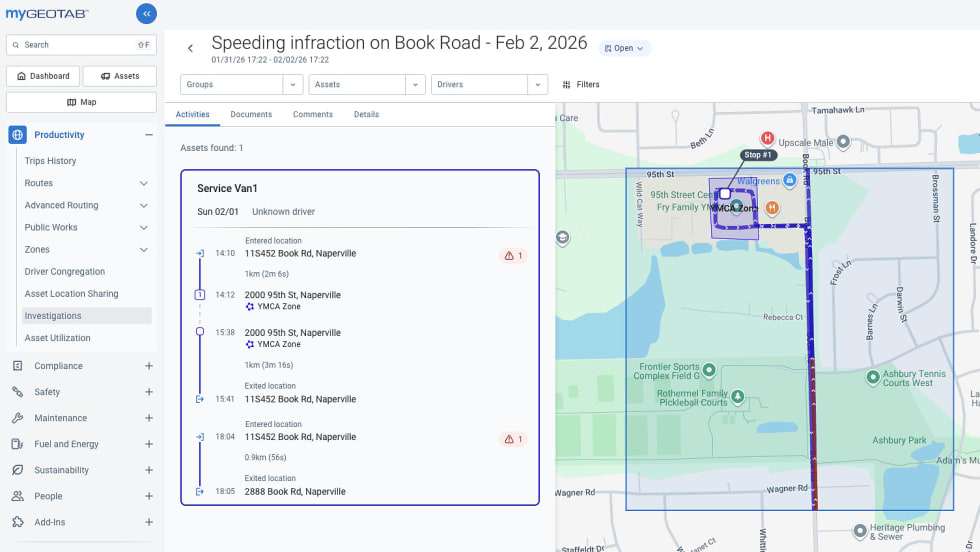
Geotab Launches Tool to Speed Fleet Incident Investigations
Geotab Investigations brings telematics data, video, photos, reports and other evidence into one case file to help fleets determine what happened and resolve incidents faster.
Read More →
FMCSA Moves to Codify English Language Requirements for Commercial Drivers
By changing regulations on English-language proficiency requirements for commercial drivers, rather than relying on a guidance memo, the FMCSA said future administrations won't be able to walk back the Trump administration's stricter enforcement with just a memo.
Read More →
Trump Administration Expands Homeland Security's Role in Trucking Enforcement
The administration's latest trucking crackdown goes beyond roadside inspections, expanding Homeland Security's role in commercial vehicle enforcement and investigations involving CDL training schools.
Read More →
Paccar Recalls 2027 Trucks Built This Summer for Possible Electrical Problem
The nearly 6,000 Kenworth and Peterbilt trucks in the recall could potentially lose engine power, among other things.
Read More →