




FMCSA Field-Testing Wireless Roadside Inspection System
Safety regulators envision a time when they can automatically collect the information they need about trucks, drivers and carriers as the truck goes about its business on the highway. That time may not be too far away. The Federal Motor Carrier Safety Administration is conducting a field test designed to prove that a national wireless roadside inspection system will work.


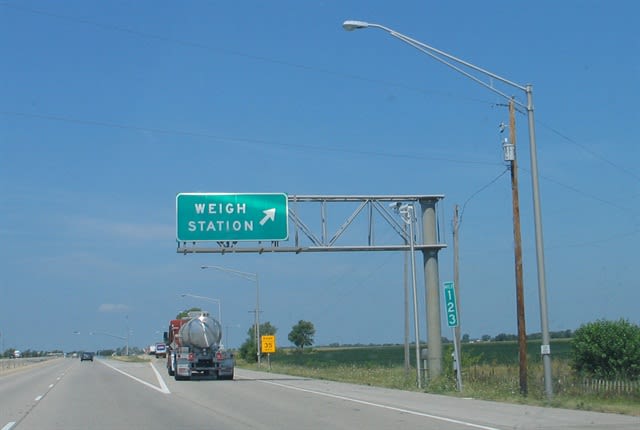
Safety regulators envision a time when they can automatically collect the information they need about trucks, drivers and carriers as the truck goes about its business on the highway.
That time may not be too far away. The Federal Motor Carrier Safety Administration is conducting a field test designed to prove that a national wireless roadside inspection system will work.
The goal is to use commercial mobile radio service technology to do inspections as the truck passes at speed, so compliant carriers don’t have to stop, according to Chris Flanigan, manager of the wireless roadside inspection program at FMCSA.
In the test, which is scheduled to be finished in 2017, the agency will study about 1,000 trucks on 2,400 miles of roads linking Kentucky, North Carolina, Georgia, Mississippi and Tennessee.
The agency, working with the Oak Ridge National Laboratory, is now choosing the radio services provider that will in turn solicit the 10 or so carriers to participate in the study.
This is the third phase of a 10-year effort to prove that the technology will work and figure out the details. The concept was successfully tested in 2007 and a pilot test using several trucks to iron out technology and communication issues was completed in 2011.
In a recent web presentation, Flanigan explained that the field test will use a wireless inspection processing system to shuttle data between the truck, the roadside facility, federal and state databases and the carrier.
“The (processing system) will have to do heavy lifting,” he said. “It will have to show that the system can manage the volume of data and provide a benefit to compliant carriers.”
The volume of data is significant. Flanigan described a 10-step sequence that will happen as a truck passes an inspection facility.
It starts with the processing system setting up areas on the road where the data transfers will be automatically triggered, called geofence locations. These locations are transmitted to an operations center, which forwards them to the commercial mobile radio service.
When the truck enters the fenced area, the system scoops up the pertinent information, including driver credentials, hours of service and truck information, and sends it back to the operations center.
The operations center adds other data, such as carrier information it has retrieved from federal and state databases, and sends this safety data message to the processing system.
The system evaluates all of this information and sends the results back to the operations center, which forwards a message to the driver telling him he may continue or must pull in for inspection. This information also is sent to roadside inspection officials, and to FMCSA’s Safety Measurement System, the central database of the agency’s CSA enforcement system.
The researchers have not yet decided what, specifically, the driver will see when he gets the message from the operations center, but it could be the equivalent of a stoplight. A red signal would mean there’s a problem so the driver must pull in. Yellow would indicate that the driver must pull in and follow the signs, perhaps because there’s not enough information. And green would mean there are no issues and the driver can keep going.
Flanigan said researchers expect that the data flowing through the system is likely to affect carriers’ CSA scores in two of the Behavior Analysis and Safety Improvement Categories: hours of service compliance and driver fitness.
More Safety & Compliance
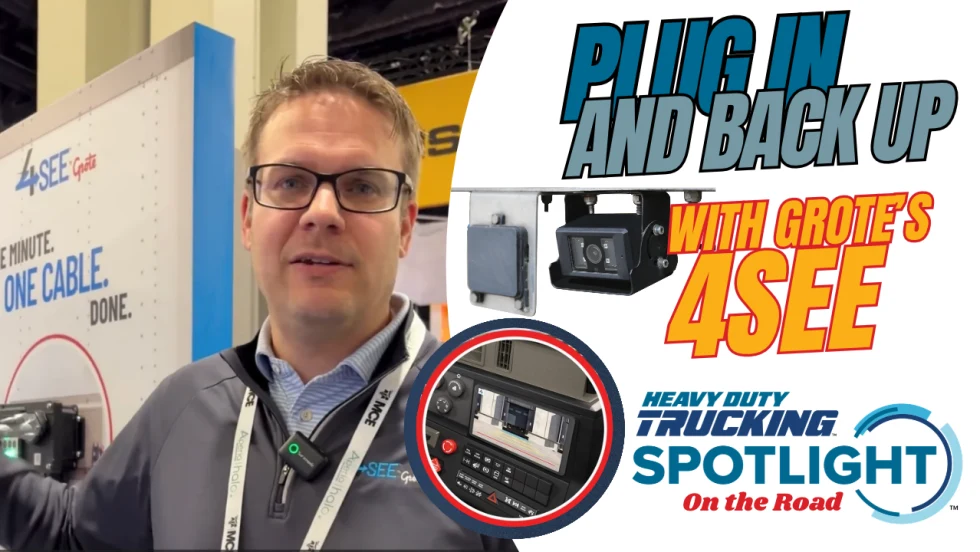
More Trailer Data Through the Same Seven-Way [Video]
Can trucking’s standard seven-way connector handle more cameras and trailer data? Grote’s Adam Slade shows HDT how the company is using new technology with its 4See trailer system, not only to add a new backup camera but also to expand other capabilities — without adding another connection.
Read More →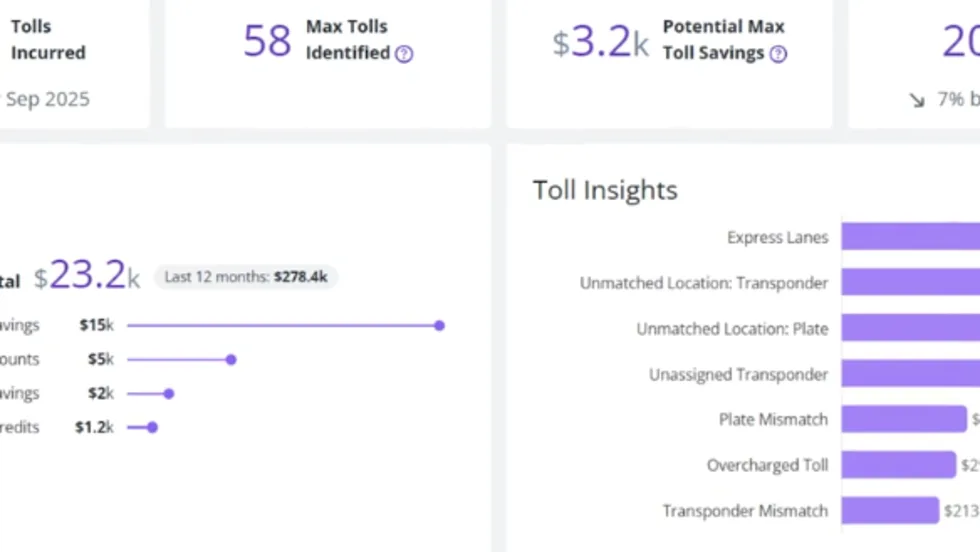
PrePass Intelligence Mines Fleet Bypass, Toll and Safety Data
PrePass Intelligence helps fleets measure bypass savings, flag potential toll overcharges, and spot suspicious transactions by combining data from separate systems.
Read More →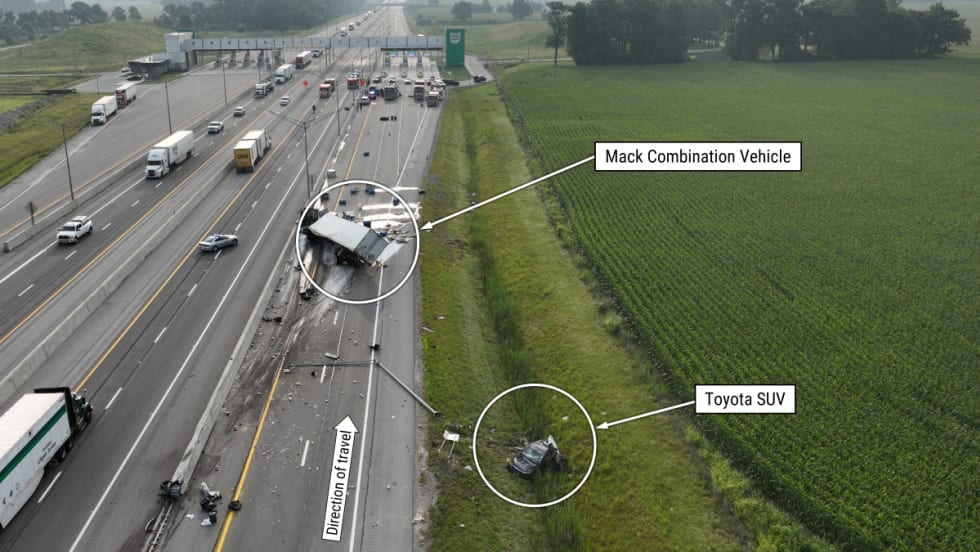
Fatal Crash Exposes Toll Plaza Risks
An NTSB investigation found that last-minute lane changes and large speed differences at an Ohio toll plaza created a hazard the truck driver couldn't avoid in time.
Read More →
When Language Stops the Truck: The Return of ELP Out-of-Service Orders
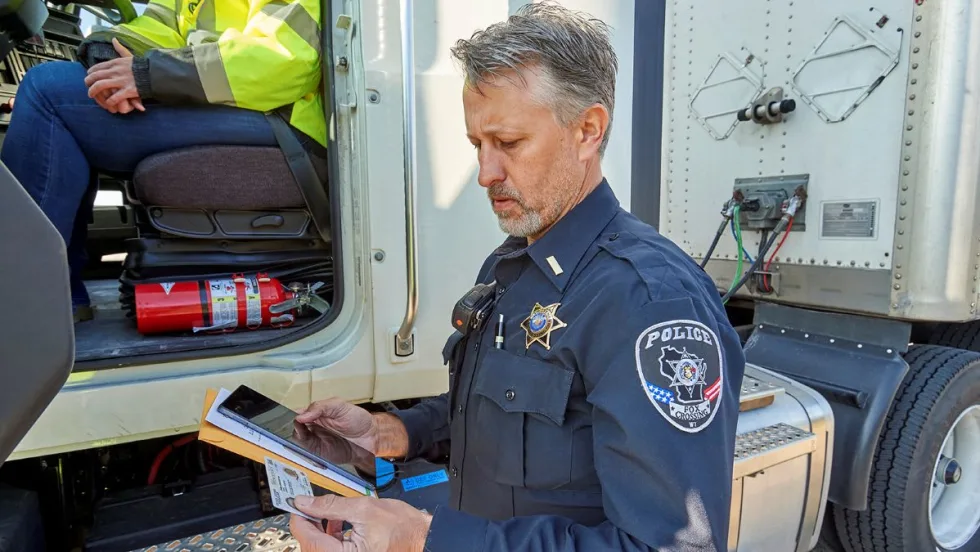
English language proficiency rules for commercial drivers aren’t new, but renewed out-of-service enforcement has raised the stakes. Here’s what carriers need to know before a driver reaches a roadside inspection.
Read More →
A Camera Isn't a Safety Program. Here's What Brokers Are Screening for Now
Footage alone may not be enough to pass broker vetting processes. Here's what counts as a defensible safety program now.
Read More →
Marijuana and Trucking’s Drug-Testing Dilemma
Marijuana is getting stronger, laws are changing, and drug tests still can’t reliably establish impairment. What does that mean for truck drivers and the fleets that employ them?
Read More →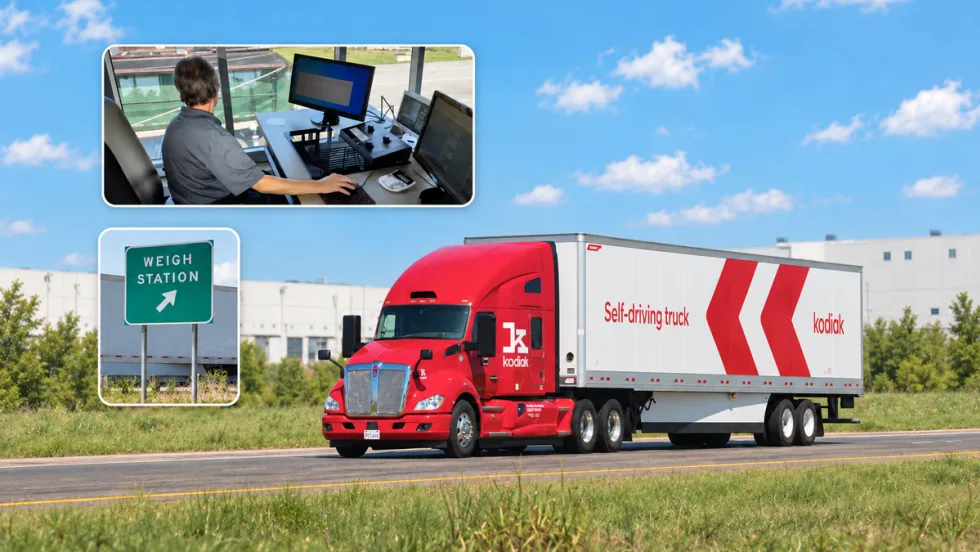
PrePass, Kodiak Connect Driverless Trucks to Roadside Enforcement
The system will allow enforcement agencies to verify Enhanced Inspection information and decide whether Kodiak’s autonomous trucks can bypass roadside screening sites.
Read More →
From One Generation to the Next: How Mentorship Builds Safer Truck Drivers
After three decades in trucking, Harold Perry shares what he's learned about driver safety, mentorship, and helping the next generation build confidence behind the wheel.
Read More →
FMCSA Pauses Biennial-Update Enforcement Amid Motus Transition
Carriers whose updates were due on or after June 1 have more time, while FMCSA works to stabilize its new registration system and warns of phishing sites impersonating its new carrier registration system, Motus.
Read More →
ZF Expands Commercial Vehicle Push in North America
ZF is expanding its North American commercial-vehicle presence with new transmission applications, electrification, trailer technology and autonomous-driving systems.
Read More →