




Fleet Gets 14 MPG Hybrid Hino Truck
To reduce its carbon footprint and fuel expenses, this plumbing, heating and air company has started to integrate the hybrid Hino cab-over into its service truck fleet.

Anderson Plumbing, Heating & Air has added this diesel-electric hybrid Hino to its truck fleet.

For Mary Jean Anderson, it is important to maintain an environmentally friendly mentality in all aspects of her company, including fleet vehicles. Known as San Diego’s first certified green plumber, Anderson Plumbing, Heating & Air has turned to a greener large truck option — the diesel-electric hybrid Hino COE (cab-over engine).
“We have been waiting a long time for a viable option for a hybrid that is designed to accommodate all of the equipment we take out to the field every day,” says Anderson, who took over the family-owned business in 2004.
With 68 vehicles and growing, Anderson has been serving San Diego County since 1978. Specializing in plumbing installation and repairs for both residential and commercial, the company expanded to include heating and air conditioning services in 2006.
The type of vehicle depends on the type of service: plumbing services use Isuzu diesel NPR trucks, while air conditioning and heating technicians drive Chevrolet Express cargo vans.
“Our carbon footprint is an issue,” says Anderson. “We serve homeowners from North County to South Bay and from the beaches to East County, so it is really important to us to be as efficient and responsible as possible from an environmental standpoint.”
A Warehouse on Wheels
Currently, the Isuzu NPR trucks make up two-thirds of the fleet. Anderson has one Class 5 Hino 195h diesel-electric hybrid, with two more on the way.
With less than a year under its belt, the Hino has already reduced fuel costs for the company. According to Anderson, the company averages a remarkable 14 miles per gallon with the hybrid Hino versus 8 miles per gallon with the Isuzu trucks. Carrying a heavy payload to four appointments daily means fuel expenses can add up quickly for the plumbing service trucks.
“Each of our service vehicles is a plumbing parts warehouse on wheels,” says Anderson. “We carry two water heaters, six different faucets, sinks and a variety of plumbing repair parts — all of which weigh at least a ton.”
Because the hybrid Hinos cost about $58,000 apiece, the company plans to switch out the Isuzus as they reach retirement age.
In addition, the company has also changed the vehicles for its sales team. Opting for a vehicle with better fuel economy, Anderson recently replaced the company’s Ford Ranger trucks with Ford Transit Connect vans with V-6 Ecoboost engines.
Each plumbing service truck contains a 12.5-foot aluminum box on an Isuzu body with a rollup door and step-in where the water heaters and various repair parts are stored. The boxes can be transferred from the Isuzus to the new Hinos, says Anderson.
Hackney Service Vehicles installs the box and shelving on Anderson’s trucks. Hackney completes the upfits on the Isuzus and Hinos at its manufacturing facility in Kansas.
More Fuel Smarts
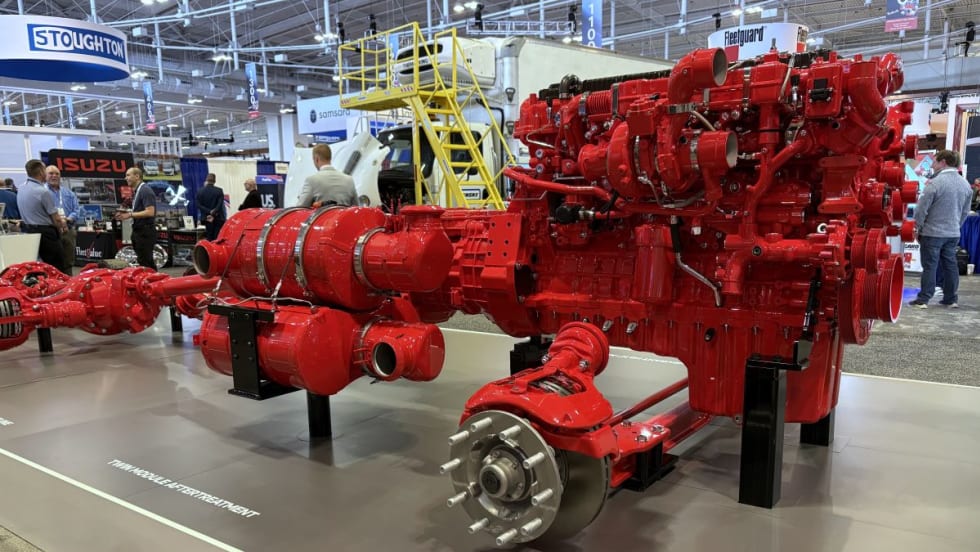
Cummins Adjusts 2027 Engine Rollout After EPA Proposal
The engine maker will gradually introduce its new Model Year 2027 diesel engines while continuing to offer current models during the transition, citing the EPA's proposed emissions rule changes.
Read More →
EPA Proposal Could Ease 2027 Truck Costs and Buying Uncertainty
The proposal doesn't change the tougher NOx standard, but it would revise key implementation requirements that manufacturers say have driven up costs and complicated fleet purchasing decisions.
Read More →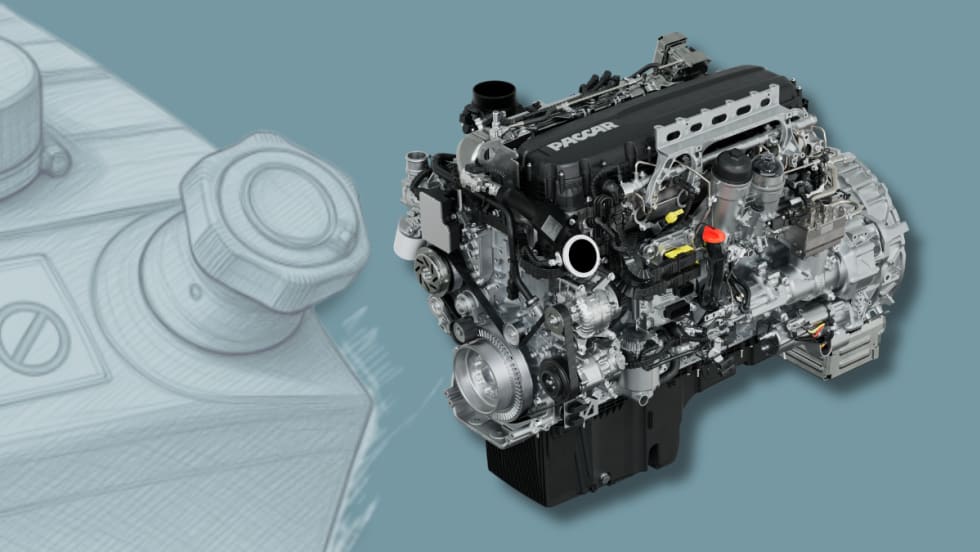
Cummins, Paccar Ease DEF Derates After EPA Guidance
Updated diesel engine software gives truck operators more time to address emissions-system issues while staying compliant with EPA emissions standards.
Read More →
Maintenance in the Messy Middle Part 3: Biodiesel
Biodiesel can reduce emissions, improve fuel-system lubricity and use existing diesel infrastructure. But NACFE’s Messy Middle maintenance report says fleets must actively manage storage, cold-weather operation, filters and oil drain intervals to avoid problems.
Read More →
Enhance Fleet Performance with High-Efficiency Auxiliary Power Units
Drive sustainable cost savings while increasing driver comfort during short- and long-haul logistics operations.
Read More →
Maintenance in the ‘Messy Middle’ Part 2: Renewable Diesel Fuel
NACFE's latest Messy Middle Powertrain Service & Maintenance report says renewable diesel gives fleets an opportunity to reduce carbon emissions without changing trucks, fueling infrastructure or maintenance practices. But technicians still need to understand several important operational differences.
Read More →
The Diesel Engine Enters NACFE’s ‘Messy Middle’
NACFE’s new Messy Middle Powertrain Service & Maintenance report says keeping modern diesel engines running now depends as much on software, diagnostics and data as traditional mechanical service.
Read More →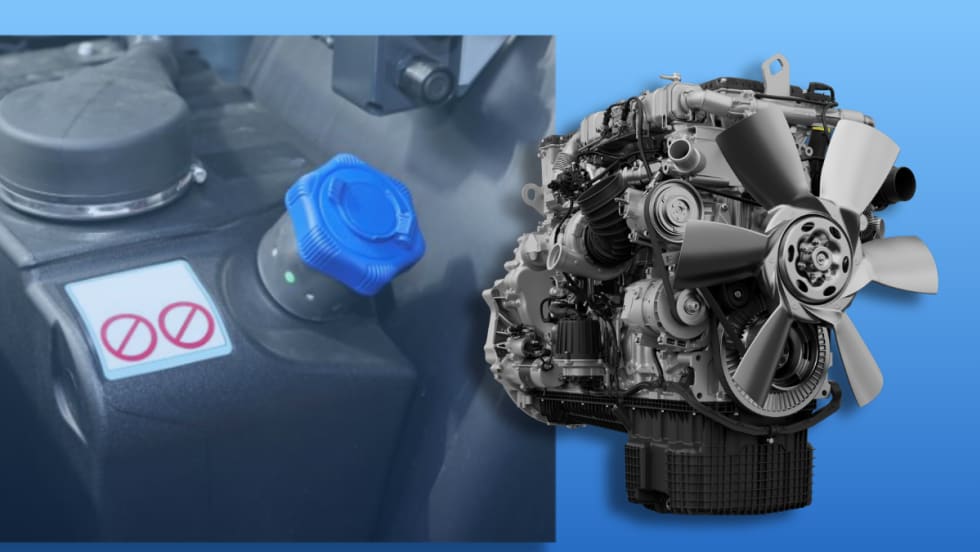
DTNA Software Update Gives Truckers More Time Before DEF Derates Take Effect
The changes reflect EPA guidance aimed at reducing downtime caused by emissions-system faults while maintaining compliance requirements.
Read More →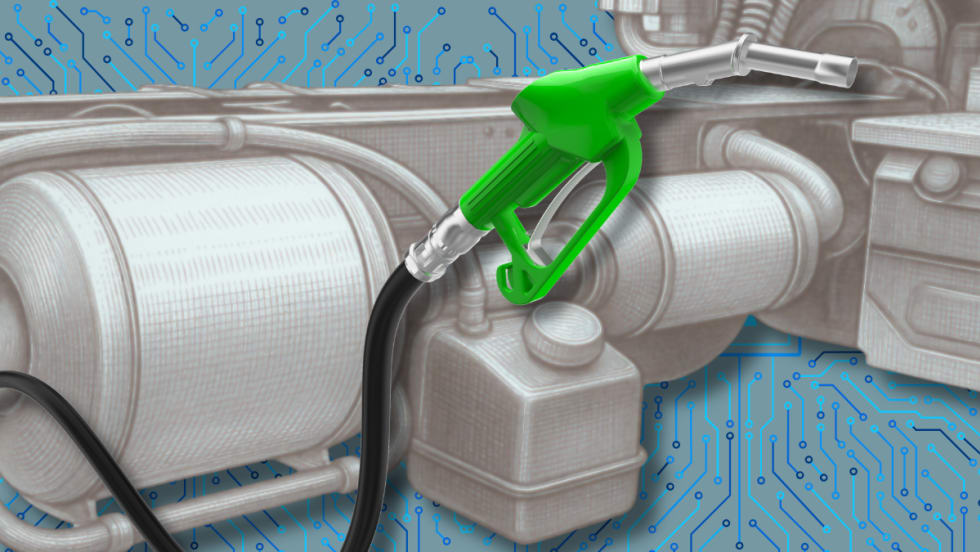
New Agentic Predictive Maintenance Report Demonstrates How Degraded Aftertreatment Systems Waste Fuel
Questar analyzed a large mixed-class fleet and discovered it was wasting as much as $30 in fuel per vehicle, per day, because of mechanically degraded aftertreatment systems.
Read More →
New York City's Microhub Project is Delivering Results
Trucking, last-mile delivery companies, and environmental advocates like what they are seeing so far with New York's microhub program.
Read More →