




Findings on Pollution Damage To Human Airways Could Yield New Therapies
Researchers from Duke University Medical Center have identified how nanoparticles from diesel exhaust affect lung airway cells, a finding that could lead to new therapies for people susceptible to airway diseases
Researchers from Duke University Medical Center have identified how nanoparticles from diesel exhaust affect lung airway cells, a finding that could lead to new therapies for people susceptible to airway diseases.
The scientists also discovered that the severity of the injury depends on the genetic make-up of the affected individual.
"We gained insight into why some people can remain relatively healthy in polluted areas and why others don't," said lead author Wolfgang Liedtke, M.D., Ph.D., assistant professor in the Duke Department of Medicine and an attending physician in the Duke Clinics for Pain and Palliative Care.
The work was published on-line in the journal Environmental Health Perspectives on Jan. 18.
Diesel exhaust particles consist of a carbon core coated with organic chemicals and metals. The Duke team showed that the particle core delivers these organic chemicals onto brush-like surfaces called cilia, which clear mucus away from the airway lining.
Contact with these chemicals then triggers a "signaling cascade," as the cells respond. The severity of the response varies with the genetic make up of an individual.
About 75 percent of people have the version of the gene MMP-1 that leads to greater production of the molecule MMP-1 mediator, which destroys lung tissue. This genetic make-up allows for a turbo-charged production of MMP-1, which damages airways and lungs at multiple levels, Liedtke said.
A more fortunate 25 percent of people escape this high level of production of MMP-1, which may be reflected in the fact that certain individuals can better manage the effects of air pollution without grave airway damage.
The injurious molecule MMP-1 is known to enhance the development of certain devastating lung diseases. The devastating, tissue-destructive actions of MMP-1 can also lead to lung emphysema, which is chronic reduction of the lung surface dedicated to gaseous exchange, and to the spread of lung cancer cells, through migration of these cells from lung tissue that has become cancerous.
The new study also provides a direction for developing therapeutics for those who are genetically more susceptible to air pollution and airway damage, Liedtke said. "If we can find a way to stop the hyperactivation of MMP-1 in response to diesel-engine exhaust particles and reduce it to levels that the airways can manage, then we will be helping a large number of people worldwide. It is attractive to envision inhaled TRPV4 inhibitor drugs, rather than swallowing a pill or taking an injection. I envision this as rather similar to inhaled drugs for allergic airway disease that are currently available."
More Aftermarket
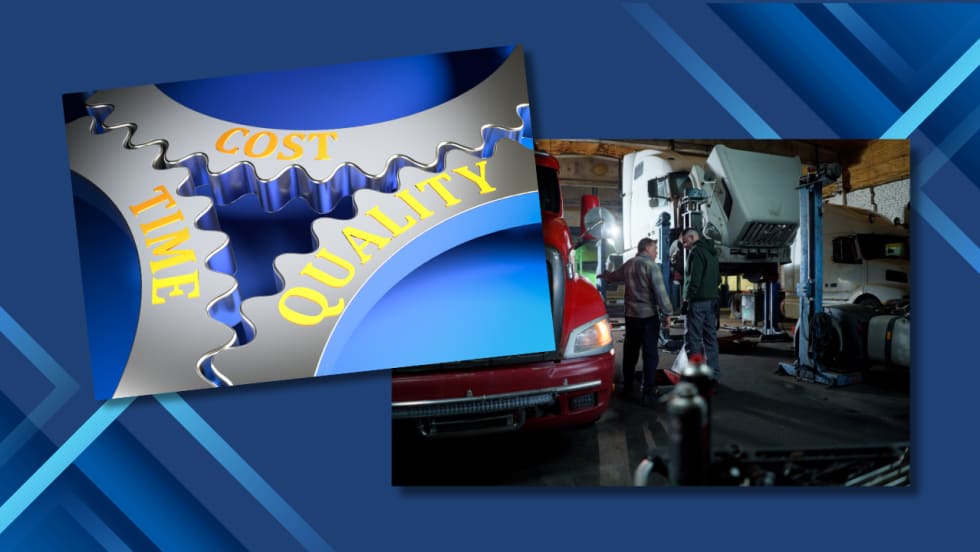
What Three Fleets Are Doing Differently When Buying Truck Parts in 2026
With freight improving but costs still climbing, fleet maintenance executives explain how they're balancing price, quality, and supplier relationships.
Read More →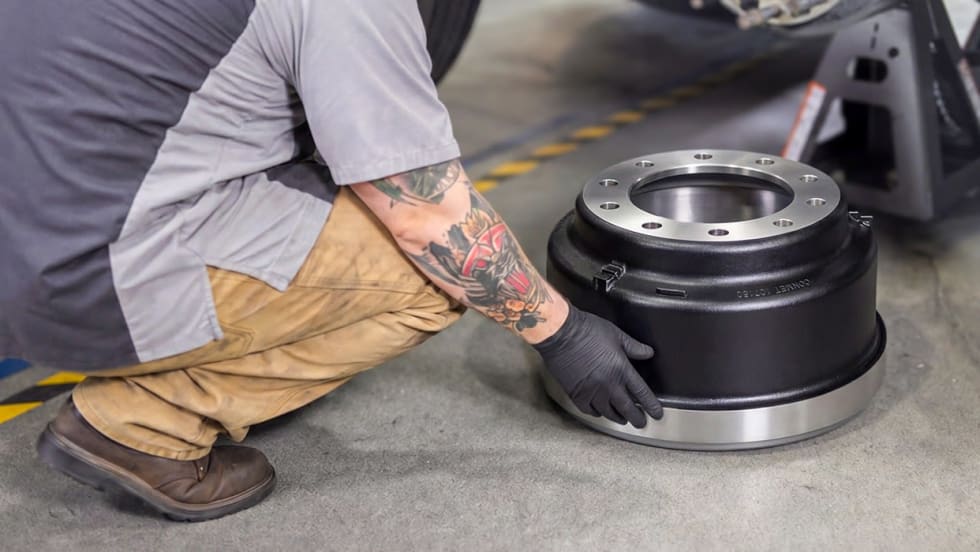
ConMet Expands Aftermarket Brake Drum Lineup With TruCast
A new heavy-duty truck brake drum option in the aftermarket gives customers more flexibility within the ConMet product family.
Read More →
Phillips Opens High-Tech Distribution Center for Faster Parts Delivery
Phillips Industries’ new Cincinnati-area distribution center is now shipping aftermarket trucking parts nationwide, aiming to speed up delivery times for customers.
Read More →
Volvo to Sponsor America’s Road Team for 2025
Volvo Trucks announced that it is extending its exclusive sponsorship of America’s Road Team for 2025.
Read More →
Webb to Start Taking Orders for UltraSet Pre-Adjusted Wheel Hubs
Webb, which recently acquired the Stemco Trifecta pre-adjusted hub program, will soon start taking orders for its replacement pre-assembled hub, the UltraSet.
Read More →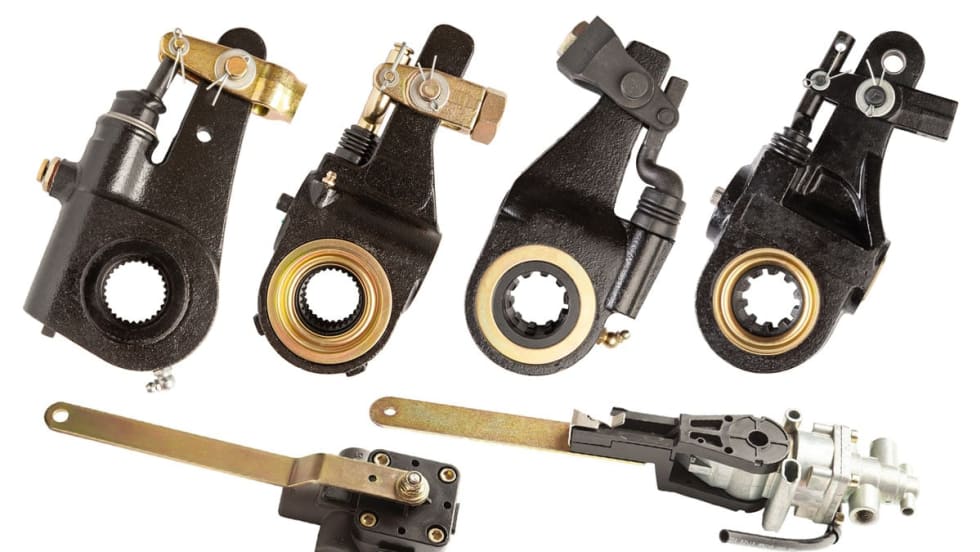
All-Makes Automatic Brake Adjusters, Ride Height Control Valves from Midland
SAF-Holland has added automatic brake adjusters and ride height control valves to its Midland All-Makes Program.
Read More →
ZF Aftermarket Expands [pro]Academy Training
ZF Aftermarket said it is expanding its ZF [pro]Academy training and will be adding 40 new modules this year.
Read More →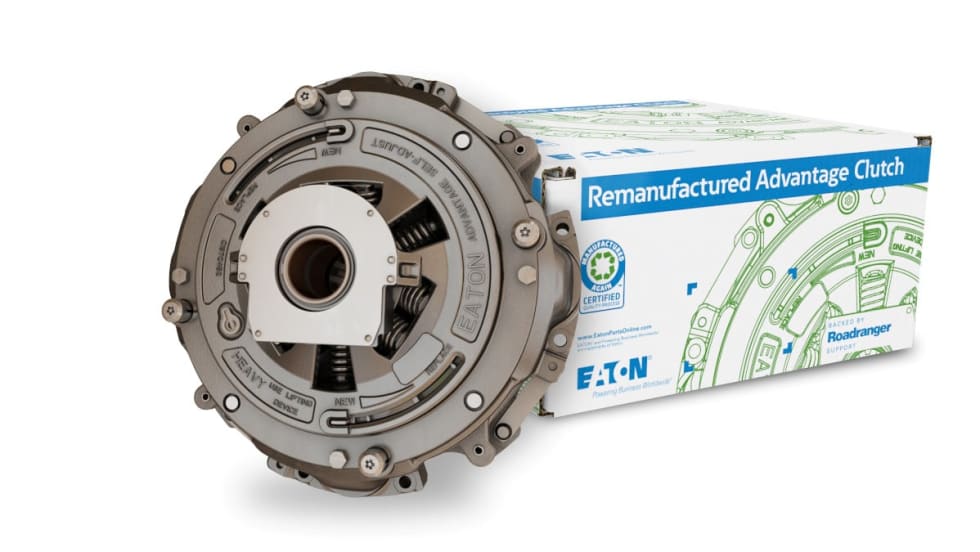
Eaton Adds Remanufactured Advantage Line of Clutches
Eaton has added its Advantage clutches to its remanufactured product line. The clutches feature a unique strap drive intermediate plate designed to allow customers to choose the latest OE specification
Read More →
ConMet Acquires TruckLabs, the Creator of TruckWings
Commercial truck and trailer parts provider ConMet acquired TruckLabs, the company that created TruckWings, an aerodynamic device that attaches to truck cabs and deploys to close the gap between truck and trailer. TruckLabs now operates as a subsidiary of ConMet.
Read More →
Diesel Laptops Releases Fault-Code-to-Part-Number Tool
Diesel Laptops said its Truck Fault Codes allows users to input a fault code and immediately identify and order the parts needed to complete repair work.
Read More →