


Related: UPS Anticipates 4 Million Returns After Holidays
Related: FedEx Increases Quarterly Profit 23%
 MENU
MENU SEARCH
FedEx acquired third party logistics company Genco, expanding the company’s portfolio to include reverse logistics which deals with the processing of returns for retailers.
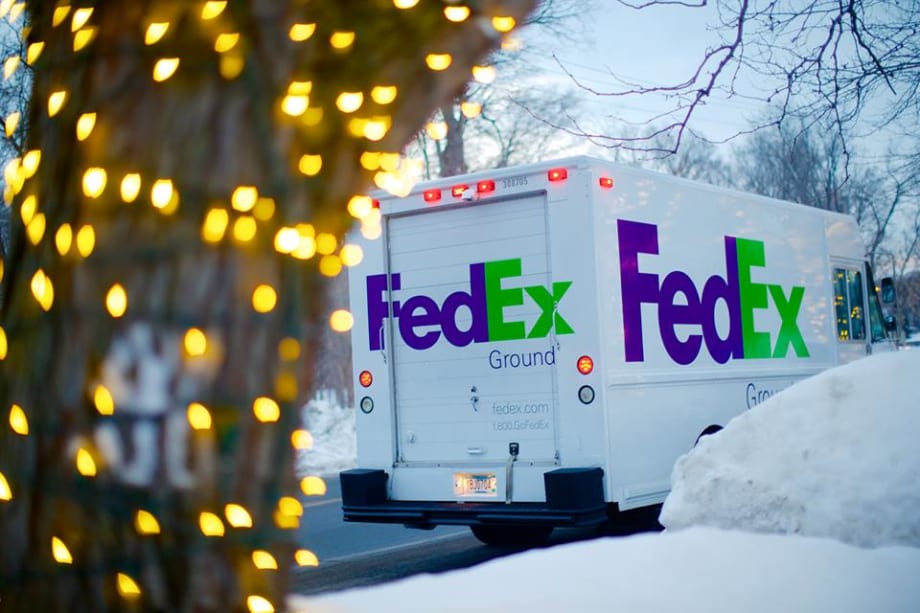
Photo by FedEx.
Photo by FedEx.
FedEx acquired third-party logistics company Genco, expanding the company’s portfolio to include reverse logistics which deals with the processing of returns for retailers.
Genco specializes in reverse logistics, processing more than 600 million returned items annually. The acquisition is set to be completed in 2015.
In a recent quarterly earnings call, FedEx Services president and CEO Mike Glenn called Genco a market leader that would be transformative for FedEx’s portfolio of e-commerce and supply chain solutions.
“Genco is one of the largest third-party logistics providers in North America,” said Glenn. “They have a broad range of product lifecycle and supply chain services that will significantly expand our portfolio.”
Genco’s reverse logistics business serves large brands by processing, testing, repairing, remarketing and liquidating returns, mostly from purchases made online. FedEx was initially hesitant to enter the 3PL business because of relatively low profit margins but became interested in Genco because the company focused on returns which is important to online consumers.
“The attractive part of Genco was that it had sailed directly with those winds into the market leadership in the reverse logistics space,” said Fred Smith, chairman and CEO of FedEx. “With FedEx Ground and FedEx Smart Post in that sector, it was just a natural fit.”
In a recent release, UPS announced that it was expecting returns from the holiday season to number in the millions by the first week of January. Part of the reason for this is that returned purchases are on the rise thanks to online purchasing. UPS even found that 68% of consumers would complete an online purchase if the retailer offered a free return shipping label.
“Returns in the e-commerce segment are a more important issue than they are in a typical retail channel, representing a larger percentage of overall sales,” said Glenn. “It’s critical that we have these capabilities.”

For fleet managers and collision repair professionals keeping heavy-duty trucks on the road, getting the color right the first time isn't just about appearance — it's about efficiency, turnaround time, and bottom-line results. Discover how today's digital color tools are transforming the repair process from guesswork to precision.
Read More →
Carriers whose updates were due on or after June 1 have more time, while FMCSA works to stabilize its new registration system and warns of phishing sites impersonating its new carrier registration system, Motus.
Read More →
Cargo theft is no longer just the cost of doing business. It's a multi-billion-dollar criminal enterprise exploiting vulnerabilities across your fleet, drivers, and supply chain.
Read More →
Explore how telematics help refrigerated fleets improve visibility, uptime, efficiency, compliance, and cargo protection across connected cold chain operations.
Read More →
Escalating U.S.-Canada tariffs could disrupt cross-border freight, reduce truck volumes, raise costs, and create new uncertainty for carriers on both sides of the border.
Read More →
The American Transportation Research Institute wants to know what's worrying trucking fleet managers, drivers, and other stakeholders in its annual Industry Issues survey.
Read More →
ATA President and CEO Chris Spear abruptly left his job at the association on August 21, at a pivotal time for the trucking industry.
Read More →
Public Wi-Fi can expose truck drivers and fleets to credential theft, malware, and other cyber threats. Here’s how to reduce the risk on the road.
Read More →
HDT Truck Fleet Innovator Nicky Cupp turns everyday pain points at Fraley & Schilling into opportunities for better technology and smarter processes.
Read More →
HDT Truck Fleet Innovator Adam Buttgenbach helped PepsiCo build one of North America’s largest EV fleets by focusing on where electric trucks make operational sense.
Read More →
