




Expedited Freight Down With Autos, But It's Still Got Life
The expedited freight industry was seriously hurt by the slump in automobile sales since 2007, then the recent bankruptcy and shutdown at two of the Big Three auto makers this spring, but there are many other "emergency" cargoes moving. Meanwhile, rates are half what they were, but still better than truckload freight
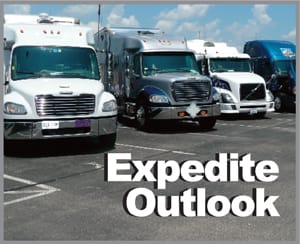
The expedited freight industry was seriously hurt by the slump in automobile sales since 2007, then the recent bankruptcy and shutdown at two of the Big Three auto makers this spring, but there are many other "emergency" cargoes moving. Meanwhile, rates are half what they were, but still better than truckload freight.
Those are among the points made by Stuart Sutton, who heads GPSNet Technologies, which tracks truck searches and freight movements throughout North America. He was one of the speakers at the ninth annual Expedited Expo, July 24-25 in Wilmington, Ohio. He noted signs of economic recovery, including the rise in the Dow-Jones Industrials stock index that usually parallels freight shipments.
Haulers of expedited freight support just-in-time deliveries which replaced warehousing of materials by auto manufacturers and others in the 1980s and '90s, he explained. Shipments can be emergencies because goods are needed to keep assembly lines running. Many shipments are small, which is why many expedited freight vehicles are straight trucks -- but others are of truckload size and are carried by tractor-trailers.
About 15,000 expedited freight trucks are now running, because in spite of the recession, much manufacturing and commerce continues, and a "myriad of freight" is moving, said John Mueller, safety director at Premium Transportation Logistics, an expedited freight operator. Most of the carrier's business is Midwest regional, in Ohio, Indiana and Michigan, with routes to and from the Carolinas, he said. Medical supplies and printed materials are examples of goods being hauled by trucks leased to his company.
The slow economy and slumps in auto and truck building directly affect the expedited freight business, and so has the current downturn. However, the fall in freight in 2009 was not as steep as in '08 and '07 because auto parts had lost some of their significance in the mix of freight hauled, Sutton said.
A strike at American Axle in spring of 2008 caused a bigger drop in expedited freight shipments, because that supplier fed 15 General Motors plants. Recovery came when the strike was settled around Memorial Day, then business sputtered after the normal production shutdowns in summer and for Labor Day.
The recession began in 2007 when auto manufacturing capacity became greater than customer demand, a situation Sutton partly attributed to the fact that there are 103 cars for every 100 Americans. About 20 million cars and light trucks are produced and imported each year and only 11 million are scrapped. In that climate, a manufacturing downturn is inevitable, and the mortgage crisis exacerbated it. Now the government is responding by saying, "'If you're not going to spend money, we'll spend it for you,'" he observed.
Rates for expedited freight were famously high years ago, in some cases above $3 per mile, though they were and are offset by fewer miles run and sometimes long waiting times between loads. In recent years, more expedited freight trucks have been competing for freight, and rates peaked at $2.10 per mile just after Hurricane Katrina in October '05, when many goods were needed to help victims recover. Now they've fallen under $1.30 and sometimes to $1.10 a mile. That's still better than regular truckload freight, for which owner-operators get in the 90-cent range, Sutton said.
Trucking companies looking for ways to ride out the recession have cut costs and found new operating efficiencies, including automation of clerical duties through computers, Sutton said. Some companies want to expand now by taking advantage of low sell-out costs by firms in trouble. But acquisitions and mergers can take up to 18 months to take effect, and they often don't work well because of a collision of operating methods, attitudes and egos among employees and principals, he said.
Instead, Sutton encourages his clients to consider "alliances" with other companies that avoid the problems and bring many of the same operating and revenue benefits. Those who work through GPSNet (www.gpsnettech.com) ally themselves with many other companies by sharing loads and leveraging their own operations, he said. If an alliance becomes unsatisfactory for a company, it can be ended quickly and simply.
When will a Grand Recovery wash away the Great Recession? The Bank of Canada, the equivalent of the U.S. Federal Reserve, thinks the recession will end by late September, said Sutton, himself a Canadian. Recovery will take longer in the much larger and more complex American economy. But he sees moderate growth and inflation in 2010.
More Aftermarket
What Three Fleets Are Doing Differently When Buying Truck Parts in 2026
With freight improving but costs still climbing, fleet maintenance executives explain how they're balancing price, quality, and supplier relationships.
Read More →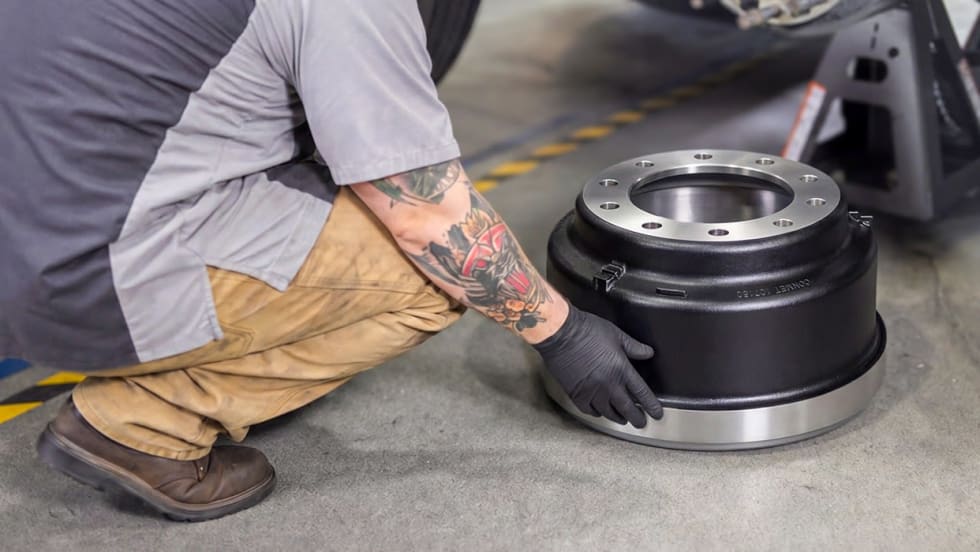
ConMet Expands Aftermarket Brake Drum Lineup With TruCast
A new heavy-duty truck brake drum option in the aftermarket gives customers more flexibility within the ConMet product family.
Read More →
Phillips Opens High-Tech Distribution Center for Faster Parts Delivery
Phillips Industries’ new Cincinnati-area distribution center is now shipping aftermarket trucking parts nationwide, aiming to speed up delivery times for customers.
Read More →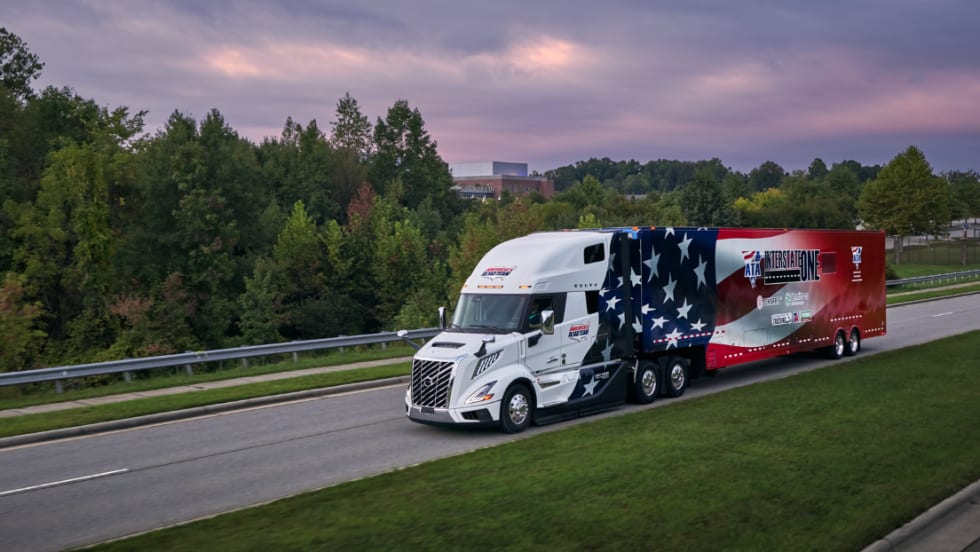
Volvo to Sponsor America’s Road Team for 2025
Volvo Trucks announced that it is extending its exclusive sponsorship of America’s Road Team for 2025.
Read More →
Webb to Start Taking Orders for UltraSet Pre-Adjusted Wheel Hubs
Webb, which recently acquired the Stemco Trifecta pre-adjusted hub program, will soon start taking orders for its replacement pre-assembled hub, the UltraSet.
Read More →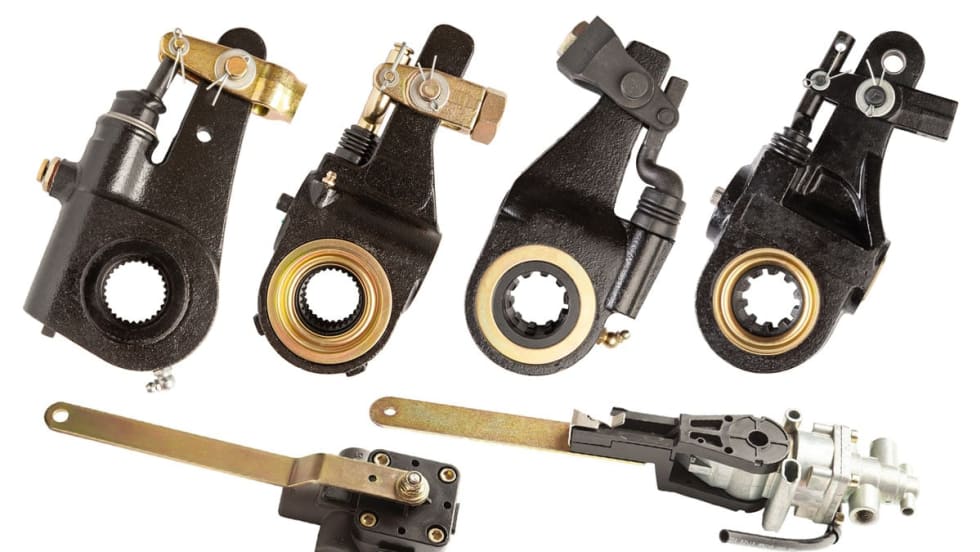
All-Makes Automatic Brake Adjusters, Ride Height Control Valves from Midland
SAF-Holland has added automatic brake adjusters and ride height control valves to its Midland All-Makes Program.
Read More →
ZF Aftermarket Expands [pro]Academy Training
ZF Aftermarket said it is expanding its ZF [pro]Academy training and will be adding 40 new modules this year.
Read More →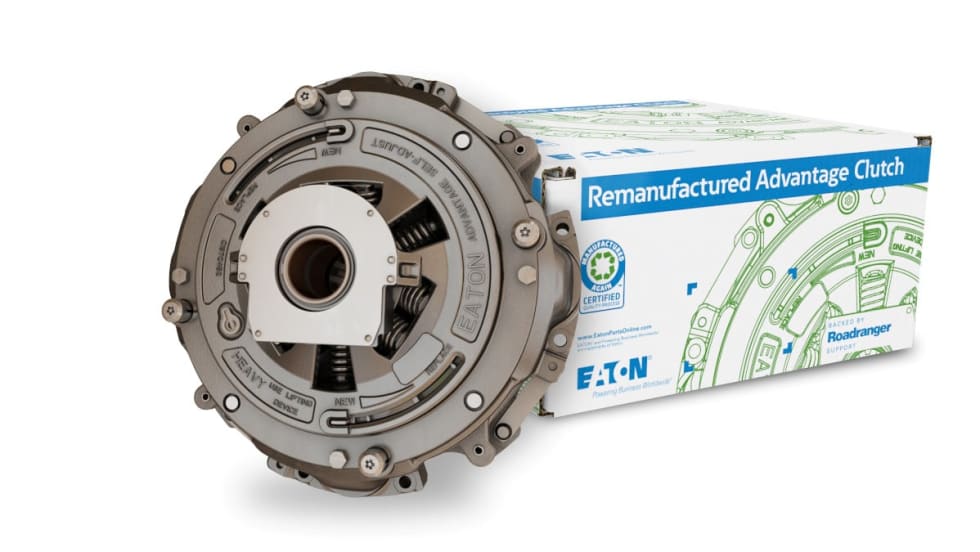
Eaton Adds Remanufactured Advantage Line of Clutches
Eaton has added its Advantage clutches to its remanufactured product line. The clutches feature a unique strap drive intermediate plate designed to allow customers to choose the latest OE specification
Read More →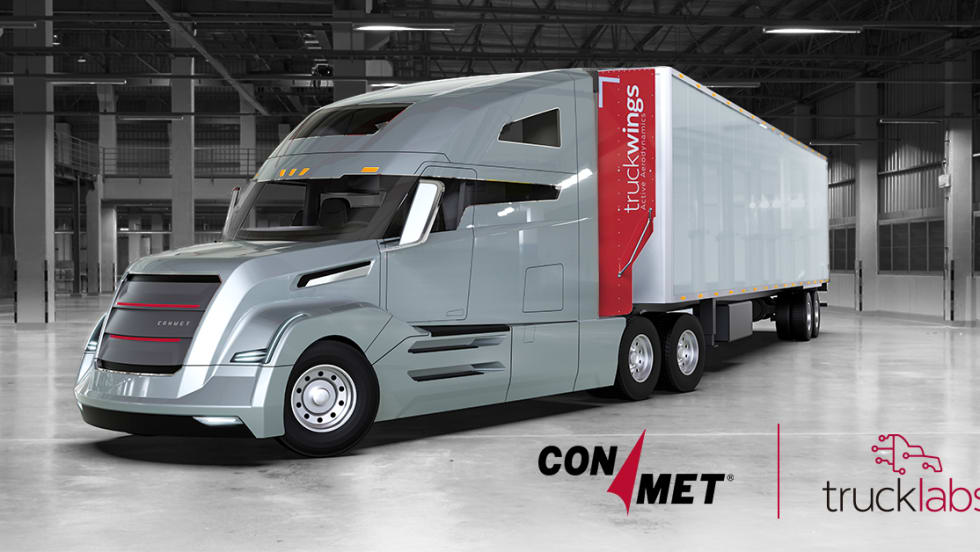
ConMet Acquires TruckLabs, the Creator of TruckWings
Commercial truck and trailer parts provider ConMet acquired TruckLabs, the company that created TruckWings, an aerodynamic device that attaches to truck cabs and deploys to close the gap between truck and trailer. TruckLabs now operates as a subsidiary of ConMet.
Read More →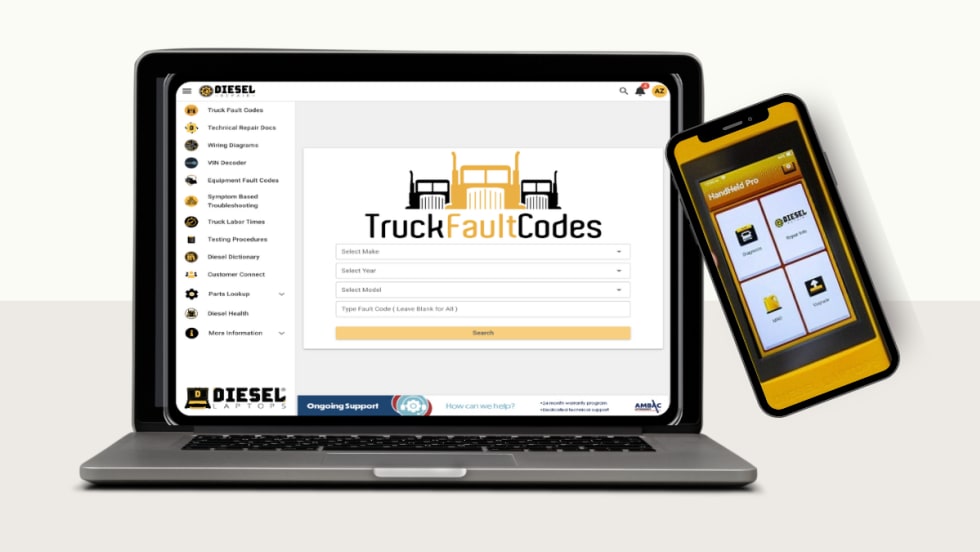
Diesel Laptops Releases Fault-Code-to-Part-Number Tool
Diesel Laptops said its Truck Fault Codes allows users to input a fault code and immediately identify and order the parts needed to complete repair work.
Read More →