




Eroad Tapped for Major Mileage-Based User Fee Pilot
Eroad has been selected to take part in the first multi-state truck pilot to explore the feasibility of instituting a Mileage-Based User Fee along I-95, the East Coast's main north-south Interstate highway.

Photo: I95Coalition.org

Photo: I95Coalition.org
Eroad, a global provider of fleet-management technology, has been selected to take part in the first multi-state truck pilot to explore the feasibility of instituting a Mileage-Based User Fee along I-95, the East Coast's main north-south Interstate highway, running from the Canadian border in northern Maine through Miami in South Florida.
The I-95 Corridor Coalition truck pilot, slated to begin next year, will encompass the length of the highway, which is a critical freight lane feeding the U.S. economy. Over 5 billion tons of freight, representing almost 40% of the country’s GDP, moves annually across the area’s 1,917 miles of roads— which add up to approximately 20% of all U.S. roadways. Average daily truck traffic in the region includes over 10,000 vehicles with peak daily traffic averaging over 31,000 units. Looking to the future, the amount of truck traffic in the corridor is expected to more than double by 2035.
The pilot will include 50 vehicles equipped with Eroad in-vehicle hardware for a period of six months. The system will record accurate mileage data and apply applicable formulas for a truck-based MBUF as prescribed by the program’s Steering Committee, which includes the American Trucking Associations. Eroad will produce “dummy invoices,” demonstrating payments to appropriate agencies within the I-95 Corridor Coalition.
“This is an extremely significant opportunity for Eroad as it’s the first truck pilot in the U.S. to explore the feasibility of a Mileage-Based User Fee across multiple states,” said Steven Newman, CEO of Eroad. “It will highlight our ability to demonstrate a highly flexible, feasible and cost-effective way to introduce road charging across jurisdictions without needing an intrusive and expensive roadside infrastructure, while also reducing the reporting burden on motor carriers.”
Eroad noted that for the $1.6 million pilot program, the I-95 Corridor Coalition has partnered with the Delaware Department of Transportation to explore the feasibility of replacing fuel taxes with a mileage-based user fee approach in a multi-state environment. Previous mileage-based usage approaches have primarily focused on a single state.
Patricia Hendren, executive director of the I-95 Corridor Coalition, said that trucks are an important component of exploring the feasibility of an MBUF approach. “Commercial vehicles have a long list of reporting requirements, they are heavy users of the system and they are heavy payers,” she said. “Our goal is to look at the data that commercial vehicles are currently required to submit and ask, ‘Within that framework, what would a mileage-based approach look like?’”
She added that Eroad has significant experience providing technology solutions that address International Fuel Tax Agreement, International Registration Plan, Hours of Service, and Electronic Logging Device requirements. “We need their knowledge and understanding of the reporting challenges the freight industry faces in order to truly assess the feasibility of a usage fee approach across multiple jurisdictions.”
The I-95 Corridor Coalition is a partnership of transportation agencies, toll authorities, public safety officials, and related organizations along the East Coast. The pilot is being partially funded through the U.S. DOT Surface Transportation Funding Alternatives program, which was established to explore alternative mechanisms for road funding to fuel taxes.
The federal fuel tax was last raised in 1994 and is not indexed to inflation. Eroad pointed out that besides that, the increasing adoption of fuel-efficient and electric vehicles means that motor-fuel based tax revenues are not keeping pace with the demands of the country’s aging highway infrastructure.
Related: Only Fuel Tax Hike Can Deliver on Infrastructure Promise, ATRI Says
More Fleet Management

For Nicky Cupp, Fleet Innovation Starts With Frustration
HDT Truck Fleet Innovator Nicky Cupp turns everyday pain points at Fraley & Schilling into opportunities for better technology and smarter processes.
Read More →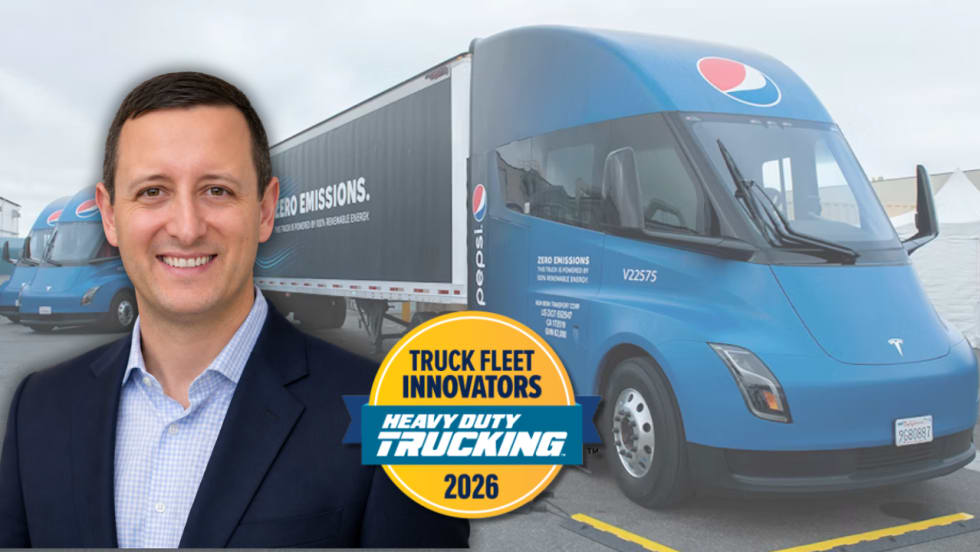
Adam Buttgenbach’s Approach to Electric Trucks: Start With Where They Fit
HDT Truck Fleet Innovator Adam Buttgenbach helped PepsiCo build one of North America’s largest EV fleets by focusing on where electric trucks make operational sense.
Read More →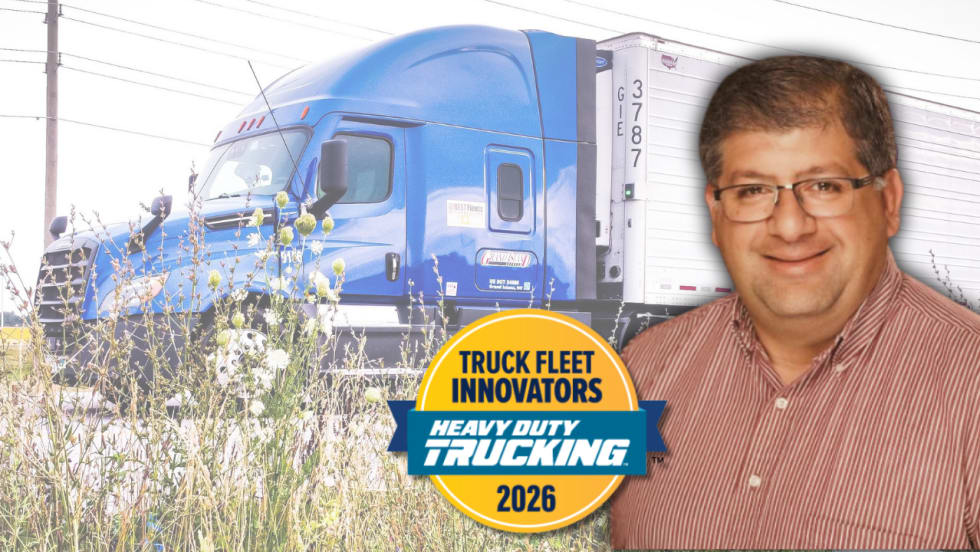
Deen Albert: Let Automation Do the Math, People Make the Decisions
HDT Truck Fleet Innovator Deen Albert makes sure people are still at the heart of operations at Grand Island Express, even while adopting artificial intelligence tools. AI-assisted dispatch helped boost revenue 25% with the same number of trucks.
Read More →
Trimble’s New AI Agent Takes Aim at Fleet Back-Office Busywork
Arc Agent works across Trimble TMS products to automate repetitive tasks such as freight orders, maintenance, invoices, fuel costs and more.
Read More →
How HDT’s 2026 Truck Fleet Innovators Are Rethinking Fleet Operations
Meet five trucking leaders who are challenging assumptions, solving operational problems, and putting innovative ideas to work.
Read More →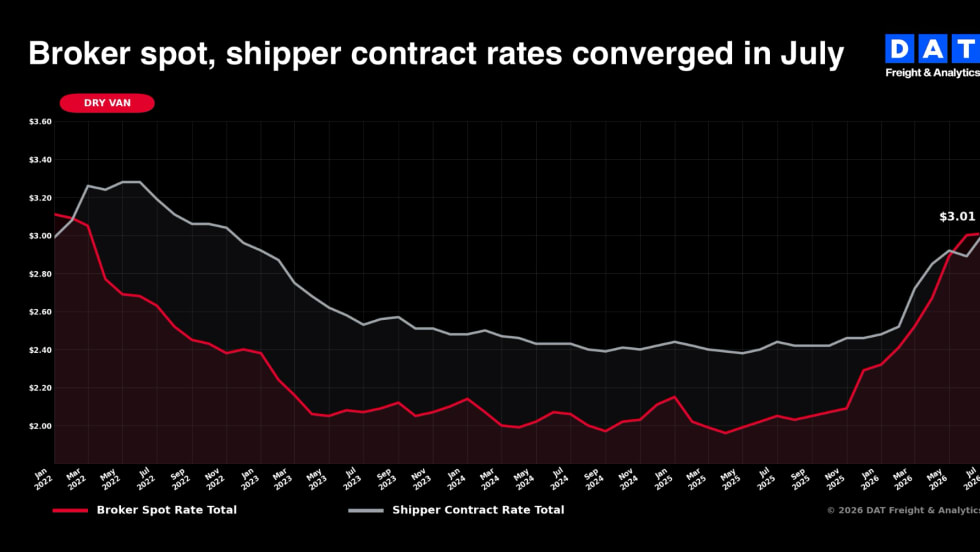
Tight Trucking Capacity Pushes Rates Higher Even as Freight Volumes Fall
“Spot rates moving ahead of contract rates have historically signaled a tightening market, but we haven’t seen a capacity-driven market quite like this one,” said DAT's Dean Croke.
Read More →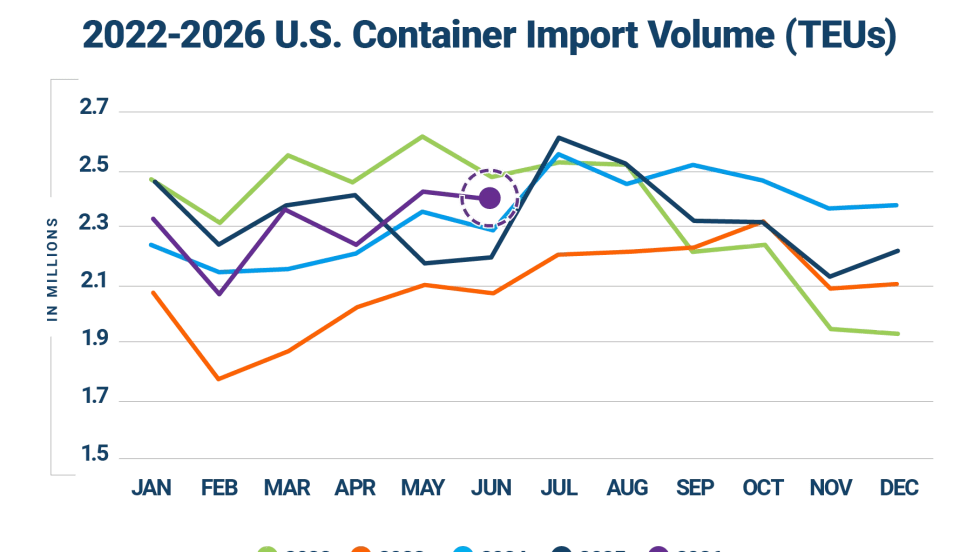
Import Cargo’s Early Peak Season is Winding Down
There was an early start to peak season this year at the nation's gateway ports, as retailers brought in merchandise ahead of tariff changes in late July and responded to other supply chain uncertainties,
Read More →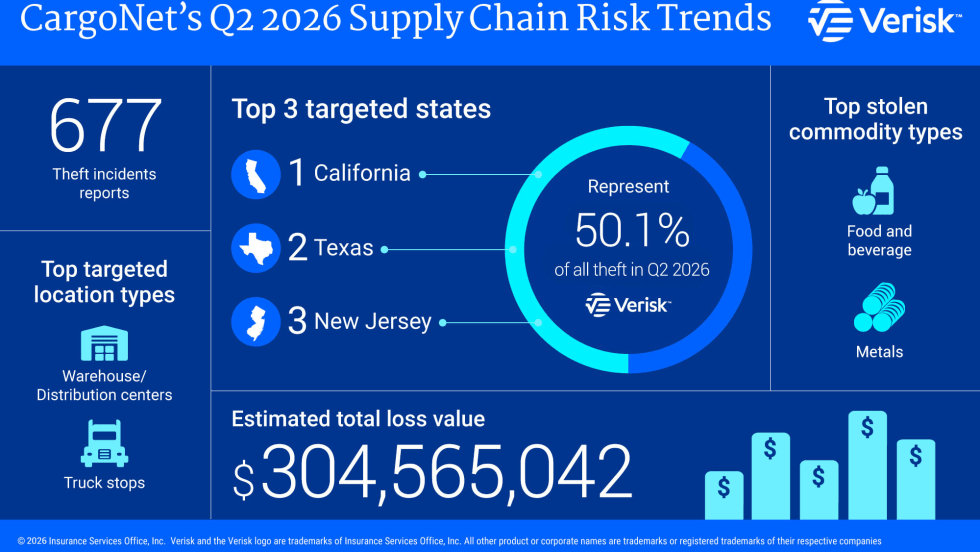
Fewer Cargo Thefts, Bigger Losses: Criminals Target Higher-Value Loads
CargoNet says organized theft rings are stealing fewer shipments but choosing more valuable freight, including metals and technology, resulting in record losses.
Read More →
How Innovative Trucking Leaders Turn Change Into an Advantage
As the pace of change accelerates in trucking, the fleets that adapt best have more than the latest technology. They have cultures that embrace improvement.
Read More →
Freight Broker Bonds Just Got Harder to Get. Here's What That Means for Your Fleet.
When it gets harder for a freight broker to prove they are financially sound, the ones who cannot clear that bar get pushed out of the market. And those are exactly the brokers who used to leave motor carriers holding the bag.
Read More →