Heavy Duty Trucking Logo
MenuMENU
SearchSEARCH

EPA Blocks Engine Advances

It looks as though engine makers are not making much headway in their bid to get the U.S. Environmental Protection Agency to give them a break on one aspect of 2002 emissions regulations

by Staff
March 2, 2001
EPA Blocks Engine Advances


3 min to read


It looks as though engine makers are not making much headway in their bid to get the U.S. Environmental Protection Agency to give them a break on one aspect of 2002 emissions regulations.

Ad Loading...


Throughout much of last year, the engine manufacturers have been in closed door meetings with the EPA. No one would say what those meetings were about, but letters sent by EPA to the engine makers provide a strong clue.
At issue is the EPA's intent of granting limited approval to the use of Auxiliary Emission Control Devices (AECDs) to protect the engines in extreme conditions. Elsewhere in the trucking press, it has been reported that this means that engines will be allowed various devices and electronic strategies to protect the engine that allow them to stray outside the regulated 2.5 g per hp-hr NOx/non-methane hydrocarbon.
This is not strictly true, though it is what the engine manufacturers and truck makers want. To meet October 2002 emissions requirements without these AECDs will mean completely new cooling systems to handle the very occasional occurrence of high load, high ambient temperatures and high altitudes. The argument runs that these will need to be significantly larger than today’s, resulting in expensive redesigns of truck hoods, radiator openings and grilles. Along with this, fuel economy losses will result in more pollution from the additional fuel consumed, negating any incremental gain that outlawing the AECDs would achieve.
The letter that is currently circulating is addressed to Cummins, but off-the-record comments from other engine OEMs suggest that much the same communications have been exchanged elsewhere. In the Cummins letter, EPA Assistant Administrator Steven Herman specifically addresses the AECDs, but indicates that they will be very heavily scrutinized and that the engine manufacturers will not be allowed to substitute the controls "if the need for engine protection is the result of inadequate design of the engine."
Furthermore, the EPA's position would appear to be that no AECDs that take the engine outside the emissions limits will be allowed after January 2004 in any case.
What the manufacturers need is for EPA to take a more sympathetic position – and quickly -- in order to get engines into production by October 2002. That they can be ready, if allowed the auxiliary devices, is readily apparent, because there are engines running today. This editor has been out and driven one manufacturer's 10/02 prototype engine and can report that it runs very satisfactorily with a standard cooling system. But it also needs a number of additional controls to protect it in high load, high ambient, high altitude conditions.
The good news, from the manufacturers' perspective, is that at least the EPA has made a comment. However, as one senior engineer said, "the ball is in play, but it doesn't seem to have advanced very far up the field."
More Aftermarket

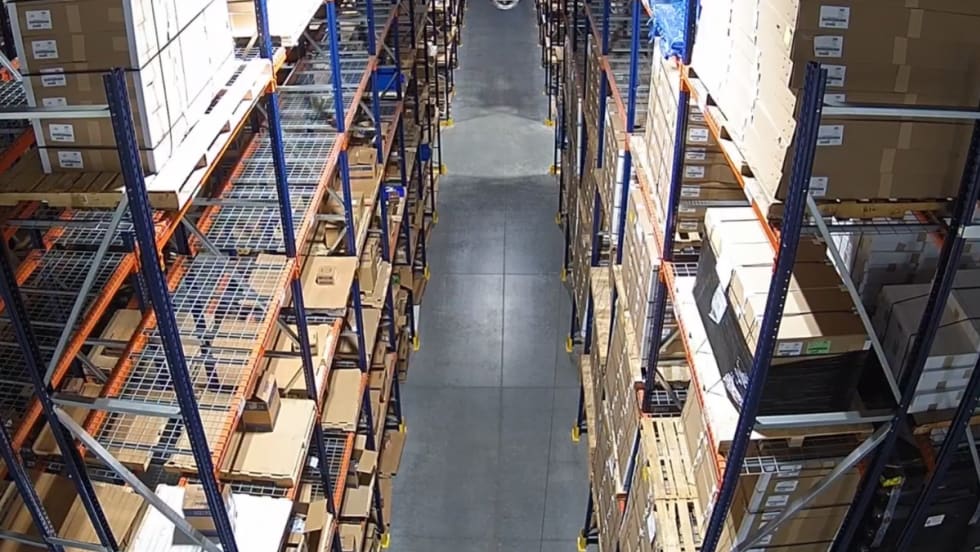
Warehouse aisle with pallet racking filled with boxed inventory at a distribution center.
Maintenanceby News/Media ReleaseJanuary 28, 2026

Phillips Opens High-Tech Distribution Center for Faster Parts Delivery

Phillips Industries’ new Cincinnati-area distribution center is now shipping aftermarket trucking parts nationwide, aiming to speed up delivery times for customers.

Read More →
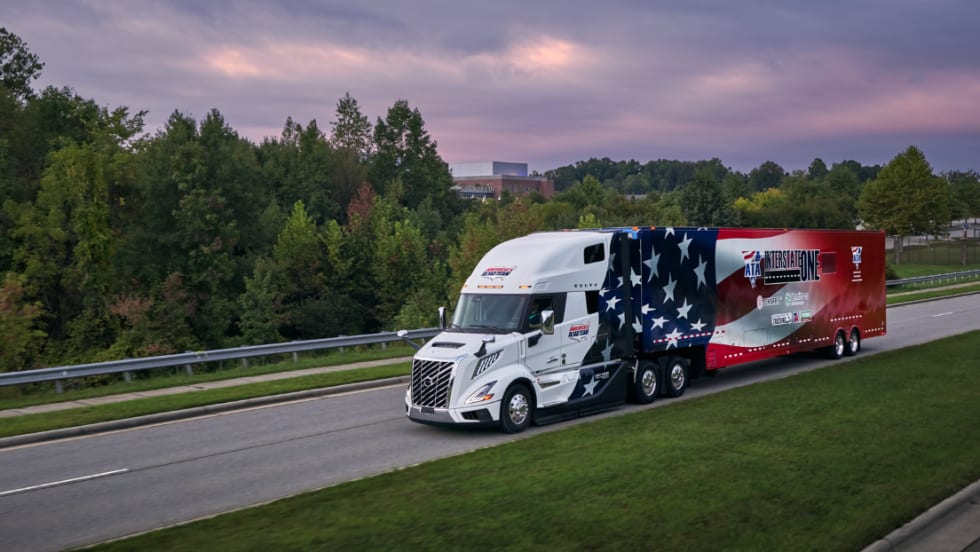
Volvo VNL tractor-trailer.
Aftermarketby News/Media ReleaseOctober 21, 2024

Volvo to Sponsor America’s Road Team for 2025

Volvo Trucks announced that it is extending its exclusive sponsorship of America’s Road Team for 2025.

Read More →
Aftermarketby StaffApril 4, 2024

Webb to Start Taking Orders for UltraSet Pre-Adjusted Wheel Hubs

Webb, which recently acquired the Stemco Trifecta pre-adjusted hub program, will soon start taking orders for its replacement pre-assembled hub, the UltraSet.

Read More →
Ad Loading...
Maintenanceby News/Media ReleaseMarch 4, 2024

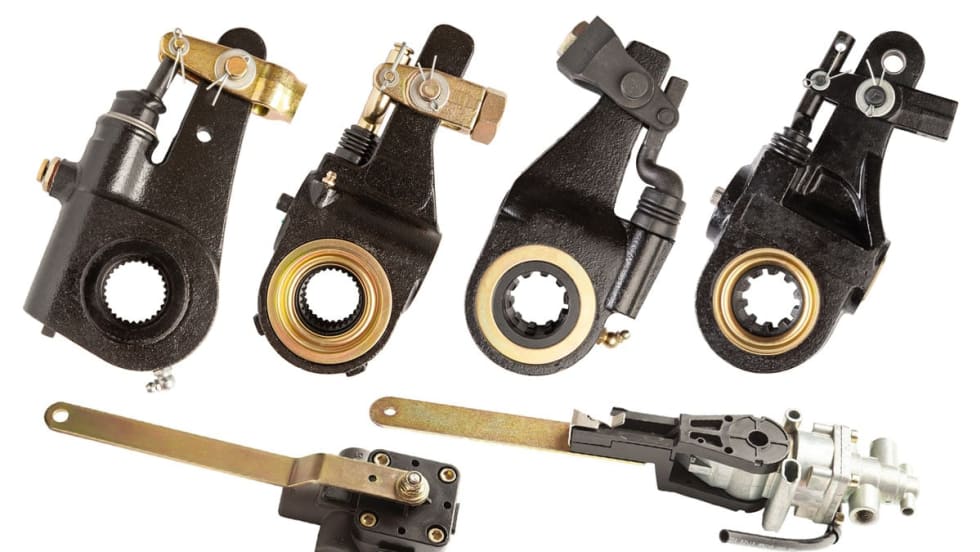
All-Makes Automatic Brake Adjusters, Ride Height Control Valves from Midland

SAF-Holland has added automatic brake adjusters and ride height control valves to its Midland All-Makes Program.

Read More →
Aftermarketby News/Media ReleaseJanuary 25, 2024

ZF Aftermarket Expands [pro]Academy Training

ZF Aftermarket said it is expanding its ZF [pro]Academy training and will be adding 40 new modules this year.

Read More →
Aftermarketby News/Media ReleaseJanuary 19, 2024

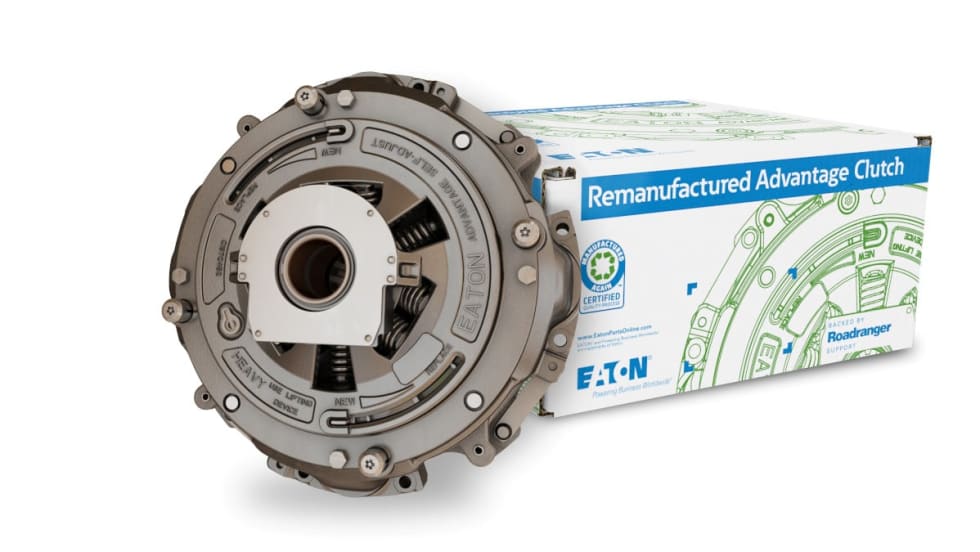
Eaton Adds Remanufactured Advantage Line of Clutches

Eaton has added its Advantage clutches to its remanufactured product line. The clutches feature a unique strap drive intermediate plate designed to allow customers to choose the latest OE specification

Read More →
Ad Loading...
Aftermarketby News/Media ReleaseNovember 9, 2023

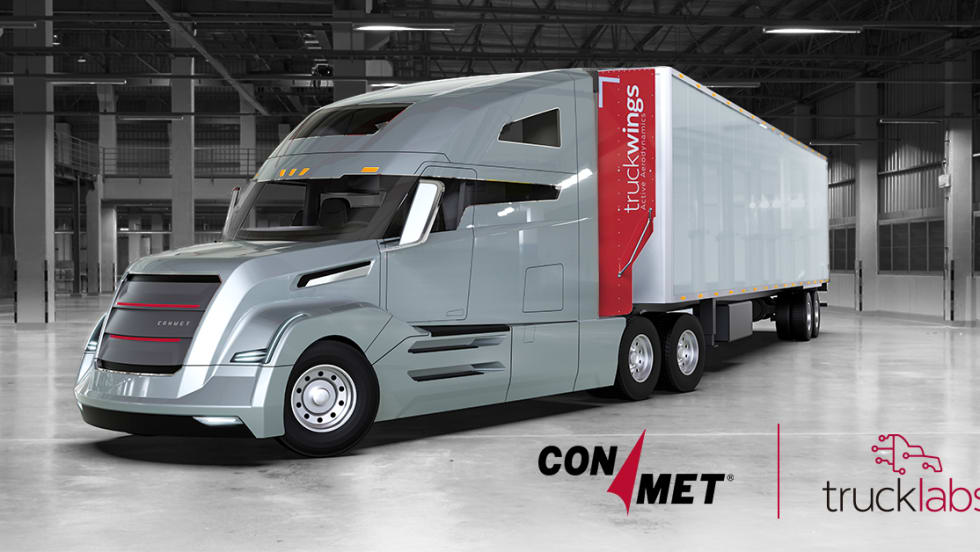
ConMet Acquires TruckLabs, the Creator of TruckWings

Commercial truck and trailer parts provider ConMet acquired TruckLabs, the company that created TruckWings, an aerodynamic device that attaches to truck cabs and deploys to close the gap between truck and trailer. TruckLabs now operates as a subsidiary of ConMet.

Read More →
Maintenanceby News/Media ReleaseSeptember 27, 2023

Diesel Laptops Releases Fault-Code-to-Part-Number Tool

Diesel Laptops said its Truck Fault Codes allows users to input a fault code and immediately identify and order the parts needed to complete repair work.

Read More →
Maintenanceby News/Media ReleaseSeptember 22, 2023

Heavy Duty Parts and Labor Costs Dropped in Q2

A benchmarking report from TMC and Decisiv reveals good news for fleets as heavy-duty parts and labor costs dropped in the second quarter of 2023.

Read More →
Ad Loading...
Fleet Managementby News/Media ReleaseAugust 1, 2023

Platform Science, Uptake Partner on Predictive Maintenance Platform

Platform Science and Uptake have formed a partnership aimed at bringing a comprehensive predictive maintenance program to market for U.S. truck fleets.

Read More →