




Embark Transports Appliances Over 300 Miles with Autonomous Trucks
Autonomous vehicle technology company Embark has partnered with Ryder System and household appliance maker Frigidaire, on a pilot test program to transport goods on public highways in the Southwest.
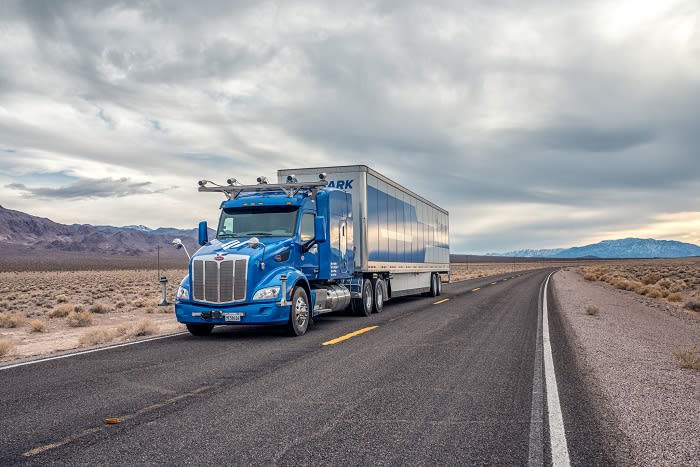
Photo: Embark

Autonomous vehicle technology company Embark has partnered with Ryder System and household appliance maker Frigidaire, on a pilot test program to transport goods on public highways in the Southwest.
Beginning in October, the pilot has involved several trips transporting appliances through four states using Embark automated trucks, on the highway segments and Ryder tractors and drivers on surface streets. The pilot is focused on highway driving, which is more structured and allows for faster commercialization, and solves a critical challenge for the freight industry, according to the company.
“Trucking is facing a workforce problem,” said Alex Rodrigues, Embark’s CEO. “More than 50% of all drivers will retire in the next two decades and there aren’t nearly enough young drivers joining the industry to replace them. By allowing automation to work together with local drivers to handle less desirable long haul routes, we will be able to increase productivity to address the current 50,000 driver shortage, while also creating new local driving jobs that attract younger drivers for the industry.”
During the pilot program, Frigidaire refrigerators were successfully transported 650 miles at a time, using automated driving technology. Operating at a Level 2 system, the pilot involved trucks with a professional driver sitting at the wheel actively monitoring the road, supervising the system, and ready to take control at any time. The team worked closely with state transportation and public safety officials in Texas, New Mexico, Arizona, and California to coordinate testing activity.
Stretches as long as 306 consecutive miles were traveled in automated mode, with the driver only taking over control for a mandatory stop at a port of entry, according to Embark. After the initial pilot program, Embark, Frigidaire, and Ryder will look to increase the number of test trucks moving shipments along this freight lane in the coming months.
“Every month we’re making big strides,” said Rodrigues. “We’re working towards commercializing this technology and aim to have it operational within just a few years.”
More Equipment
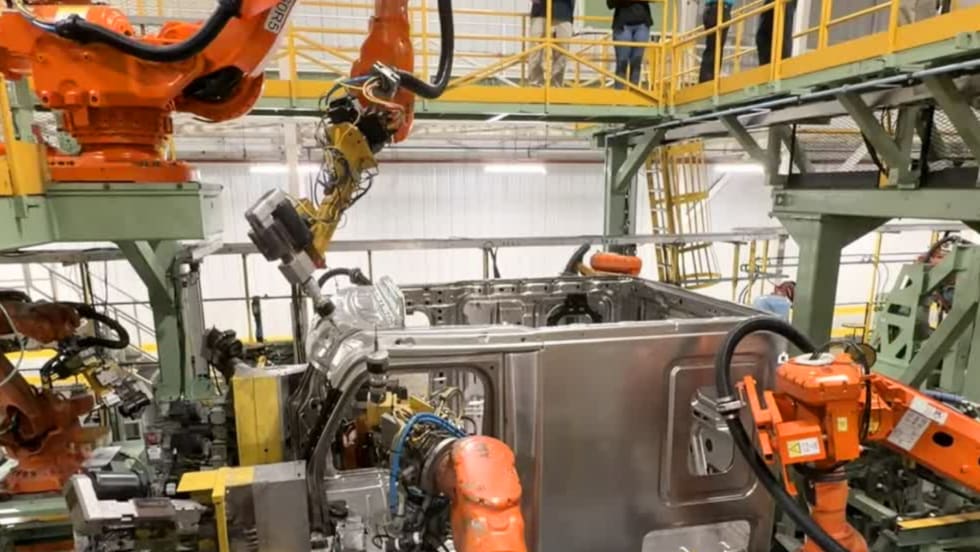
DTNA Plans New U.S. Truck Plant as Manufacturing Footprint Shifts
Daimler Truck North America is evaluating sites for a new assembly plant expected to open in 2029 while winding down operations at its longtime Portland manufacturing facility.
Read More →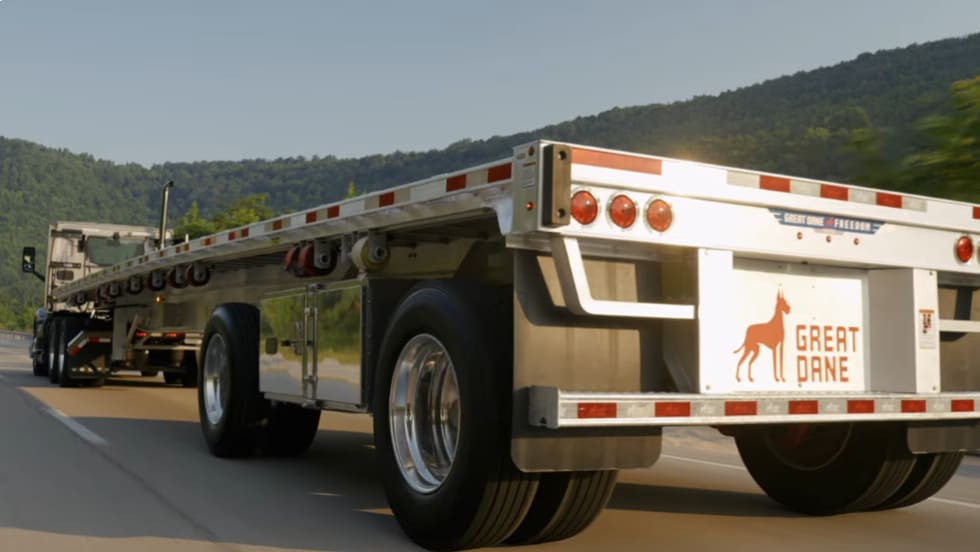
Great Dane Flatbed Trailer Offers Light Weight and Strength
Freedom Ultra is designed for a wide range of open-deck applications, including building materials, lumber, machinery, steel products, industrial freight, and coil hauling.
Read More →
What It's Like Inside this Custom 2025 Peterbilt 589?
Take a driver's-eye tour of this customized 2025 Peterbilt 589 in this video, as longtime driver Ingrid Brown explains its features, compares it to previous models, and shares plenty of personality along the way.
Read More →
Drivers Put Western Star Trucks to the Test at Star Nation Experience
Watch to get an inside look at the Western Star trucks, technology, and community behind the Star Nation Experience 2026!
Read More →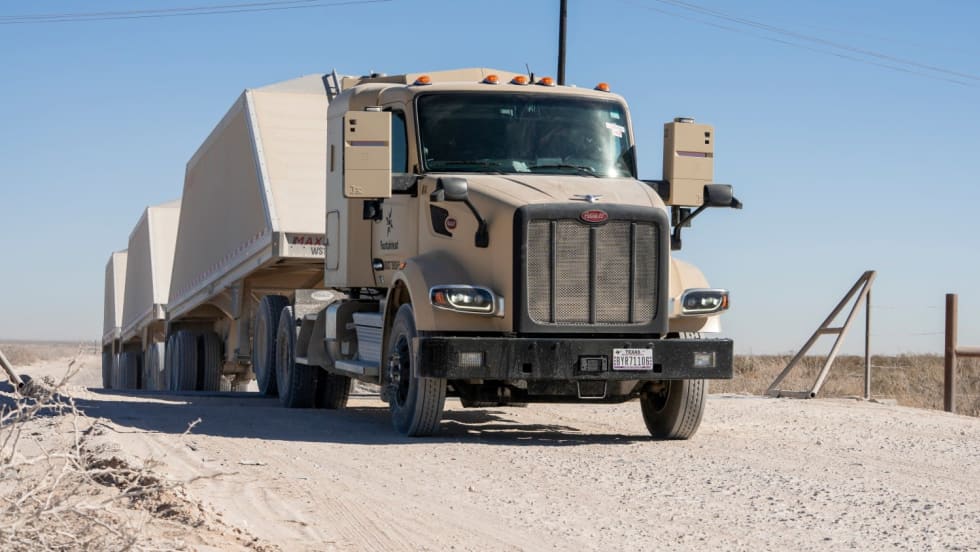
Atlas Expands Kodiak Driverless Truck Fleet in Permian Basin
Atlas Energy Solutions is expanding autonomous frac sand hauling in the Permian Basin with a second load-out location and plans for 100 driverless trucks by mid-2027.
Read More →
Putting Mack’s Command Steer to the Test
A test drive of Mack’s Command Steer active steering system evaluates how it can make truck driving easier and less tiring.
Read More →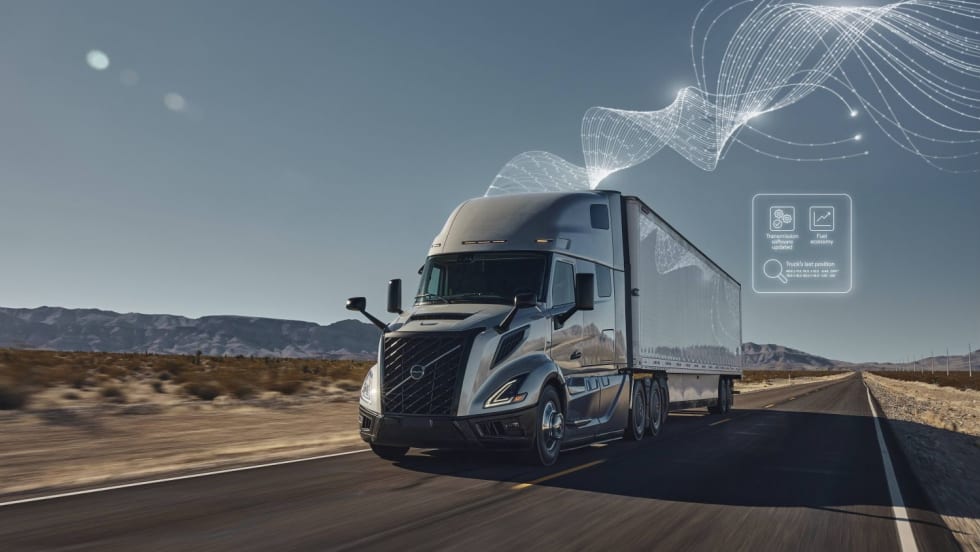
Mack, Volvo Expand DEF Derate Software Updates
The updated software gives Mack and Volvo truck owners more time to address DEF-related issues before the engine derates or the vehicle goes into reduced-speed inducement, following new EPA guidance.
Read More →
Rush, MCT Team Up to Grow Refrigeration Service Network
The joint venture will operate MCT's network of Carrier Transicold dealerships and mobile service locations, with the companies promising greater service capacity and uptime for refrigerated fleets.
Read More →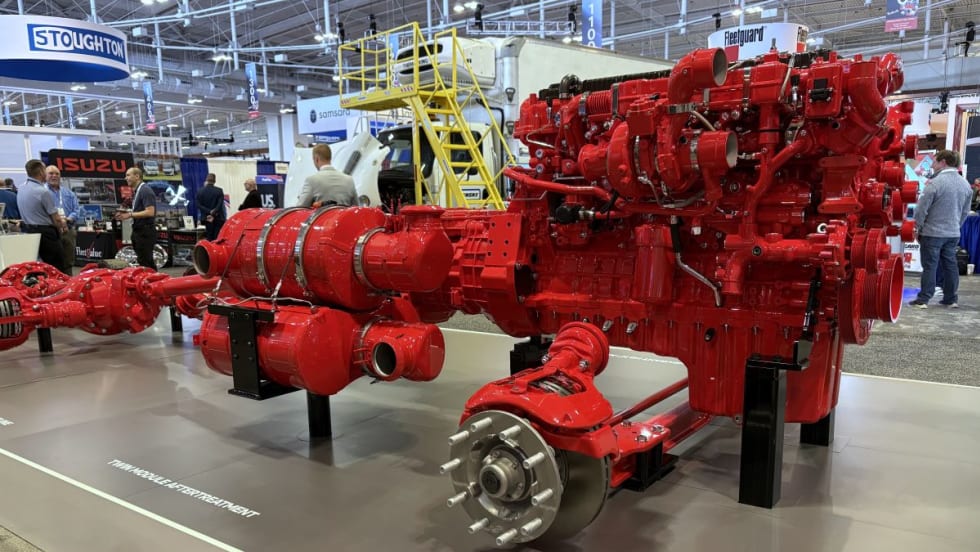
Cummins Adjusts 2027 Engine Rollout After EPA Proposal
The engine maker will gradually introduce its new Model Year 2027 diesel engines while continuing to offer current models during the transition, citing the EPA's proposed emissions rule changes.
Read More →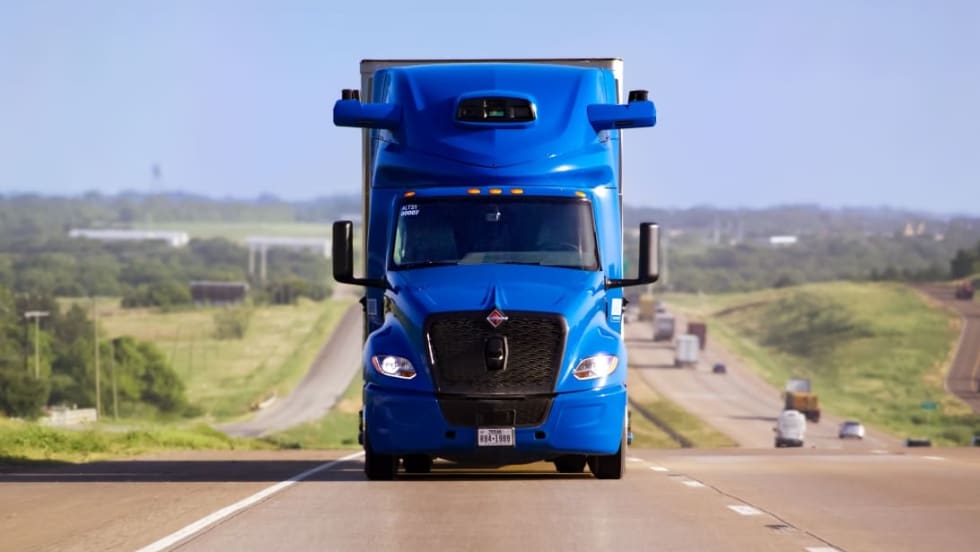
Aurora Rolls Out Next Generation of Driverless Trucks for Commercial Freight
Aurora's latest autonomous trucks it's rolling out with International feature lower-cost hardware designed for a million miles as the company expands commercial driverless freight operations across the U.S. Sun Belt.
Read More →