




Embark Adds Markets to Autonomous Trucking Network
Embark Trucks has taken the next step in its journey to create a coast-to-coast network of autonomous truck transfer points by preparing key Sunbelt markets to be served by Embark fleet partners.

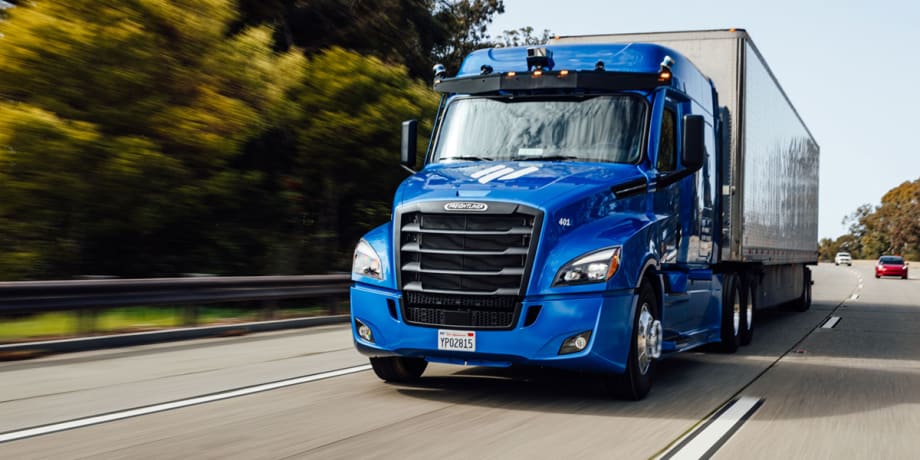
Embark strategically selected these nine sites to eventually automate crucial shipping lanes for its carrier partners.
Photo: Embark
Embark Trucks has taken the next step in its journey to create a coast-to-coast network of autonomous truck transfer points by preparing key Sunbelt markets to be served by Embark fleet partners.
Embark’s network, what the company calls its coverage map, includes nine transfer point sites in cities across the Sunbelt, including new locations in Dallas and El Paso, Texas, Atlanta, and Jacksonville, Florida. The transfer sites will accommodate planned freight carried by Embark-powered trucks and provide operational support for carriers and shippers those trucks.
"We are delivering on one of our key 2022 objectives by activating these key markets as one cohesive network today, giving carrier partners the line of sight they need to plan their deployment of Embark-equipped trucks, improving the ecosystem’s ability to rapidly scale in 2024,” said Embark CEO Alex Rodrigues.
Embark strategically selected these nine sites to eventually automate crucial shipping lanes for its carrier partners. The expanded network that Embark is positioned to serve through these nine sites covered 9.5 billion miles of annual freight in 2020, including Dallas to Houston, San Antonio to Houston, and Dallas to Atlanta – some of the highest-volume inter-city lanes in the US.
By opening these nine sites, 28% of U.S. shipping volume in the Sunbelt is available for autonomous transport by Embark’s fleet partners, who will be able to own and operate the trucks and to begin hauling goods autonomously once Embark’s technology is commercialized, Embark officials said in a press release.

Embark’s network includes nine transfer point sites in cities across the Sunbelt, including new locations in Dallas and El Paso, Texas, Atlanta, and Jacksonville, Florida.
Map: Embark
By operating autonomously across the network, Embark’s carrier partners should be able to deliver faster than is currently possible, due to 24/7 operations. Embark officials say 41% of the shipment miles in the expanded Coverage Map areas are on lanes that are longer than drivers can complete in a single shift due to Hours of Service regulations. Embark anticipates that the 3.3 million loads on these lanes should become eligible for earlier delivery once automated.
Embark secured real estate sites and support services through its partnerships with Alterra Property Group and Ryder.
In working with Alterra, Embark was able to structure flexible usage agreements on its sites that enable Embark to scale across specific properties. As Embark continues to build density across the Embark Coverage Map ahead of deployment, the company will look to expand to additional sites and leverage other utilization structures such as pay-per-use.
How are Embark’s Autonomous Freight Transfer Sites Being Used Today?
The Embark Coverage Map is being used in conjunction with Embark’s fleet partners through multiple pilots. To support fleets operating on the network, Embark, through a long-standing partnership, has deployed Ryder operators to certain Embark Coverage Map sites to provide inspections and support services necessary to keep trucks moving in an efficient and safe manner.
More Fleet Management

Color Match Smarter: Tools That Restore & Perform
For fleet managers and collision repair professionals keeping heavy-duty trucks on the road, getting the color right the first time isn't just about appearance — it's about efficiency, turnaround time, and bottom-line results. Discover how today's digital color tools are transforming the repair process from guesswork to precision.
Read More →
FMCSA Pauses Biennial-Update Enforcement Amid Motus Transition
Carriers whose updates were due on or after June 1 have more time, while FMCSA works to stabilize its new registration system and warns of phishing sites impersonating its new carrier registration system, Motus.
Read More →
2026 Blueprint for Countering Smarter Supply Chain Theft
Cargo theft is no longer just the cost of doing business. It's a multi-billion-dollar criminal enterprise exploiting vulnerabilities across your fleet, drivers, and supply chain.
Read More →


How Telematics Improves Visibility, Control, and Performance in Refrigerated Fleets
Explore how telematics help refrigerated fleets improve visibility, uptime, efficiency, compliance, and cargo protection across connected cold chain operations.
Read More →
What the U.S.-Canada Trade War Means for Trucking
Escalating U.S.-Canada tariffs could disrupt cross-border freight, reduce truck volumes, raise costs, and create new uncertainty for carriers on both sides of the border.
Read More →
What Are Trucking’s Top Concerns for 2026?
The American Transportation Research Institute wants to know what's worrying trucking fleet managers, drivers, and other stakeholders in its annual Industry Issues survey.
Read More →
American Trucking Associations Looks for a New Leader
ATA President and CEO Chris Spear abruptly left his job at the association on August 21, at a pivotal time for the trucking industry.
Read More →
Public Wi-Fi Cybersecurity Risks: How Truck Drivers and Fleets Can Protect Their Data
Public Wi-Fi can expose truck drivers and fleets to credential theft, malware, and other cyber threats. Here’s how to reduce the risk on the road.
Read More →
For Nicky Cupp, Fleet Innovation Starts With Frustration
HDT Truck Fleet Innovator Nicky Cupp turns everyday pain points at Fraley & Schilling into opportunities for better technology and smarter processes.
Read More →
Adam Buttgenbach’s Approach to Electric Trucks: Start With Where They Fit
HDT Truck Fleet Innovator Adam Buttgenbach helped PepsiCo build one of North America’s largest EV fleets by focusing on where electric trucks make operational sense.
Read More →