





Related: Fuel Cells or Batteries? How will Future Trucks be Powered?
Electric Trucks Coming, but When is Unsure, Supplier Execs Say
Momentum is gaining for electric truck deployment in North America, say two top supplier executives. But the timeline remains murky, according to a panel at Heavy Duty Aftermarket Dialogue.
January 28, 2020
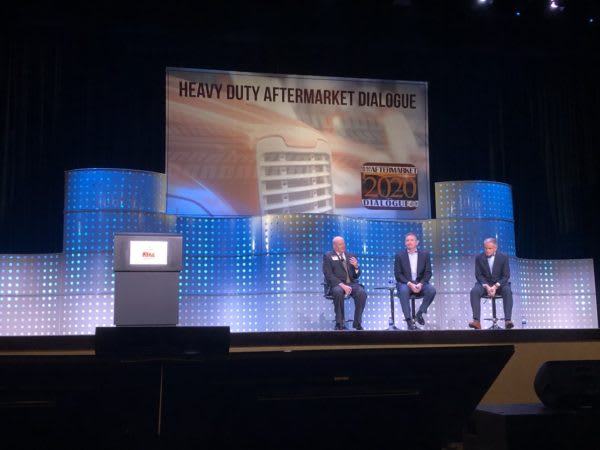
Rick Dauch, CEO of Delphi Technologies, and Jim Kamsickas, chairman, CEO and president of Dana share their thoughts on vehicle electrification at HDAD 2020.
Photo: John G. Smith
3 min to read
Heavy Duty Aftermarket Dialogue kicked off a week devoted to the heavy-duty aftermarket in Dallas Jan. 27 with a session titled "The Real-World: A Global Perspective." Rick Dauch, CEO of Delphi Technologies, and Jim Kamsickas, chairman, CEO, and president of Dana, shared their thoughts on a range of subjects, but spent much of their time talking about vehicle electrification. Both men agree that electric is the wave of the future – but when that future arrives is unclear.
Kamsickas said Dana “has gone all in on electrification." But he added that “we are energy-source agnostic, so we can do powertrain for ICE [internal combustion engines], hydrogen, and electric.” He told audience members that they need to begin to participate in the electric truck arena “at least from the learning side of the business. The mechanical piece is still needed, but you have to build on software capabilities and understand the vehicle integration.”
Dauch said the next three to five years will be marked by “generational changes” for the global transportation industry. Many countries are facing stricter emission standards. Dauch said Europeans can’t meet upcoming continental diesel standards, so they are moving to natural gas and then electric. He was quick to add that the ICE engine is not going away. While 95% of trucks are diesel, cities will move to electric as near-zero and zero-emissions zones develop.
However, he said, the transition “will not happen in your career unless you are in your 20s or 30s.” Although big cities in Europe will have banned diesel cars by 2050, there still is not infrastructure in place to charge cars. “Infrastructure will probably have to be done by the government,” Dauch added.
Full electric trucks are not the only option for the future, according to Kamsickas. “We have been doing hydrogen fuel cells for 20 years, but it has not taken off.” He is confident it will happen – but not for 10 to 15 years. “Full hydrogen is the end game,” he said.
When asked about the impact of electric trucks on the aftermarket, Dauch said, there should not be an immediate impact “because [they're] not moving that fast to pure electric."
Kamsickas said that, “People may say the sky is falling [for aftermarket suppliers] because electric trucks are said to have 33% less parts.” But the reality is there still will be a motor and other components that will need to be serviced.
Electric and alternative-fueled vehicles was not all that the two talked about as panel moderator Chris Patterson, consultant and former Daimler Truck North America CEO and Volvo Truck executive, asked questions he had prepared as well as those provided by the audience.
When asked about autonomous vehicles, Kamsickas said, “We don't participate in autonomous. It feels like there are select locations where it will work, but it is a bridge that is too far away.”
Dauch said he believes there are billions of dollars being wasted on autonomous trucks. “While they work in off-road applications, mining, and at ports, I do not see it happening for over the road.”
However, he said the safety features that are the building blocks for autonomy will happen, and “that is good for the industry.”
To close out the session, Patterson asked the two panelists for any last comments. Dauch shared that the U.S. was not the only country facing elections this year, explaining that Germans would also be going to the polls. “Elections matter. Remember the people voted for Brexit.”
Kamsickas urged audience members to think about safety. “If you have not thought about training and your culture and safety, you need to." And he cautioned, “Don’t underestimate cyber security inside the vehicle. Be wise to it.”
More Fuel Smarts

How GP Transco Builds Fuel Savings a Fraction at a Time
Aerodynamic specs, solar panels, and driver incentives help GP Transco turn small efficiency gains into savings it can reinvest in its people.
Read More →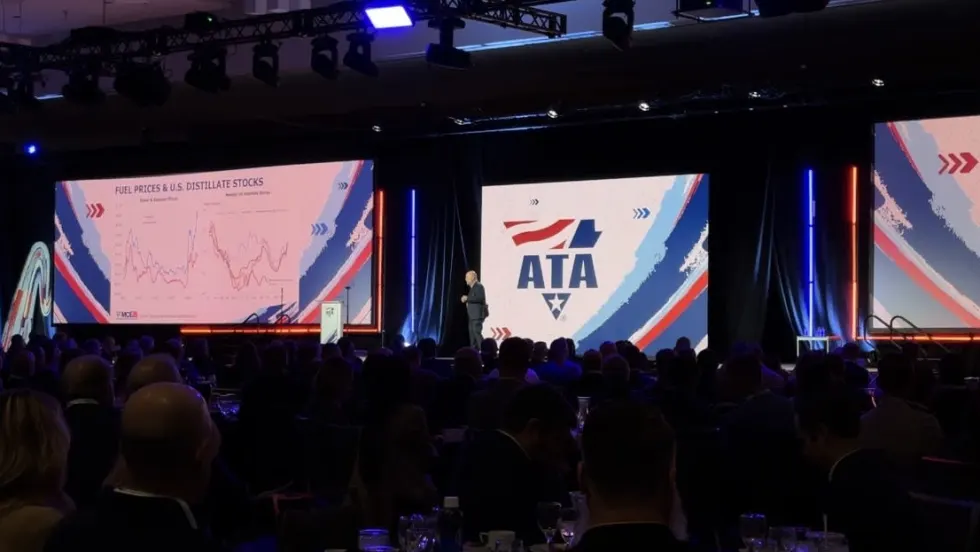
Trucking’s Diesel Squeeze Isn’t Letting Up
With diesel topping $6 a gallon nationally, ATA's Bob Costello explains why fleets should prepare for continued pressure at the pump.
Read More →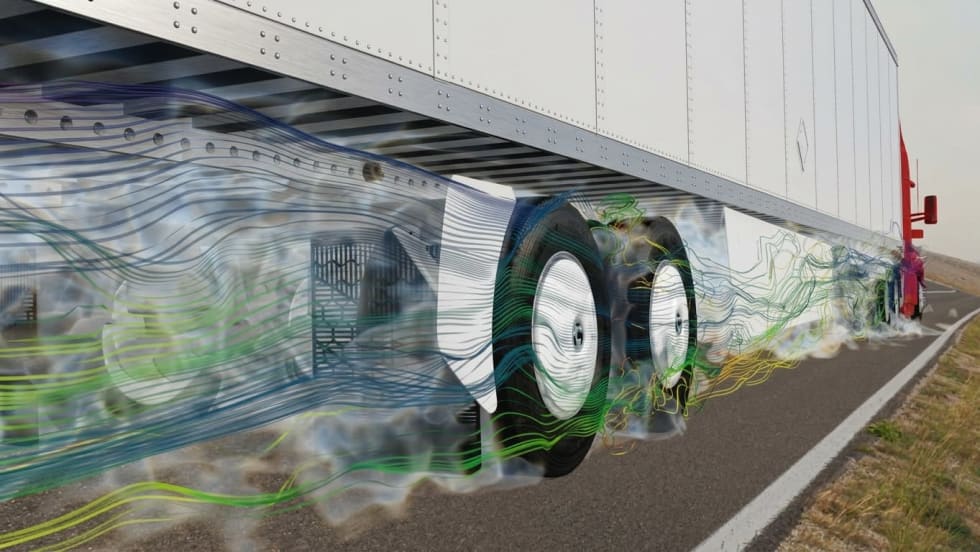
FlowBelow Redesigns Trailer AeroSlider to Cut Fuel Use
The lighter trailer aerodynamic system installs in less than 45 minutes, according to the company, with potential payback in under a year depending on fuel prices and trailer mileage.
Read More →
Why Diesel Price Relief Efforts May Fall Short
Diesel prices have eased from September’s record high, but doubts about additional Russian supply and limits on dyed-diesel tax relief mean trucking fleets still face expensive fuel. And prices could go higher.
Read More →
Why Small Fuel Savings Matter in Trucking
Can better fuel economy help pay for driver raises? In this podcast, GP Transco explains how small efficiency gains create room to reinvest in its people.
Read More →
How GP Transco Cuts Trucking Fuel Costs, a Tenth of a Gallon at a Time
What’s another tenth of a mile per gallon worth? GP Transco shares how equipment upgrades and driver coaching turn small gains into meaningful fuel savings.
Read More →
Electric Yard Tractors Move Beyond Pilots
Operating-cost savings have overtaken sustainability goals as the leading reason surveyed fleets are adopting battery-electric terminal tractors, according to new NACFE research.
Read More →
Geotab Links Fleet Card to Vehicle Data
The new card combines fuel discounts with telematics-based purchase controls. Geotab’s analysis also points to potential savings from choosing lower-priced fuel stops.
Read More →
Fleet Economics Shape Electric Truck Outlook
ACT Research expects costs, charging infrastructure, and technology improvements to drive zero-emission commercial vehicle adoption as federal regulations and incentives retreat.
Read More →
Wex Adds Cardless Fuel Payments for Over-the-Road Customers
A new fuel card feature for Wex customers offers convenience and security.
Read More →