




Economic Watch: Trucking Freight Boom Forecast
There could be a lot more freight for trucking to move in the future from the nation’s manufacturing sector.
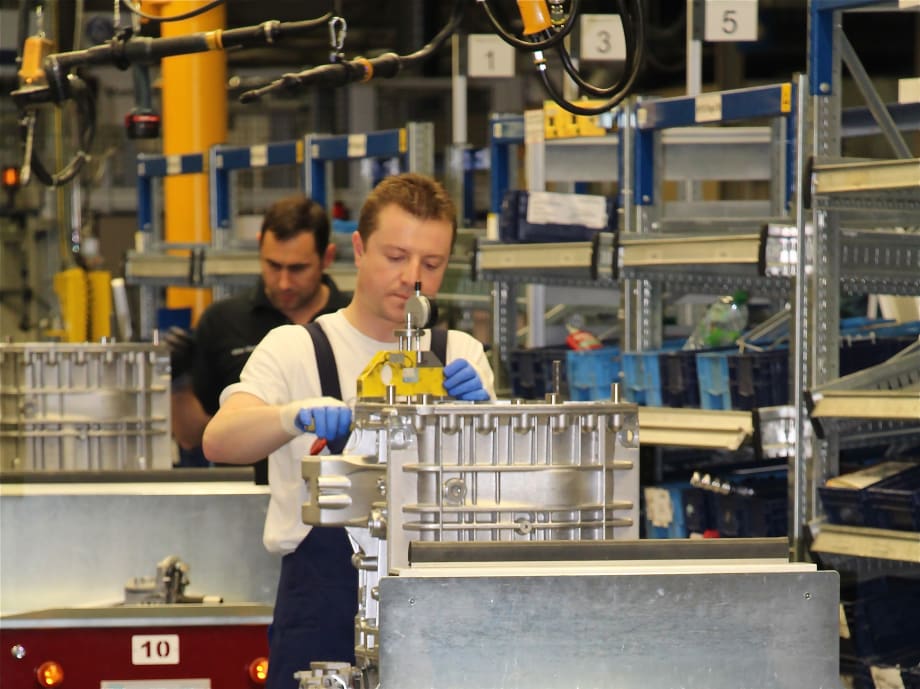
Photo: Evan Lockridge
There could be a lot more freight for trucking to move in the future from the nation’s manufacturing sector.
More than half of U.S.-based manufacturing executives at companies with sales greater than $1 billion are planning to bring back production to the U.S. from China or are actively considering it, according to a new survey by the management consulting firm, The Boston Consulting Group.

The share of executives who are planning to “reshore” or are considering it, rose to 54% compared with 37% of executives who responded to a similar BCG survey in February 2012. The new survey, conducted last month, elicited responses from more than 200 decision makers at companies across a broad range of industries. Virtually all manufacture in the U.S. and overseas and make products for both U.S. and non-U.S. consumption.
“These findings confirm that the reshoring trend is more than anecdotal,” said Justin Rose, a BCG partner “As the costs and benefits become more apparent, we expect more companies to consider manufacturing in the U.S. if their products are to be consumed in the U.S.”
The survey also found a sharp increase in the percentage of executives who are actively engaged in the process of shifting production to the U.S. When asked whether they expect to move production in light of rising wages in China, 21%, around twice as many as in 2012, said they are “actively doing this” or that they “will move production to the U.S. in the next two years.”
In a separate report released in last month, BCG projected that production reshored from China and higher exports, due to improved U.S. competitiveness in manufacturing, could create 2.5 million to 5 million American factory and related service jobs by 2020.
“Over the past couple of years, we’ve projected an improvement in U.S. manufacturing competitiveness by 2015 that would help drive an American manufacturing revival,” said Harold L. Sirkin, a BCG senior partner and a coauthor of the study. “The results of our latest survey make clear that a profound shift in attitude is beginning.”
The top three factors cited as driving future decisions on production locations were labor costs, cited by 43% of respondents; proximity to customers, 35 percent; and product quality, 34%. More than 80% cited at least one of these reasons as a key factor. Other leading factors include access to skilled labor, transportation costs, supply-chain lead time and ease of doing business.
More Drivers

EEOC Sues KLLM Over Alleged Sex Discrimination in Driver Training
KLLM is facing a federal sex-discrimination lawsuit over policies the EEOC alleges put female truck driver trainees at a disadvantage.
Read More →
FMCSA Moves to Codify English Language Requirements for Commercial Drivers
By changing regulations on English-language proficiency requirements for commercial drivers, rather than relying on a guidance memo, the FMCSA said future administrations won't be able to walk back the Trump administration's stricter enforcement with just a memo.
Read More →
Drivers Put Western Star Trucks to the Test at Star Nation Experience
Watch to get an inside look at the Western Star trucks, technology, and community behind the Star Nation Experience 2026!
Read More →
Trump Administration Looks to Put More Veterans Behind the Wheel
The Freedom Haulers program pulls together existing and expanded programs at several federal agencies to recruit veterans to drive commercial heavy-duty trucks and cut the red tape for them to get a CDL, training, and employment.
Read More →
Putting Mack’s Command Steer to the Test
A test drive of Mack’s Command Steer active steering system evaluates how it can make truck driving easier and less tiring.
Read More →
Competition Heating Up for Truck Drivers
New report reveals rising driver hiring costs, the return of sign-on bonuses, growing AI advantages, and the operational factors shaping driver retention.
Read More →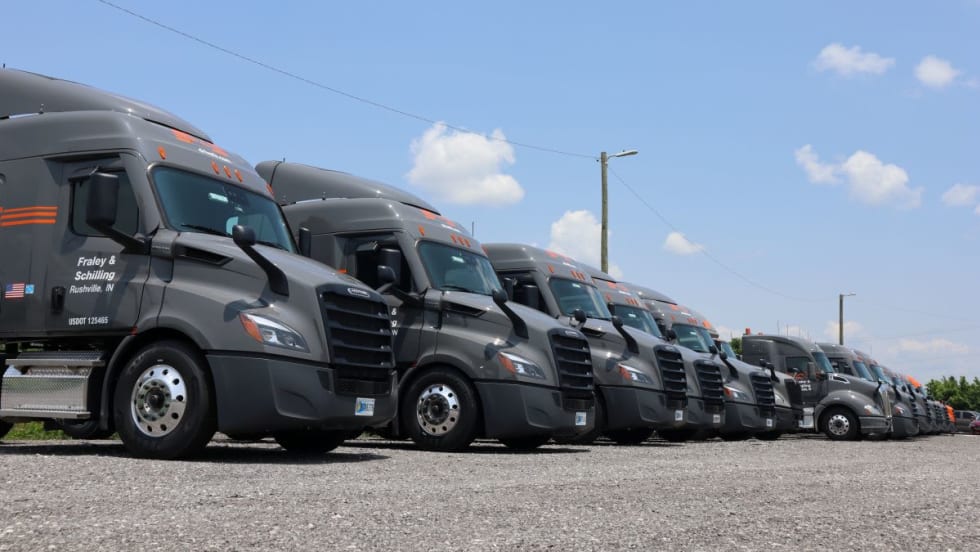
How Fraley & Schilling Improved Logbook Compliance by Over 50%
Fraley & Schilling needed a way to close a compliance workflow gap in its ELD system without adding more work from driver training, reminders, and back-office follow-ups. It found the answer in a custom driver app.
Read More →
Volvo Goes Gaming
Volvo has roared into American Truck Simulator with two new flagship trucks.
Read More →
What the Best Fleets to Drive For Teach About Driver Retention
Survey fatigue, AI-powered routing, owner-operator expectations, and the decline of social media all emerged as themes from this year's Best Fleets to Drive For program.
Read More →
Driver Retention Lessons From the Best Fleets to Drive For
What separates trucking's best workplaces from the rest? Jane Jazrawy shares the biggest lessons from this year's Best Fleets to Drive For program on driver retention, communication, AI, and workforce trends on the HDT Talks Trucking podcast.
Read More →