




DOT Announces Rules For Mexican Trucks
The U.S. Department of Transportation Thursday unveiled its new safety requirements for Mexican motor carriers to operate inside the United States. The rulemakings are among the actions the agency is taking to prepare for opening the border for Mexican Trucks by mid-year

The U.S. Department of Transportation Thursday unveiled its new safety requirements for Mexican motor carriers to operate inside the United States. The rulemakings are among the actions the agency is taking to prepare for opening the border for Mexican Trucks by mid-year.
The border opening will implement the cross-border trucking terms of the North American Free Trade Agreement, which have been delayed since 1995 because of safety concerns and organized labor opposition.
Mexican carriers applying to operate anywhere in the United States will be required to have a distinctive USDOT number, have their vehicles pass a safety inspection, and undergo intensified safety monitoring during an 18-month provisional period, and provide supplemental safety certifications as part of the application process. Mexican commercial vehicles will be permitted to enter the United States only at commercial border crossings, and only when a certified motor carrier safety inspector is on duty.
The regulations also will require Mexican carriers operating in the United States to have a drug and alcohol testing program, a system of compliance with U.S. hours of service requirements, adequate data and safety management systems, and valid insurance with a U.S.-registered company. The carrier's ability to meet these requirements will be verified by a safety audit before the carrier is granted provisional authority. At least half of these safety audits must take place in Mexico. In addition to safety audits, all Mexican carriers granted provisional operating authority will undergo full safety compliance reviews during the 18-month provisional period.
Federal and state safety inspectors will be required to inspect and verify the status and validity of at least half of Mexican truck driver's licenses, and all who are hauling hazardous materials.
The Federal Motor Carrier Safety Administration intends to give Mexican carriers educational and technical assistance before the border opens and as they apply for operating authority.
The rules include requirements to meet the terms in the Transportation and Related Agencies Appropriations Act, signed into law by President Bush in December. Only one of the rules is actually a final rule; two are interim final rules, and two are proposed rules. Comments are still being accepted on the interim final and proposed rules; the interim final rules are expected to become final 45 days after publication in the Federal Register.
FMCSA plans to publish similar rules later this year for all new carriers who apply for motor carrier authority in the United States.
In addition to implementing these rules, DOT and the states will equip all U.S.-Mexico commercial border crossings with scales. Five of the ten locations with the highest volume of commercial vehicle crossings will get weigh-in-motion scales before they start processing carrier applications. The other five will have weigh-in-motion devices within 12 months.
For more information, you can read the rules in the Federal Register at www.fmcsa.dot.gov and a fact sheet at www.dot.gov/affairs/briefing.htm.
More Equipment

Kodiak Lines Up Fleets for Driverless Trucking
An agreement for 75 trucks, a new Texas freight lane, and progress on safety validation move Kodiak closer to its planned driverless highway launch.
Read More →
How GP Transco Builds Fuel Savings a Fraction at a Time
Aerodynamic specs, solar panels, and driver incentives help GP Transco turn small efficiency gains into savings it can reinvest in its people.
Read More →
More Trailer Data Through the Same Seven-Way [Video]
Can trucking’s standard seven-way connector handle more cameras and trailer data? Grote’s Adam Slade shows HDT how the company is using new technology with its 4See trailer system, not only to add a new backup camera but also to expand other capabilities — without adding another connection.
Read More →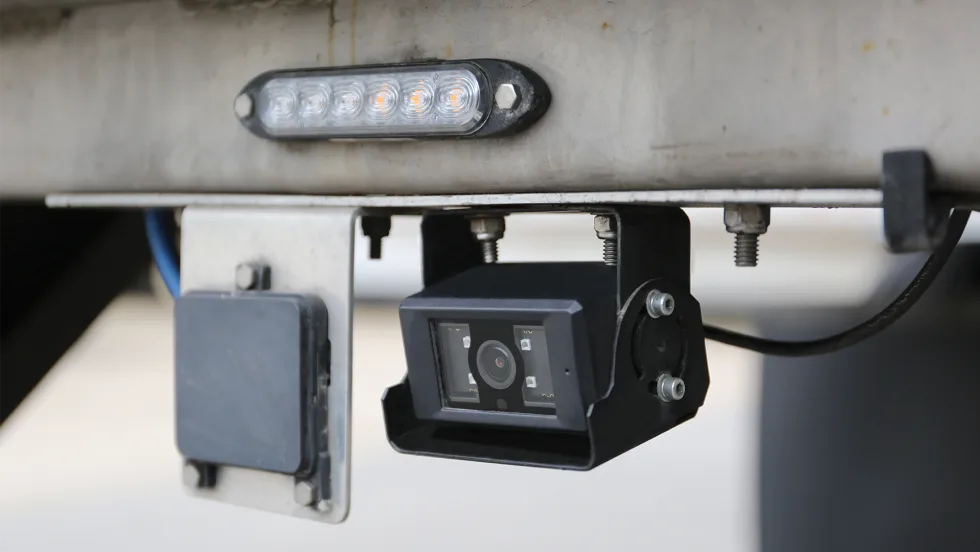
Grote: More Cameras, Same Seven-Way Connector
The next-generation 4See rear-view backup camera from Grote uses the standard seven-way connector and supports additional cameras and other trailer data.
Read More →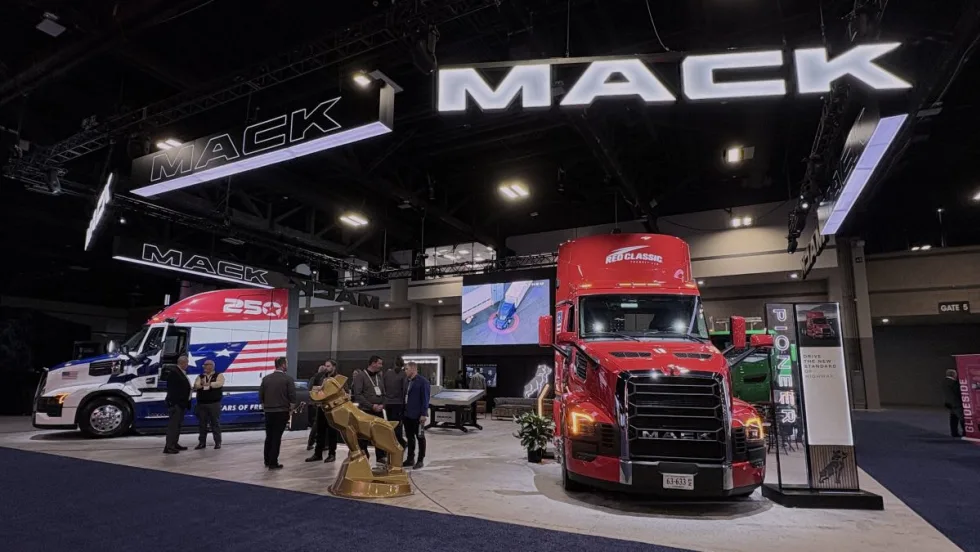
Trucks at ATA's 2026 MC&E in Charlotte, North Carolina [Photos]
From rigs decked out in patriotic America's 250 paint schemes to autonomous trucks and more, check out these photos from ATA's 2026 Management Conference & Exhibition.
Read More →
Help HDT Find Trucking’s Top Products
Have you come across a new product that could make a difference for trucking fleets? Nominate it for HDT’s 2027 Top 20 Products Awards by November 9.
Read More →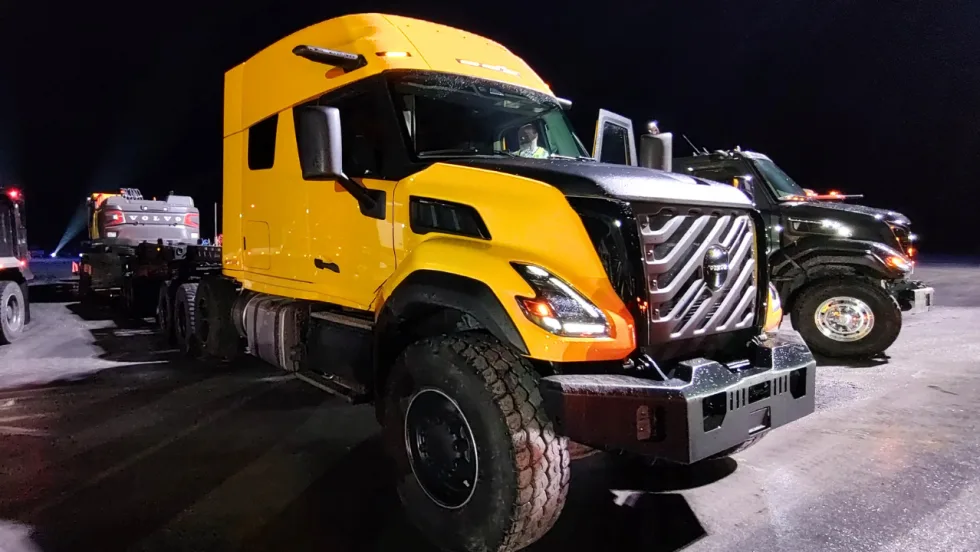
Volvo Unveils New VNX Heavy-Haul and Vocational Truck
Volvo Trucks has launched the VNX, a new vocational truck also available as a tractor in day cab and two sleeper configurations, with one heavy-haul model. The Volvo VNX is powered by Volvo's D13 platform, which delivers up to 540 horsepower and 1,950 pound-feet of torque and is EPA 2027-compliant.
Read More →
How GP Transco Cuts Trucking Fuel Costs, a Tenth of a Gallon at a Time
What’s another tenth of a mile per gallon worth? GP Transco shares how equipment upgrades and driver coaching turn small gains into meaningful fuel savings.
Read More →
Electric Yard Tractors Move Beyond Pilots
Operating-cost savings have overtaken sustainability goals as the leading reason surveyed fleets are adopting battery-electric terminal tractors, according to new NACFE research.
Read More →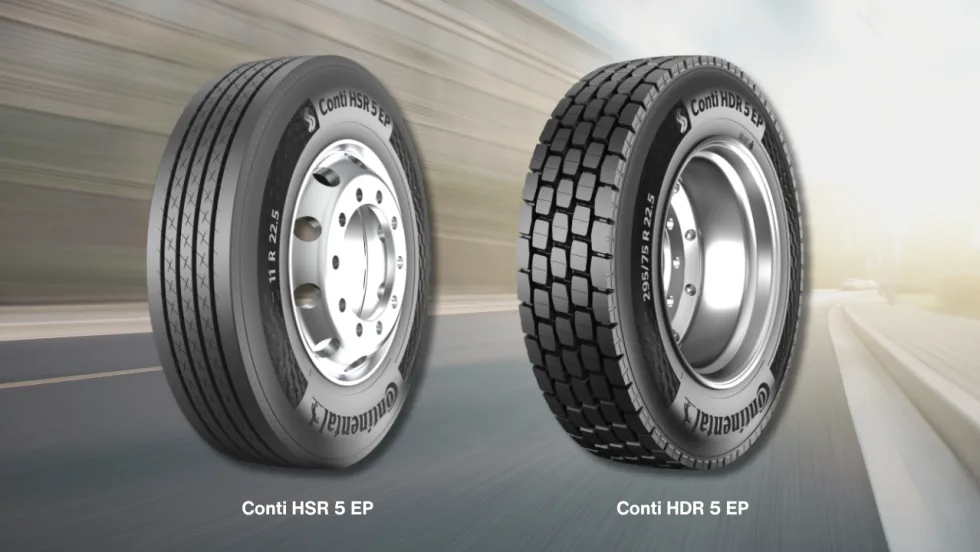
Continental Introduces New Regional Truck Tires
Continental says its new Generation 5 steer and drive tires for regional operations offer longer tread life, with estimated mileage gains of 22% and 19%, respectively.
Read More →