




DOE Study: Engines With Smoking Exhaust Cause 4 Times the Health Hazards
Scientists and health professionals have long believed that engine emissions can be harmful to human health. Although much attention has been directed toward studying soot from diesel engines during the past 20 years, there have been few comparisons of hazards from diesel versus gasoline emissions, particulate versus vapor emissions, or emissions from normal-emitting versus smoking vehicles
Scientists and health professionals have long believed that engine emissions can be harmful to human health.
Although much attention has been directed toward studying soot from diesel engines during the past 20 years, there have been few comparisons of hazards from diesel versus gasoline emissions, particulate versus vapor emissions, or emissions from normal-emitting versus smoking vehicles.
A recent study was funded by the U.S. Department of Energy's (DOE) FreedomCAR and Vehicle Technologies Program, conducted at the Lovelace Respiratory Research Institute in Albuquerque, N.M., and reported in the December 2002 issue of Toxicological Sciences. It provides some significant new insights that help place the hazards of different vehicle emissions into a clearer context.
Preliminary findings suggest that semi-volatile organic compound (SVOC) vapors could be just as toxic as particulate matter (PM) emissions. Based on those findings, the Lovelace study evaluated combined SVOC and PM samples collected from several gasoline and diesel passenger cars and pickup trucks with normal emissions, from single gasoline vehicles emitting visible white and black smoke, and from a diesel vehicle emitting black smoke.
Reactions in lungs of rats were measured to indicate hazards for inflammation and tissue damage (responses that could aggravate asthma and may cause bronchitis), and mutagenicity in bacteria was measured as a crude indicator of cancer hazard.
Why study lung inflammation and tissue damage along with potentially cancerous effects? According to Joe Mauderly, DVM, vice-president of the Lovelace Respiratory Research Institute, director of the National Environmental Respiratory Center, and one of the principal investigators for the study, "The responses that we should be concerned about are not just cancer. We should also be concerned about non-cancerous effects such as irritation, inflammation, lung tissue damage and the things that contribute to asthma and other lung diseases.
"These tests were designed to evaluate both types of effects, because both are important."
Statistics support Mauderly's concerns. According to the American Lung Assn., asthma is one of the nation's most common and costly diseases, having a substantial impact on health, quality of life, and the economy, and resulting in approximately 5,000 deaths annually. That impact is especially serious for young children, as evidenced by the fact that for children under the age of five, asthma rates increased more than 74% between 1980 and 1996, according to the lung association.
Although all of the emission samples tested in the study were toxic to lungs and mutagenic to bacteria at some dose, there was a five-fold difference from the least to most toxic samples for both types of response.
A key finding was that emissions from smoking vehicles, both gasoline and diesel, were clearly more toxic to lungs than emissions from normal vehicles. Although emissions from "smokers" also tended to be more mutagenic to bacteria, the difference was not as striking. At equal doses, the toxicity of the samples from normal gasoline and normal diesel vehicles were similar, suggesting that their health hazards would be similar if the amount of emissions was similar.
From Mauderly's perspective, the magnitude of the high-emitting vehicle problem is one of the more significant findings of this study.
"The implications are that if you have a vehicle -- either gasoline or diesel -- that is putting out twice as much SVOC and PM emissions, and the toxicity of those emissions are twice as toxic as those from normal vehicles, you are likely causing four times the respiratory health hazard because of the multiplier effect. Others have shown that the minority of high-emitters contribute a major share of the total air pollution from vehicles, but these results suggest that they contribute even more disproportionately to the public health burden," says Mauderly.
Mauderly admits that he was surprised at how dramatically the high-emitter problem manifested itself in the samples, but he says that, "these results provide a strong reason to focus on getting the smoking vehicles -- both gasoline and diesel-- off the road and out of the neighborhoods. We need to push for cleaning up or junking the smokers and getting cleaner technologies of both types into the fleet."
For more information on the journal article, go to http://toxsci.oupjournals.org/.
More Aftermarket
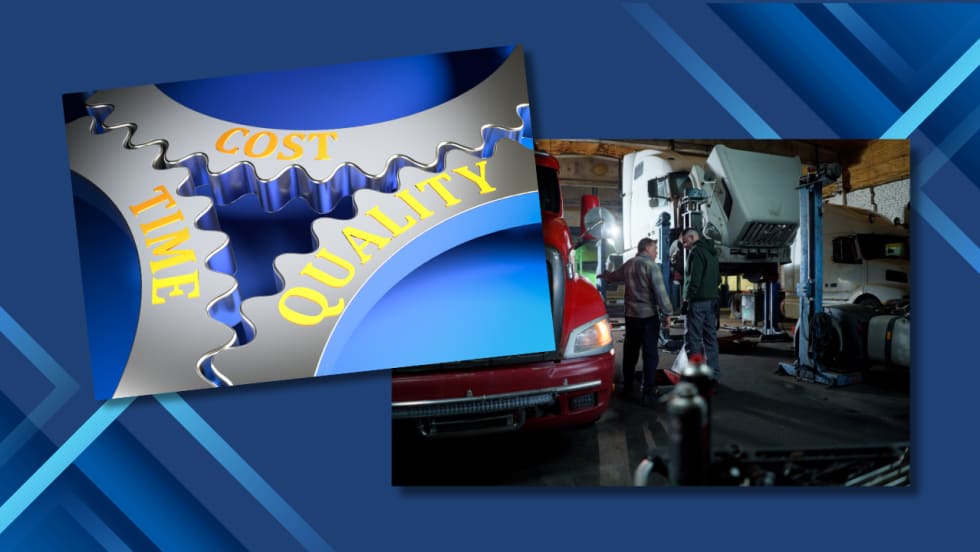
What Three Fleets Are Doing Differently When Buying Truck Parts in 2026
With freight improving but costs still climbing, fleet maintenance executives explain how they're balancing price, quality, and supplier relationships.
Read More →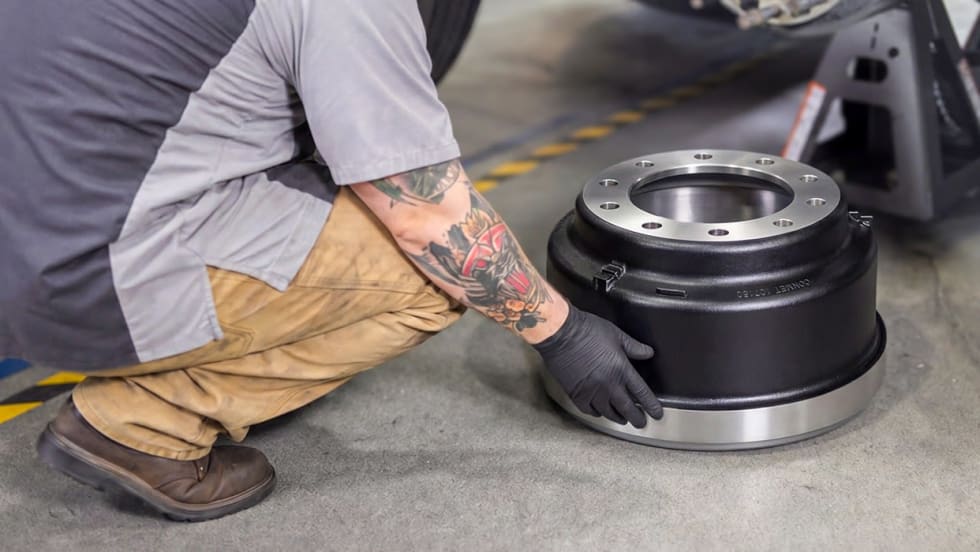
ConMet Expands Aftermarket Brake Drum Lineup With TruCast
A new heavy-duty truck brake drum option in the aftermarket gives customers more flexibility within the ConMet product family.
Read More →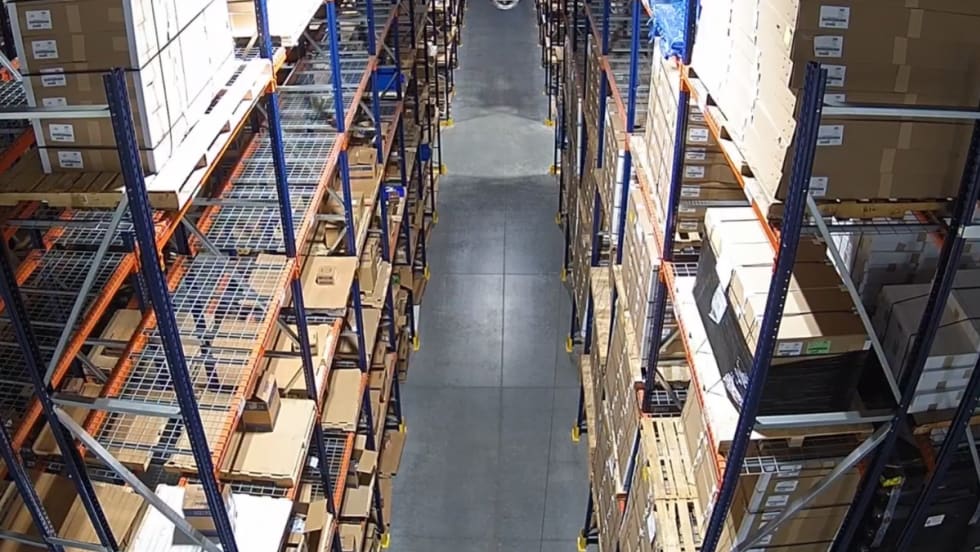
Phillips Opens High-Tech Distribution Center for Faster Parts Delivery
Phillips Industries’ new Cincinnati-area distribution center is now shipping aftermarket trucking parts nationwide, aiming to speed up delivery times for customers.
Read More →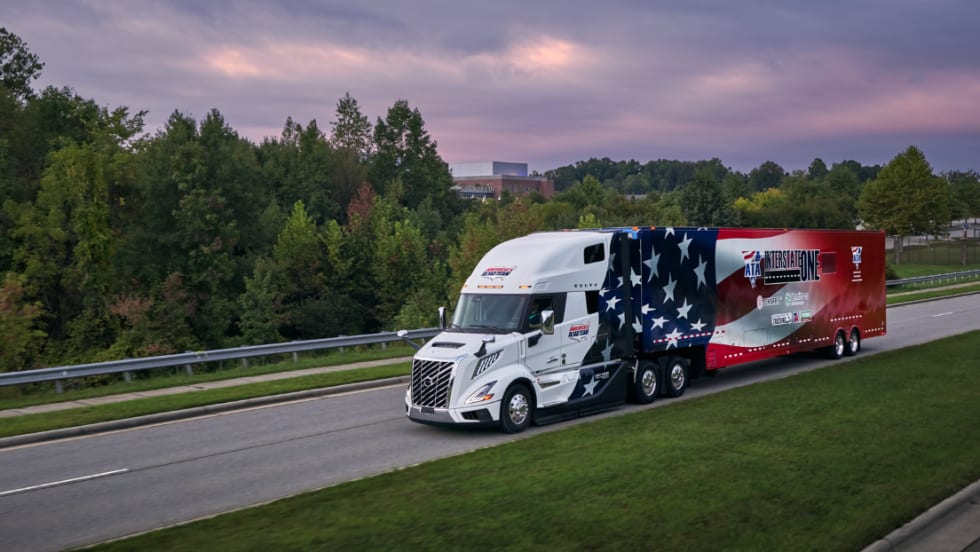
Volvo to Sponsor America’s Road Team for 2025
Volvo Trucks announced that it is extending its exclusive sponsorship of America’s Road Team for 2025.
Read More →
Webb to Start Taking Orders for UltraSet Pre-Adjusted Wheel Hubs
Webb, which recently acquired the Stemco Trifecta pre-adjusted hub program, will soon start taking orders for its replacement pre-assembled hub, the UltraSet.
Read More →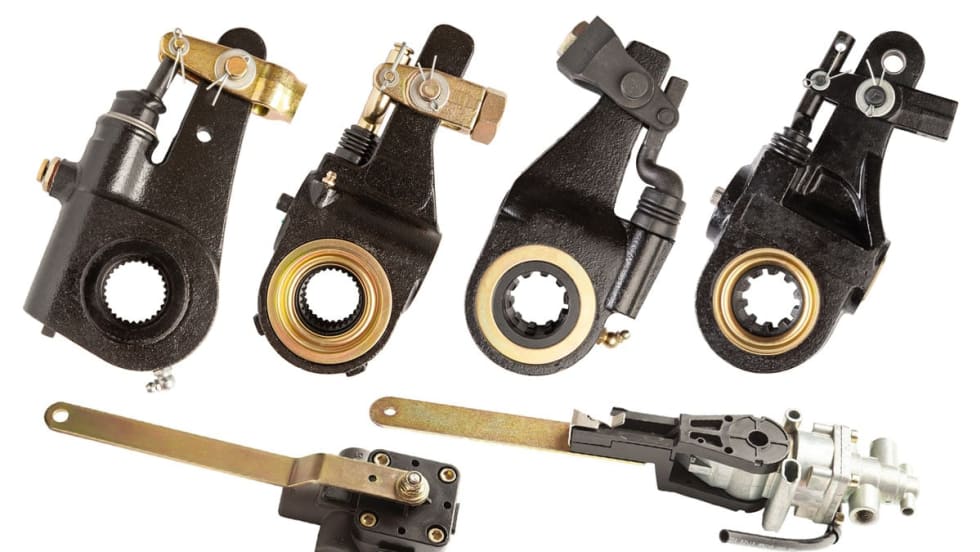
All-Makes Automatic Brake Adjusters, Ride Height Control Valves from Midland
SAF-Holland has added automatic brake adjusters and ride height control valves to its Midland All-Makes Program.
Read More →
ZF Aftermarket Expands [pro]Academy Training
ZF Aftermarket said it is expanding its ZF [pro]Academy training and will be adding 40 new modules this year.
Read More →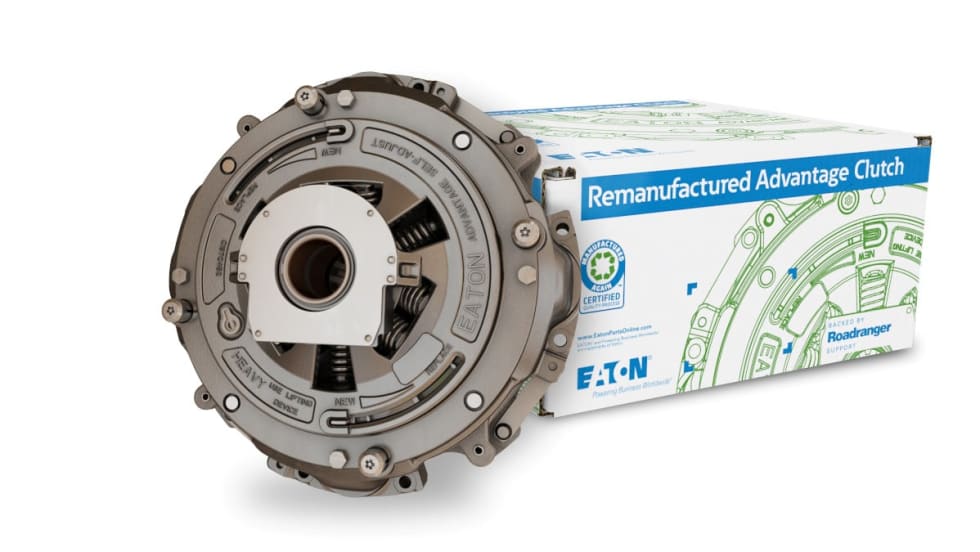
Eaton Adds Remanufactured Advantage Line of Clutches
Eaton has added its Advantage clutches to its remanufactured product line. The clutches feature a unique strap drive intermediate plate designed to allow customers to choose the latest OE specification
Read More →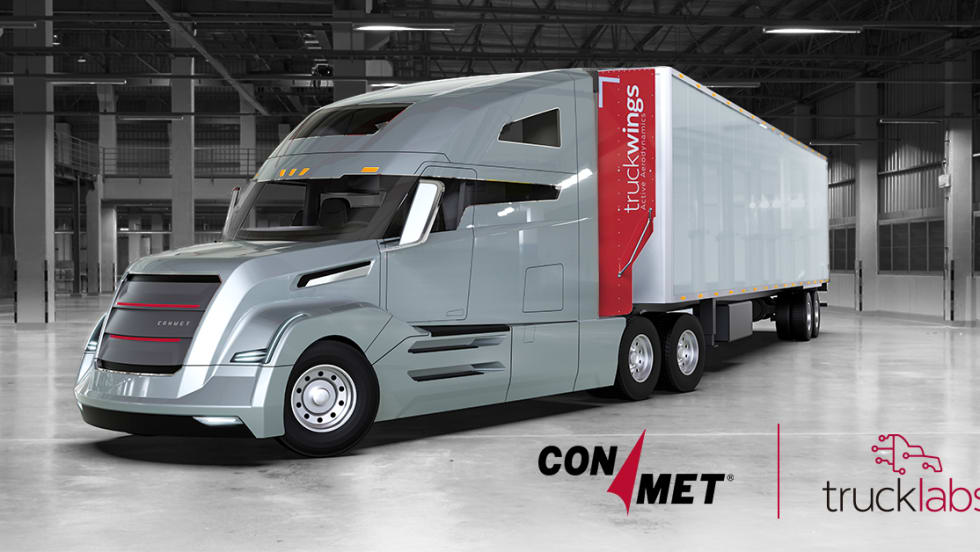
ConMet Acquires TruckLabs, the Creator of TruckWings
Commercial truck and trailer parts provider ConMet acquired TruckLabs, the company that created TruckWings, an aerodynamic device that attaches to truck cabs and deploys to close the gap between truck and trailer. TruckLabs now operates as a subsidiary of ConMet.
Read More →
Diesel Laptops Releases Fault-Code-to-Part-Number Tool
Diesel Laptops said its Truck Fault Codes allows users to input a fault code and immediately identify and order the parts needed to complete repair work.
Read More →