





Related: UPS Orders 125 Tesla Electric Trucks
Details Emerge on Tesla's Planned Electric Truck Charging Network
A report by Reuters indicates Tesla is working with Anheuser-Busch, PepsiCo and UPS to put an electric truck charging network in place ahead of the truck's start of production next year.
February 2, 2018
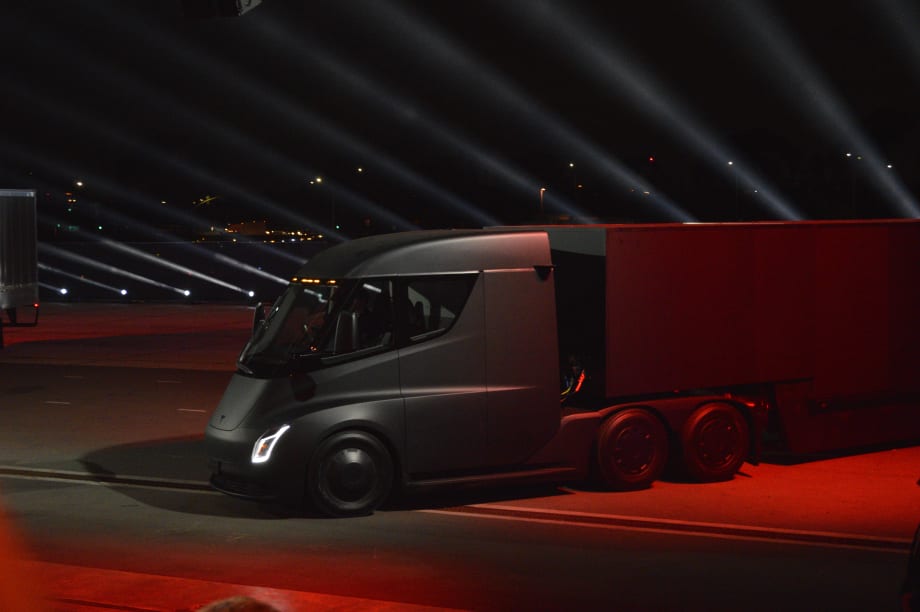
According to a Reuters report, Tesla is working with several leading North American fleets to install a network of electric truck charging stations. Photo: Jack Roberts
2 min to read
According to a Reuters report, Tesla is working with several leading North American fleets to install a network of electric truck charging stations. Photo: Jack Roberts
At the Tesla Semi truck launch in Hawthorne, California, last fall, CEO Elon Musk made passing reference to a planned network of high-capacity charging stations that would eventually be put in place to recharge his electric trucks and extend their daily range. Details on that network were sparse, however.
Now, Reuters has learned that Musk and Tesla are collaborating with several logistics leaders in North America to put the beginnings of that charging network in place. According to a report from Reuters, Anheuser-Busch, PepsiCo and United Parcel Service are working with the electric truck builder to construct on-site charging terminals at their facilities as Tesla ramps up production of its new truck next year. These firms are among nine major logistics providers in North America that have placed pre-orders for the new electric truck.
According to the report, details of the deal are still under negotiation, but will include design and engineering input from Tesla. Reuters notes that the agreement bolsters Musk’s claims that Tesla can put a charging network in place in time to support the new truck, and is, in fact, working to overcome one of the most widely cited shortcomings in his publicly stated plans for the Semi truck. The agreement is also a strong indication that Tesla truck customers are taking both the vehicle and its deployment seriously, and working with the company to ensure as smooth a launch as possible once the trucks enter production.
Reuters reports the companies it spoke to indicated their initial effort will be to install charging equipment on their own premises, with the first Tesla Semis deployed on routes that will return them to their home base at the end of a daily run, before the batteries run down.
Reuters also noted in the report that Tesla is also working on establishing its own network of electric truck stops, which will sell electric charges to truckers. Tesla already operates more than 1,100 “supercharger” stations globally for drivers of its passenger cars. Musk noted during the Semi launch last fall Tesla intends to construct a network of solar-powered “megachargers” that he said could recharge a Semi truck battery in as little as 30 minutes.
However, the report also noted that Tesla is “stretched thin and burning cash,” raising more questions as to how quickly the company is capable of putting the planned truck-oriented charging network in place. Some analysts and trucking executives, the report adds, doubt that Tesla can deliver the Semi in 2019, much less a vast charging infrastructure to support it.
More Fuel Smarts

Trucking’s Diesel Squeeze Isn’t Letting Up
With diesel topping $6 a gallon nationally, ATA's Bob Costello explains why fleets should prepare for continued pressure at the pump.
Read More →
FlowBelow Redesigns Trailer AeroSlider to Cut Fuel Use
The lighter trailer aerodynamic system installs in less than 45 minutes, according to the company, with potential payback in under a year depending on fuel prices and trailer mileage.
Read More →
Why Diesel Price Relief Efforts May Fall Short
Diesel prices have eased from September’s record high, but doubts about additional Russian supply and limits on dyed-diesel tax relief mean trucking fleets still face expensive fuel. And prices could go higher.
Read More →
Why Small Fuel Savings Matter in Trucking
Can better fuel economy help pay for driver raises? In this podcast, GP Transco explains how small efficiency gains create room to reinvest in its people.
Read More →
How GP Transco Cuts Trucking Fuel Costs, a Tenth of a Gallon at a Time
What’s another tenth of a mile per gallon worth? GP Transco shares how equipment upgrades and driver coaching turn small gains into meaningful fuel savings.
Read More →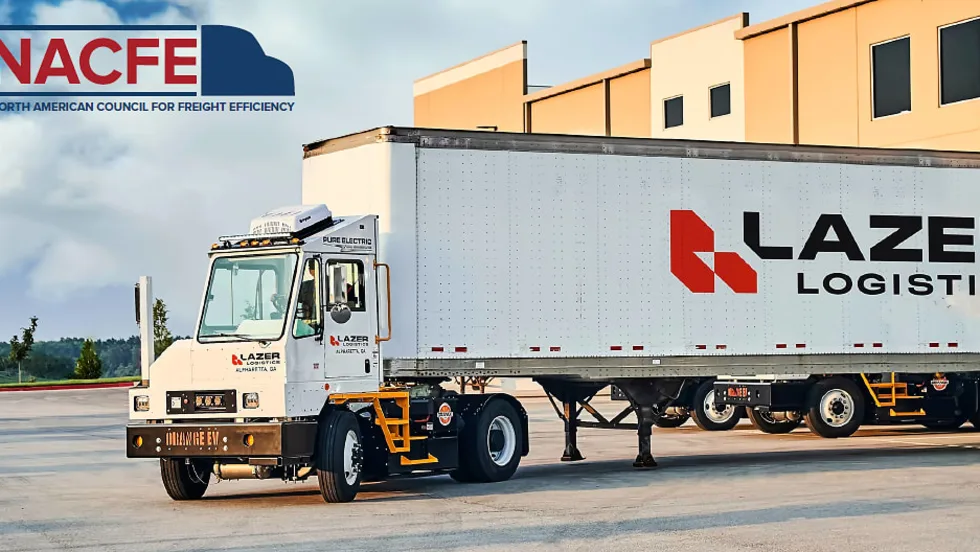
Electric Yard Tractors Move Beyond Pilots
Operating-cost savings have overtaken sustainability goals as the leading reason surveyed fleets are adopting battery-electric terminal tractors, according to new NACFE research.
Read More →
Geotab Links Fleet Card to Vehicle Data
The new card combines fuel discounts with telematics-based purchase controls. Geotab’s analysis also points to potential savings from choosing lower-priced fuel stops.
Read More →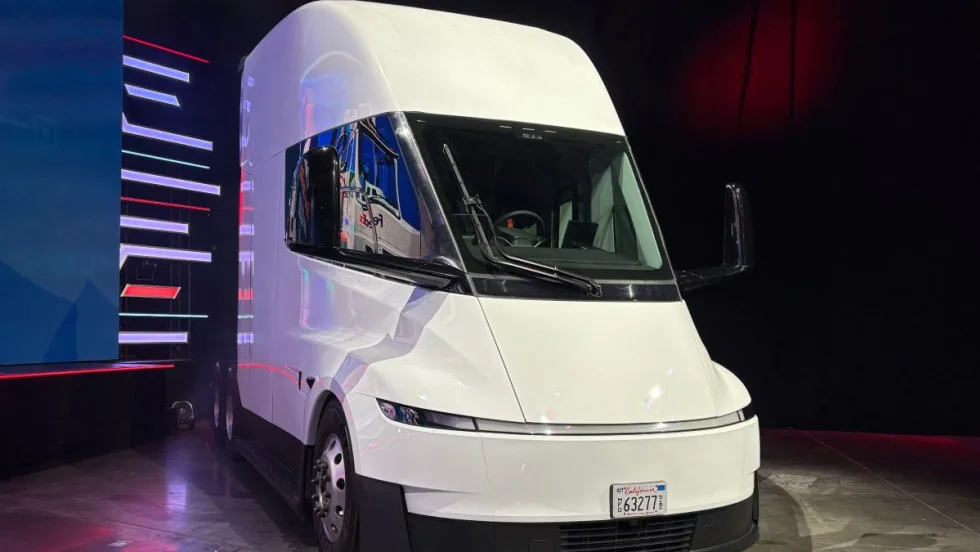
Fleet Economics Shape Electric Truck Outlook
ACT Research expects costs, charging infrastructure, and technology improvements to drive zero-emission commercial vehicle adoption as federal regulations and incentives retreat.
Read More →
Wex Adds Cardless Fuel Payments for Over-the-Road Customers
A new fuel card feature for Wex customers offers convenience and security.
Read More →
New California Law Could Shed Light on Electric Truck Prices
Why do battery-electric Class 8 trucks remain so expensive? A California bill signed by Gov. Gavin Newsom would give fleets and state agencies more visibility into what manufacturers charge.
Read More →