




Daimler Trucks Posts Second Quarter Improvements
German truck and automaker Daimler AG reported Wednesday that it’s third quarter underlying profit, along with earnings, both increased in the second quarter of the year.

Daimler Trucks' Future Truck, unveiled earler this month. Photo: Evan Lockridge
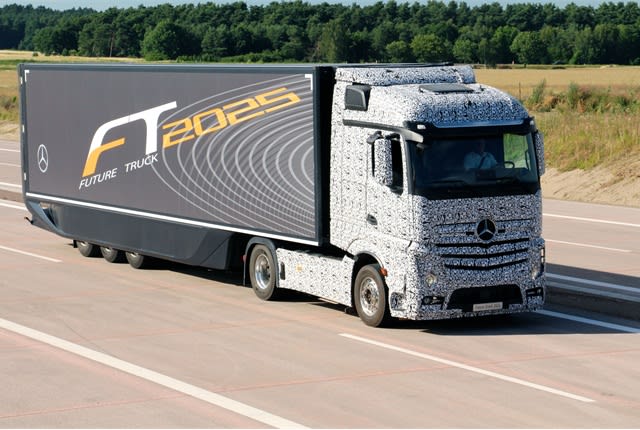
Daimler Trucks' Future Truck, unveiled earler this month. Photo: Evan Lockridge
German truck and automaker Daimler AG reported Wednesday that it’s third quarter underlying profit, along with earnings, both increased in the second quarter of the year.
Earnings before interest and taxes rose 12% from the same time a year earlier while revenue grew 6% during the same time. Net profit fell considerably due to a sale of shares it owned in the European company EADS, now known as Airbus Group
Worldwide, 628,900 passenger cars and commercial vehicles were sold from April through June, which is 4% more than in the same period of last year.
“We are growing profitably, our strategy is bearing fruit,” stated Dr. Dieter Zetsche, chairman of the board of management of Daimler AG and head of Mercedes-Benz cars. “We are steadily continuing along our path. We are satisfied with the second quarter and continue to work consequently on structural improvements.”
Unit sales by Daimler Trucks developed very differently from one region to another also in the second quarter. Worldwide, sales of 126,100 trucks were 2% higher than in the prior-year period. In North America sales rose 18% to 41,100 units. In Western Europe, sales were 7% lower than in the second quarter of last year, primarily due to purchases being brought forward because of the introduction of the new Euro VI emission limits at the end of 2013, according to the company. In Latin America, the current economic situation continued to have a negative impact on demand for trucks.
Daimler Trucks second-quarter revenue of was at the prior-year level. The division’s earnings before interest and taxes increased to 455 million euros, compared to second quarter 2013 of 434 million euros.
“The significant increase in unit sales in the NAFTA region and reduced warranty expenses were the main drivers of the stronger earnings, while ongoing weak demand in Latin America and exchange-rate effects had a negative impact,” the company said in a statement.
Daimler AG is the parent company to Daimler Truck North America, which has the Freightliner, Wester Star and Detroit Diesel brands. The company also produces Mercedes-Benz cars.
Read more about this from Reuters as well as on the Daimler website.
More Equipment
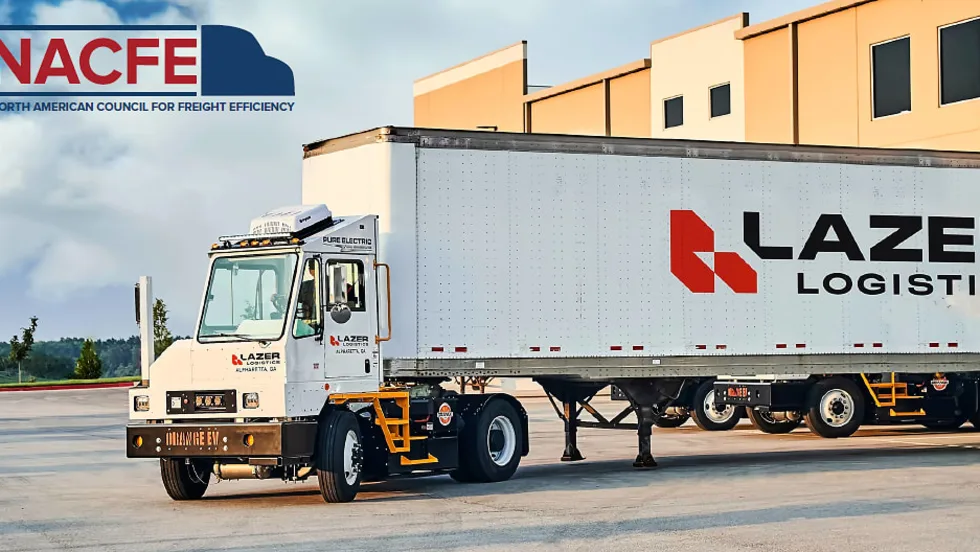
Electric Yard Tractors Move Beyond Pilots
Operating-cost savings have overtaken sustainability goals as the leading reason surveyed fleets are adopting battery-electric terminal tractors, according to new NACFE research.
Read More →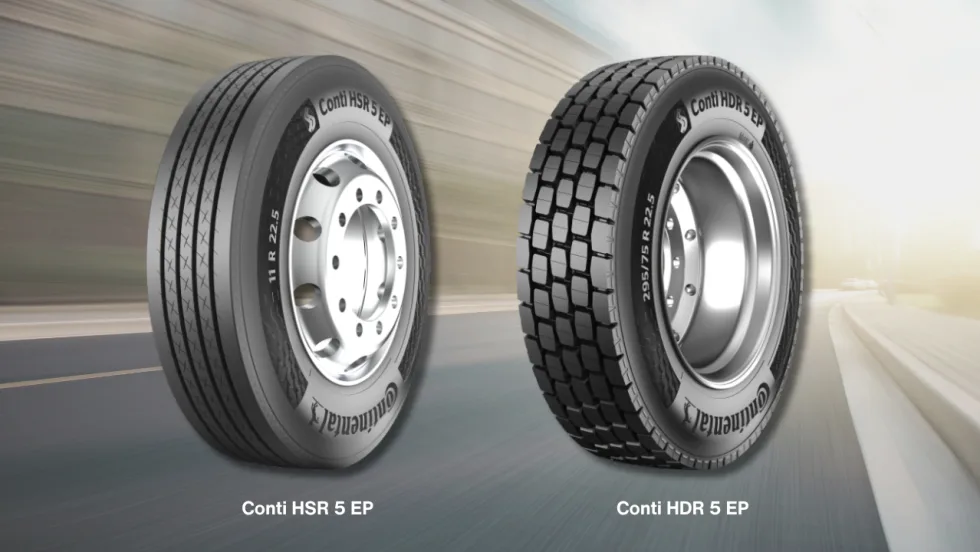
Continental Introduces New Regional Truck Tires
Continental says its new Generation 5 steer and drive tires for regional operations offer longer tread life, with estimated mileage gains of 22% and 19%, respectively.
Read More →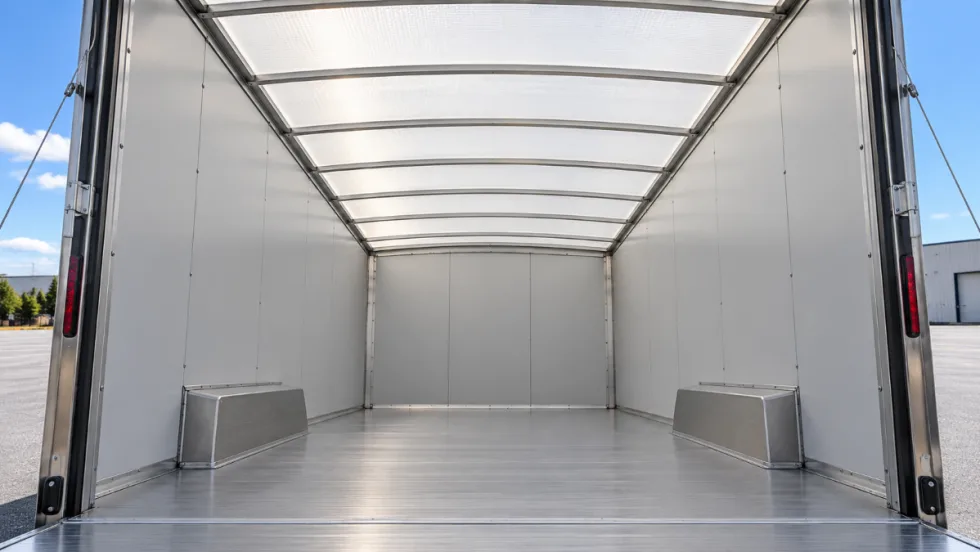
Tekmodo Introduces CargoBright Brand for Translucent Trailer Roofs
CargoBright is designed to diffuse daylight across the cargo area while performing as a working vehicle roof.
Read More →
Fleet Economics Shape Electric Truck Outlook
ACT Research expects costs, charging infrastructure, and technology improvements to drive zero-emission commercial vehicle adoption as federal regulations and incentives retreat.
Read More →
Kodiak Targets Dallas–Houston for Driverless Trucks
The company says its autonomous trucks are completing the I-45 run without a safety observer taking control. It plans to remove the observer by the end of 2026.
Read More →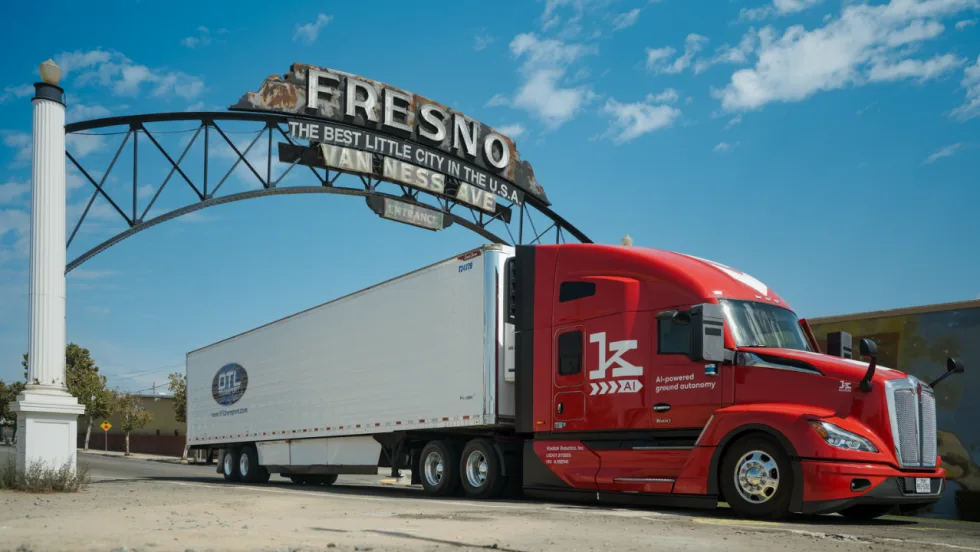
Kodiak Hauls Produce in California Autonomous Truck Pilot
Kodiak AI and DTL Transport have begun hauling produce between Fresno and Los Angeles under California’s new rules for testing heavy-duty autonomous trucks. A safety driver remains behind the wheel.
Read More →
Used-Truck Remarketing Math Is Changing
Used-truck value is no longer just a concern at trade-in. Decisions made throughout a truck’s first life can influence what it’s worth years later.
Read More →
How Volvo Updated Its D13 for EPA 2027 [Watch]
Volvo’s updated D13 promises lower emissions without sacrificing performance or fuel economy. Take a closer look at what changed inside the engine in this HDT Spotlight video.
Read More →
Michelin Tire Improves Efficiency and Durability for Regional Fleets
The Michelin X Multi Energy D2 is a regional haul drive tire engineered to help fleets improve fuel efficiency, durability and traction in demanding stop-and-go operations.
Read More →
ZF Expands Commercial Vehicle Push in North America
ZF is expanding its North American commercial-vehicle presence with new transmission applications, electrification, trailer technology and autonomous-driving systems.
Read More →