




Cummins Electronic Feature Improves Fuel Economy
Cummins now offers Load-Based Speed Control (LBSC), an electronic feature on ISX and ISM engines that is designed to help drivers improve fuel economy.
Cummins now offers Load-Based Speed Control (LBSC), an electronic feature on ISX and ISM engines that is designed to help drivers improve fuel economy.
Load-Based Speed Control, a patented feature, is available on all Cummins ISX and ISM engines released to meet the October 2002 emissions standard and is standard on Cummins SmartTorque ratings. LBSC is designed to improve fuel economy, lower vehicle noise and improve driver satisfaction by managing engine speed (rpm) based on operating conditions.
LBSC promotes more efficient operation by limiting the usable engine speed during low and intermediate power requirements. During high power requirements, LBSC enhances engine performance by providing the driver with an extended operating range. In addition to the fuel economy benefits from operating the engine at lower speeds, vehicle noise is lowered.
Load-Based Speed Control improves driver satisfaction by providing enhanced performance over traditional 1800-rpm engine ratings, according to Cummins.
When climbing grades, vehicle performance is improved by utilizing higher engine speeds. This allows a driver to operate the engine up to 2,000 rpm and make downshifts at higher rpm's, resulting in better hill-climbing performance.
"Load-Based Speed Control is an 'intelligent' electronic feature, designed to improve fuel economy while providing better performance for drivers," said Tom Kieffer, Cummins executive director of marketing.
"Load-Based Speed Control has been called a "virtual driver trainer" because it assists drivers in operating engines in the most fuel-efficient manner. As a result, LBSC is an important tool in improving overall fleet fuel economy."
Cummins home page can be found at www.cummins.com.
More Aftermarket

What Three Fleets Are Doing Differently When Buying Truck Parts in 2026
With freight improving but costs still climbing, fleet maintenance executives explain how they're balancing price, quality, and supplier relationships.
Read More →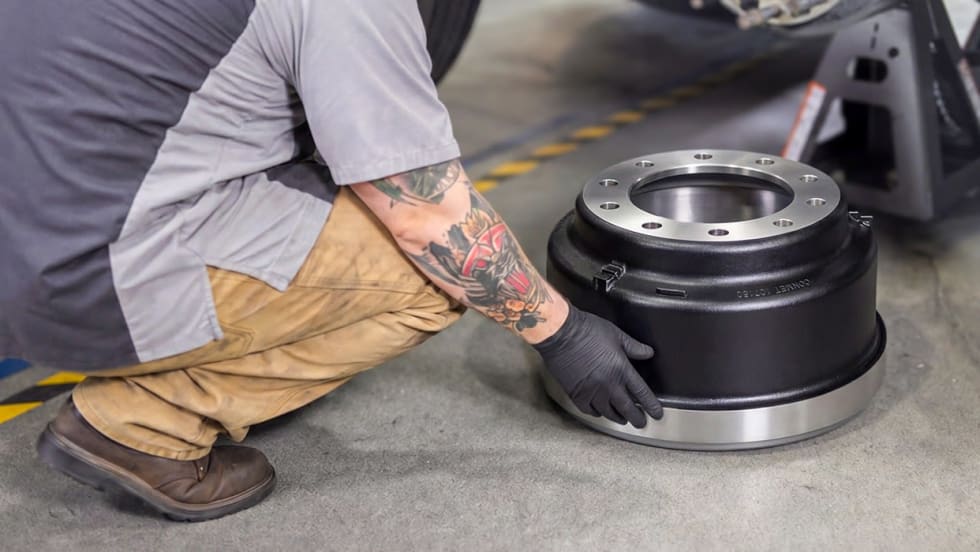
ConMet Expands Aftermarket Brake Drum Lineup With TruCast
A new heavy-duty truck brake drum option in the aftermarket gives customers more flexibility within the ConMet product family.
Read More →
Phillips Opens High-Tech Distribution Center for Faster Parts Delivery
Phillips Industries’ new Cincinnati-area distribution center is now shipping aftermarket trucking parts nationwide, aiming to speed up delivery times for customers.
Read More →
Volvo to Sponsor America’s Road Team for 2025
Volvo Trucks announced that it is extending its exclusive sponsorship of America’s Road Team for 2025.
Read More →
Webb to Start Taking Orders for UltraSet Pre-Adjusted Wheel Hubs
Webb, which recently acquired the Stemco Trifecta pre-adjusted hub program, will soon start taking orders for its replacement pre-assembled hub, the UltraSet.
Read More →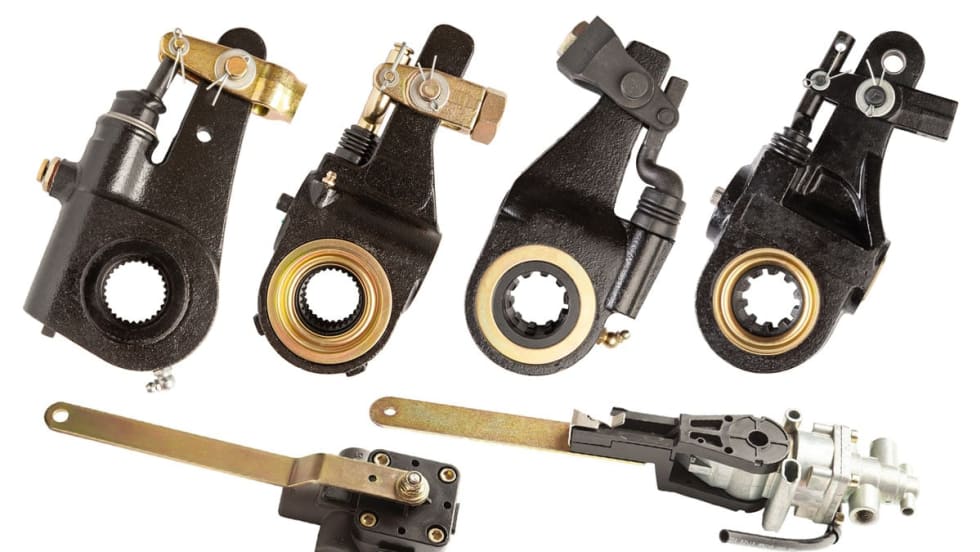
All-Makes Automatic Brake Adjusters, Ride Height Control Valves from Midland
SAF-Holland has added automatic brake adjusters and ride height control valves to its Midland All-Makes Program.
Read More →
ZF Aftermarket Expands [pro]Academy Training
ZF Aftermarket said it is expanding its ZF [pro]Academy training and will be adding 40 new modules this year.
Read More →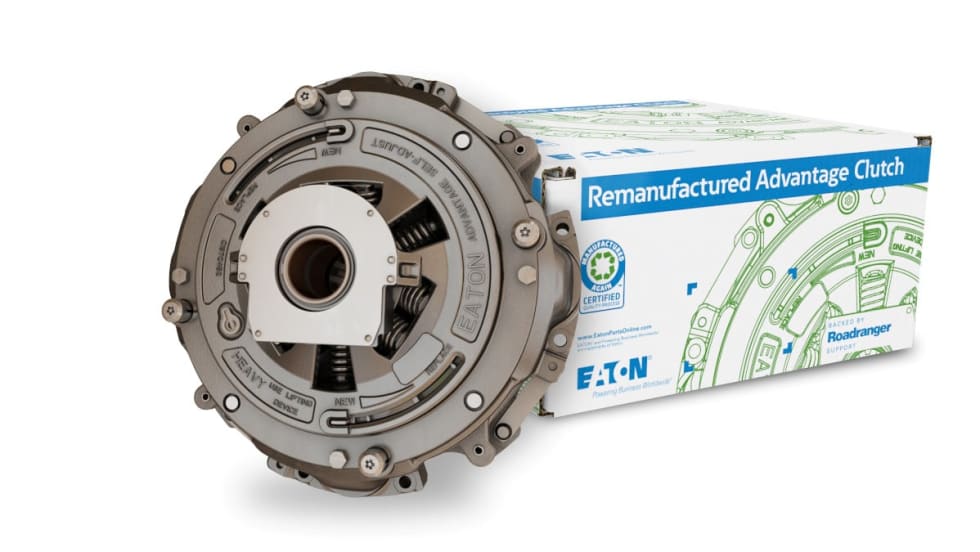
Eaton Adds Remanufactured Advantage Line of Clutches
Eaton has added its Advantage clutches to its remanufactured product line. The clutches feature a unique strap drive intermediate plate designed to allow customers to choose the latest OE specification
Read More →
ConMet Acquires TruckLabs, the Creator of TruckWings
Commercial truck and trailer parts provider ConMet acquired TruckLabs, the company that created TruckWings, an aerodynamic device that attaches to truck cabs and deploys to close the gap between truck and trailer. TruckLabs now operates as a subsidiary of ConMet.
Read More →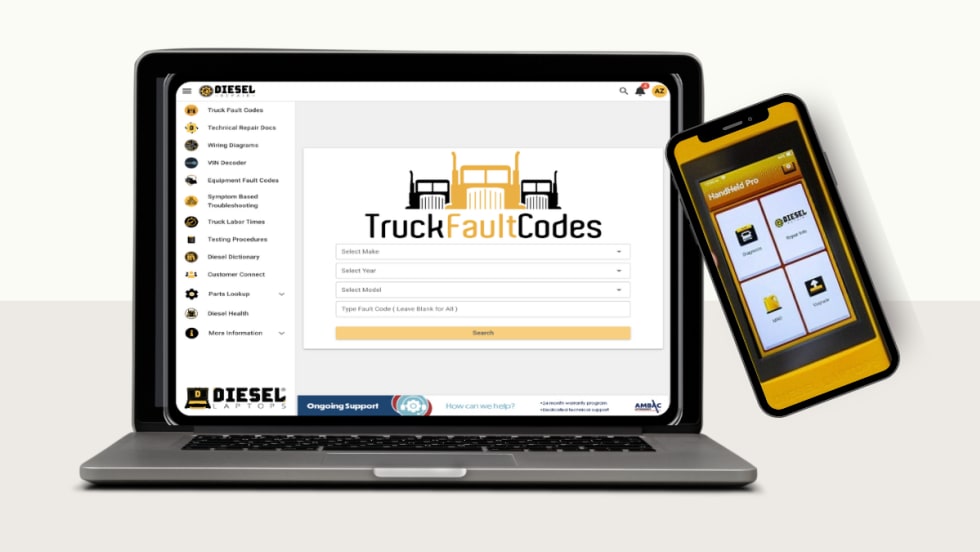
Diesel Laptops Releases Fault-Code-to-Part-Number Tool
Diesel Laptops said its Truck Fault Codes allows users to input a fault code and immediately identify and order the parts needed to complete repair work.
Read More →