




Cross-Border Truck Program Safety Standards Published
The U.S. Department of Transportation published additional details about the rigorous safety standards and inspection program in place for its cross-border trucking demonstration program in a supplemental Federal Register notice Friday.
The U.S. Department of Transportation published additional details about the rigorous safety standards and inspection program in place for its cross-border trucking demonstration program in a supplemental Federal Register notice Friday.
"This information shows the great lengths to which we've gone to ensure this program meets high safety standards while providing American businesses opportunities for further economic growth," Federal Motor Carrier Safety Administrator John H. Hill said. "We continue to meet or exceed every condition required by law."
The notice includes comprehensive information about the cross-border trucking demonstration program, including pre-authorization safety audits of Mexican trucking companies, which are conducted by U.S. auditors in Mexico.
It also details specific measures already in place to protect public health and safety - including roadside inspections, safety ratings, compliance reviews and civil penalties - as well as English language proficiency requirements and a review of U.S. motor carrier safety laws and corresponding Mexican regulations.
The supplemental notice, which was required by the Iraq War Supplemental appropriations bill passed by Congress and signed by President Bush late last month, is available at http://dmses.dot.gov/docimages/p101/472439.pdf and will be open for comment until June 28.
FMCSA will analyze comments received from this supplemental notice - as well as the original Federal Register notice published May 1 - once the new comment period closes.
More Equipment
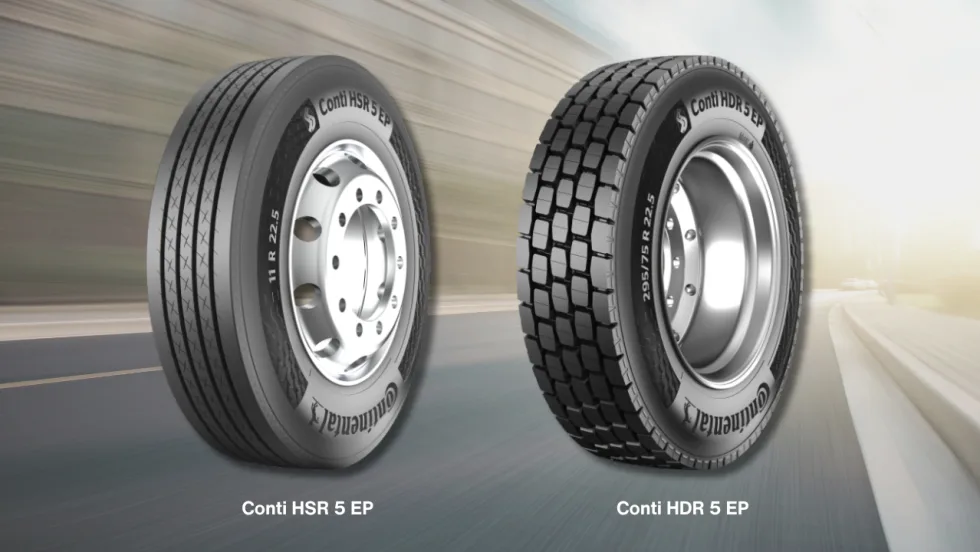
Continental Introduces New Regional Truck Tires
Continental says its new Generation 5 steer and drive tires for regional operations offer longer tread life, with estimated mileage gains of 22% and 19%, respectively.
Read More →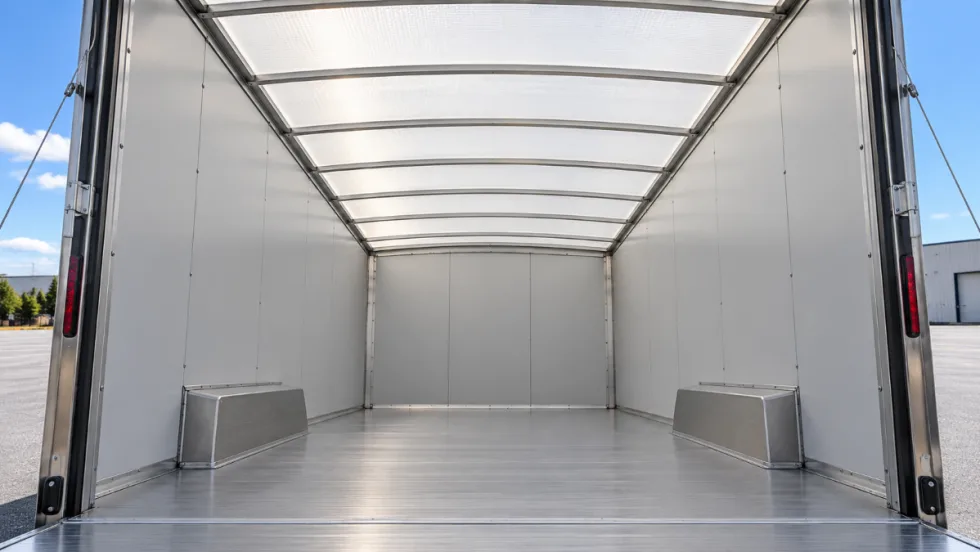
Tekmodo Introduces CargoBright Brand for Translucent Trailer Roofs
CargoBright is designed to diffuse daylight across the cargo area while performing as a working vehicle roof.
Read More →
Fleet Economics Shape Electric Truck Outlook
ACT Research expects costs, charging infrastructure, and technology improvements to drive zero-emission commercial vehicle adoption as federal regulations and incentives retreat.
Read More →
Kodiak Targets Dallas–Houston for Driverless Trucks
The company says its autonomous trucks are completing the I-45 run without a safety observer taking control. It plans to remove the observer by the end of 2026.
Read More →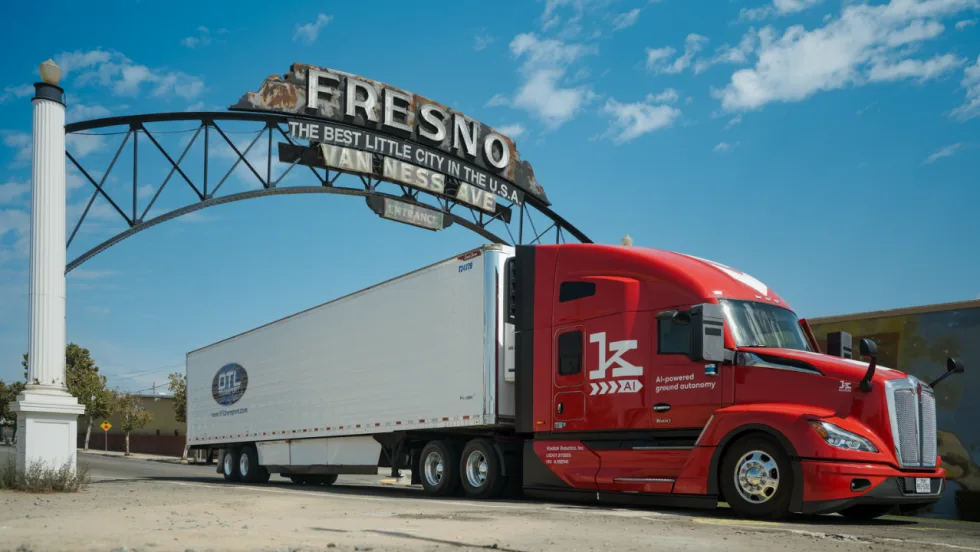
Kodiak Hauls Produce in California Autonomous Truck Pilot
Kodiak AI and DTL Transport have begun hauling produce between Fresno and Los Angeles under California’s new rules for testing heavy-duty autonomous trucks. A safety driver remains behind the wheel.
Read More →
Used-Truck Remarketing Math Is Changing
Used-truck value is no longer just a concern at trade-in. Decisions made throughout a truck’s first life can influence what it’s worth years later.
Read More →
How Volvo Updated Its D13 for EPA 2027 [Watch]
Volvo’s updated D13 promises lower emissions without sacrificing performance or fuel economy. Take a closer look at what changed inside the engine in this HDT Spotlight video.
Read More →
Michelin Tire Improves Efficiency and Durability for Regional Fleets
The Michelin X Multi Energy D2 is a regional haul drive tire engineered to help fleets improve fuel efficiency, durability and traction in demanding stop-and-go operations.
Read More →
ZF Expands Commercial Vehicle Push in North America
ZF is expanding its North American commercial-vehicle presence with new transmission applications, electrification, trailer technology and autonomous-driving systems.
Read More →
Tesla Wants a Self-Driving Semi. Are Cameras Enough?
Could Tesla’s camera-only autonomous driving technology work on an 80,000-pound Semi? In this commentary, HDT's Deborah Lockridge takes a look at Tesla, Cybercab, and how autonomous trucks see the road.
Read More →