




Council Starts Dialogue Between OEMs, End Users On Fuel-Saving Technology
At the inaugural meeting of the North American Council for Freight Efficiency last week, the Rocky Mountain Institute's Move team spurred a dialogue between users of "efficiency technologies" and the makers of these fuel-saving products. While the two industry groups don't always understand each other, they certainly agreed on the same thing at the council meeting: There is no source of fair, independent and neutral information on these technologies

At the inaugural meeting of the North American Council for Freight Efficiency last week, the Rocky Mountain Institute's Move team spurred a dialogue between users of "efficiency technologies" and the makers of these fuel-saving products. While the two industry groups don't always understand each other, they certainly agreed on the same thing at the council meeting: There is no source of fair, independent and neutral information on these technologies.
The NACFE, which was officially launched at the Chicago meeting on Nov. 3, hopes to address that problem, with the long-term goal of providing a database of information and interpretation of that information. The database will serve as a "Consumer Reports" of sorts, where the trucking industry can turn to for information on what efficiency technologies to invest in, said Hiroko Kawai, principal of RMI's Move team.
Kawai said the group will not test the technologies, but will approve certifiers and testers. NACFE does not want to take the place of testing efforts out there, such as the EPA's Smartway program.
"There is a lack of trustworthy information evaluating different technologies for fleets to make investment decisions," she said. "The freight industry, and the trucking industry in particular, have been burned by a snake-oil salesman approach to technology, and it is difficult for end users of innovative technologies to accelerate market adoption."
Serving Both SIdes
On the one hand, the group will serve the end user, including trucking companies and drivers, by evaluating how trustworthy information is. This will be done by pinpointing which technologies or providers are not delivering on their promises, Kawai said.
On the other hand, the group will work towards accelerating market adoption of these technologies on the manufacturers' side. "It is hard for them to lead the market even when they offer the necessary innovations," Kawai said.
That's where the collaboration and dialogue between both sides comes in. According to Kawai, representatives from the Owner-Operator Independent Drivers Association were on hand at the meeting to provide their perspective. The panelists told the OEMs in the room that the OOIDA would not be on board with these technologies unless the manufacturers listened to their needs, which are centered around their drivers.
The event also attracted representatives from major trucking fleets such as Swift and J.B. Hunt, shippers such as Frito-Lay and Kraft Foods, the Environmental Protection Agency, and manufacturers such as Eaton and Michelin.
Real Benefits
For some end users in the industry, talk of sustainability and going green is a foreign language. "They don't say out loud that green doesn't matter," Kawai said, of the end user's perspective. But, "their profit margin is really thin." In order for these technologies to catch on with the end user, Kawai said manufacturers must speak their language, and convert these green technologies into tangible, financial benefits that will affect the fleet's bottom line. "Money is also a key to make the technology available and make sure the risk is mitigated for small businesses," she said.
This issue was also addressed at the meeting. For example, the council decided that it needs to create a financing arm at some point, most likely two years down the road, Kawai said. This, along with other steps the council will take, will help mitigate the problems associated with adoption of these technologies.
"Freight efficiency will gives the North American continent a leg up to accelerate global commerce and competitiveness," Kawai said.
More Aftermarket

What Three Fleets Are Doing Differently When Buying Truck Parts in 2026
With freight improving but costs still climbing, fleet maintenance executives explain how they're balancing price, quality, and supplier relationships.
Read More →
ConMet Expands Aftermarket Brake Drum Lineup With TruCast
A new heavy-duty truck brake drum option in the aftermarket gives customers more flexibility within the ConMet product family.
Read More →
Phillips Opens High-Tech Distribution Center for Faster Parts Delivery
Phillips Industries’ new Cincinnati-area distribution center is now shipping aftermarket trucking parts nationwide, aiming to speed up delivery times for customers.
Read More →
Volvo to Sponsor America’s Road Team for 2025
Volvo Trucks announced that it is extending its exclusive sponsorship of America’s Road Team for 2025.
Read More →
Webb to Start Taking Orders for UltraSet Pre-Adjusted Wheel Hubs
Webb, which recently acquired the Stemco Trifecta pre-adjusted hub program, will soon start taking orders for its replacement pre-assembled hub, the UltraSet.
Read More →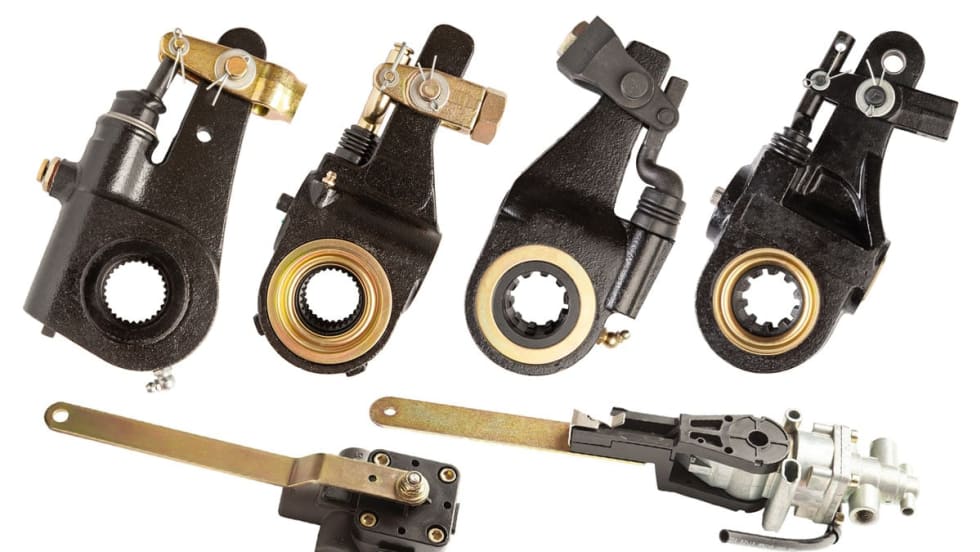
All-Makes Automatic Brake Adjusters, Ride Height Control Valves from Midland
SAF-Holland has added automatic brake adjusters and ride height control valves to its Midland All-Makes Program.
Read More →
ZF Aftermarket Expands [pro]Academy Training
ZF Aftermarket said it is expanding its ZF [pro]Academy training and will be adding 40 new modules this year.
Read More →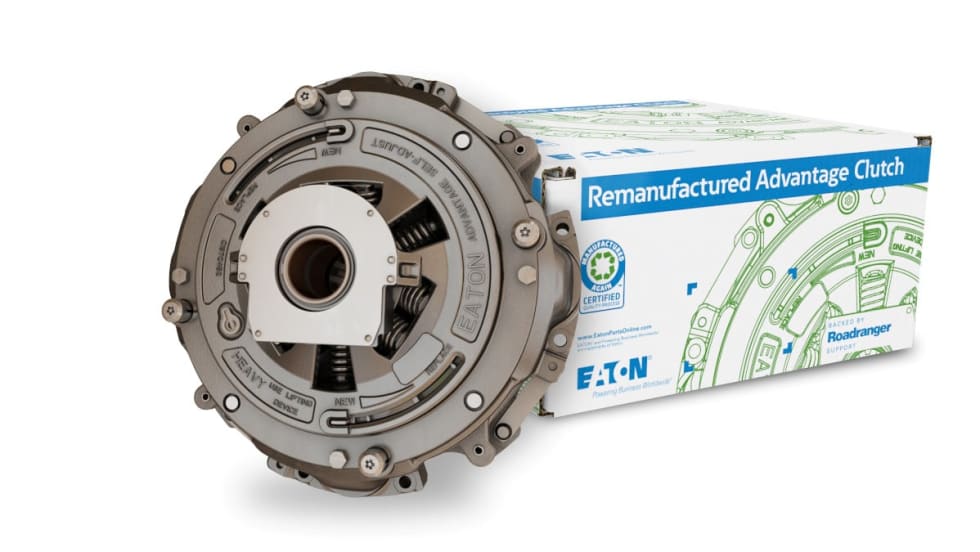
Eaton Adds Remanufactured Advantage Line of Clutches
Eaton has added its Advantage clutches to its remanufactured product line. The clutches feature a unique strap drive intermediate plate designed to allow customers to choose the latest OE specification
Read More →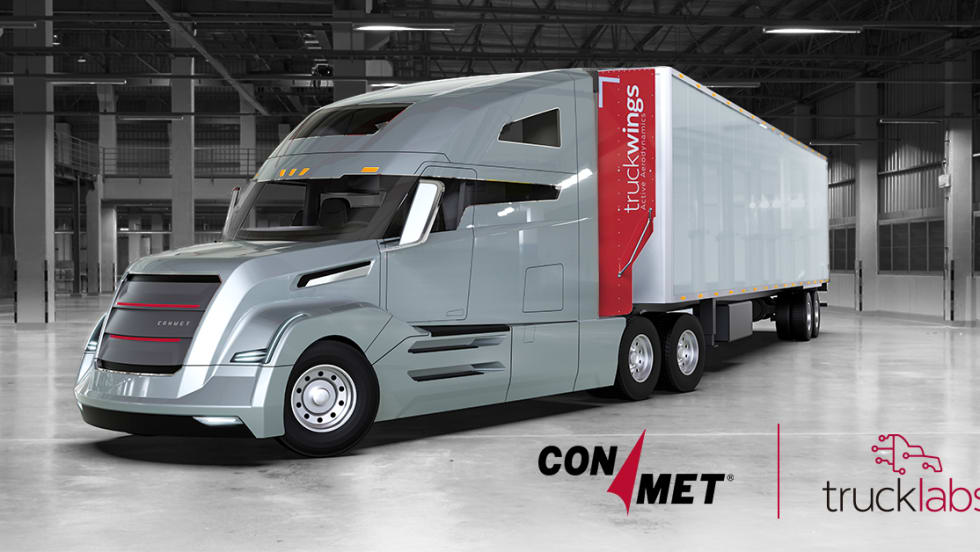
ConMet Acquires TruckLabs, the Creator of TruckWings
Commercial truck and trailer parts provider ConMet acquired TruckLabs, the company that created TruckWings, an aerodynamic device that attaches to truck cabs and deploys to close the gap between truck and trailer. TruckLabs now operates as a subsidiary of ConMet.
Read More →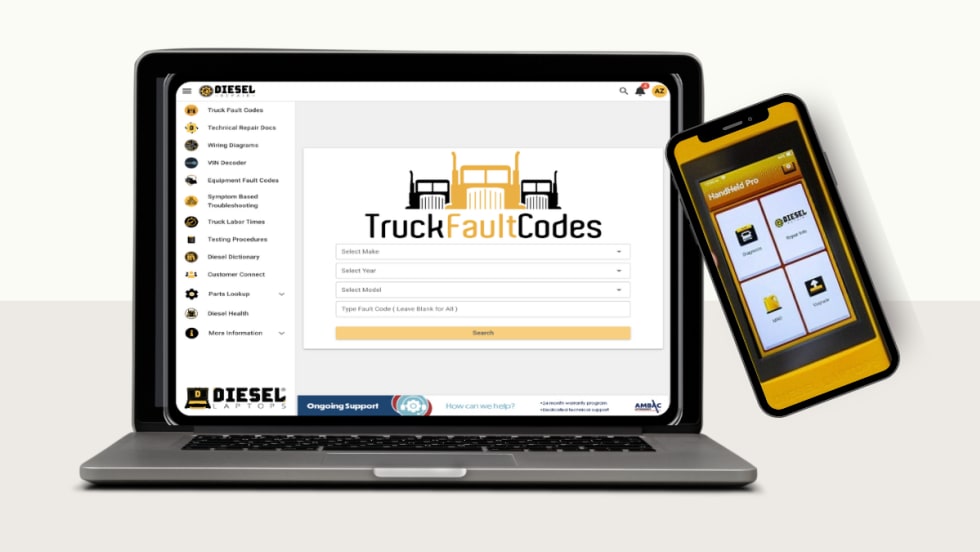
Diesel Laptops Releases Fault-Code-to-Part-Number Tool
Diesel Laptops said its Truck Fault Codes allows users to input a fault code and immediately identify and order the parts needed to complete repair work.
Read More →