




Controlling Work Truck Costs: Five Rules of Component Purchasing
The National Truck Equipment Assn. has released a paper on keeping costs under control by properly specifying components on new work trucks

The Work Truck Show 2005 and 41st Annual National Truck Equipment Assn. Convention will be held March 1-4, 2005 in Indianapolis, Ind. For more information, visit www.ntea.com.
The National Truck Equipment Assn. has released a paper on keeping costs under control by properly specifying components on new work trucks.
According to the paper, specs should be written to include as many components as possible, such as frames, suspensions, engines, transmissions, brakes, lights, power takeoffs, tires and specialty equipment.
”Far too often, fleets purchase on a hunch,” says Robert Johnson, lead consultant, Fleet Consulting and Design Services, Jefferson, Md.
Johnson, a former fleet manager, recommends these five rules for specifying commercial vehicles to maximize the fleet’s return on investment.
1. Develop written specifications for complete vehicle applications (including upfits). Written specs ensure that components chosen by the fleet manager are the ones installed on all of the company’s vehicles. Without written specs, fleets may receive different components depending on which upfitter assembled a particular vehicle. Putting specs in writing protects against ordering errors and makes it easier to order the next round of vehicles.
2. Standardize components. Standardizing components ensures continuity in vehicles from dealer to dealer and upfitter to upfitter. Most upfitters have their own preferred brands, so if the fleet manager does not specify which brand to install, the brand used will vary depending on who is doing the work. When components are standardized in a fleet, it minimizes the number of parts the maintenance department has to keep in stock and reduces the amount of training required for maintenance personnel. If a variety of lines are used, maintenance personnel have to learn how to work on all of them.
3. Don’t automatically under-spec or over-spec. Fleet managers who want to save every penny upfront tend to spec for the lowest possible upfront cost. As a result, these vehicles often perform poorly and have more down time and higher maintenance costs. Then there are the fleet managers who avoid that trap by buying the most heavy-duty components available, whether the application requires them or not. These over-designed vehicles generally cost more upfront and usually require the use of more expensive maintenance and repair components. Increased weight may reduce payload leading to a loss in productivity or the need to purchase a bigger vehicle.
4. Identify vehicle requirements up front based on job requirements. It is important to optimize components for the required application. Start by identifying the vehicle’s basic requirements for the intended use. Then consider additional features intended to increase productivity, reduce maintenance costs and improve operator comfort.
Some of the parameters to consider include:
o Net payload requirements
o Operating environment
o Operating conditions
o Operating cycle
o Loading cycle
o Starting gradability
o Reserve gradability
o Minimum desired road speed
o Towing requirements
o Special vocational requirements
o Maintenance environment
o Operator proficiency
o Regulatory and contractual requirements.
Requirements should be reviewed before each vehicle purchase, to make sure they have not changed.
5. Consider life cycle costs. An optimized vehicle will provide the lowest overall cost of ownership over its lifetime. The primary life-cycle cost factors are initial purchase price, long-term operating and maintenance costs, vehicle productivity and resale or salvage value. When evaluating the cost-to-benefit value for any component, a for-profit business should consider the time value of money and the impact of taxes on cash flow. This can be accomplished by using a basic after-tax net present value analysis.
“It’s very important that fleet managers learn as much as they can about the various components that go into their work trucks, so they can make informed purchasing decisions,” Johnson says. “One easy way to learn more is to attend The Work Truck Show. Many trade shows display finished vehicles and vocation-specific equipment, but exhibitors at The Work Truck Show also exhibit all of the pieces and parts that go into and on the vehicles. This single show gives fleet managers and others a perfect opportunity to look at all of the parts and to talk directly to component suppliers.”
Johnson will lead a technical session titled “Component Spec’ing for Optimum Vehicle Life-Cycle Costing” on March 3, 2005, at The Work Truck Show 2005 in Indianapolis, Ind.
More Aftermarket

What Three Fleets Are Doing Differently When Buying Truck Parts in 2026
With freight improving but costs still climbing, fleet maintenance executives explain how they're balancing price, quality, and supplier relationships.
Read More →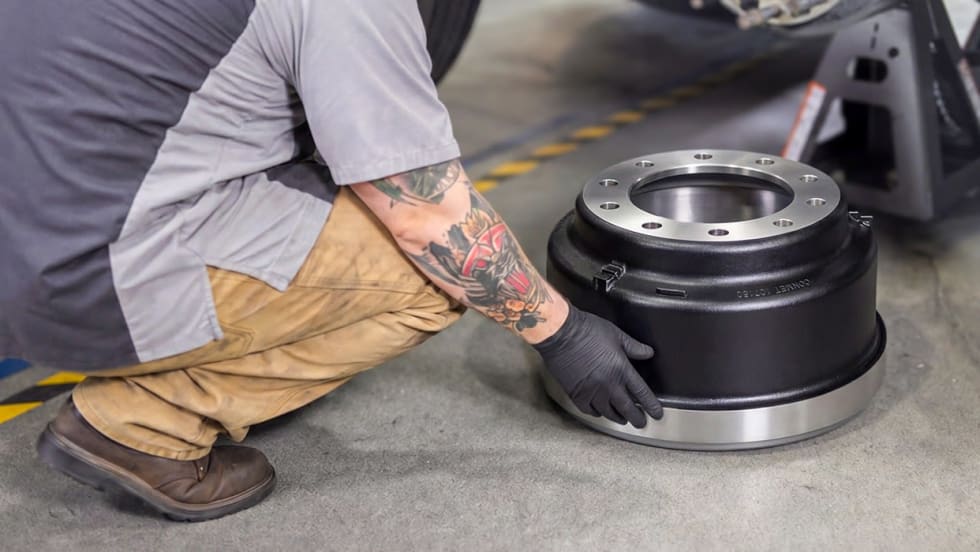
ConMet Expands Aftermarket Brake Drum Lineup With TruCast
A new heavy-duty truck brake drum option in the aftermarket gives customers more flexibility within the ConMet product family.
Read More →
Phillips Opens High-Tech Distribution Center for Faster Parts Delivery
Phillips Industries’ new Cincinnati-area distribution center is now shipping aftermarket trucking parts nationwide, aiming to speed up delivery times for customers.
Read More →
Volvo to Sponsor America’s Road Team for 2025
Volvo Trucks announced that it is extending its exclusive sponsorship of America’s Road Team for 2025.
Read More →
Webb to Start Taking Orders for UltraSet Pre-Adjusted Wheel Hubs
Webb, which recently acquired the Stemco Trifecta pre-adjusted hub program, will soon start taking orders for its replacement pre-assembled hub, the UltraSet.
Read More →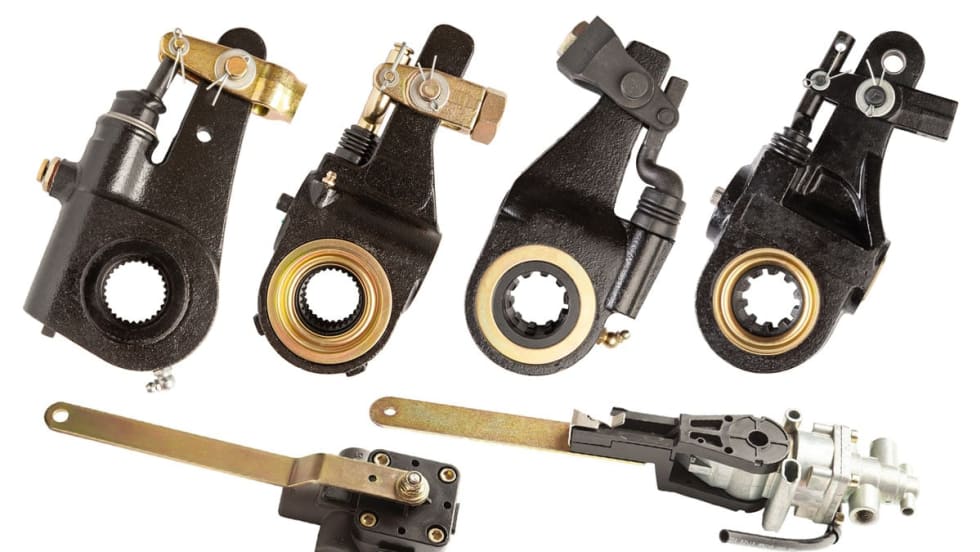
All-Makes Automatic Brake Adjusters, Ride Height Control Valves from Midland
SAF-Holland has added automatic brake adjusters and ride height control valves to its Midland All-Makes Program.
Read More →
ZF Aftermarket Expands [pro]Academy Training
ZF Aftermarket said it is expanding its ZF [pro]Academy training and will be adding 40 new modules this year.
Read More →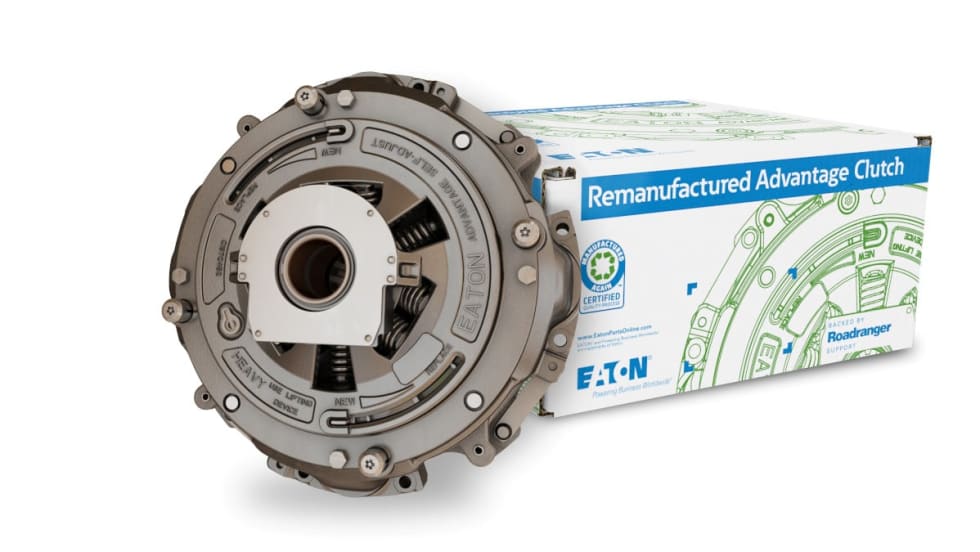
Eaton Adds Remanufactured Advantage Line of Clutches
Eaton has added its Advantage clutches to its remanufactured product line. The clutches feature a unique strap drive intermediate plate designed to allow customers to choose the latest OE specification
Read More →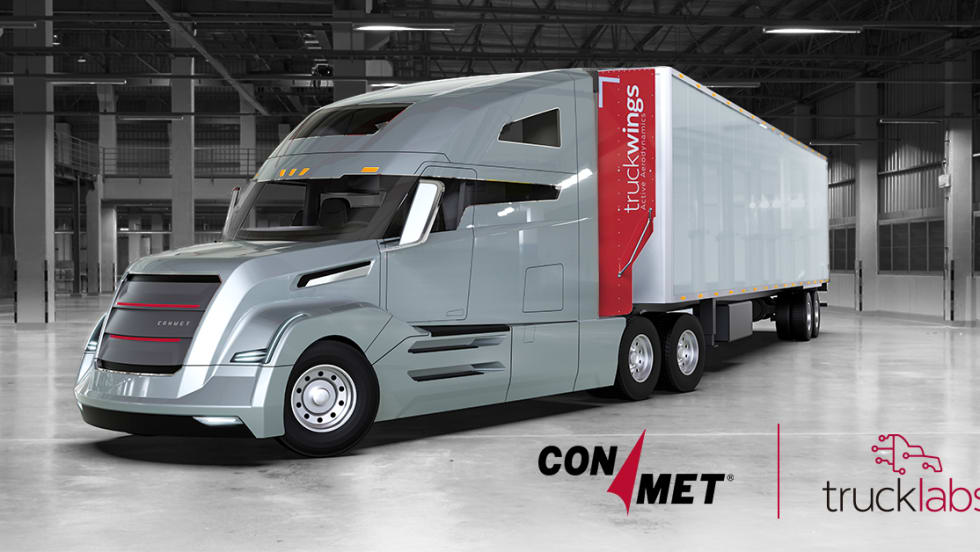
ConMet Acquires TruckLabs, the Creator of TruckWings
Commercial truck and trailer parts provider ConMet acquired TruckLabs, the company that created TruckWings, an aerodynamic device that attaches to truck cabs and deploys to close the gap between truck and trailer. TruckLabs now operates as a subsidiary of ConMet.
Read More →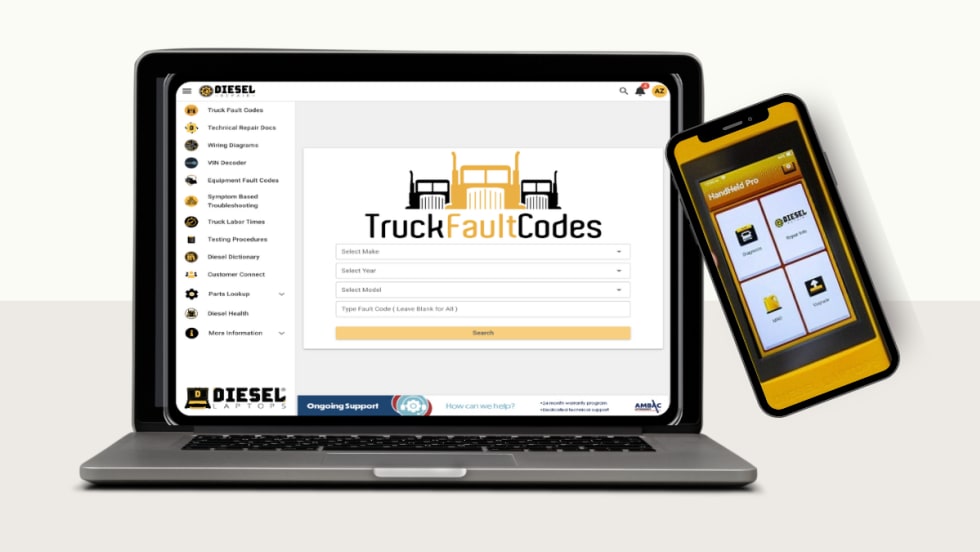
Diesel Laptops Releases Fault-Code-to-Part-Number Tool
Diesel Laptops said its Truck Fault Codes allows users to input a fault code and immediately identify and order the parts needed to complete repair work.
Read More →