




Connecticut Law Targets Truck Emissions
A new law authorizes the the Connecticut Department of Energy and Environmental Protection to adopt regulations implementing California’s more stringent medium- and heavy-duty motor vehicle standards.

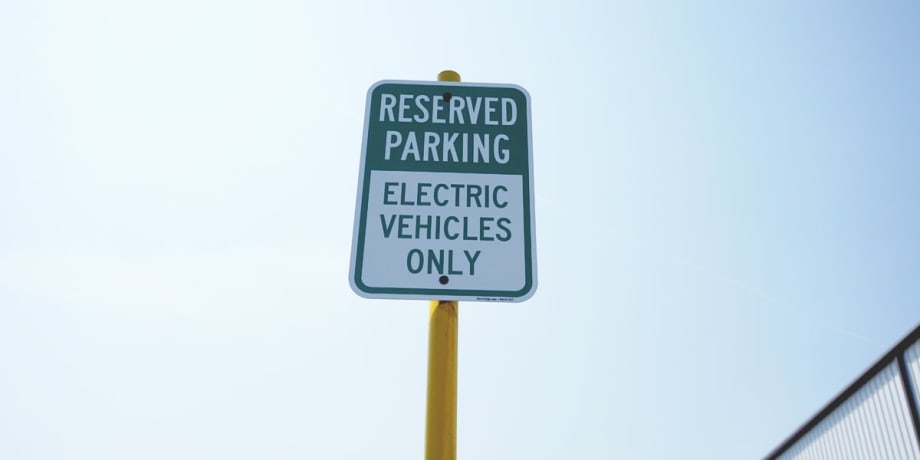
A new law authorizes the the Connecticut Department of Energy and Environmental Protection to adopt regulations implementing California’s more stringent medium- and heavy-duty motor vehicle standards.
Photo: Vesna Brajkovic
A new Connecticut law includes several measures aimed at reducing greenhouse gas emissions from the transportation sector, including from medium- and heavy-duty trucks.
Public Act 22-25 authorizes the Connecticut Department of Energy and Environmental Protection to adopt more stringent emissions standards for medium- and heavy-duty vehicles, which account for as much as 53% of nitrogen oxide emissions, despite being 6% of the on-road vehicle fleet, government officials said in a press release.
It also makes various statutory changes under the Connecticut Clean Air Act, expands existing programs, and establishes several new programs concerning electric vehicle use and improving air quality.
The transportation sector is the number one polluter in Connecticut. We recently passed the Clean Air Act, which takes bold steps to decarbonize our transportation system, making it easier and cheaper for everyone to reduce their carbon footprint.
— Governor Ned Lamont (@GovNedLamont) July 22, 2022
“In addition to the important health benefits to residents, the measures in this law provide much-needed tools in our effort to make significant reductions in GHG emissions from the transportation sector, an area in which we need to make significant progress in order to get back on track to meet our 2030 GHG emissions target,” DEEP Commissioner Katie Dykes said.
The law’s provisions include:
Medium- and Heavy-Duty Vehicle Standards: Authorizes the DEEP commissioner to adopt regulations implementing California’s medium- and heavy-duty motor vehicle standards. These standards will ensure that manufacturers are producing cleaner vehicles and offering them for sale in Connecticut, giving prospective consumers more options while reducing a major source of in-state air pollution and greenhouse gas emissions.
Medium and Heavy-Duty Truck Vouchers: Allows DEEP to establish a voucher program to support the use of zero-emission medium and heavy-duty vehicles and funds the program from the Connecticut Hydrogen and Electric Automobile Purchase Rebate (CHEAPR) account.
State Fleet Electrification: Modifies the schedule for electrifying the state fleet, prohibits procurement of diesel-powered buses after Jan. 1, 2024.
CHEAPR Program: Makes numerous changes to the CHEAPR program, including making the board advisory-only, modifying the board’s membership, giving priority to low-income individuals and residents of environmental justice communities, and extending eligibility to businesses, municipalities, nonprofits, and e-bikes; directs all of the greenhouse gas reduction fee and part of Regional Greenhouse Gas Initiative funds to the CHEAPR account.
New Construction Electric Vehicle Charging Requirements: Requires a certain percentage of parking spaces in certain new construction to be equipped with either EV charging stations or charging station infrastructure.
Zero-Emission School Buses: Allows for ten-year school transportation contracts if the contract includes at least one zero-emission school bus; sets target of 100% zero-emission school buses in environmental justice communities by 2030, and for all school districts by 2040; establishes a matching grant program of up to $20 million for the EPA Clean School Bus program.
Traffic Signal Grant Program: Requires CTDOT to establish a matching grant program to help municipalities modernize existing traffic signal equipment.
Right to Charge: Establishes “right to charge” in condominiums and common interest communities, provides for “renter’s right to charge” with certain specifications.
“This is a transformational time in transportation, and the CTDOT is ready to meet the moment by investing in cleaner, greener transportation, building out electric vehicle infrastructure, and advancing safety and mobility projects around the state.” Connecticut Department of Transportation Commissioner Joe Giulietti said.
More Fuel Smarts
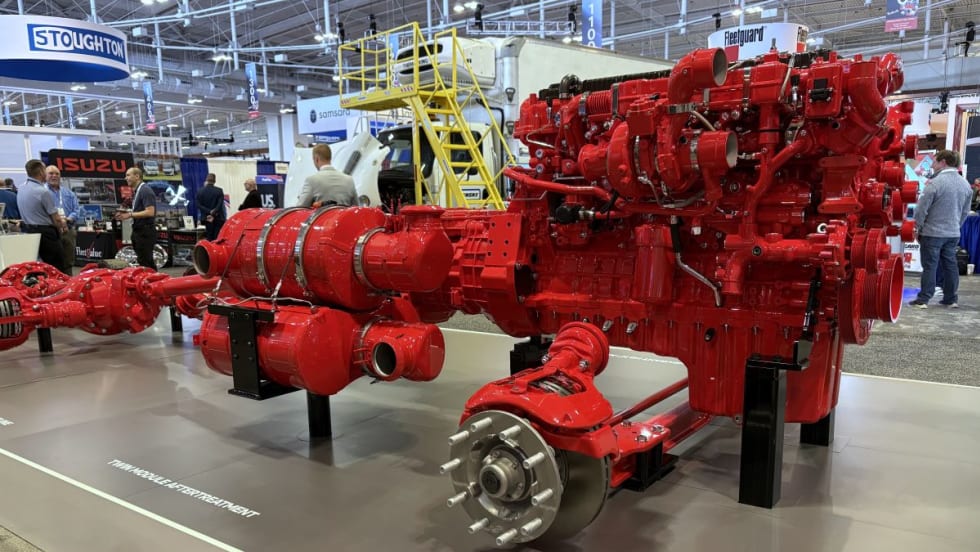
Cummins Adjusts 2027 Engine Rollout After EPA Proposal
The engine maker will gradually introduce its new Model Year 2027 diesel engines while continuing to offer current models during the transition, citing the EPA's proposed emissions rule changes.
Read More →
EPA Proposal Could Ease 2027 Truck Costs and Buying Uncertainty
The proposal doesn't change the tougher NOx standard, but it would revise key implementation requirements that manufacturers say have driven up costs and complicated fleet purchasing decisions.
Read More →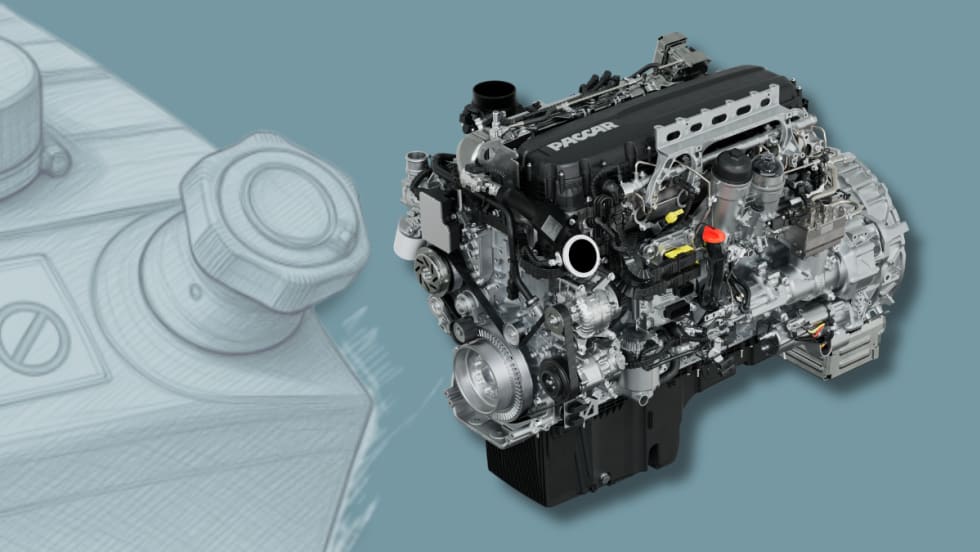
Cummins, Paccar Ease DEF Derates After EPA Guidance
Updated diesel engine software gives truck operators more time to address emissions-system issues while staying compliant with EPA emissions standards.
Read More →
Maintenance in the Messy Middle Part 3: Biodiesel
Biodiesel can reduce emissions, improve fuel-system lubricity and use existing diesel infrastructure. But NACFE’s Messy Middle maintenance report says fleets must actively manage storage, cold-weather operation, filters and oil drain intervals to avoid problems.
Read More →
Enhance Fleet Performance with High-Efficiency Auxiliary Power Units
Drive sustainable cost savings while increasing driver comfort during short- and long-haul logistics operations.
Read More →
Maintenance in the ‘Messy Middle’ Part 2: Renewable Diesel Fuel
NACFE's latest Messy Middle Powertrain Service & Maintenance report says renewable diesel gives fleets an opportunity to reduce carbon emissions without changing trucks, fueling infrastructure or maintenance practices. But technicians still need to understand several important operational differences.
Read More →
The Diesel Engine Enters NACFE’s ‘Messy Middle’
NACFE’s new Messy Middle Powertrain Service & Maintenance report says keeping modern diesel engines running now depends as much on software, diagnostics and data as traditional mechanical service.
Read More →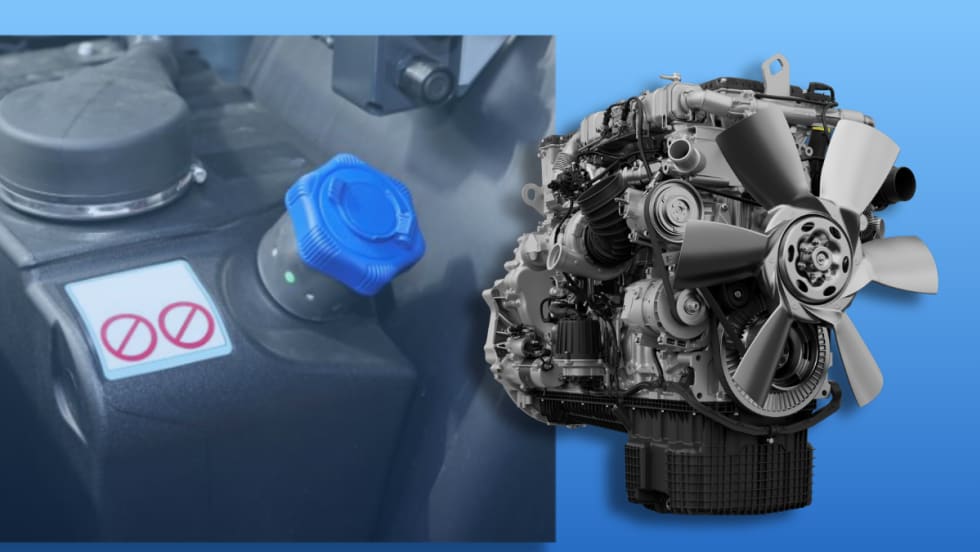
DTNA Software Update Gives Truckers More Time Before DEF Derates Take Effect
The changes reflect EPA guidance aimed at reducing downtime caused by emissions-system faults while maintaining compliance requirements.
Read More →
New Agentic Predictive Maintenance Report Demonstrates How Degraded Aftertreatment Systems Waste Fuel
Questar analyzed a large mixed-class fleet and discovered it was wasting as much as $30 in fuel per vehicle, per day, because of mechanically degraded aftertreatment systems.
Read More →
New York City's Microhub Project is Delivering Results
Trucking, last-mile delivery companies, and environmental advocates like what they are seeing so far with New York's microhub program.
Read More →