




Related: Congestion, Distracted Driving, HOS Top ATRI's Research Priorities
Congestion Costing Trucking $63.4 Billion a Year
Traffic congestion added more than $63.4 billion in operational costs to the trucking industry in 2015, according to the American Transportation Research Institute's 2017 Cost of Congestion update.

Steven Martinez・Web Editor

Photo: U.S. Department of Transportaion
2 min to read
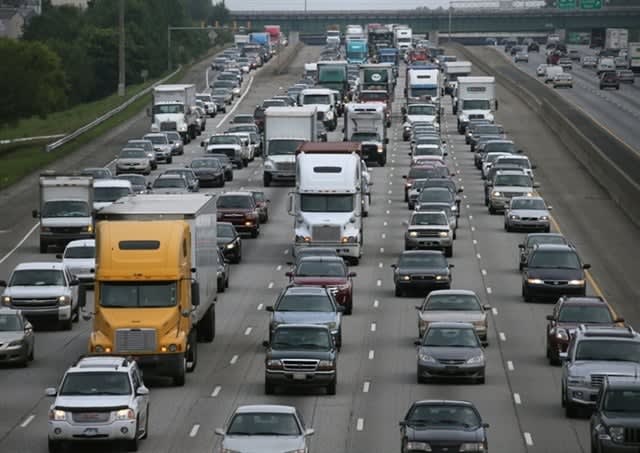
Photo: U.S. Department of Transportaion
Traffic congestion added more than $63.4 billion in operational costs to the trucking industry in 2015, according to the American Transportation Research Institute's 2017 Cost of Congestion update.
This number represents a significant jump from ATRI’s 2016 report, which quantified added operational costs at $49.6 billion in 2014. In 2015, the trucking industry experienced more than 996 million hours of delays on the national highway system, up from 728 million hours the year before. To put it in perspective, this lost productivity is equivalent to 362,243 truck drivers sitting idle for an entire working year, according to ATRI.
As much as 91% of congestion is in urban areas. This problem is made worse by increased e-commerce, which translates into more trucks on roads in urban areas.
“We are getting to a point where there is high consumer demand,” said Rebecca Brewster, president and chief operating officer of ATRI. “When the infrastructure can’t handle the increased traffic, we have the situation that we have now.”
Urban area infrastructure is at the core of congestion-related costs. Urban congestion made up 76% of the $13.9 billion increase in congestion costs from 2014-2015. The Miami-Fort Lauderdale-West Palm Beach metropolitan area in Florida was accountable for over $2 billion in congestion costs alone, more than the entire rest of the state combined. Focusing on congestion in bottleneck areas around metropolitan areas may be able to significantly improve the situation, according to ATRI.
Florida, Texas, and California were the top three states by total cost of congestion, unchanged from 2014. Much of the top 10 remained the same, except for Ohio and Tennessee, which joined the top 10 for the first time. Ohio made the most significant leap to make the list, jumping from 21st to 8th. The state saw a total cost increase of $1.5 billion in a year, which ATRI said was likely attributed to over 80 roadway construction projects that took place in 2015.
The ATRI report focused on the operational costs to trucking caused by congestion, but in a media call about the findings, the group emphasized the burden it placed on the entire U.S. economy. The increased costs to trucking trickle down to other parts of the supply chain, eventually hitting consumers in the wallet.
“This is not the trucking industry’s cost alone to bear,” said Brewster. “It really starts to play itself out through the cost of goods on those trucks.”
To access the full ATRI report, click here.
More Fleet Management
Why This Trucking Recovery Is Different
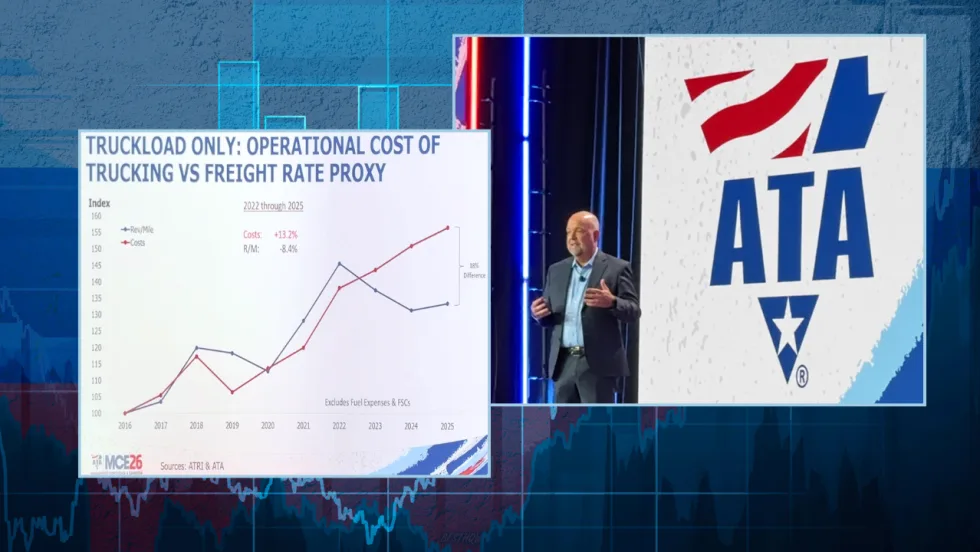
Freight demand remains sluggish, but rising costs and tougher enforcement have taken enough capacity out of the market to change the outlook for motor carriers.
Read More →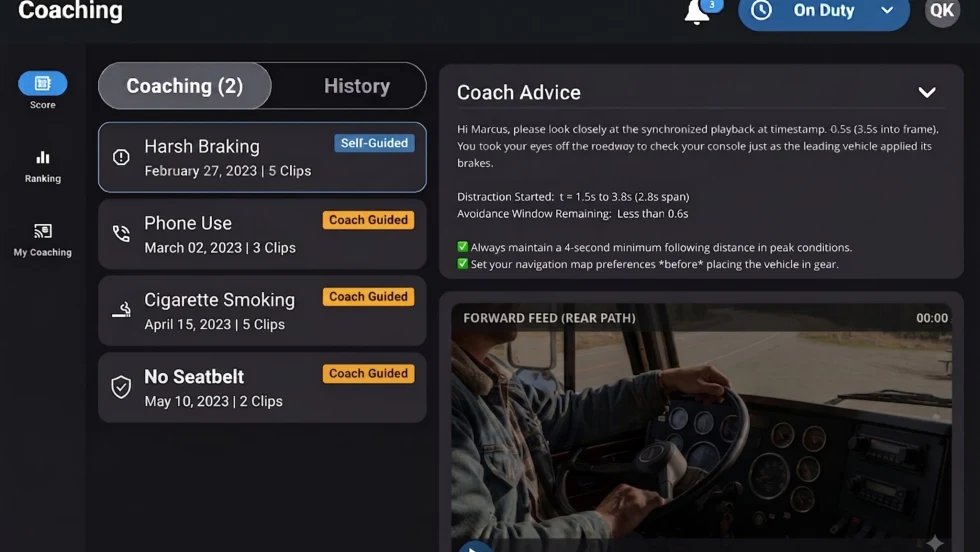
Platform Science Adds Dispatch and Safety Tools
Four additions to PS Fleet help fleets monitor loads, manage driver coaching, share truck locations and adjust video system settings.
Read More →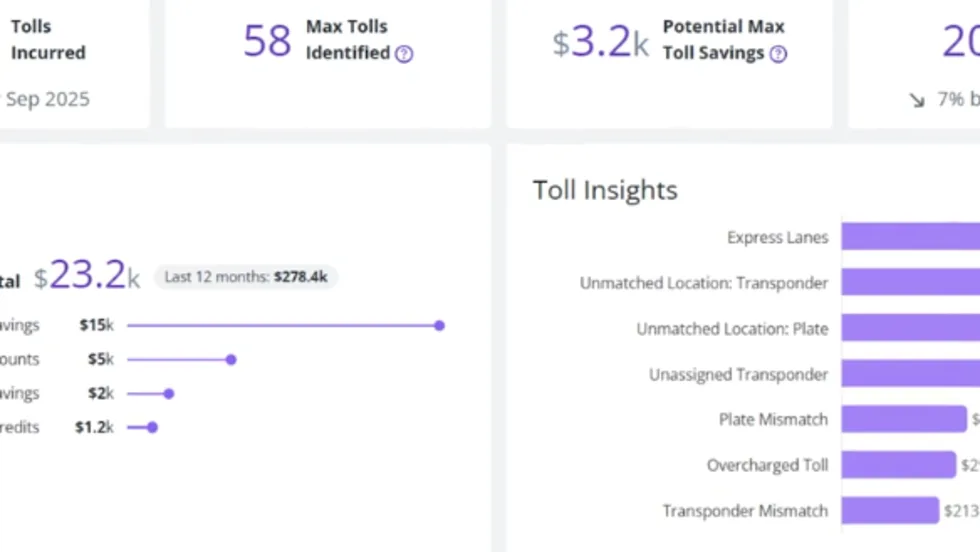
PrePass Intelligence Mines Fleet Bypass, Toll and Safety Data
PrePass Intelligence helps fleets measure bypass savings, flag potential toll overcharges, and spot suspicious transactions by combining data from separate systems.
Read More →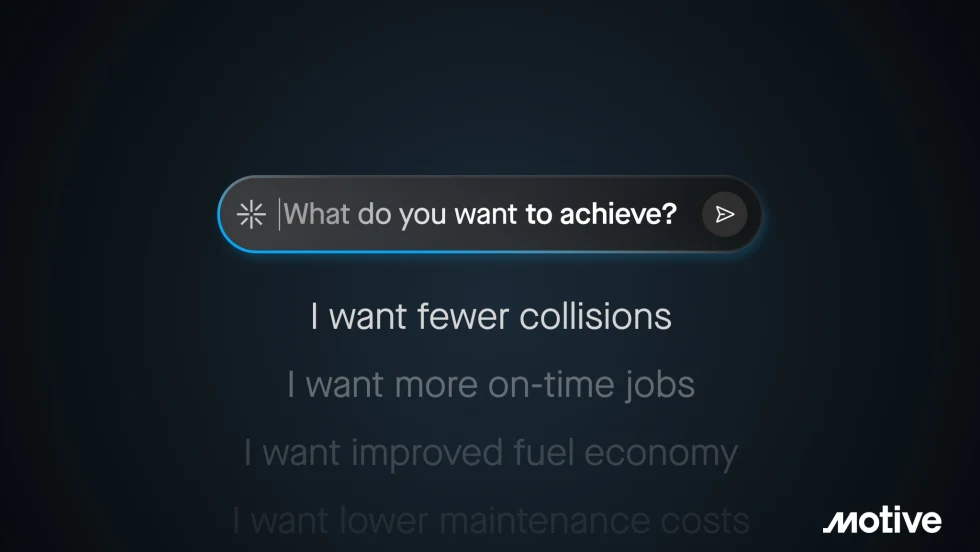
Motive Adds AI Agents for Fleet Operations
New tools automate follow-up on fleet data, from maintenance work orders to driver alerts, with two-way voice conversations planned for later this year.
Read More →
Can You Beat Our Trucking Trivia Challenge?
Test your truck knowledge with 19 trivia questions from Heavy Duty Trucking Exchange. Can you keep up with the fleet pros?
Read More →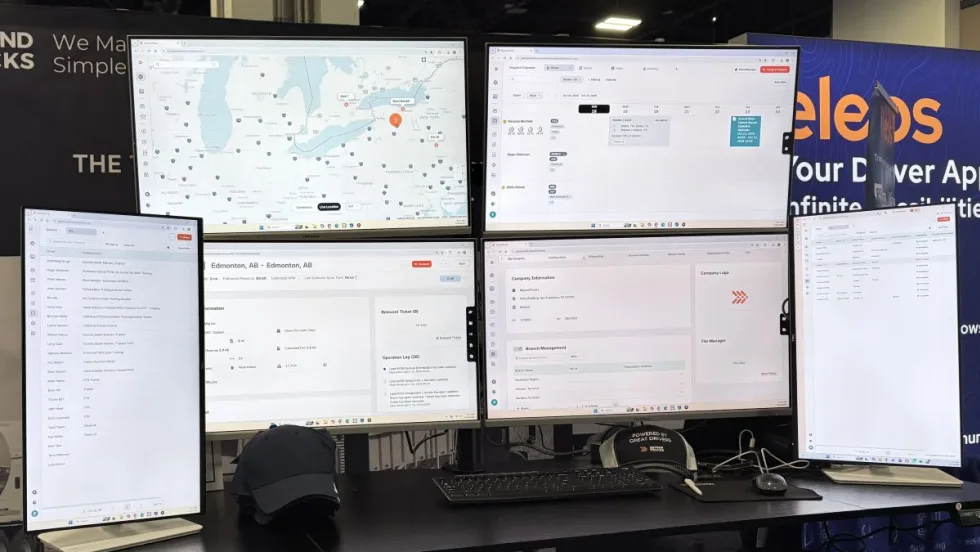
BeyondTrucks Adds Rules Checks to Dispatch
New Compatibility Engine checks driver qualifications, equipment requirements and fleet policies before loads are dispatched.
Read More →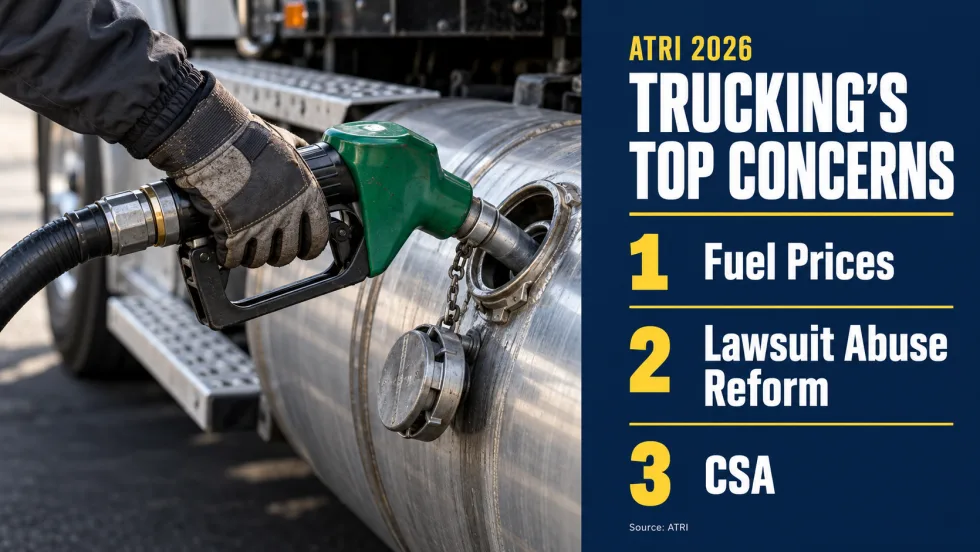
Diesel Prices Hijack Trucking’s Worry List
ATRI’s annual survey finds cautious optimism about freight, but diesel costs, litigation, and insurance continue to squeeze fleets. Drivers have different priorities on several issues.
Read More →
Nomination Deadline Extended for HDT Emerging Leaders
Just a few more days to nominate accomplished trucking fleet professionals under 40 who are making an impact and helping lead the industry forward for the HDT Emerging Leaders award. Deadline extended to October 20!
Read More →
What Will ATA’s New Leader Bring to Trucking's Table?
Incoming President and CEO Mark Colson’s record in Alabama offers clues about his priorities and approach following Chris Spear’s abrupt departure as the head of the American Trucking Associations.
Read More →
Volvo, Waabi Start Commercial Autonomous Operations in Texas
Volvo VNL Autonomous trucks, powered by the Waabi Driver, are hauling freight directly to third-party facilities for a customer in Texas.
Read More →