




Compromise Reached in Washington on Ultra-Low-Sulfur Diesel
Warring factions have reportedly reached a compromise over how fast to phase in the ultra low sulfur diesel fuel requirement of the forthcoming diesel emissions regulations
Warring factions have reportedly reached a compromise over how fast to phase in the ultra low sulfur diesel fuel requirement of the forthcoming diesel emissions regulations.
While the original proposed rule would have required all diesel fuel for on-road use to contain not more than 15 parts per million of sulfur, down from 500, by 2006, the compromise apparently calls for only 75 percent to initially meet that requirement, with the rest being phased in.
This is according to National Journal's CongressDaily, which quoted "sources familiar with" a meeting between the White House and officials from the Environmental Protection Agency and the Department of Energy.
The DOE had wanted a 50 percent phase-in. However, a broad -- and unusual -- coalition of the California Trucking Association, environmental groups, auto makers, engine makers, emissions control developers and independent refiner Tosco urged the White House and EPA to stick with the "fully implemented" ultra-low-sulfur standard for 2006.
"Any phase-in approach that results in a two-fuel system would jeopardize the environmental benefits of the rule; delay sales of the new cleaner diesel engines; require unnecessary multibillion dollar capital investments by the nation's diesel refines, transporters and sellers; and result in a needless burden on the nation's truck operators and 58,000 retail fuel sellers," said the letter to President Clinton.
After the compromise was reached the final rule was sent back to the White House Office of Management and Budget for some final changes. The final rule is expected to be published in the next few weeks.
More Aftermarket

AUCTION OF EQUITY INTEREST IN HEAVY HAUL TRUCKING COMPANY!!
Mark your calendar: June 30, 2026 (10:00 a.m. PDT). A 37.5% ownership interest in MagnaTrans, LLC, a California limited liability company doing business as Magna Transportation Group, will be sold in an in-person and online auction to the highest bidder or bidders under Article 9 of the Uniform Commercial Code. The Rancho Cucamonga-based heavy haul and over-dimensional trucking company operates across California, Oregon, and Arizona.
Read More →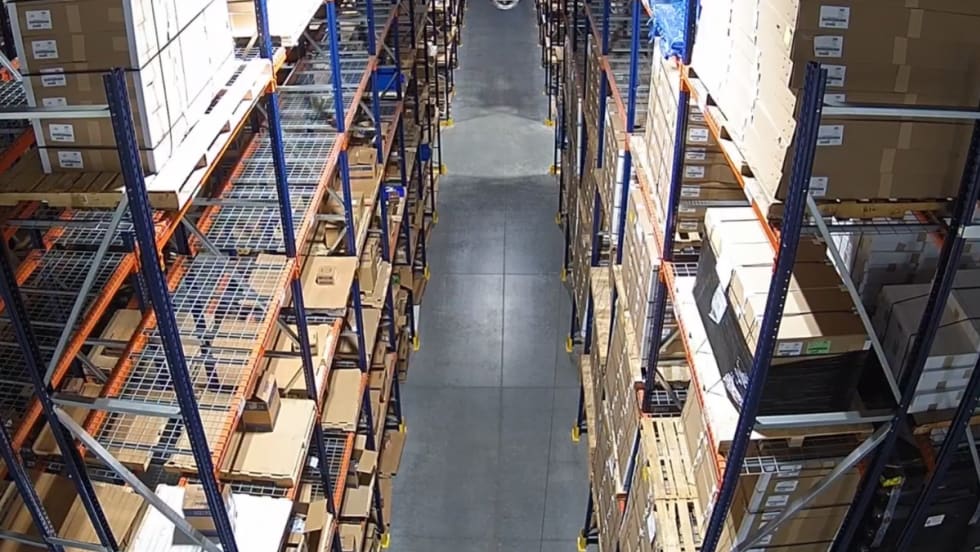
Phillips Opens High-Tech Distribution Center for Faster Parts Delivery
Phillips Industries’ new Cincinnati-area distribution center is now shipping aftermarket trucking parts nationwide, aiming to speed up delivery times for customers.
Read More →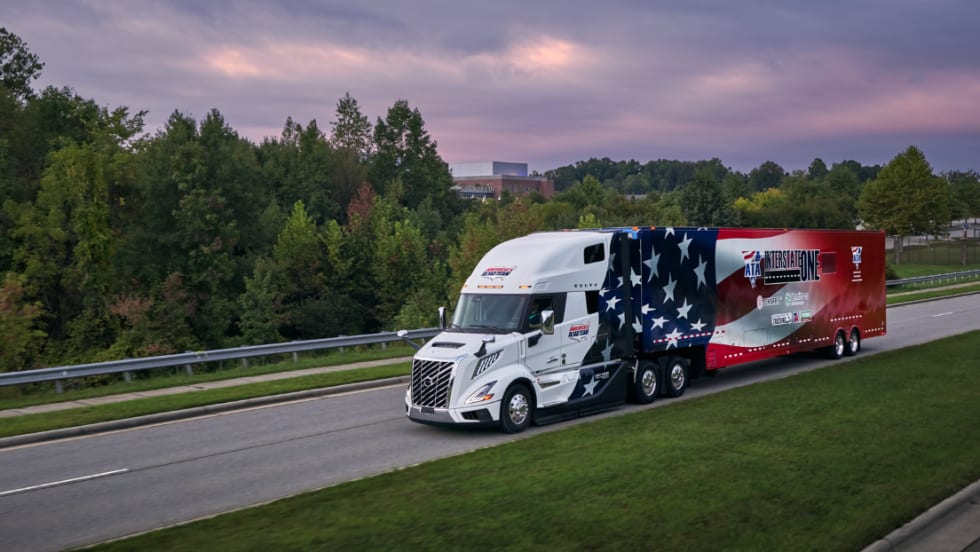
Volvo to Sponsor America’s Road Team for 2025
Volvo Trucks announced that it is extending its exclusive sponsorship of America’s Road Team for 2025.
Read More →
Webb to Start Taking Orders for UltraSet Pre-Adjusted Wheel Hubs
Webb, which recently acquired the Stemco Trifecta pre-adjusted hub program, will soon start taking orders for its replacement pre-assembled hub, the UltraSet.
Read More →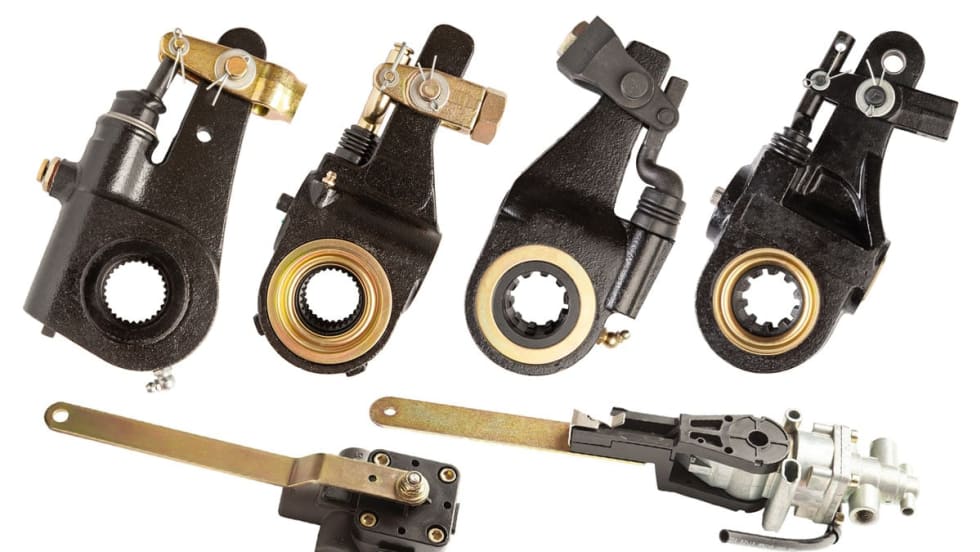
All-Makes Automatic Brake Adjusters, Ride Height Control Valves from Midland
SAF-Holland has added automatic brake adjusters and ride height control valves to its Midland All-Makes Program.
Read More →
ZF Aftermarket Expands [pro]Academy Training
ZF Aftermarket said it is expanding its ZF [pro]Academy training and will be adding 40 new modules this year.
Read More →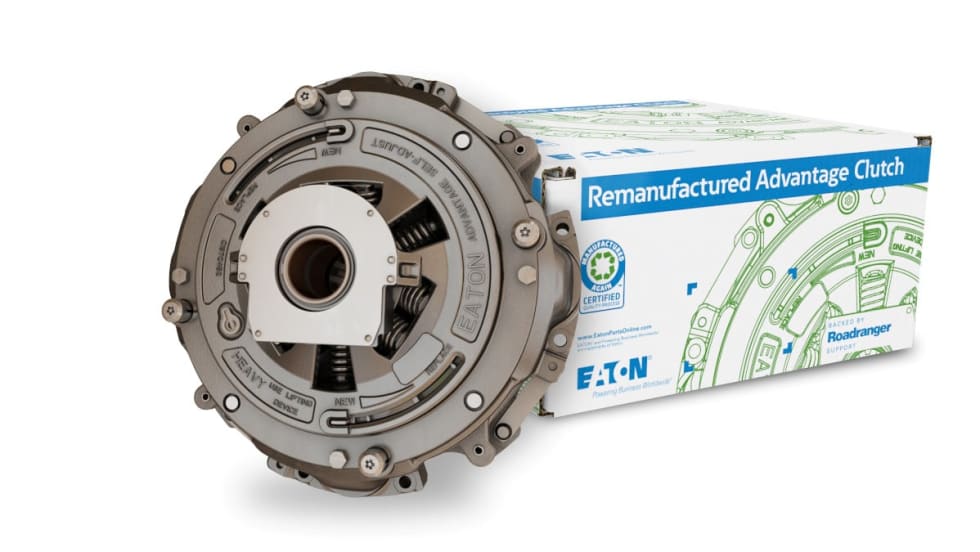
Eaton Adds Remanufactured Advantage Line of Clutches
Eaton has added its Advantage clutches to its remanufactured product line. The clutches feature a unique strap drive intermediate plate designed to allow customers to choose the latest OE specification
Read More →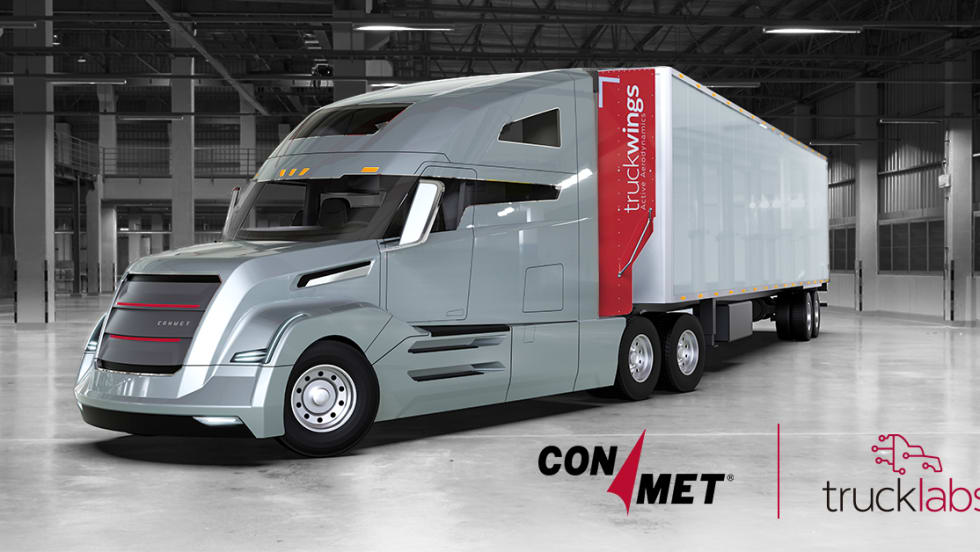
ConMet Acquires TruckLabs, the Creator of TruckWings
Commercial truck and trailer parts provider ConMet acquired TruckLabs, the company that created TruckWings, an aerodynamic device that attaches to truck cabs and deploys to close the gap between truck and trailer. TruckLabs now operates as a subsidiary of ConMet.
Read More →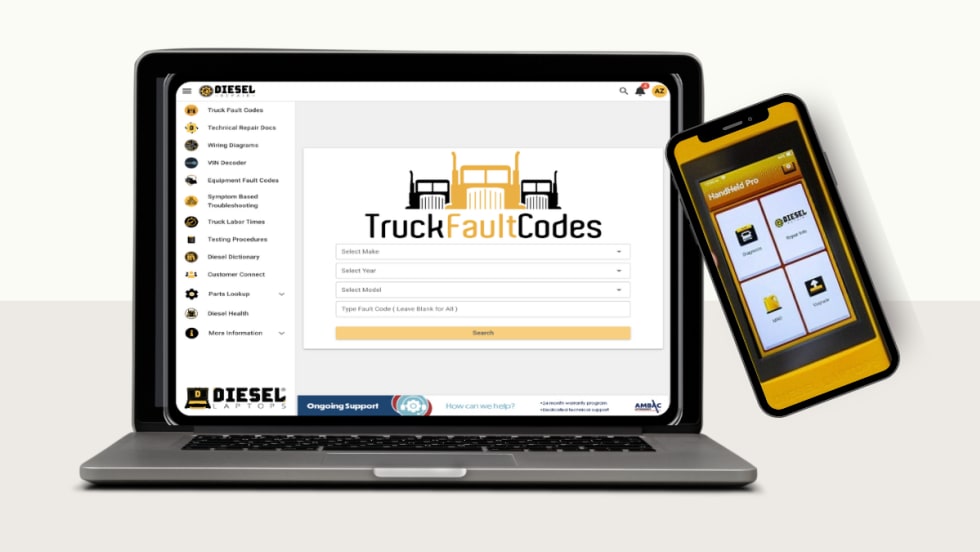
Diesel Laptops Releases Fault-Code-to-Part-Number Tool
Diesel Laptops said its Truck Fault Codes allows users to input a fault code and immediately identify and order the parts needed to complete repair work.
Read More →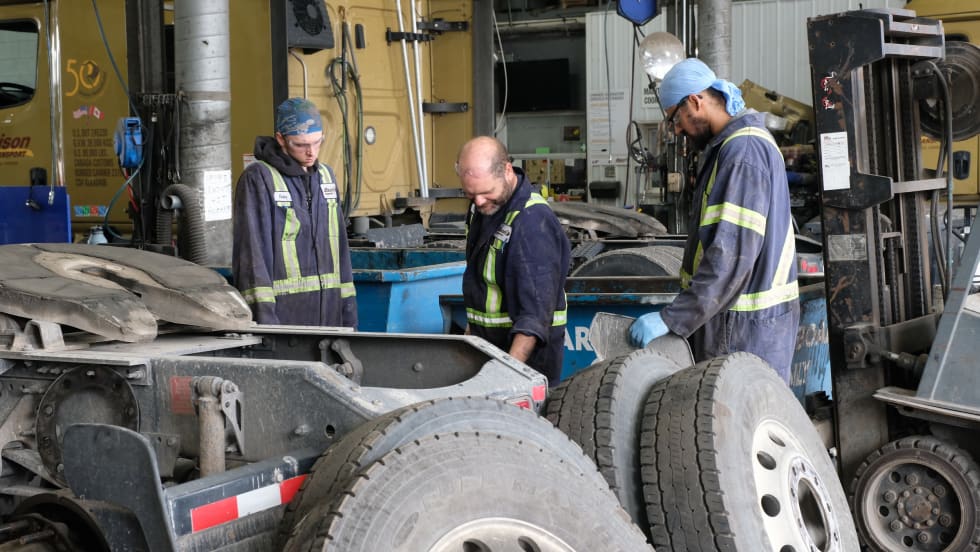
Heavy Duty Parts and Labor Costs Dropped in Q2
A benchmarking report from TMC and Decisiv reveals good news for fleets as heavy-duty parts and labor costs dropped in the second quarter of 2023.
Read More →