




Communication with Shippers a Top Priority for Carrier Leaders
The unifying theme of a wide-ranging discussion among several chief executives at the Truckload Carriers Association conference this week was that trucking needs to make sure its customers have a clear understanding of the challenges the industry now faces

Carriers will have to work to educate shippers on the complexities of the current labor dynamic. Drivers are simply not as easy to recruit and retain as they once were, and carriers will have to pay more to keep the seats filled. (Photo by Jim Park)
The unifying theme of a wide-ranging discussion among several chief executives at the Truckload Carriers Association conference this week was that trucking needs to make sure its customers have a clear understanding of the challenges the industry now faces.
Shippers need to be as familiar as carriers are with the complexities of the driver shortage, industry costs, inflation and fuel prices, said the presidents of Swift Transportation, Knight Transportation and Prime, Inc. They were headliners in a panel discussion moderated by Todd Amen, president of ATBS, at the TCA conference in San Diego.
Talking about the coming driver shortage, Robert Low of Prime said that it is hard for shippers to understand, but the truth is that drivers are not making enough money to reward them for their sacrifices.
That's in part because shippers are used to the truckload sector's ad hoc business model, which makes for efficient trucking but is hard on the driver, he said. Over the past several years the industry has not made much progress on this issue because with business down there was not much need to.
That's going to change this year, he said. "It bodes well for rates but we need drivers."
Richard Stocking of Swift echoed the point: "The burden is on the industry to educate the shipper," he said. "If you think about type of driver you're getting today, they are different: home time is as important as pay."
There's that, and still Swift has had to raise driver pay significantly in order to attract people to the business, he said.
One tactic Swift has adopted is to bring in unemployed workers for training to get a CDL and then indoctrination into the company as drivers. The average age of those novice drivers, by the way, is 43. "We're not growing kids to be truck drivers," Stocking said.
Stocking stressed that it is important to create a driver-friendly environment. "(Drivers) have the hardest job out there and we owe them a lot of respect," he said.
Another Swift tactic is to start assigning several drivers to a single truck, so that it's easier to schedule time off.
Kevin Knight of Knight Transportation said that because his company has always hired experienced drivers, the recruiting job is getting more challenging. In preparation, the company a couple of years ago started a training business that takes on CDL holders and integrates them into the business, as a supplement to its recruiting efforts.
Knight said he has significant concerns about the immediate future, to the point that the company is considering the technique Swift has adopted of helping unemployed workers get a CDL.
"The key thing is to help drivers connect and find a home," he said.
Low noted an additional factor: shippers have been the beneficiaries of a less-than-precise paper logging system for tracking driver hours of service, but that is going to change because carriers will have to move to electronic logging in order to comply with the new CSA safety enforcement program (and, eventually, to comply with the pending eobr mandate). The result will be a diminishment of capacity that shippers will have to adjust to, just as carriers do.
Stocking ventured an answer to Todd Amen's question, what should drivers be making?
"If you got drivers up to $70,000 or $75,000, you'd have a lot more people looking at industry," he said. "But to get it that high you'd need the shippers' help."
Knight agreed that drivers don't make enough, but added: "The business is driven by the 800-pound titans of industry. I really think that things that got delayed over last several years have to get caught up. We don't have a score to settle but drivers need more money, equipment is old and we have a need to reinvest."
All three said they are preparing now for what they see as an inevitable rise in inflation.
"We know it's coming," said Low. "You can't print this much money without it coming out somewhere."
His approach is to be cautious about the commitments he makes, to look for shorter-term agreements and to cultivate his supplier relationships.
Knight said, "We must keep our commitments but there are certain things we don't control, and we have to be out talking to customers about effects inflation has on us."
Inflation will make it more difficult to meet the challenge of raising capacity, he said. "If the industry is not healthy, it cannot create capacity. We were unable as an industry to reinvest over past several years. You can't take that money away and expect that we'll buy new equipment."
Carriers must do their best to control the costs they can control, but they also must educate shippers on the need to raise rates, Stocking said. "When a shipper gets defensive and thinks a carrier is getting rich, it falls apart," he said. "The process should not be personal."
Low drew laughter from the crowd when he remarked, "It was getting personal with all of us two three years ago."
Fuel prices were front-of-mind for all the carriers at the meeting, given the ongoing run-up, but none of the panelists use hedging as a way to mitigate that risk.
Low put it this way, "Sure, we hedge. Our customers are our fuel hedge, but we won't buy a hedge unless customer is willing to pay for it."
There's a cost to that insurance and he has resisted taking it on, he said. "Most customers understand when it's explained," he said. "If anyone is hedging fuel it should be the shipper."
Stocking agreed, saying that trucking companies that make just pennies on the dollar cannot afford to miss on a hedging risk.
Knight said he has tried it but won't do in large amounts. "There's too much risk to do it big time," he said.
Looking ahead, Low is optimistic. The biggest challenge he sees will be providing capacity as the economy grows and CSA expands and EOBR use grows.
"But there is a lot of freight right now," he said. "Shippers are going to learn, or their product's going to sit on the dock. I don't think times have ever been better for profitability and having some fun. It's a good time to be a trucker."
Stocking said that fortunes are made in the downturns rather than the boom times, referencing an internal retooling Swift undertook over the past several years. The company had become sloppy during the time before the recession, and undertook a makeover to refocus on values such as trust and purpose, and install new strategies - an effort that has paid off with a new sense of vigor and mission, he said.
"Swift went to sleep and almost got caught," he said. "But when times get good (you have to) continue to refine and align, and not get fat and sassy. Because this is a cycle."
Knight returned to his core message: "We need to work with customers to make them understand that this industry needs reinvestment. It is a difficult mission but if all speak loud and clear there's a great opportunity that we will have breakthrough."
More Aftermarket
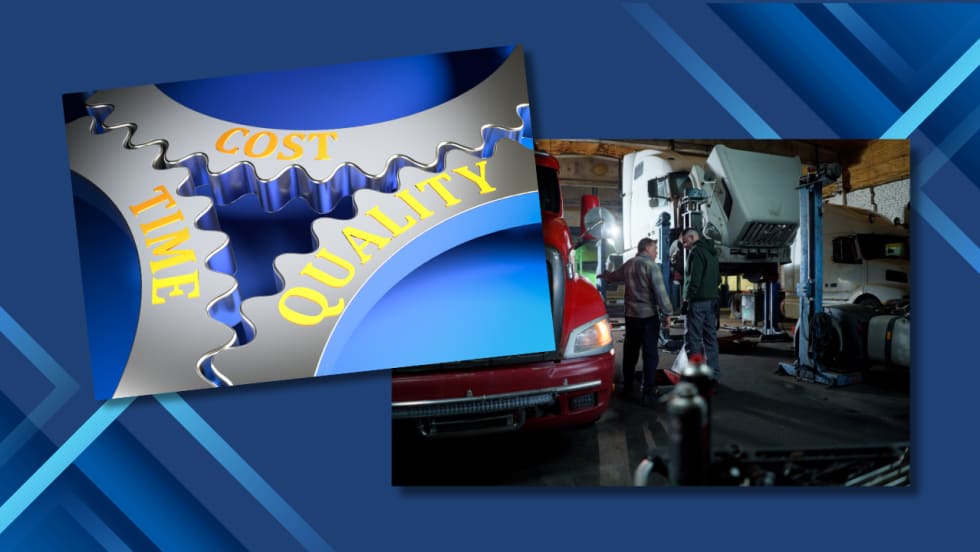
What Three Fleets Are Doing Differently When Buying Truck Parts in 2026
With freight improving but costs still climbing, fleet maintenance executives explain how they're balancing price, quality, and supplier relationships.
Read More →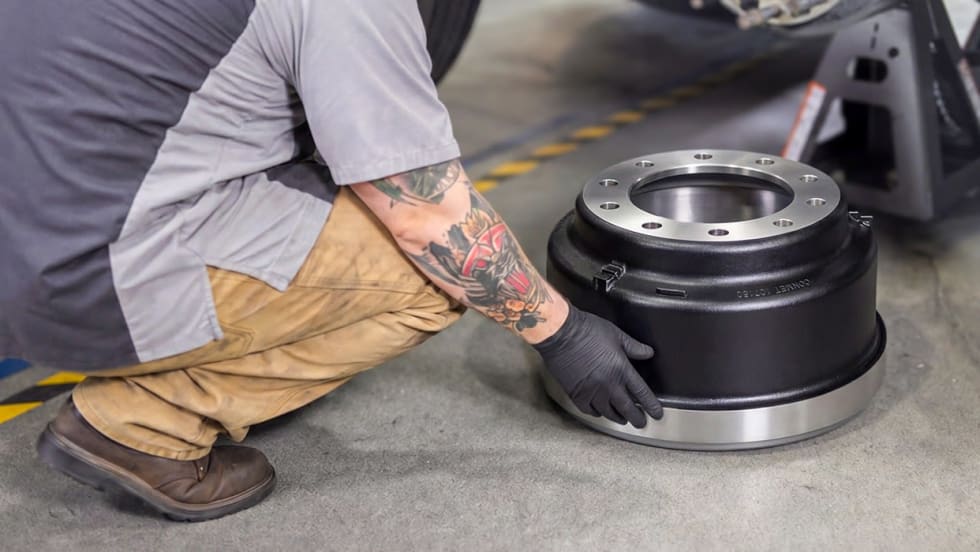
ConMet Expands Aftermarket Brake Drum Lineup With TruCast
A new heavy-duty truck brake drum option in the aftermarket gives customers more flexibility within the ConMet product family.
Read More →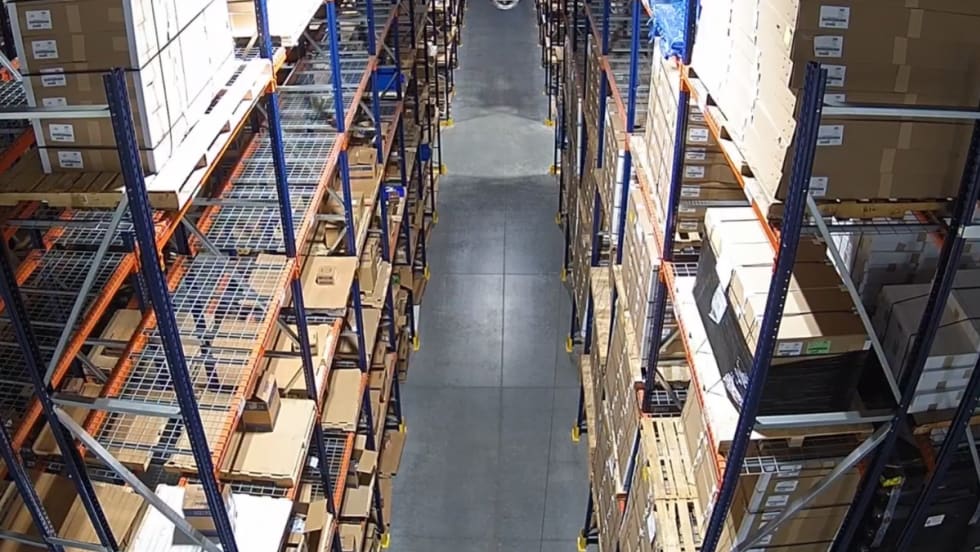
Phillips Opens High-Tech Distribution Center for Faster Parts Delivery
Phillips Industries’ new Cincinnati-area distribution center is now shipping aftermarket trucking parts nationwide, aiming to speed up delivery times for customers.
Read More →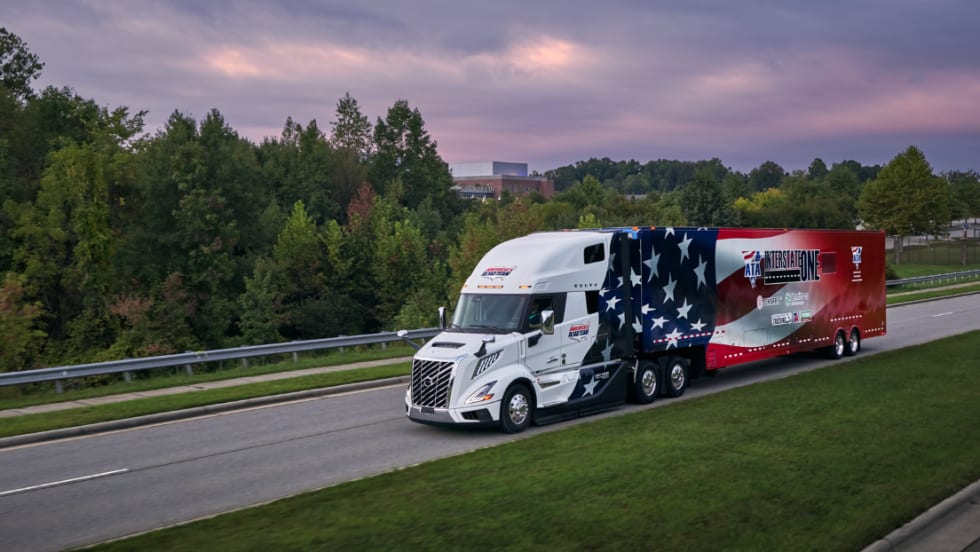
Volvo to Sponsor America’s Road Team for 2025
Volvo Trucks announced that it is extending its exclusive sponsorship of America’s Road Team for 2025.
Read More →
Webb to Start Taking Orders for UltraSet Pre-Adjusted Wheel Hubs
Webb, which recently acquired the Stemco Trifecta pre-adjusted hub program, will soon start taking orders for its replacement pre-assembled hub, the UltraSet.
Read More →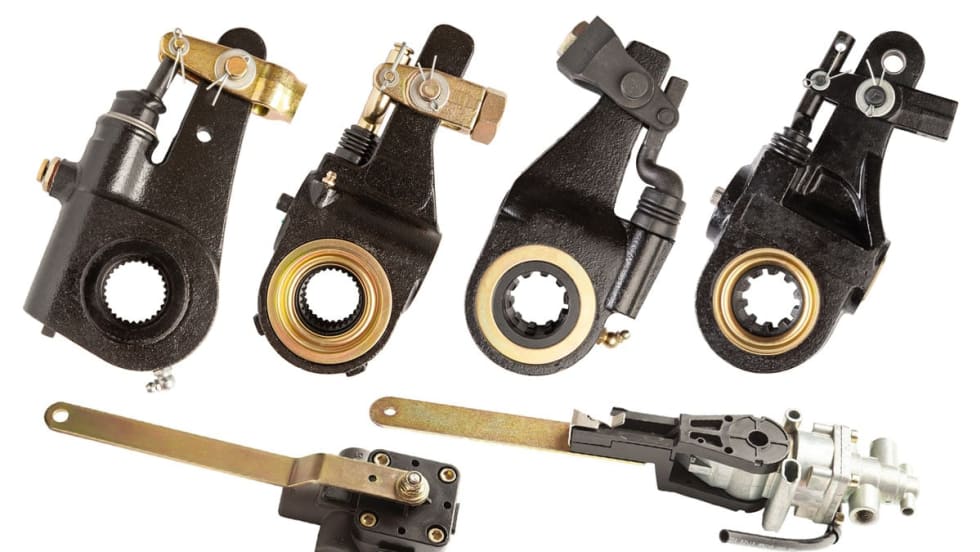
All-Makes Automatic Brake Adjusters, Ride Height Control Valves from Midland
SAF-Holland has added automatic brake adjusters and ride height control valves to its Midland All-Makes Program.
Read More →
ZF Aftermarket Expands [pro]Academy Training
ZF Aftermarket said it is expanding its ZF [pro]Academy training and will be adding 40 new modules this year.
Read More →
Eaton Adds Remanufactured Advantage Line of Clutches
Eaton has added its Advantage clutches to its remanufactured product line. The clutches feature a unique strap drive intermediate plate designed to allow customers to choose the latest OE specification
Read More →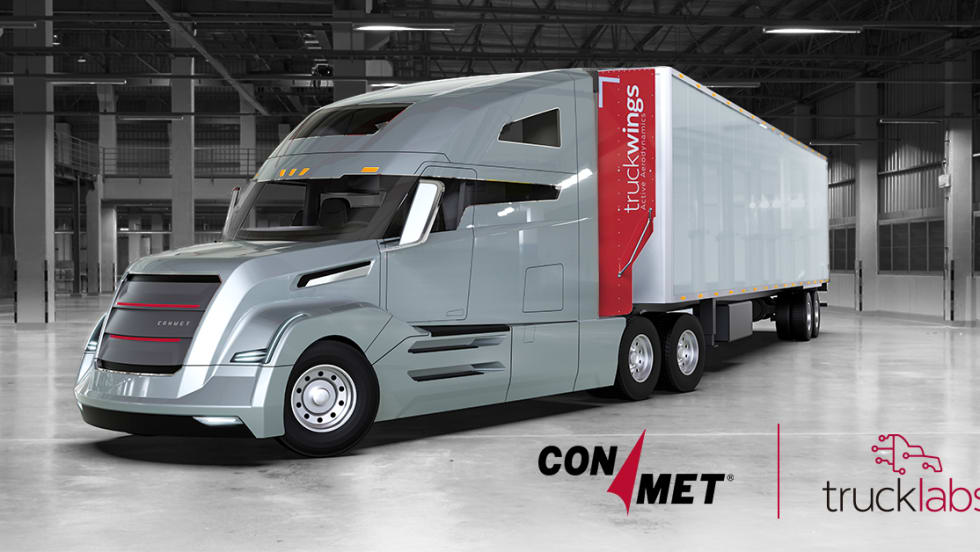
ConMet Acquires TruckLabs, the Creator of TruckWings
Commercial truck and trailer parts provider ConMet acquired TruckLabs, the company that created TruckWings, an aerodynamic device that attaches to truck cabs and deploys to close the gap between truck and trailer. TruckLabs now operates as a subsidiary of ConMet.
Read More →
Diesel Laptops Releases Fault-Code-to-Part-Number Tool
Diesel Laptops said its Truck Fault Codes allows users to input a fault code and immediately identify and order the parts needed to complete repair work.
Read More →