




Cargo Thefts, Average Value Decline in Latest Three-Month Period
The logistics security services provider says it recorded a total of 182 thefts in the U.S. during June through August, with 53 thefts in June, 69 in July, and 60 in August.
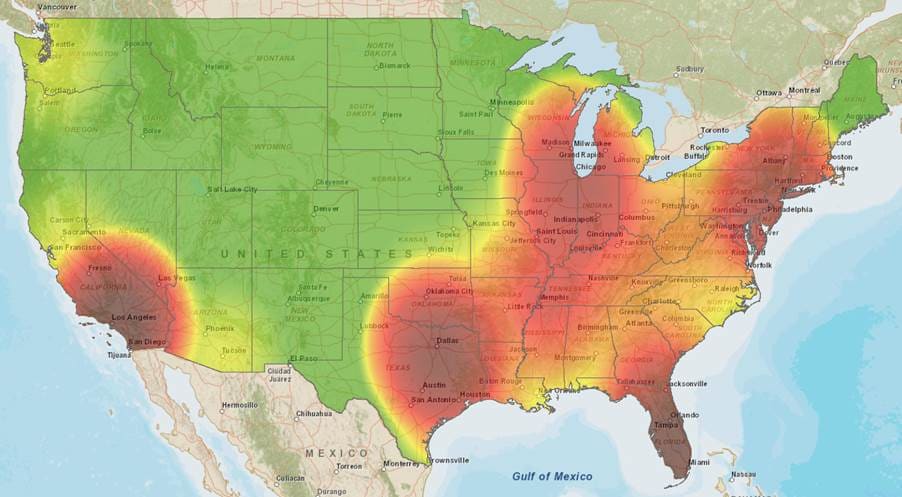
The darkest areas on this map show where cargo thefts happened the most often in June through August. Graphic: FreightWatch International

The number of cargo thefts and the average value both fell in the most recent three-month period, according to a new report from FreightWatch International.
The logistics security services provider says it recorded a total of 182 thefts in the U.S. during June through August, with 53 thefts in June, 69 in July, and 60 in August.
The average loss value per incident during the period was $182,115. Compared with the previous quarter, thefts and the average loss value both decreased by 16%.
Food and drinks, with 34 thefts, was the product type most often stolen, representing 19% of all incidents. The electronics industry experienced 32 thefts, 18% of the total, coming in second.
The average loss value for specific types varied widely with the pharmaceuticals/medications sector having the highest this quarter at $2 million. Pharmaceuticals/supplies averaged $453,625 in losses, while alcohol/tobacco followed with an average loss value of $410,759. At the other end of the spectrum for loss value is auto/parts category at $87,045, followed by metals at $79,908 and home/garden product types at $75,079.
California experienced the most thefts with 36 incidents, a slight decrease from the 44 thefts for the previous rolling quarter. Florida followed with 34 incidents, a decrease from 48 incidents. California claimed 20% of all U.S. cargo thefts, a drop from 22%, while Florida’s share totaled 19% of all incidents, a drop from its 20% share the last quarter. Texas was third with 15% of the total, followed by Georgia with 8% and Illinois with 7%.
Of the incidents in which a location type was recorded, unsecured parking was the most common, with 80% of the total. Warehouse/distribution center thefts rose slightly from 10% in the last quarter to 13% this period.
Following the normal trend, thefts of trailers/containers, 153 in all, were most common, representing 84% of all thefts. Facility burglaries increased from nine incidents the previous three months to 10, while deceptive pickups decreased, from 15 incidents to eight.
The complete report is available on the FreightWatch International website.
More Fleet Management

How Innovative Trucking Leaders Turn Change Into an Advantage
As the pace of change accelerates in trucking, the fleets that adapt best have more than the latest technology. They have cultures that embrace improvement.
Read More →
Freight Broker Bonds Just Got Harder to Get. Here's What That Means for Your Fleet.
When it gets harder for a freight broker to prove they are financially sound, the ones who cannot clear that bar get pushed out of the market. And those are exactly the brokers who used to leave motor carriers holding the bag.
Read More →
Long-Awaited Canadian Border Bridge to Open in Detroit
For trucking, the bridge opening should offer immediate improvements in efficiency and reliability, with new customs facilities, expanded inspection capacity, and direct freeway-to-freeway connections.
Read More →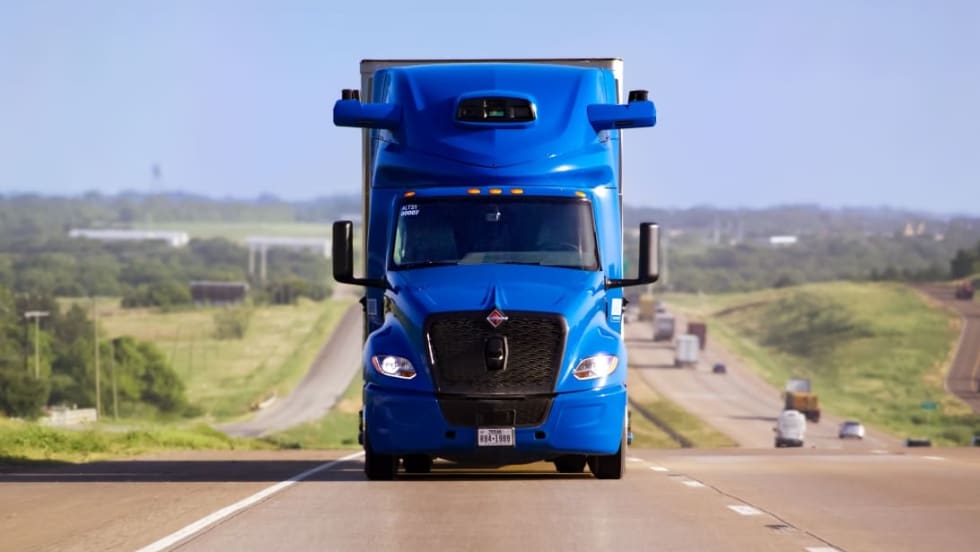
Aurora Rolls Out Next Generation of Driverless Trucks for Commercial Freight
Aurora's latest autonomous trucks it's rolling out with International feature lower-cost hardware designed for a million miles as the company expands commercial driverless freight operations across the U.S. Sun Belt.
Read More →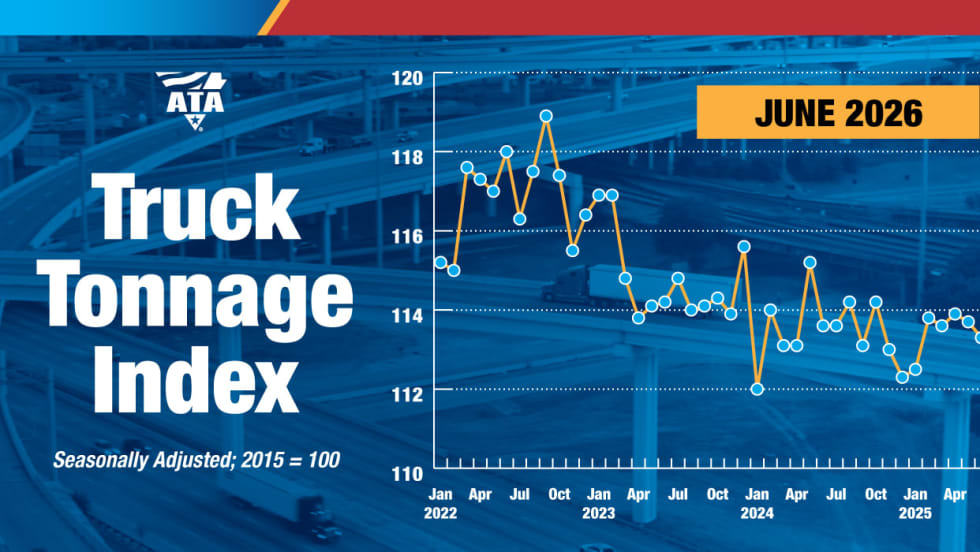
Freight Tonnage Down, Rates up, as Lower Capacity Powers Trucking Recovery
The recovery from the freight recession continues to be driven by reduction in capacity rather than by increased demand.
Read More →
Think Your Trucking Fleet Isn't Using Much AI? Think Again
Shadow AI — the use of unauthorized artificial intelligence tools at work — is becoming increasingly common, putting sensitive company data at risk. Learn how trucking fleets can protect sensitive data while embracing AI.
Read More →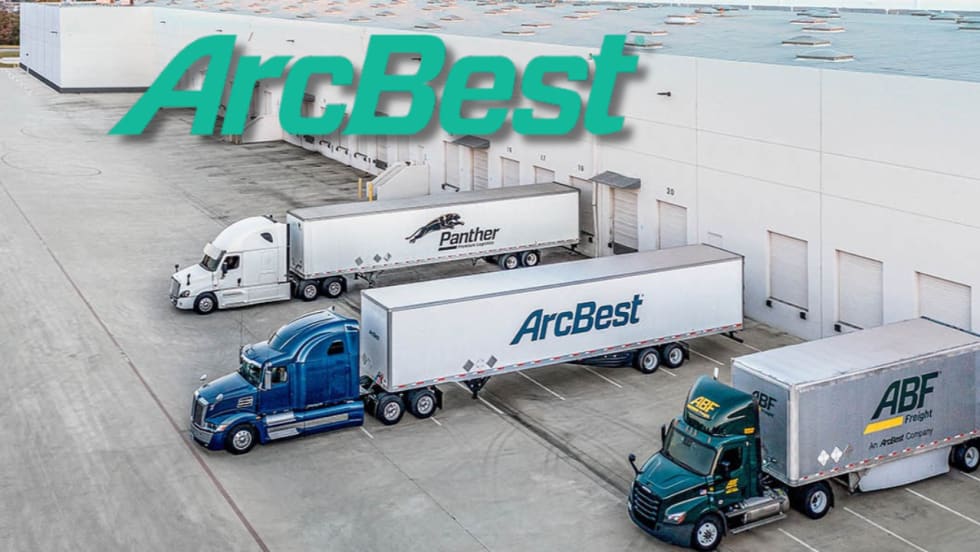
ArcBest Consolidates Brands, Cuts Workforce
The company will bring three business units under the ArcBest brand, eliminate about 2% of positions, and expects the changes to generate $40 million in annual savings.
Read More →
Trucking Fleets Faced Record Operating Costs During Third Year of Freight Recession
ATRI's annual operational cost report shows carriers trimmed fleets, delayed equipment purchases, and ran older trucks as expenses continued to outpace freight rates.
Read More →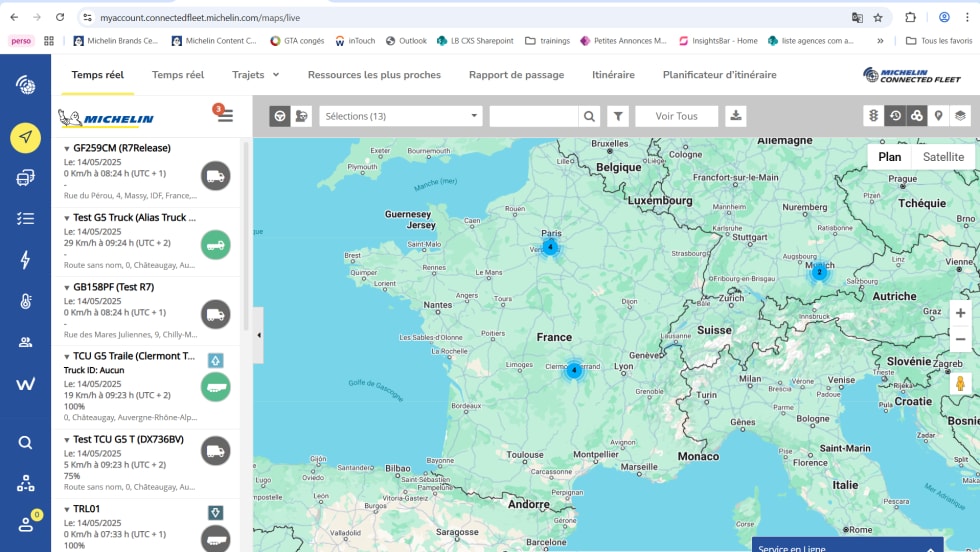
Michelin Adds AI Assistant to MyConnectedFleet Platform
Michelin’s new generative AI tool delivers instant fleet insights, helping managers analyze fuel use, tire maintenance, vehicle status, and operational performance without manually creating reports.
Read More →
LytxOne Platform Now Features AI, Compliance, and Asset Tracking Tools
New enhancements add AI-powered insights, asset tracking, compliance automation, and configurable privacy controls to Lytx's all-in-one fleet management platform.
Read More →