




Canadian Trucking Alliance Tells Carriers to Take Responsibility for Driver Shortage
Take a look in the mirror and stop blaming other groups for trucking-related labor problems, says a new report by the Canadian Trucking Alliance
Take a look in the mirror and stop blaming other groups for trucking-related labor problems, says a new report by the Canadian Trucking Alliance.
The CTA Blue Ribbon Task Force on the Driver Shortage report aims to take a "comprehensive and honest attempt to tackle" the impending shortage of qualified commercial drivers in Canada. Much of the report should hit home for U.S. carriers, as well.
The key conclusions of the report are:
- Truck drivers are our most important asset, the face of the industry -- to our customers and to the public, and they are deserving of respect.
- Truck drivers should have an improved ability to predict what their weekly pay is going to be; compensation packages need to be competitive with or better than alternative employment options and more transparent.
- Truck drivers should be paid for all the work that they do and earn enough to cover all reasonable out-of-pocket expenses incurred while on the road for extended periods.
- (Drivers') time at work should not be wasted - at shipper/consignee premises, waiting for their trucks in the shop, or waiting for a response to a question of their carrier.
- (Drivers) should be able to rely on their carrier not to interfere with their personal time by (for example) calling them back to work early.
- Driver wellness should be a top priority for employers.
- A minimum standard of entry level, apprenticeship or apprenticeship-like truck driver training should be mandatory.
- Truck driving should be considered a skilled trade and be recognized as such by the various levels and branches of government, standards councils, etc., who certify such things.
"While the report highlights the usual "systemic issues" behind the shortage -- such as driver demographics, public perceptions of the occupation, an unpopular lifestyle, not being deemed a skilled occupation and regulations -- it also holds up a mirror to the industry and attempts to incite a national dialogue within the transportation community," says the CTA in a press release.
The report purposefully does not shy away from discussing some of the more contentious issues linked to the driver shortage, including compensation (which the report says "is inescapably the overriding issue" that needs to be resolved) and the need for organized immigration strategies.
The report cites the "traditional 'piece work' pay system" as one of the key reasons for the driver shortage, explaining that it "places the burden of inefficiencies of the freight system created by others onto the backs of drivers" and states that compensation packages for truck drivers -- especially long-haul operators -- "are no longer competitive with other industries" competing with trucking for a shrinking labor pool.
While the report acknowledges that an hourly pay system may be a "relevant consideration" in some segments of the industry where driving is the sole function or in short-haul/city P&D operations, it is not a solution for the industry at large.
The "reality is that drivers do inevitably arrive at some sort of per-hour calculation of what they are paid," it concludes. "Carriers must be competitive with each other. The key is not necessarily how drivers are paid, but how much they are paid."
At the same time, the industry needs to do a better job compensating drivers for additional work they do as well as make pay packages more transparent in order to help drivers predict what their pay will be from week to week, the report says.
In addition to demographics, compensation, and driver quality of life, driver qualification is also identified as one of the key underpinnings of the shortage. To address that, the core values contain the recommendation that "a minimum standard of entry level apprenticeship or apprenticeship-like truck driver training should be mandatory" and there should also be a program of "ongoing training and/or certification" throughout a driver's career.
The report concedes there is merit - at least in the short-term - in the argument that a driver shortage is good for the industry in that it creates tightness in capacity which in turn places upward pressure on freight rates. The report acknowledges "there will be no quick fixes, no magic bullets" and that "in the short and medium-term, the situation and its resulting impact on capacity is unlikely to change."
However, it contends that in the longer-term the capacity imbalance is not sustainable and that "the combination of a shrinking labor pool and economic growth will, at some point in the future, create a situation where the industry will not be able to meet the standards of service that have been the hallmark of trucking's rise" to dominance.
This article originally appeared on www.todaystrucking.com. Used with permission.
More Aftermarket
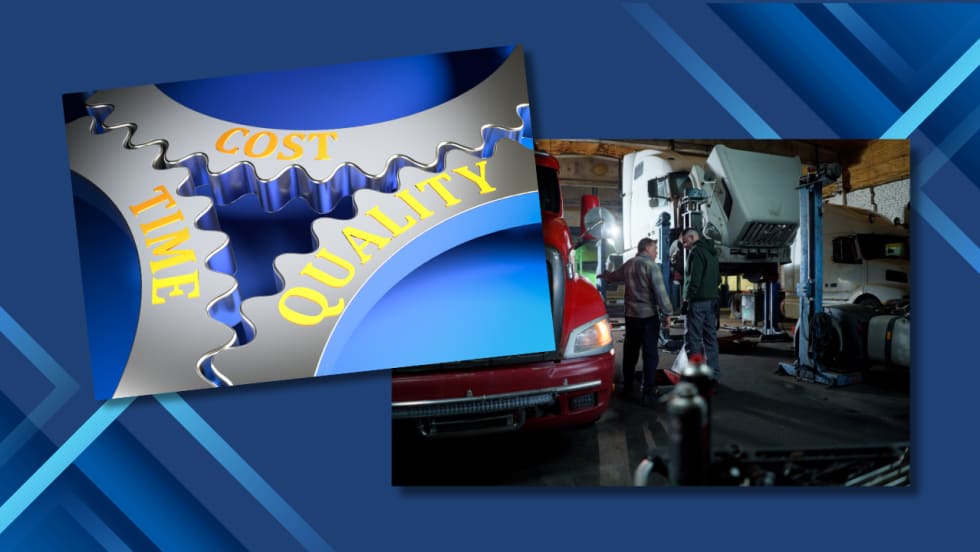
What Three Fleets Are Doing Differently When Buying Truck Parts in 2026
With freight improving but costs still climbing, fleet maintenance executives explain how they're balancing price, quality, and supplier relationships.
Read More →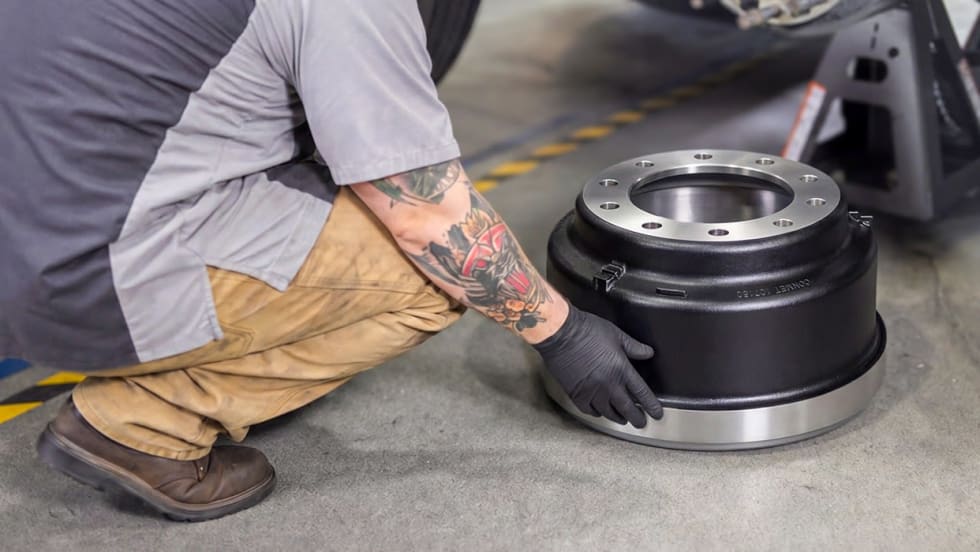
ConMet Expands Aftermarket Brake Drum Lineup With TruCast
A new heavy-duty truck brake drum option in the aftermarket gives customers more flexibility within the ConMet product family.
Read More →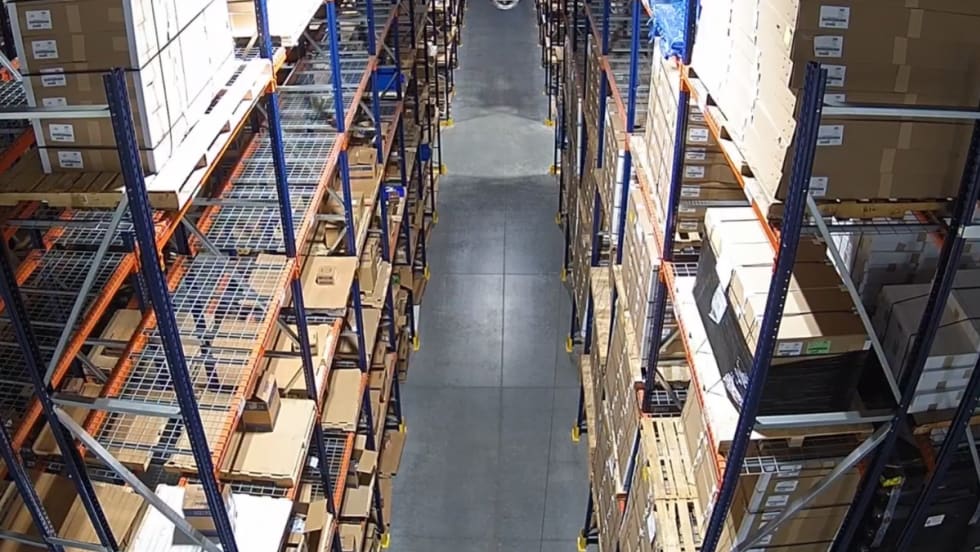
Phillips Opens High-Tech Distribution Center for Faster Parts Delivery
Phillips Industries’ new Cincinnati-area distribution center is now shipping aftermarket trucking parts nationwide, aiming to speed up delivery times for customers.
Read More →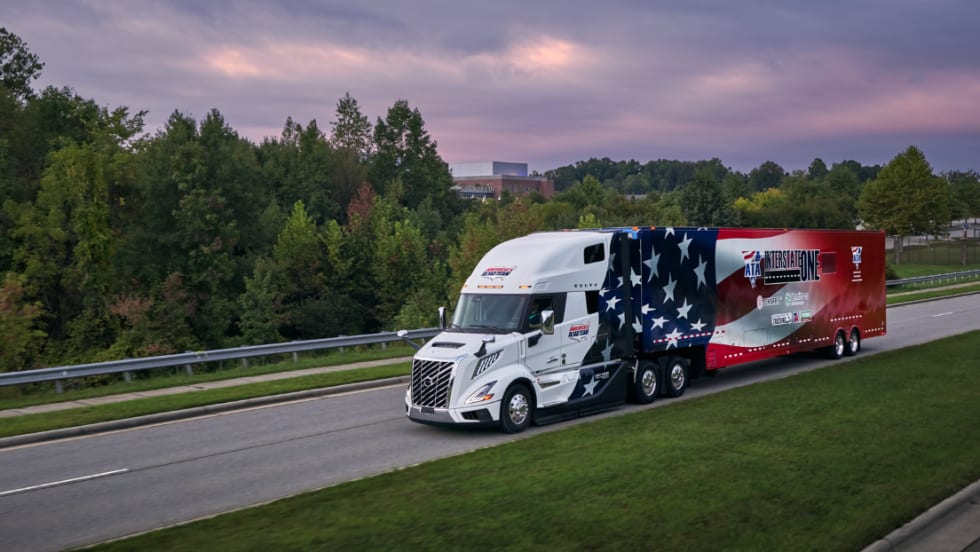
Volvo to Sponsor America’s Road Team for 2025
Volvo Trucks announced that it is extending its exclusive sponsorship of America’s Road Team for 2025.
Read More →
Webb to Start Taking Orders for UltraSet Pre-Adjusted Wheel Hubs
Webb, which recently acquired the Stemco Trifecta pre-adjusted hub program, will soon start taking orders for its replacement pre-assembled hub, the UltraSet.
Read More →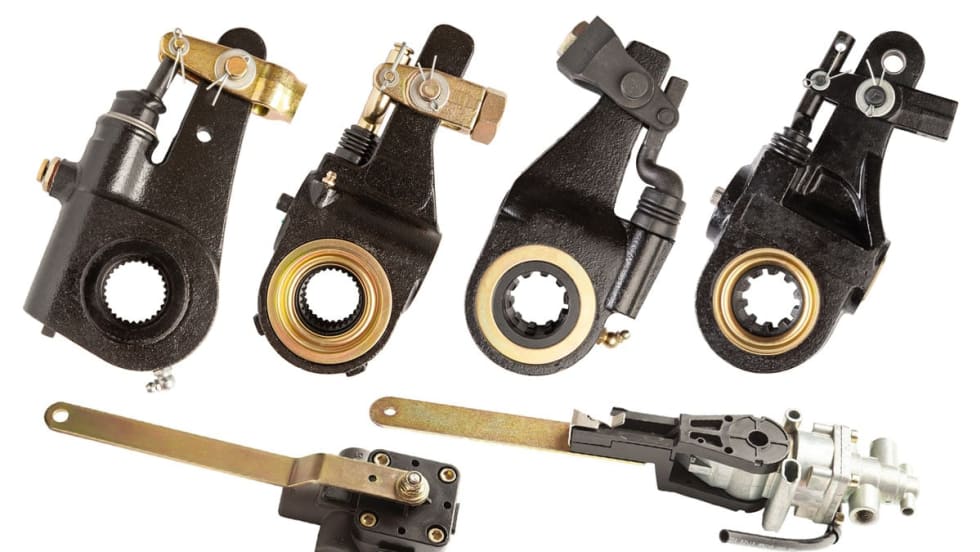
All-Makes Automatic Brake Adjusters, Ride Height Control Valves from Midland
SAF-Holland has added automatic brake adjusters and ride height control valves to its Midland All-Makes Program.
Read More →
ZF Aftermarket Expands [pro]Academy Training
ZF Aftermarket said it is expanding its ZF [pro]Academy training and will be adding 40 new modules this year.
Read More →
Eaton Adds Remanufactured Advantage Line of Clutches
Eaton has added its Advantage clutches to its remanufactured product line. The clutches feature a unique strap drive intermediate plate designed to allow customers to choose the latest OE specification
Read More →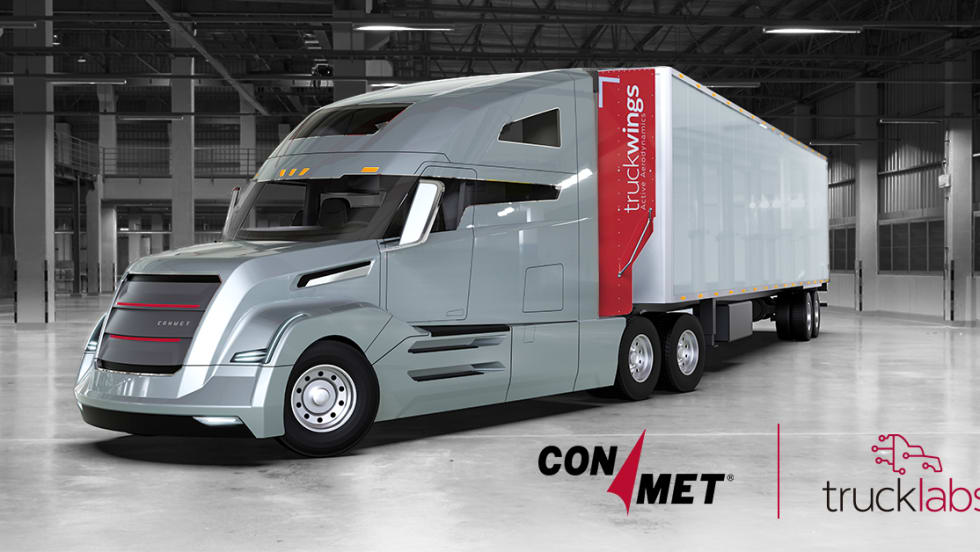
ConMet Acquires TruckLabs, the Creator of TruckWings
Commercial truck and trailer parts provider ConMet acquired TruckLabs, the company that created TruckWings, an aerodynamic device that attaches to truck cabs and deploys to close the gap between truck and trailer. TruckLabs now operates as a subsidiary of ConMet.
Read More →
Diesel Laptops Releases Fault-Code-to-Part-Number Tool
Diesel Laptops said its Truck Fault Codes allows users to input a fault code and immediately identify and order the parts needed to complete repair work.
Read More →