




Ontario's major shippers and carriers have agreed to pass on fuel surcharges to independent truckers.
According to the Ottawa Sun, Economic Development and Trade Minister Al Palladini outlined the details of a formula deciding how much truckers will get.
The formula was worked out during a meeting with the trucking industry Monday. Palladini hopes the agreement will help diffuse the growing blockade war between the truckers and the companies that they work for, the article said.
Palladini also said the current dispute has been irritated by the fact that there are too many independent truckers on the road.
"That is part and parcel of the problem," he told the paper. "It's a very, very difficult situation especially when the competition is so fierce and we have more really than the industry can support."
The oversupply of owner-operators has led to the undercutting of contracts, which has meant many truckers are working for little or no profit.
Since July 1999, truckers have been struggling to deal with a 75 percent hike in fuel prices, and complaints that shipping companies and carrier firms collect fuel surcharges from customers but don't pass them on have been running rampant.
Ottawa-area truckers organized a series of blockades at oil refineries Monday to kick off a fuel protest after Ontario's independent truckers voted unanimously Sunday to stop shipping goods until the province regulates fuel surcharges. The local trucking union is expected to join the strike after a meeting tomorrow, the article said.
Palladini says if the companies refuse to pass on surcharges, the "culprits can be isolated" by the industry and dealt with.
Canadian Shippers Agree to Pass on Surcharges
Ontario's major shippers and carriers have agreed to pass on fuel surcharges to independent truckers
More Equipment
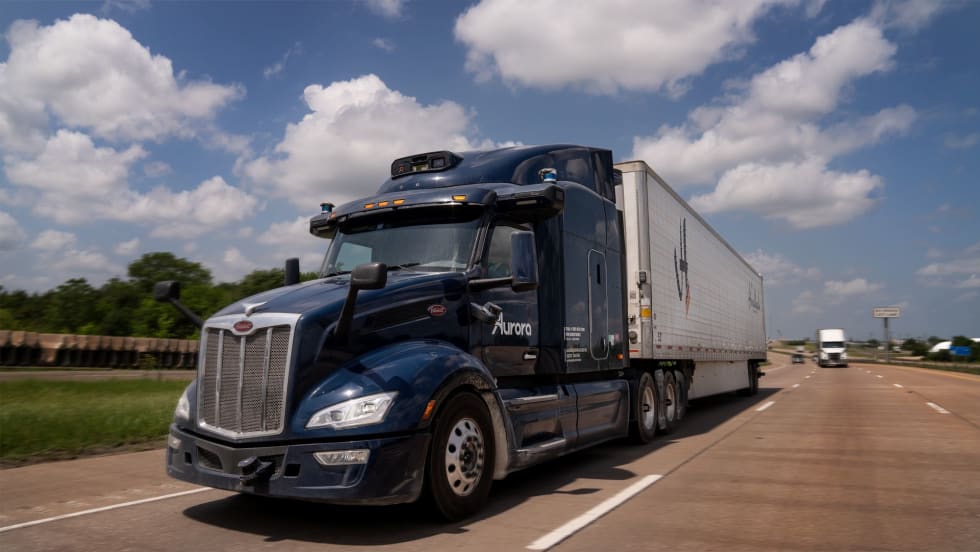
Hirschbach Announces Plan to Deploy 500 Aurora Autonomous Trucks
Hirschbach and Aurora Innovation have inked a non-binding deal outlining a path to deploy 500 Aurora Driver-powered trucks into fleet operations.
Read More →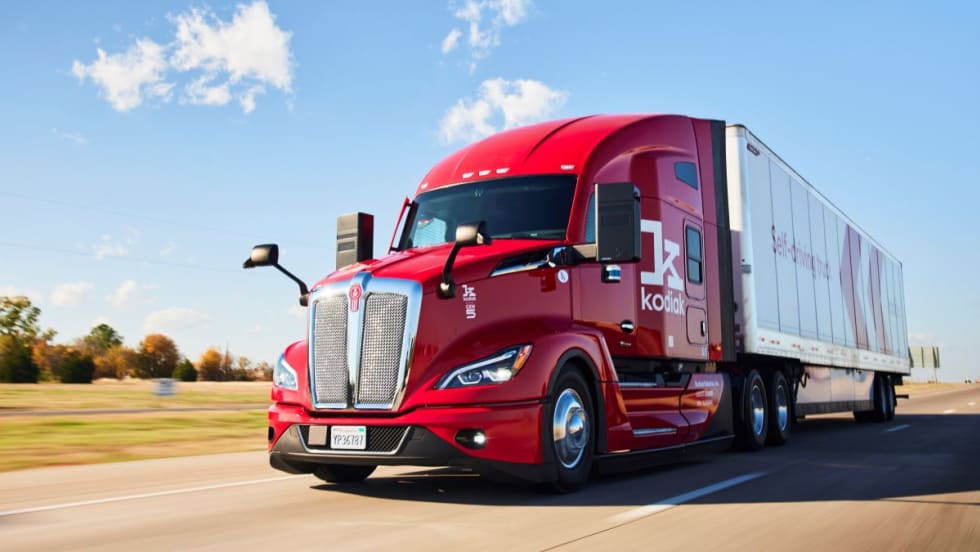
Bosch, Kodiak AI Advance Toward Scaled Production of Autonomous Truck Hardware
New sensor integrations and component validation signal a shift from strategy to execution as Kodiak and Bosch push toward high-volume driverless truck deployment.
Read More →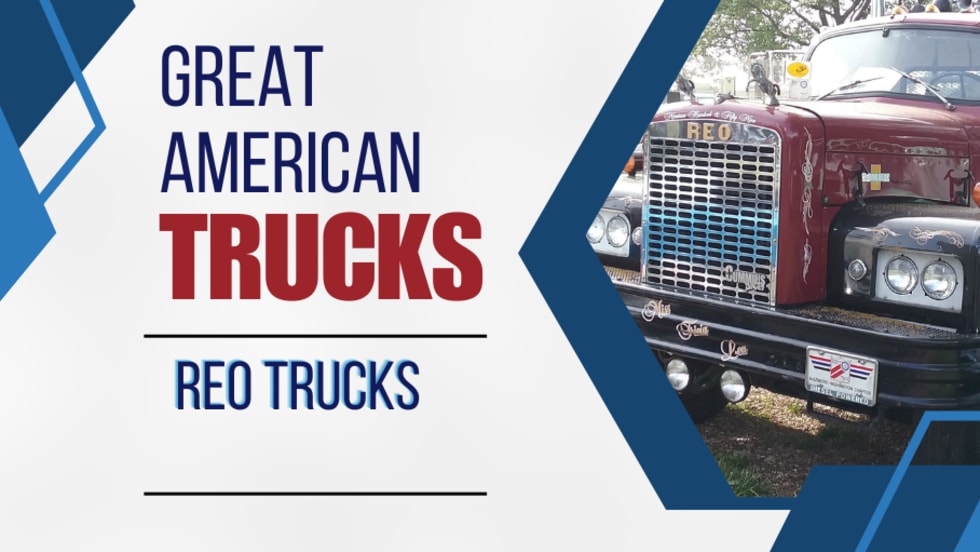
Great American Trucks: REO
The evolution of the modern truck was a long, slow affair. But perhaps no other company did more to establish the template for what a modern truck should be, and how it should perform, than REO.
Read More →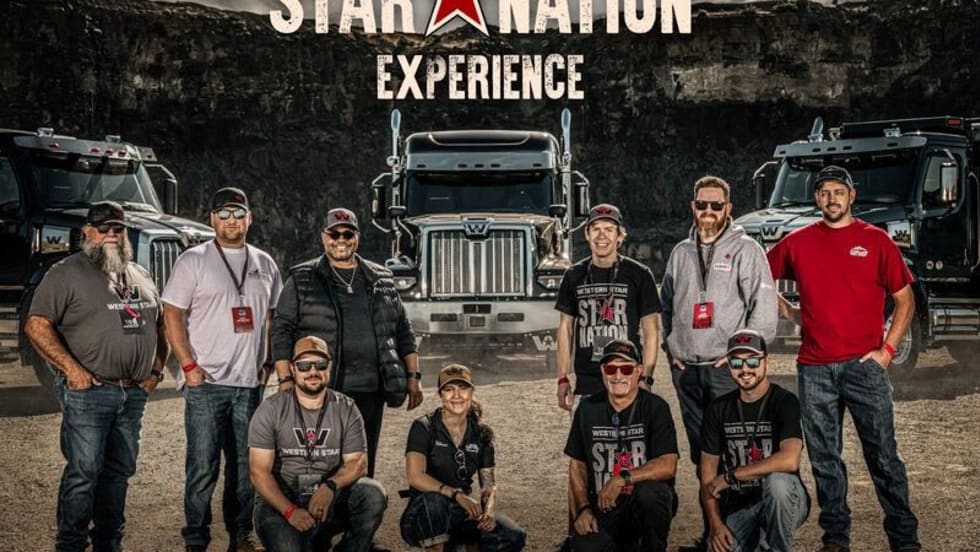
Western Star Doubles Down on Driver Pride With 2026 Star Nation Experience
Western Star has expanded its operator-focused Star Nation competition and outreach to spotlight skill, attract new drivers, and strengthen industry ties.
Read More →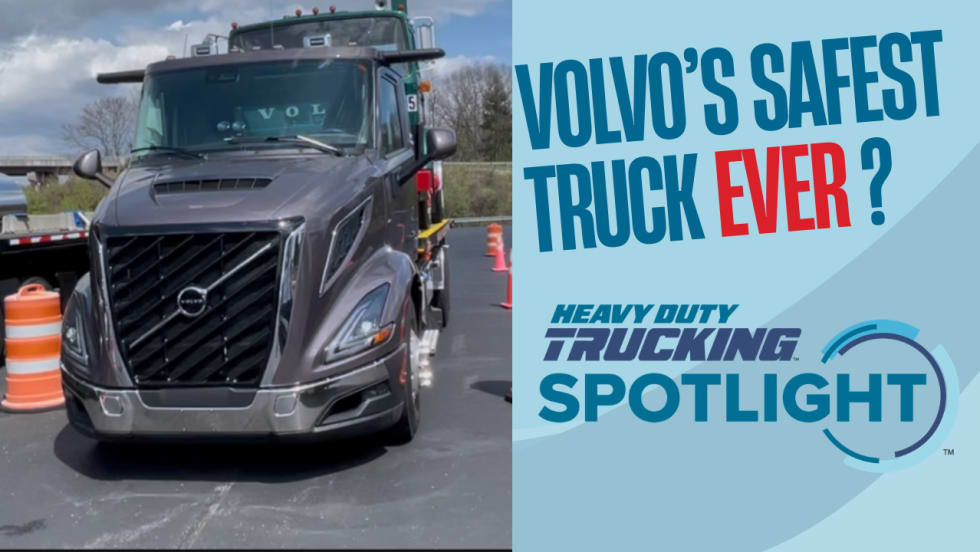
Is the All-New VNR Volvo's Safest Truck Ever?
The all-new Volvo VNR is jam-packed with advanced safety features. Join HDT for a first-hand look at how Volvo is keeping drivers safer and productive on the road.
Read More →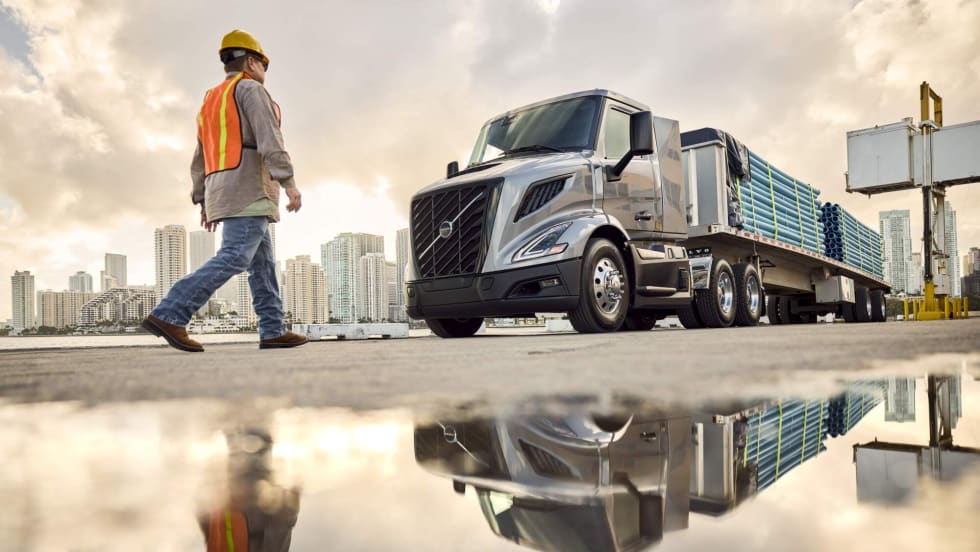
Volvo Redesigns the VNR With Drivers and Tight Turns in Mind
At Volvo’s New River Valley customer center, the all-new VNR proves that maneuverability, safety, and driver confidence can coexist in a regional-haul workhorse.
Read More →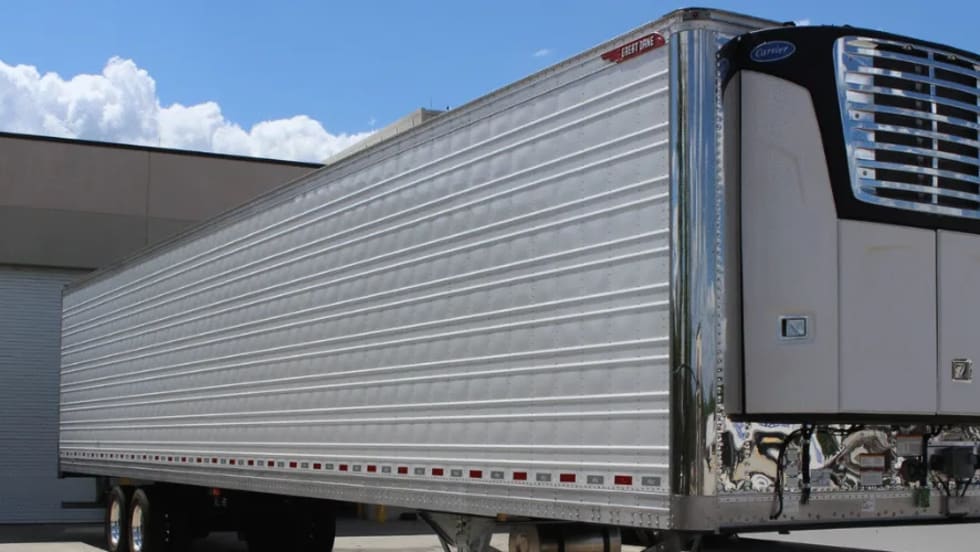
FTR: Trailer Orders Jump in March, but Demand Still Lags
March trailer orders posted an unexpected monthly jump, but demand still trails historical norms as fleets prioritize power units over trailing equipment.
Read More →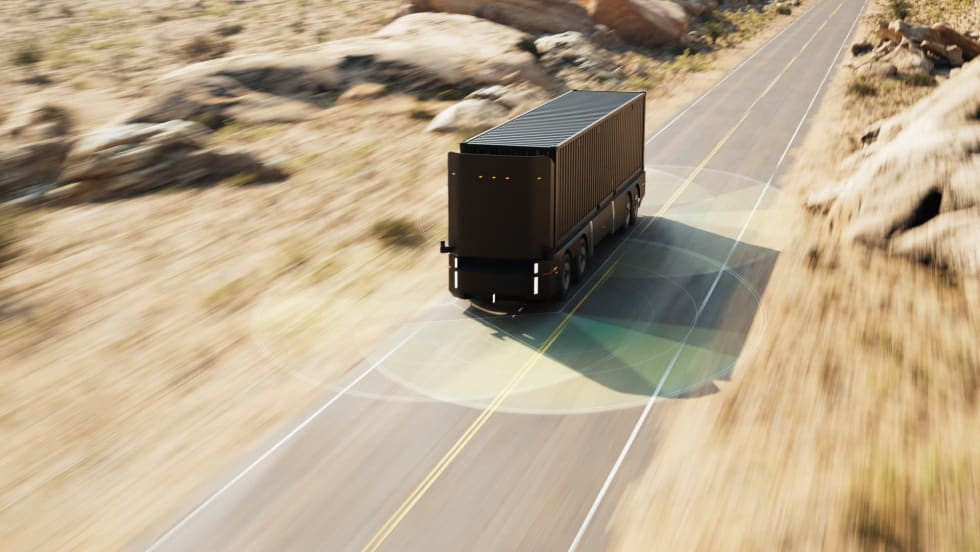
Autonomous Start-Up Humble Announces Cabless Autonomous Electric Hauler
A new autonomous truck startup company is targeting yard, port, and short-haul freight with a lighter, fully autonomous platform designed for dock-to-dock moves.
Read More →
Top Green Fleets of 2026: Nomination Deadline Extended
Is your company a leader in sustainability efforts among trucking fleets? If so, Heavy Duty Trucking's editors want to hear from you.
Read More →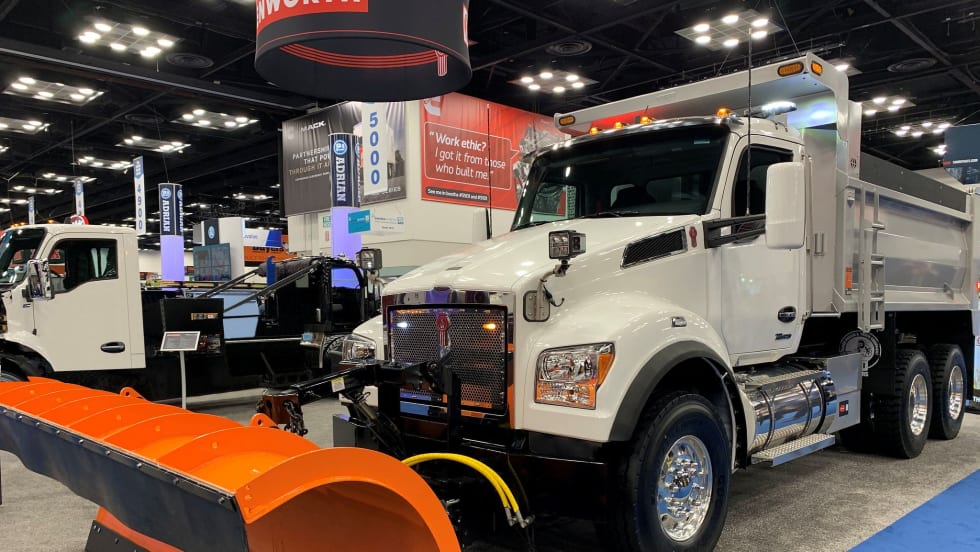
Kenworth Announces Reinforced Front Frame Option for T880 and T880S Models
Kenworth has released a factory-installed reinforced front frame option for T880 models, designed to simplify upfits, cut costs, and speed time to service.
Read More →