




The California Air Resources Board voted unanimously Friday to enact state diesel emissions standards to fill a two-year gap in federal regulations. Thirteen other states have said they will follow suit.
The regulations require heavy-duty diesel engines to meet stringent testing standards to cut nitrogen oxide emissions from exhaust in 2005 and 2006. The regulations are needed, say air quality officials, because of a delay in new federal emissions regulations.
In 1998, seven engine manufacturers settled a lawsuit with the U.S. Environmental Protection Agency that accused the companies of selling more than 1 million vehicles over 10 years with engines designed to override emission control systems. They were fined more than $83 million, and under a consent decree between the manufacturers and the federal government, agreed to meet stricter emissions standards during 2002-2004.
At the time the consent decree was signed, it was expected that new federal emissions regulations would go into effect at the end of that time. However, the new federal emissions standards, which are expected to be made final any day now, won't go into effect until 2007. They are not allowed to go into effect any earlier because of Clean Air Act requirements that call for a minimum time period before rules take effect. Air quality officials are afraid that engine makers will revert back to weaker requirements during the intervening years, so they are enacting their own rules to extend the consent decree standards until new EPA regulations go into effect.
This is the first time states have used their authority to act independently of the federal government to reduce exhaust from heavy-duty diesel engines. Under federal law, states are allowed to take such action as long as they proceed along with California, which is the only state allowed to implement its own tougher air pollution requirements.
Other states joining in support of California's tougher standards are New York, New Jersey, Massachusetts, Connecticut, Rhode Island, New Hampshire, Vermont, Maine, Delaware, Georgia, North Carolina, Texas and Nevada.
"The other states aligning with us makes over 40% of the market share, nearly half," says CARB spokesman Jerry Martin. "We think that's enough critical mass to force the trucking companies to build only one type of truck, and it becomes in effect de facto national regulations."
Engine manufacturers were not happy about the development. The Engine Manufacturers Assn. opposed the CARB proposal, calling it "a completely new set of emissions standards and not just the simple addition of testing procedures as the board maintains." The EMA testified that because they are new, the CARB rules should be subject to the same waiting period as regulations from the U.S. Environmental Protection Agency.
Martin, however, says that these are not new rules, simply an extension of those in the consent decree. And even if they were, California does not fall under the jurisdiction of the Clean Air Act. "We think this is ridiculous considering they agreed to build these trucks starting in 2002," he says.
Jed Mandel, general counsel for EMA, expressed doubt that the new California rules would actually stick.
"Not all engine manufacuters are subject to the consent decree. It was agreed to as a non regulatory process to settle disputes bergeen some engine manufacturers and the government. The government cannot unilaterally take a consent decree and apply it as regulation. If they could, the U.S. EPA would have done that and applied them in 2004, but they rightly concluded they couldn't do that under the Clean Air Act."
It's not clear, Mandel says, whether the U.S. EPA will give the California Air Resources Board the waiver that it needs to enforce the new rules. And if it does, Mandel says, the EMA will seriously consider a legal challenge.
California Approves New Emissions Regulations
The California Air Resources Board voted unanimously Friday to enact state diesel emissions standards to fill a two-year gap in federal regulations. Thirteen other states have said they will follow suit
More Aftermarket
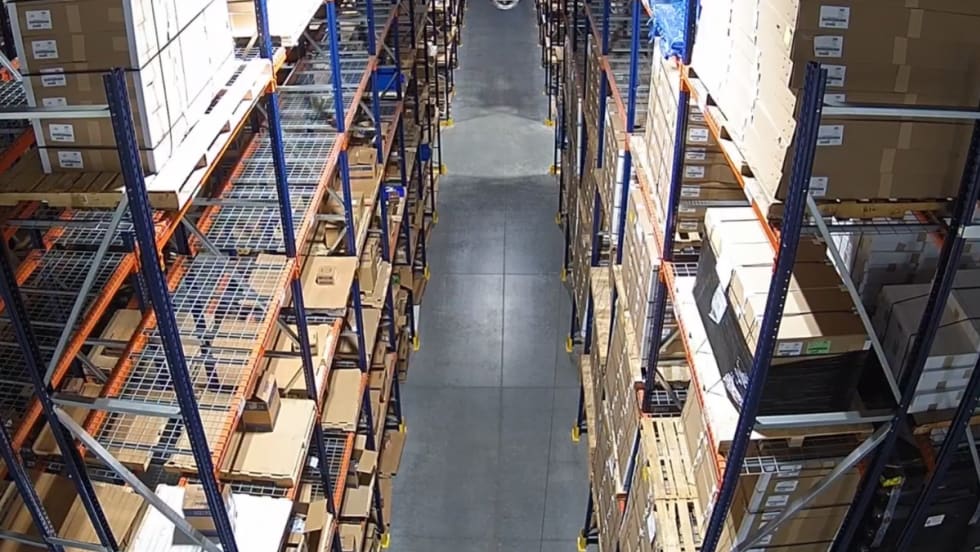
Phillips Opens High-Tech Distribution Center for Faster Parts Delivery
Phillips Industries’ new Cincinnati-area distribution center is now shipping aftermarket trucking parts nationwide, aiming to speed up delivery times for customers.
Read More →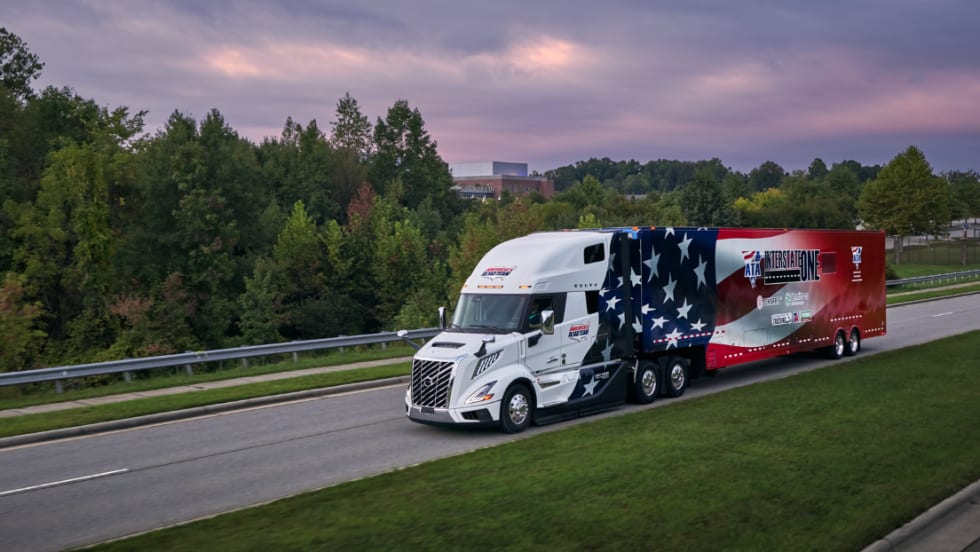
Volvo to Sponsor America’s Road Team for 2025
Volvo Trucks announced that it is extending its exclusive sponsorship of America’s Road Team for 2025.
Read More →
Webb to Start Taking Orders for UltraSet Pre-Adjusted Wheel Hubs
Webb, which recently acquired the Stemco Trifecta pre-adjusted hub program, will soon start taking orders for its replacement pre-assembled hub, the UltraSet.
Read More →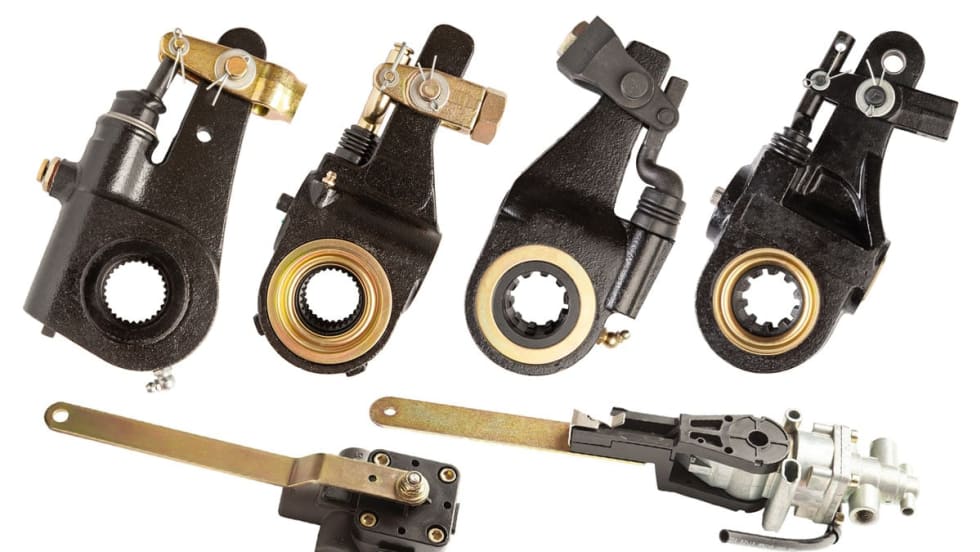
All-Makes Automatic Brake Adjusters, Ride Height Control Valves from Midland
SAF-Holland has added automatic brake adjusters and ride height control valves to its Midland All-Makes Program.
Read More →
ZF Aftermarket Expands [pro]Academy Training
ZF Aftermarket said it is expanding its ZF [pro]Academy training and will be adding 40 new modules this year.
Read More →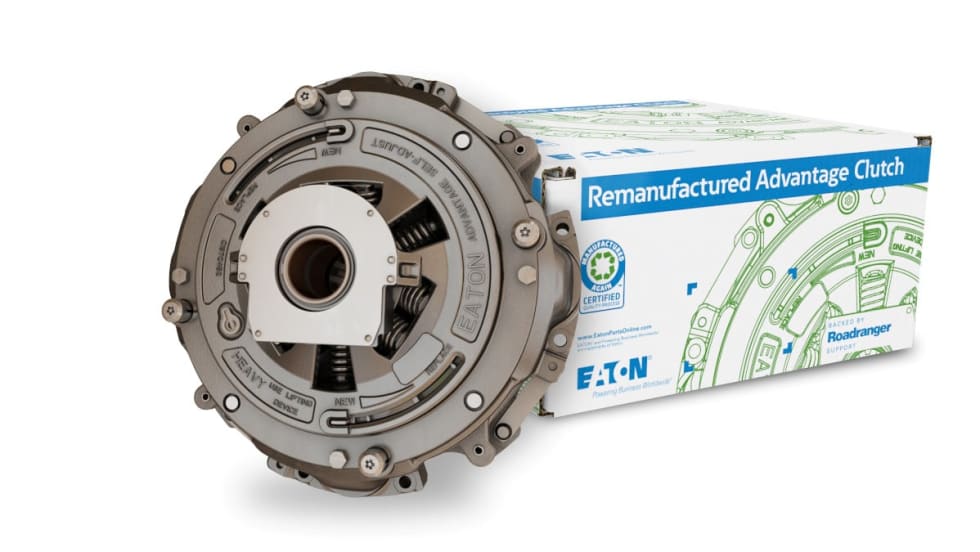
Eaton Adds Remanufactured Advantage Line of Clutches
Eaton has added its Advantage clutches to its remanufactured product line. The clutches feature a unique strap drive intermediate plate designed to allow customers to choose the latest OE specification
Read More →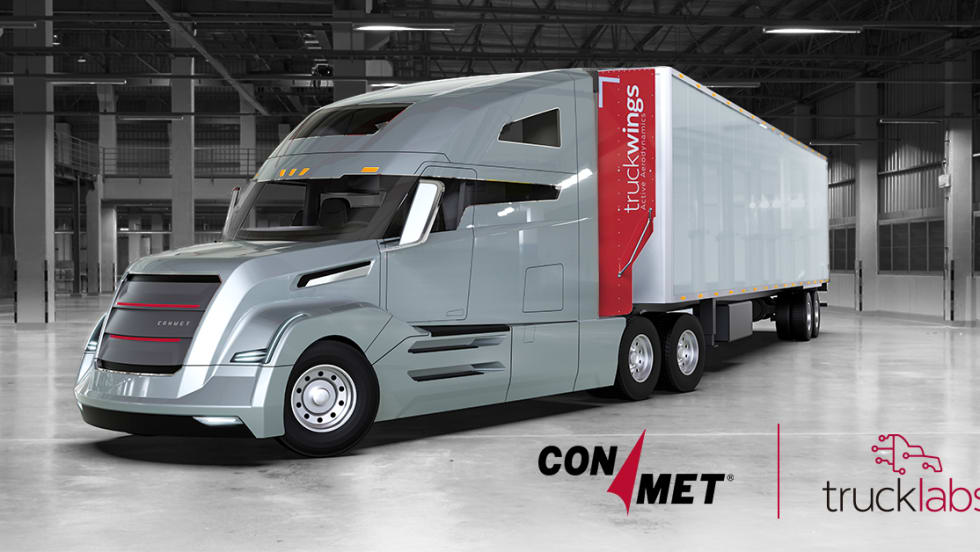
ConMet Acquires TruckLabs, the Creator of TruckWings
Commercial truck and trailer parts provider ConMet acquired TruckLabs, the company that created TruckWings, an aerodynamic device that attaches to truck cabs and deploys to close the gap between truck and trailer. TruckLabs now operates as a subsidiary of ConMet.
Read More →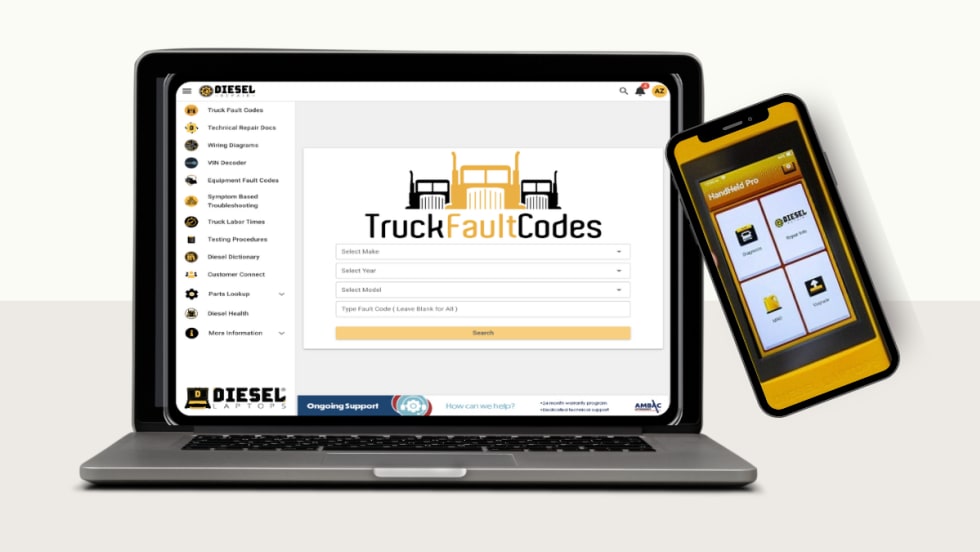
Diesel Laptops Releases Fault-Code-to-Part-Number Tool
Diesel Laptops said its Truck Fault Codes allows users to input a fault code and immediately identify and order the parts needed to complete repair work.
Read More →
Heavy Duty Parts and Labor Costs Dropped in Q2
A benchmarking report from TMC and Decisiv reveals good news for fleets as heavy-duty parts and labor costs dropped in the second quarter of 2023.
Read More →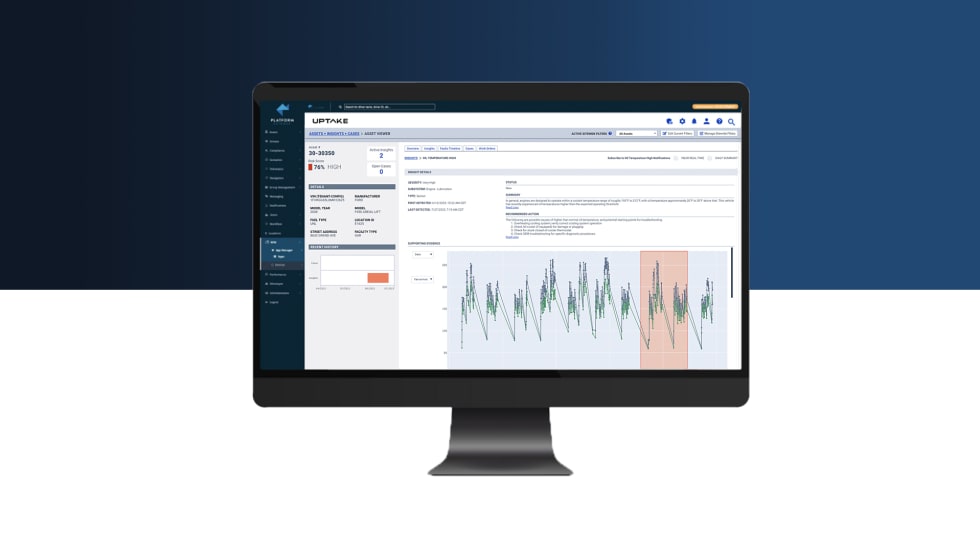
Platform Science, Uptake Partner on Predictive Maintenance Platform
Platform Science and Uptake have formed a partnership aimed at bringing a comprehensive predictive maintenance program to market for U.S. truck fleets.
Read More →