




Boosters of biodiesel believe the fuel can still have a role powering future heavy duty trucks. Made from soybeans and other agricultural products, or even recycled cooking oil, the fuel has been touted by farmers and environmentalists for a number of years, but has never taken off.
According to a recent report in the journal Environmental Science & Technology, biodiesel can be used in regular diesel engines without modifying them and produces significantly less pollutants. The researchers are from West Virginia University in Morgantown, WV, and the National Renewable Energy Laboratory in Golden, CO, and the study was funded by the U.S. Department of Energy.
"Biodiesel fuel may have the potential to reduce our nation's reliance on imported oil and to improve air quality," said Mridul Gautam, Ph.D., a professor in the university's Department of Mechanical and Aerospace Engineering and one of the authors of the study. The scientists studied a blend of 35% biodiesel fuel and 65% conventional diesel fuel. They found that this emitted significantly less carbon monoxide and moderately less hydrocarbons and particulate matter compared to 100% petroleum diesel.
"The potential of biodiesel to reduce emissions is quite significant," says Gautam. "There is a 25% reduction in particulate emissions alone." Emissions of carbon monoxide declined by 12 to 14%, and hydrocarbons by 10%, he added.
Biodiesel fuel is made by a reaction of vegetable oils with methanol or ethanol. The result is a less viscous, more volatile fuel. The truck engines ran just as efficiently on the biodiesel mix as on conventional diesel fuel (i.e., the average miles per gallon were essentially the same).
The research team found slightly elevated levels of nitrous oxide (NOx) emissions with the biodiesel blend. Changing the ignition timing of the engines reduced NOx emissions.
The reduction in carbon monoxide emissions is probably due to the higher oxygen content of the biodiesel fuel, the researchers say. More oxygen means the fuel is burned more completely. More complete burning also helps reduce hydrocarbon emissions.
The researchers attributed the 25% reduction in particulate emissions to the lower aromatic and sulfur content of biodiesel fuel, and its greater oxygen content.
In Delaware, a pilot program announced recently will use a 20% soybean-based biodiesel, 80% conventional diesel blend in its fleet of state-owned cars and trucks. The program will last six months and burn 40,000 gallons of soybean-based fuel.
"We'll be looking to see what the fuel performance is, we'll be looking to see what the equipment maintenance costs are," said Anne P. Canby, state transportation secretary. "Just imagine a few years out that you're tailing a little too close to a DOT truck and you get something that smells like french fries."
Biodiesel Supporters Haven't Given Up
Boosters of biodiesel believe the fuel can still have a role powering future heavy duty trucks. Made from soybeans and other agricultural products, or even recycled cooking oil, the fuel has been touted by farmers and
More Aftermarket
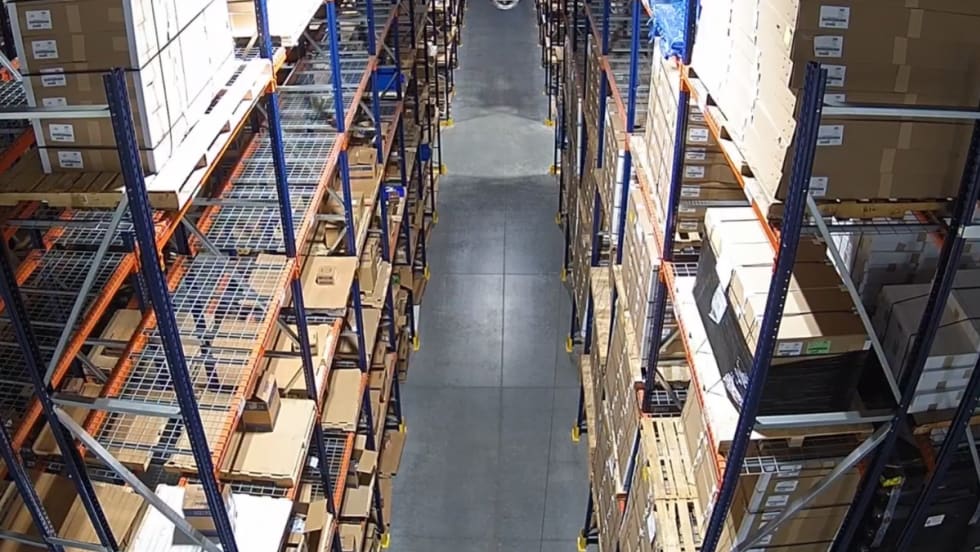
Phillips Opens High-Tech Distribution Center for Faster Parts Delivery
Phillips Industries’ new Cincinnati-area distribution center is now shipping aftermarket trucking parts nationwide, aiming to speed up delivery times for customers.
Read More →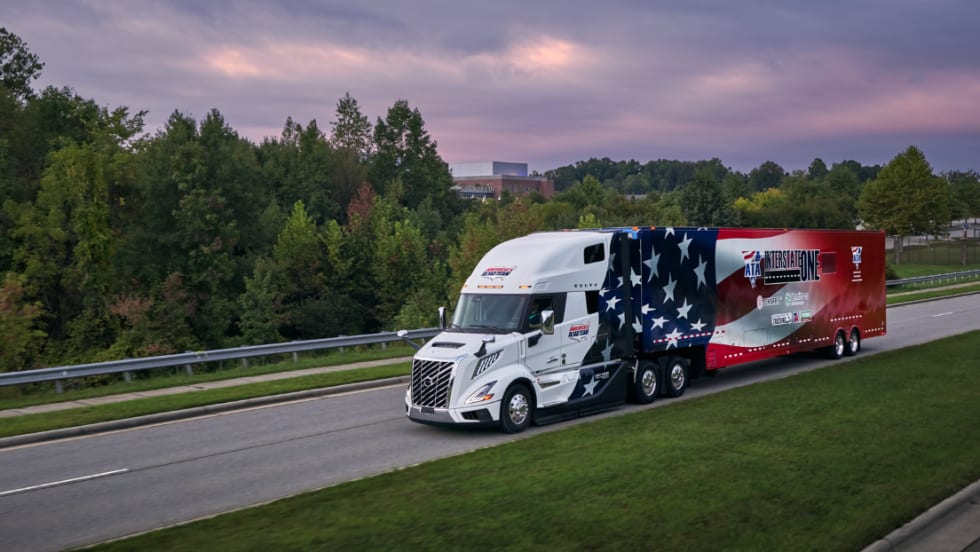
Volvo to Sponsor America’s Road Team for 2025
Volvo Trucks announced that it is extending its exclusive sponsorship of America’s Road Team for 2025.
Read More →
Webb to Start Taking Orders for UltraSet Pre-Adjusted Wheel Hubs
Webb, which recently acquired the Stemco Trifecta pre-adjusted hub program, will soon start taking orders for its replacement pre-assembled hub, the UltraSet.
Read More →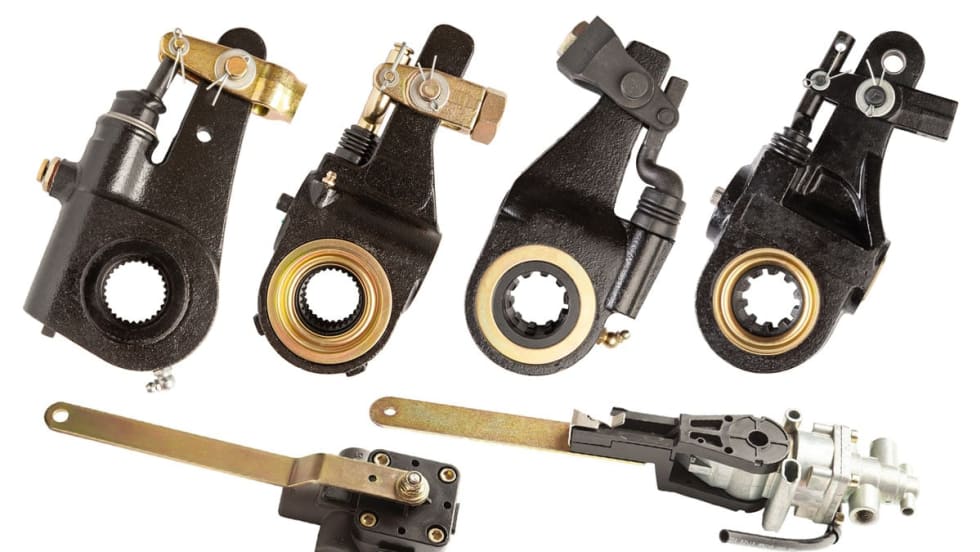
All-Makes Automatic Brake Adjusters, Ride Height Control Valves from Midland
SAF-Holland has added automatic brake adjusters and ride height control valves to its Midland All-Makes Program.
Read More →
ZF Aftermarket Expands [pro]Academy Training
ZF Aftermarket said it is expanding its ZF [pro]Academy training and will be adding 40 new modules this year.
Read More →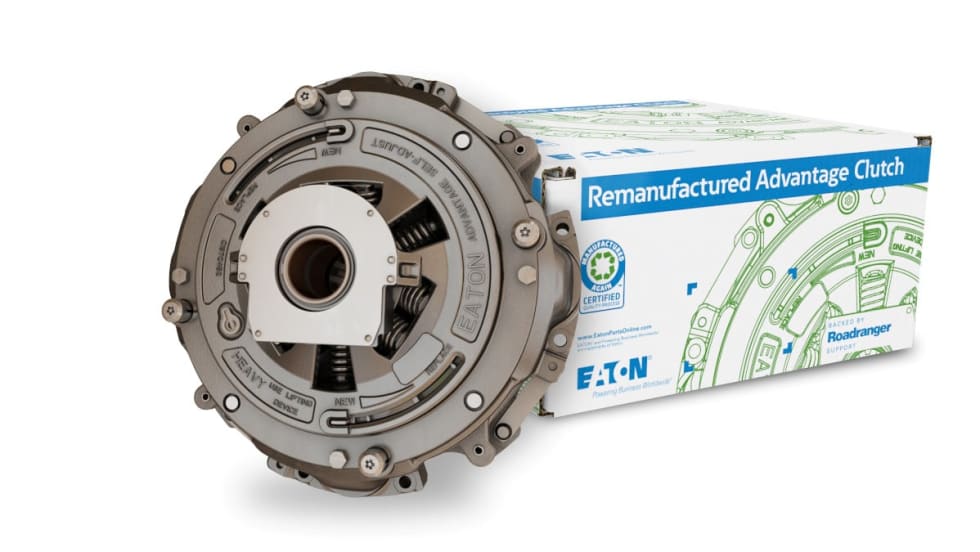
Eaton Adds Remanufactured Advantage Line of Clutches
Eaton has added its Advantage clutches to its remanufactured product line. The clutches feature a unique strap drive intermediate plate designed to allow customers to choose the latest OE specification
Read More →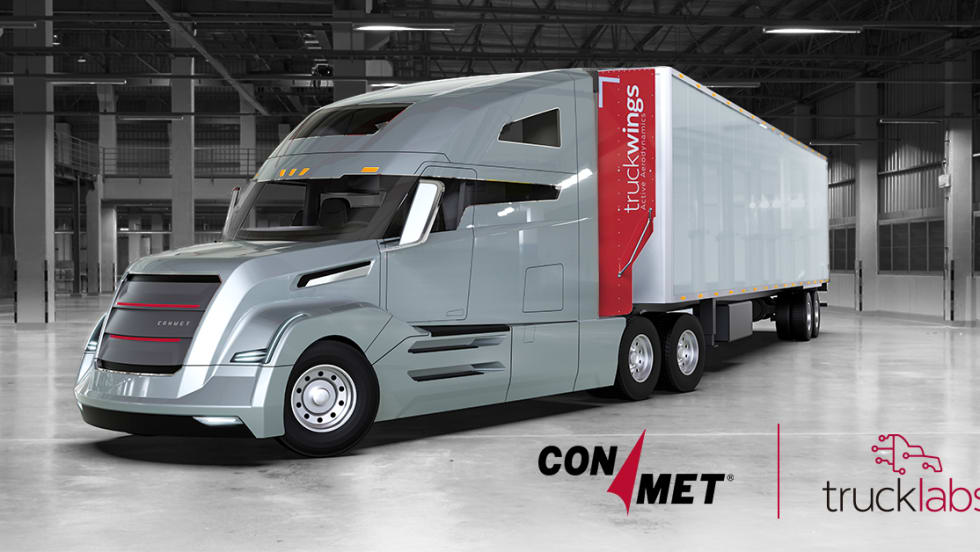
ConMet Acquires TruckLabs, the Creator of TruckWings
Commercial truck and trailer parts provider ConMet acquired TruckLabs, the company that created TruckWings, an aerodynamic device that attaches to truck cabs and deploys to close the gap between truck and trailer. TruckLabs now operates as a subsidiary of ConMet.
Read More →
Diesel Laptops Releases Fault-Code-to-Part-Number Tool
Diesel Laptops said its Truck Fault Codes allows users to input a fault code and immediately identify and order the parts needed to complete repair work.
Read More →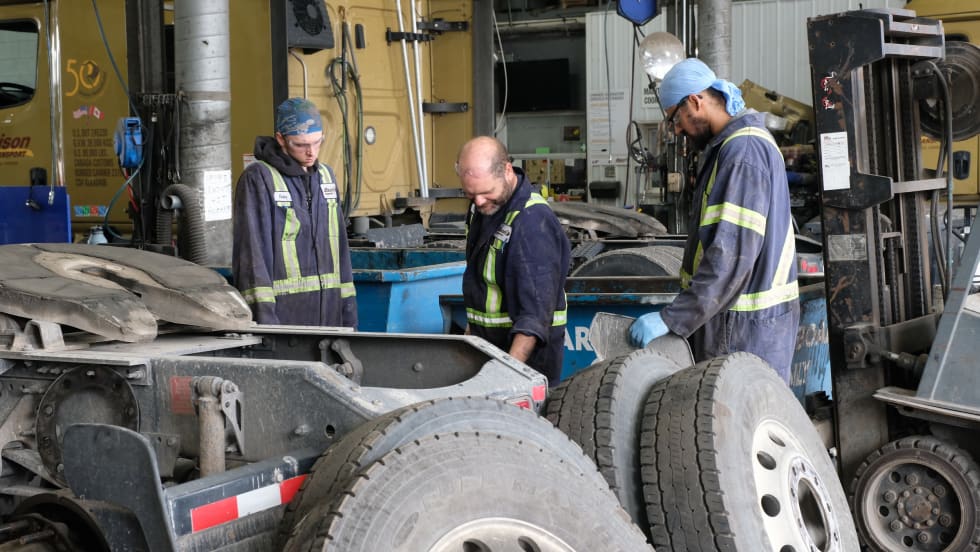
Heavy Duty Parts and Labor Costs Dropped in Q2
A benchmarking report from TMC and Decisiv reveals good news for fleets as heavy-duty parts and labor costs dropped in the second quarter of 2023.
Read More →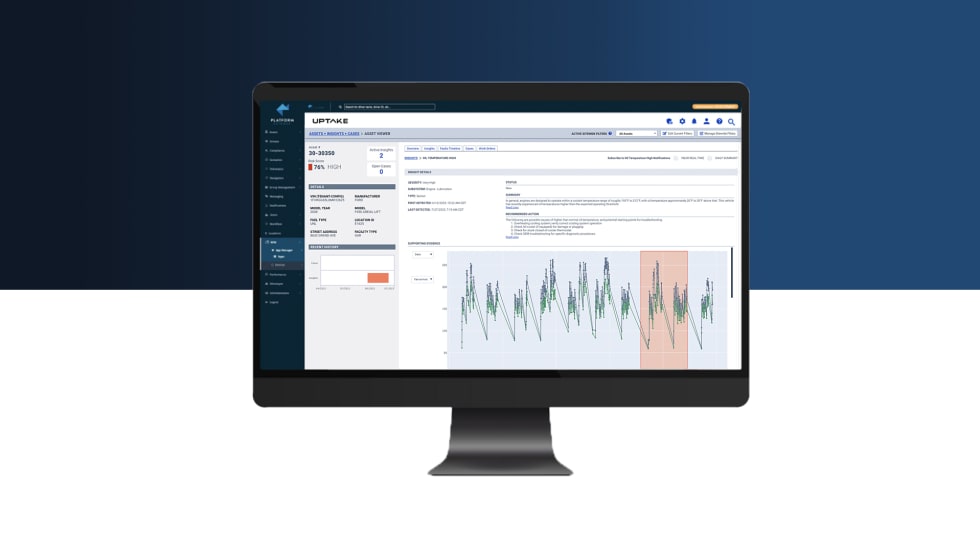
Platform Science, Uptake Partner on Predictive Maintenance Platform
Platform Science and Uptake have formed a partnership aimed at bringing a comprehensive predictive maintenance program to market for U.S. truck fleets.
Read More →