




Autonomous Vehicles Near for Delivery Work, Report Says
A trend report published by DHL outlines the potential of autonomous technologies in transportation and logistics, and that the industry is well suited to take advantage of such technologies.

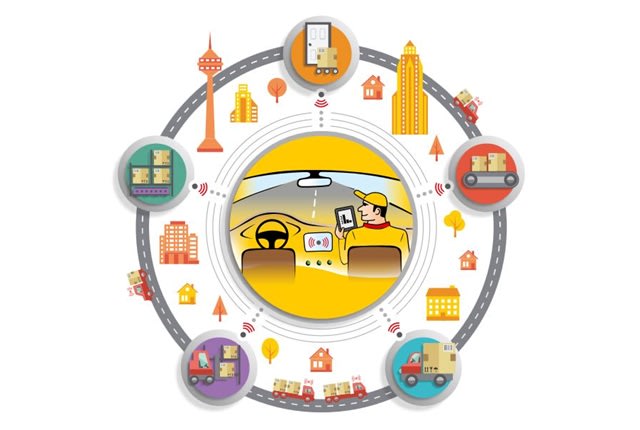
A trend report recently published by DHL outlines the potential of autonomous technologies in transportation and logistics, and that the industry is well suited to take advantage of such technologies.
The report, titled "Self-Driving Vehicles in Logistics," notes that autonomous technologies are already deployed in the military and in a number of industries, citing the Mars Rover Curiosity as an example of existing autonomous technologies. In addition, automakers already offer technologies such as parking assist systems, which take some control of the vehicle away from the driver, and virtually all are working with self-driving prototypes, not to mention the Google car.
Warehouses have also been using these technologies, including autonomous vehicles that move around warehouses carrying all kinds of items. But these warehouse are not self-driving – they lack the navigation and analysis capabilities to move around objects. Instead, they just stop when they encounter an obstacle. Advanced vision and other technologies, however, could result in warehouse vehicles that can maneuver around objects and people, the report states, performing a number of tasks.
Moving such vehicles outside of the warehouse and into public spaces, presents a greater challenge, according to the report.
The authors see their use first in truck yards, ports or other cargo-related areas. Self-driving vehicles could provide benefits and perform all types of yard duties in these controlled environments.
On the highway, some driver assistance systems are now available for trucking, such as collision avoidance and lane departure warning systems that alert drivers if they are following too close. Some of these systems depower the engine and apply the brakes if the driver does not react promptly. Blind-side cameras alert drivers to obstacles they can’t see.
Moving further into the future, the report says trucking may use technologies in assisted highway trucking, line-haul convoying and last-mile delivery.
The report also argues that self-driving vehicles can improve road safety and achieve greater fuel efficiency.
There are a number of challenges before self-driving vehicles are dropping off packages, the report concludes, such as regulations, public acceptance and liability issues.
More Fleet Management

How Telematics Improves Visibility, Control, and Performance in Refrigerated Fleets
Explore how telematics help refrigerated fleets improve visibility, uptime, efficiency, compliance, and cargo protection across connected cold chain operations.
Read More →
What the U.S.-Canada Trade War Means for Trucking
Escalating U.S.-Canada tariffs could disrupt cross-border freight, reduce truck volumes, raise costs, and create new uncertainty for carriers on both sides of the border.
Read More →
What Are Trucking’s Top Concerns for 2026?
The American Transportation Research Institute wants to know what's worrying trucking fleet managers, drivers, and other stakeholders in its annual Industry Issues survey.
Read More →

American Trucking Associations Looks for a New Leader
ATA President and CEO Chris Spear abruptly left his job at the association on August 21, at a pivotal time for the trucking industry.
Read More →
Public Wi-Fi Cybersecurity Risks: How Truck Drivers and Fleets Can Protect Their Data
Public Wi-Fi can expose truck drivers and fleets to credential theft, malware, and other cyber threats. Here’s how to reduce the risk on the road.
Read More →
For Nicky Cupp, Fleet Innovation Starts With Frustration
HDT Truck Fleet Innovator Nicky Cupp turns everyday pain points at Fraley & Schilling into opportunities for better technology and smarter processes.
Read More →
Adam Buttgenbach’s Approach to Electric Trucks: Start With Where They Fit
HDT Truck Fleet Innovator Adam Buttgenbach helped PepsiCo build one of North America’s largest EV fleets by focusing on where electric trucks make operational sense.
Read More →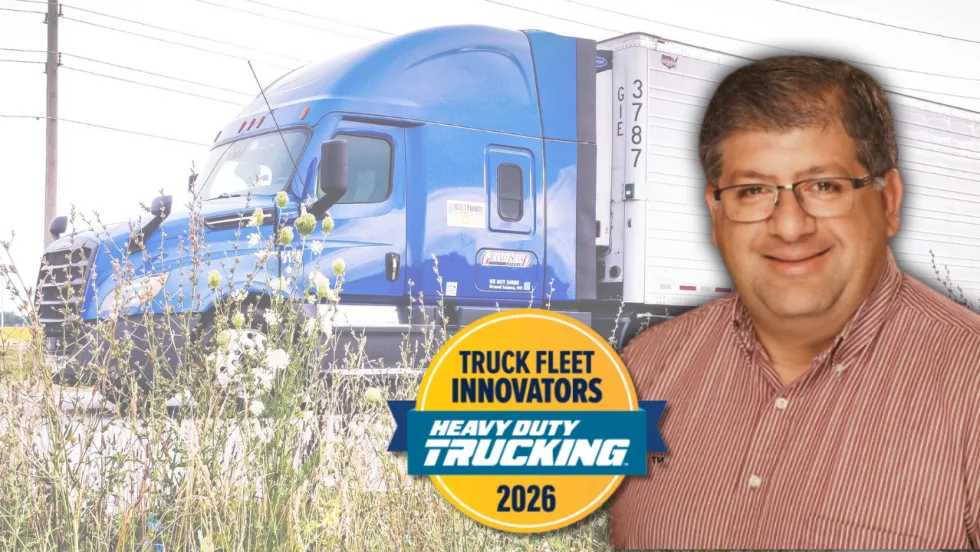
Deen Albert: Let Automation Do the Math, People Make the Decisions
HDT Truck Fleet Innovator Deen Albert makes sure people are still at the heart of operations at Grand Island Express, even while adopting artificial intelligence tools. AI-assisted dispatch helped boost revenue 25% with the same number of trucks.
Read More →
Trimble’s New AI Agent Takes Aim at Fleet Back-Office Busywork
Arc Agent works across Trimble TMS products to automate repetitive tasks such as freight orders, maintenance, invoices, fuel costs and more.
Read More →
How HDT’s 2026 Truck Fleet Innovators Are Rethinking Fleet Operations
Meet five trucking leaders who are challenging assumptions, solving operational problems, and putting innovative ideas to work.
Read More →