




Buyer of Uber's Self-Driving Business Targets Autonomous Trucks
Autonomous technology developer Aurora, which just bought Uber's self-driving vehicle business, says its first market-ready product will be an autonomous truck.

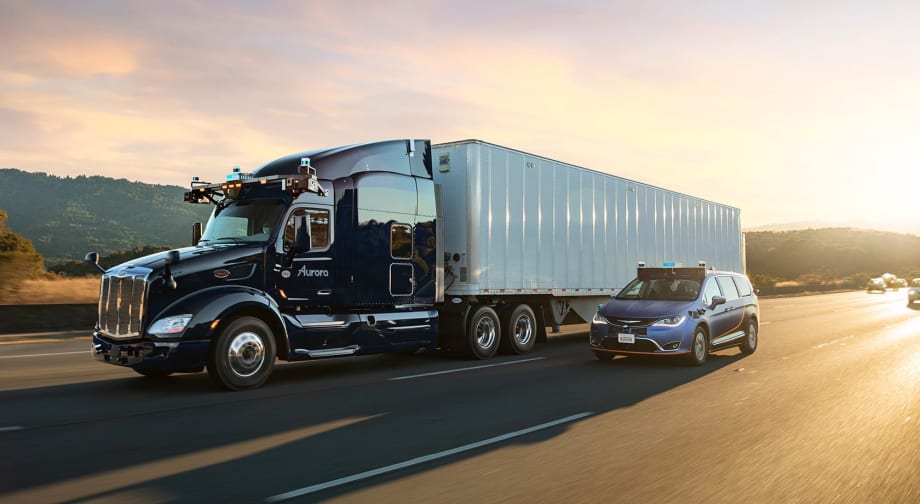
Aurora Driver said its acquistion of Uber ATG and a new, ongoing partnership with Uber will enable it to be a leader in developing both autonomous cars and trucks.
Photo: Aurora Driver
Autonomous technology start-up Aurora, which just bought Uber's self-driving vehicle business, says its first market-ready product will be an autonomous truck.
Aurora announced it has acquired the Uber Technologies self-driving vehicle business unit, known as the Advanced Technologies Group (Uber ATG). In a press release, Aurora said ATG’s team and technology will accelerate its mission to develop autonomous vehicles and deliver its first market-ready products in a quick, safe manner that will be “broadly” available in North America.
In addition to acquiring ATG, Aurora is also announcing a strategic partnership with Uber that connects its technology to the world’s leading ride-hailing platform and strengthens its position to deliver the Aurora Driver broadly.
While autonomous trucking is where Aurora will deliver a product first, the relationship with Uber puts Aurora in the unique position to be a leading player in both autonomous trucking and passenger mobility. In support of Aurora’s partnership with Uber, Uber is investing $400 million in Aurora, and Dara Khosrowshahi, the CEO of Uber, is joining Aurora’s board of directors.
“By adding the people and technology of Uber’s Advanced Technologies Group to the incredible group we’ve already assembled at Aurora, we’re shifting the landscape of the automated vehicle space,” said Chris Urmson, co-founder and CEO of Aurora. “With the addition of ATG, Aurora will have an incredibly strong team and technology, a clear path to several markets, and the resources to deliver. Simply put, Aurora will be the company best positioned to deliver the self-driving products necessary to make transportation and logistics safer, more accessible, and less expensive.”
According to Urmson, the team at ATG brings expertise, passion, and determination to delivering self-driving vehicles safely to the road. He noted that ATG, like Aurora, has been heads down, focused on building its proprietary technologies. And while its advances in software, hardware, product design, and more have flown under the radar, Uber has made tremendous headway on many fronts, he said, is committed to rigorous testing and has built a strong safety culture.
"With their technical prowess in both research and practical applications, ATG will strengthen and accelerate the first Aurora Driver applications for heavy-duty trucks while allowing Aurora to continue and accelerate work on light-vehicle products," he said.
Although a heavy truck is front-and-center on Aurora's website, it holds few details about their plans for automating trucking. In July, several media outlets reported that the company was testing a small fleet of vehicles in the Dallas-Fort Worth region operated by its Aurora Driver software and outfitted with its new “FirstLight” laser lidar sensor. It planned to run tests on commercial routes on heavily used delivery corridors, first using Chrysler Pacifica minivans modified as delivery vehicles, followed by Class 8 trucks.
At the time, the company was quoted as saying, “While the Driver will ultimately move both people and goods, our first commercial product will be in trucking – where the market is largest today, the unit economics are best and the level of service requirements is most accommodating."
More Equipment
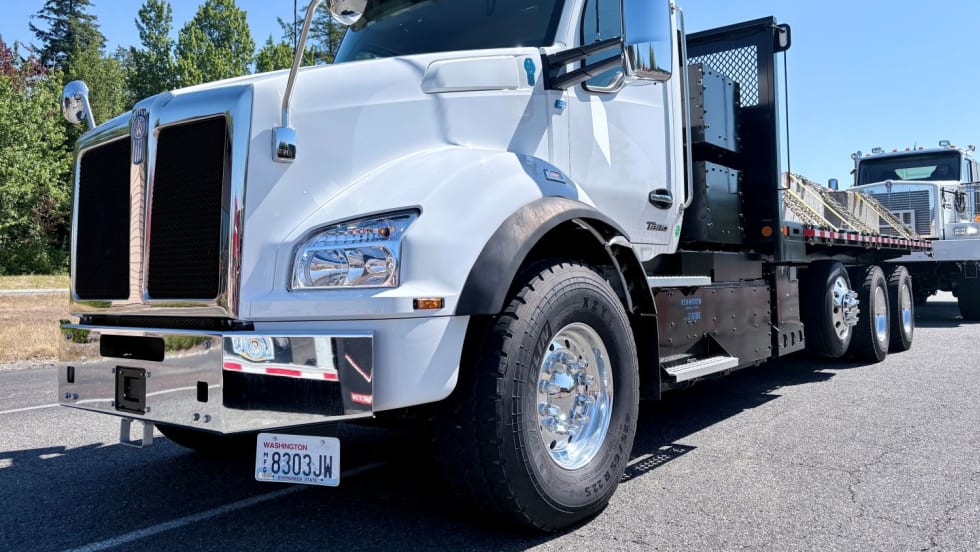
Kenworth T880E Brings EV Power to Vocational Trucks
A closer look at the Kenworth T880E’s range, charging, powertrain and upfit options — and where fleets are showing the most interest.
Read More →
What the U.S.-Canada Trade War Means for Trucking
Escalating U.S.-Canada tariffs could disrupt cross-border freight, reduce truck volumes, raise costs, and create new uncertainty for carriers on both sides of the border.
Read More →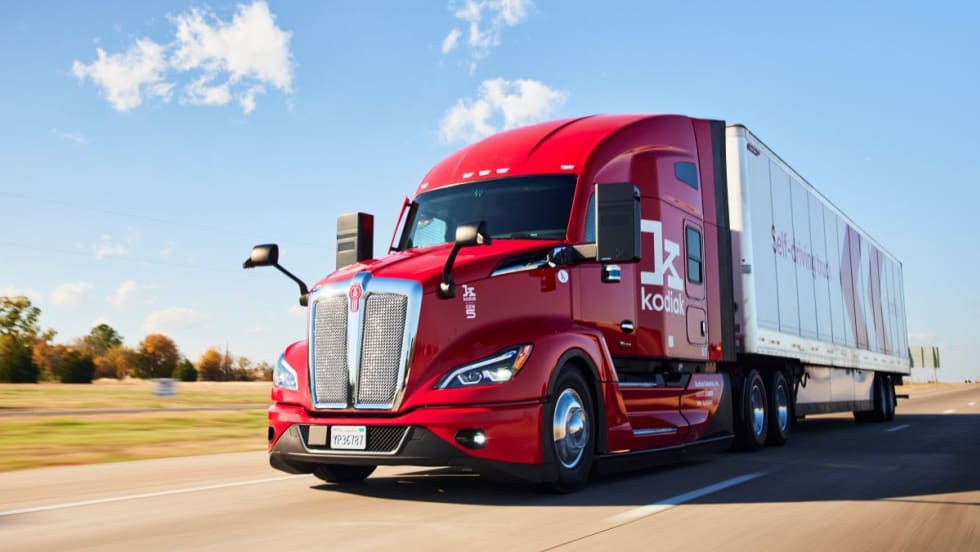
Autonomous Truck Testing Moves Ahead in California as Teamsters Challenge Rules
California has begun permitting heavy-duty autonomous truck testing, with Aurora and Kodiak among the first to receive approval, as the Teamsters sue the DMV over the new regulations.
Read More →
Behind the Wheel of the New Mack Anthem [Video]
HDT takes the new Mack Anthem around Mack’s Pennsylvania test track to see how its driver-focused design, technology, visibility and handling perform from behind the wheel.
Read More →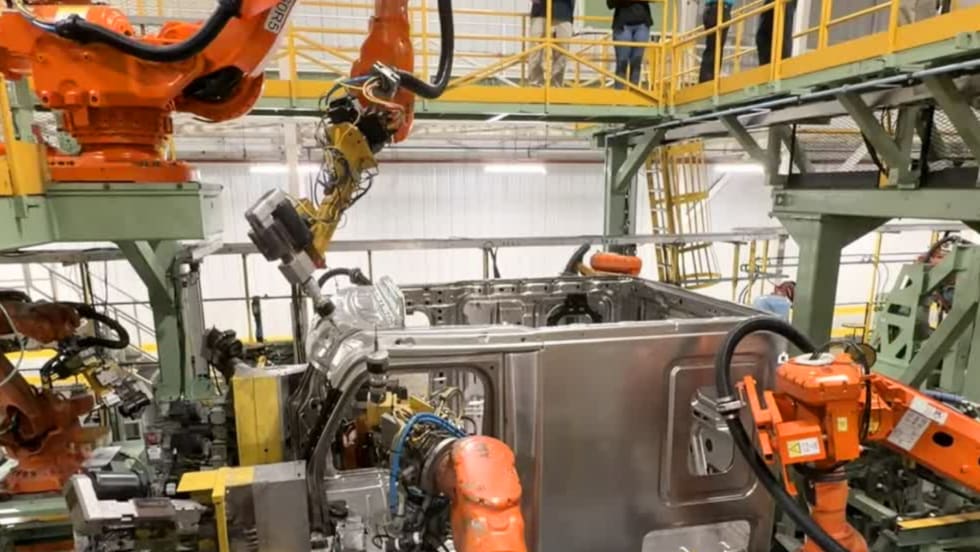
DTNA Plans New U.S. Truck Plant as Manufacturing Footprint Shifts
Daimler Truck North America is evaluating sites for a new assembly plant expected to open in 2029 while winding down operations at its longtime Portland manufacturing facility.
Read More →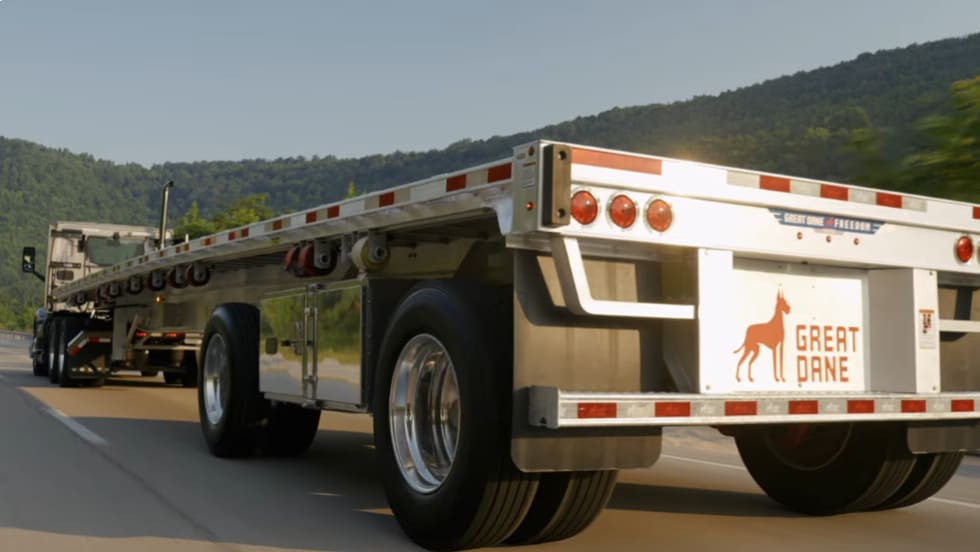
Great Dane Flatbed Trailer Offers Light Weight and Strength
Freedom Ultra is designed for a wide range of open-deck applications, including building materials, lumber, machinery, steel products, industrial freight, and coil hauling.
Read More →
What It's Like Inside this Custom 2025 Peterbilt 589?
Take a driver's-eye tour of this customized 2025 Peterbilt 589 in this video, as longtime driver Ingrid Brown explains its features, compares it to previous models, and shares plenty of personality along the way.
Read More →
Drivers Put Western Star Trucks to the Test at Star Nation Experience
Watch to get an inside look at the Western Star trucks, technology, and community behind the Star Nation Experience 2026!
Read More →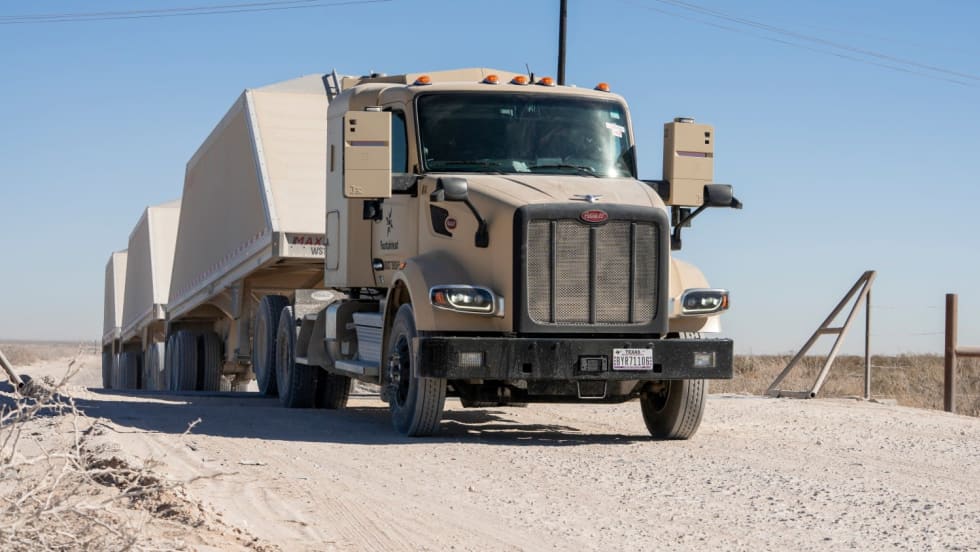
Atlas Expands Kodiak Driverless Truck Fleet in Permian Basin
Atlas Energy Solutions is expanding autonomous frac sand hauling in the Permian Basin with a second load-out location and plans for 100 driverless trucks by mid-2027.
Read More →
Putting Mack’s Command Steer to the Test
A test drive of Mack’s Command Steer active steering system evaluates how it can make truck driving easier and less tiring.
Read More →