




ATRI Releases Findings on Electronic On-board Recorders
The American Transportation Research Institute (ATRI) has released results from its industry analysis of electronic on-board recording (EOBRs) devices for hours of service monitoring.
The American Transportation Research Institute (ATRI) has released results from its industry analysis of electronic on-board recording (EOBRs) devices for hours of service monitoring.
The research, which precedes the fall release of the Federal Motor Carrier Safety Administration’s rulemaking on EOBRs, collected and analyzed data on numerous factors relating to EOBR usage, functionality, pricing and potential impacts of an EOBR mandate.
Surveys and interviews of EOBR users, non-users and system vendors were conducted and analyzed in concert with analyses of secondary research and stakeholder responses to the original docket.
The research indicates that EOBR usage today is low, primarily due to system costs, a lack of EOBR safety and productivity returns-on-investment and concern over what functionalities and standards will be needed should a mandate be promulgated.
The enforcement community is also concerned about data privacy and data access issues since there are few policies and protocols available for utilizing EOBR data to monitor HOS compliance.
However, the ATRI research does contradict non-user perceptions that EOBRs would negatively impact driver morale and retention. A surprising 76 percent of EOBR users responded that EOBR usage improved driver morale, and 19 percent said EOBRs improved driver retention. No EOBR user respondents stated that driver retention was harmed by EOBR usage.
“We know there are long-standing perceptions associated with EOBRs, but this research gives us insight into the statistical realities that can only be provided by EOBR users,” said Doug Duncan, ATRI chairman and president of FedEx Freight. “Clearly there are still issues that must be resolved prior to any mandate, but we now have a blueprint for resolving those issues.”
Another area of ATRI’s analysis considered the impact that an EOBR mandate might have on different industry sectors and fleet sizes. Based on EOBR unit pricing, estimated ROI levels and overall management costs, the research determined that small fleets and owner-operators will be hardest hit by a mandated investment in EOBRs.
However, the research offered several strategies for minimizing cost impacts including investment tax credits and bulk-purchase pricing options. There was also general recognition that certain industry segments such as local pick-up and delivery services may not be appropriate targets for an EOBR mandate. However, carriers do believe that a broad mandate would create a “level playing field” for HOS compliance.
The ATRI research identified different technical approaches used by carriers for managing, protecting and accessing data, but did not propose any technical requirements or practices since that effort is being undertaken by a committee of the American Trucking Associations’ Technology & Maintenance Council. Several vendors indicated strong concern with a mandate based on a lack of EOBR uniformity, interoperability and data standards. Consequently, the ATRI research recommended that the FMCSA rulemaking provide early guidance to the standards development process to ensure that vendors are able to develop appropriate requirements.
Finally, the research indicates that EOBRs will be most effective when their usage equates directly to safety outcomes. There was considerable consensus among users, non-users and vendors that EOBRs are effective at managing and monitoring HOS compliance, but additional research is needed to document the role that HOS compliance plays in fatigue management and any related safety improvements. According to Al Koenig, president of Midwest Specialized Transportation, “As a compliance tool, it appears that EOBRs can meet FMCSA’s need for improved HOS monitoring. But we still need to address certain safety loopholes, such as improved confirmation of who is driving, and whether EOBRs will increase speeding to offset potential productivity losses.”
For a copy of ATRI’s EOBR research, visit ATRI online at www.atri-online.com.
More Aftermarket
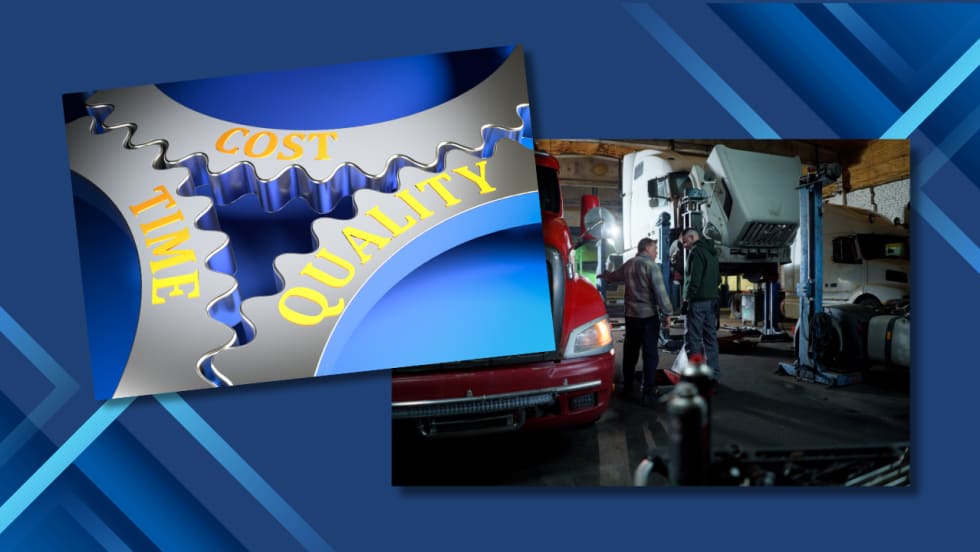
What Three Fleets Are Doing Differently When Buying Truck Parts in 2026
With freight improving but costs still climbing, fleet maintenance executives explain how they're balancing price, quality, and supplier relationships.
Read More →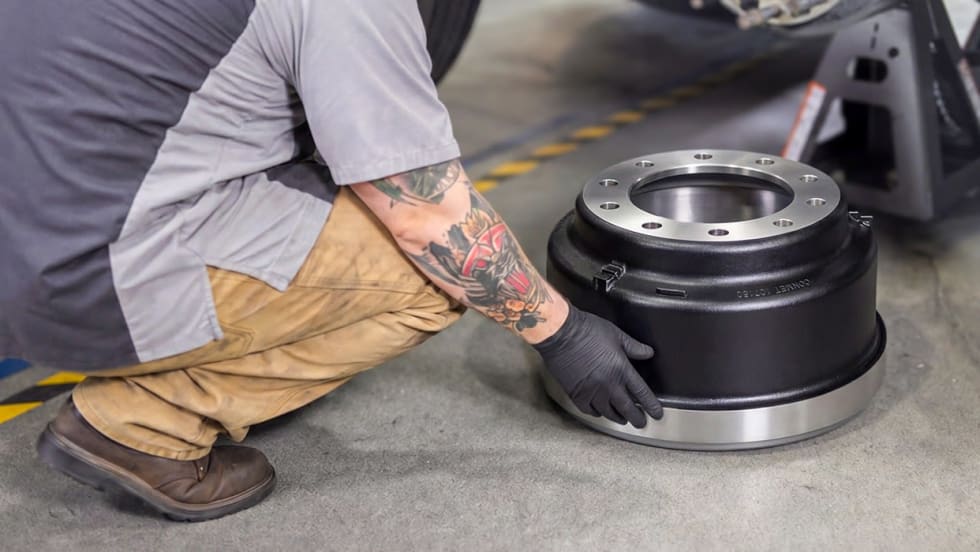
ConMet Expands Aftermarket Brake Drum Lineup With TruCast
A new heavy-duty truck brake drum option in the aftermarket gives customers more flexibility within the ConMet product family.
Read More →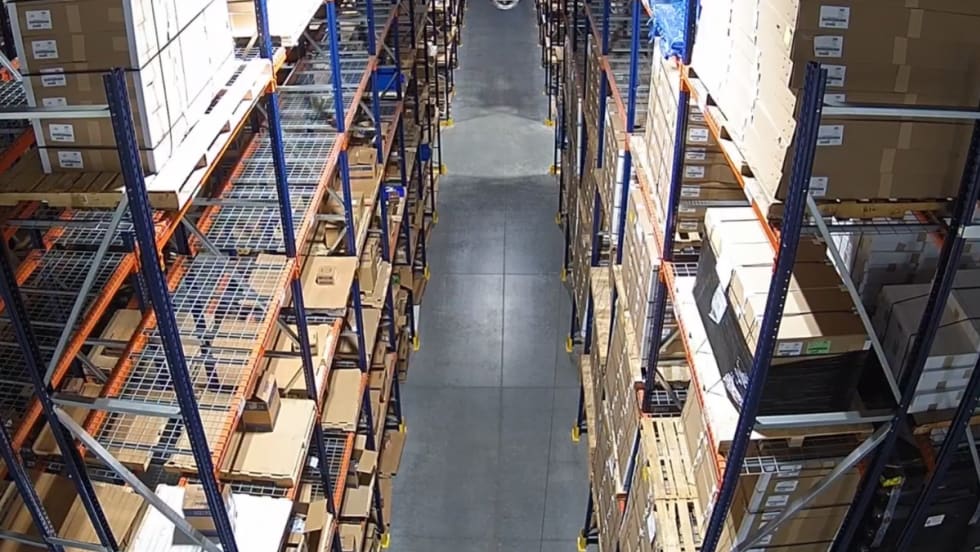
Phillips Opens High-Tech Distribution Center for Faster Parts Delivery
Phillips Industries’ new Cincinnati-area distribution center is now shipping aftermarket trucking parts nationwide, aiming to speed up delivery times for customers.
Read More →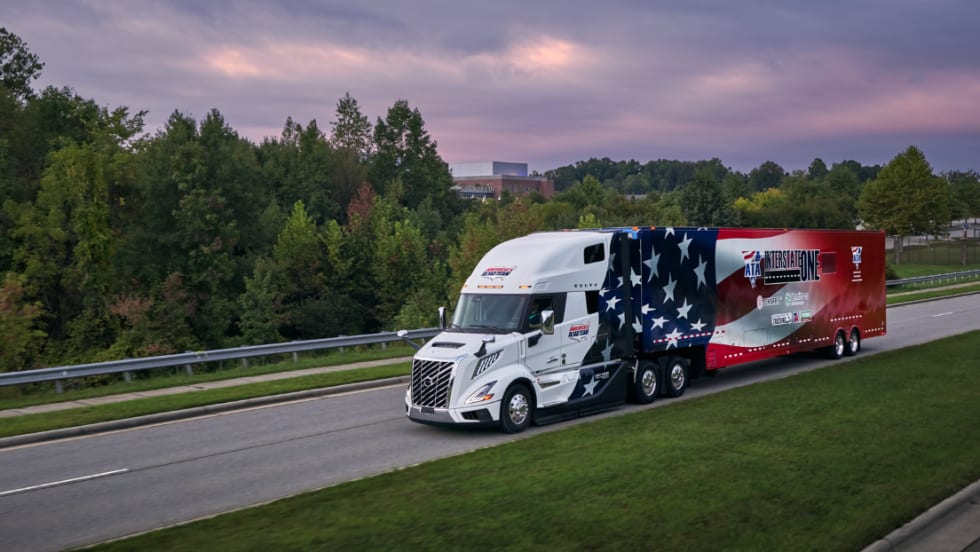
Volvo to Sponsor America’s Road Team for 2025
Volvo Trucks announced that it is extending its exclusive sponsorship of America’s Road Team for 2025.
Read More →
Webb to Start Taking Orders for UltraSet Pre-Adjusted Wheel Hubs
Webb, which recently acquired the Stemco Trifecta pre-adjusted hub program, will soon start taking orders for its replacement pre-assembled hub, the UltraSet.
Read More →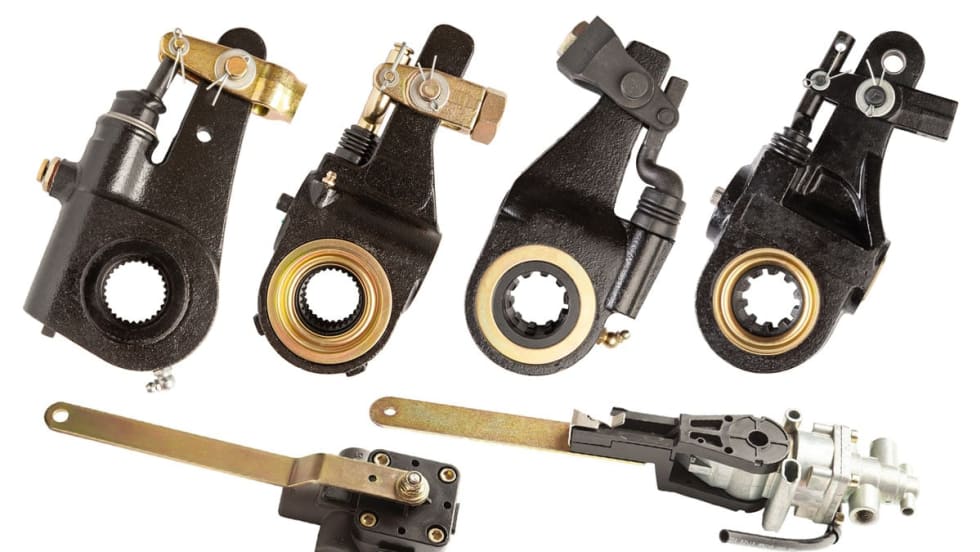
All-Makes Automatic Brake Adjusters, Ride Height Control Valves from Midland
SAF-Holland has added automatic brake adjusters and ride height control valves to its Midland All-Makes Program.
Read More →
ZF Aftermarket Expands [pro]Academy Training
ZF Aftermarket said it is expanding its ZF [pro]Academy training and will be adding 40 new modules this year.
Read More →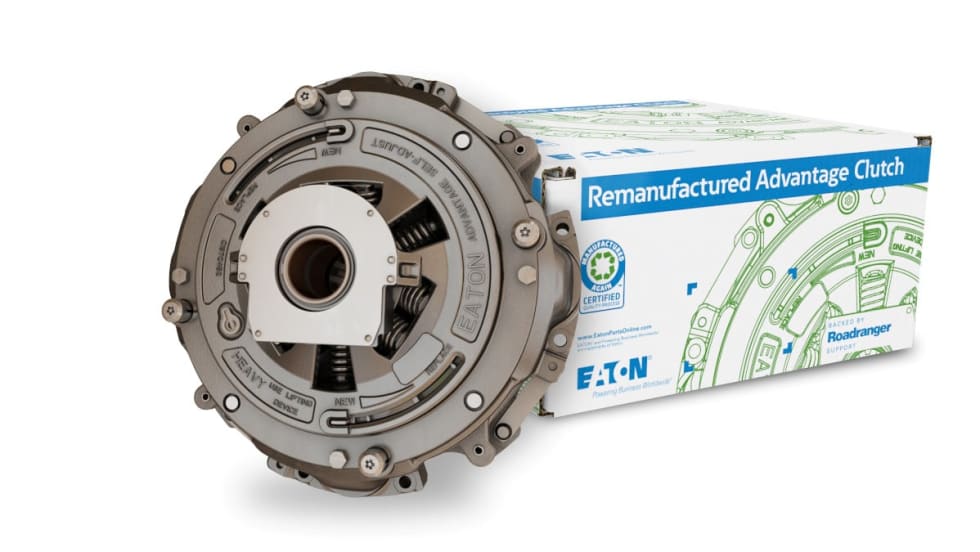
Eaton Adds Remanufactured Advantage Line of Clutches
Eaton has added its Advantage clutches to its remanufactured product line. The clutches feature a unique strap drive intermediate plate designed to allow customers to choose the latest OE specification
Read More →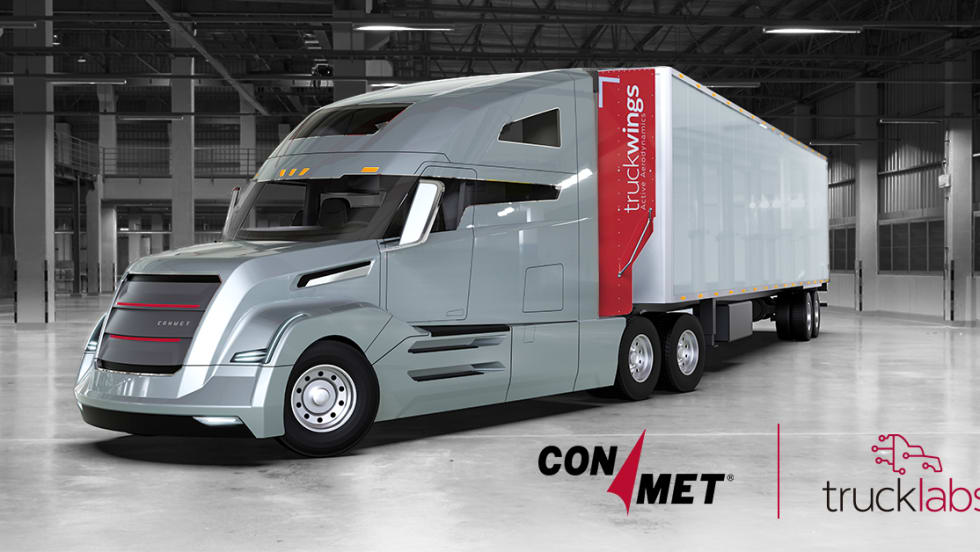
ConMet Acquires TruckLabs, the Creator of TruckWings
Commercial truck and trailer parts provider ConMet acquired TruckLabs, the company that created TruckWings, an aerodynamic device that attaches to truck cabs and deploys to close the gap between truck and trailer. TruckLabs now operates as a subsidiary of ConMet.
Read More →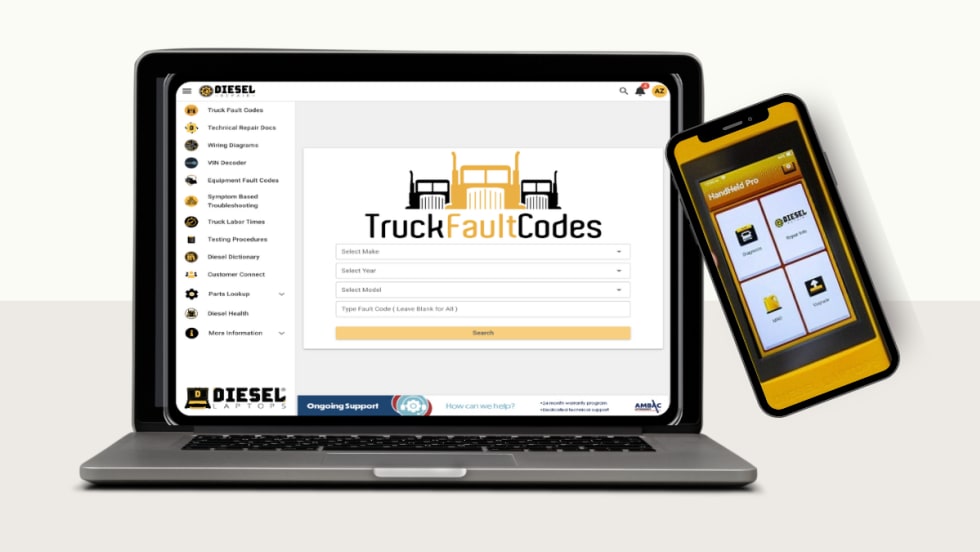
Diesel Laptops Releases Fault-Code-to-Part-Number Tool
Diesel Laptops said its Truck Fault Codes allows users to input a fault code and immediately identify and order the parts needed to complete repair work.
Read More →