




ATD Panel: OEM Partnerships Will Continue Reshaping World Truck Marketplace
Consolidations among the world’s truck manufacturers will continue, as will their alliances and partnerships with suppliers. And these actions will change how business is done with and by truck dealers, parts house and repair shops.
Consolidations among the world’s truck manufacturers will continue, as will their alliances and partnerships with suppliers. And these actions will change how business is done with and by truck dealers, parts house and repair shops.
That was the consensus of several OEM top executives during a truck industry panel discussion at the American Truck Dealers annual convention in Baltimore this week.
The panel consisted of Michel Gigou, president and CEO, Mack Trucks; James Hebe, president & CEO, Freightliner; John Horne, chairman and CEO, Navistar International, and James Underwood, president and COO, GM Isuzu Commercial Truck.
Consolidations and alliances will continue because all truck manufacturers worldwide are seeking partnerships, said Underwood. The cost of research, product development, meeting emissions regulations, etc., makes it hard for any manufacturer to do it on their own.
Plus, he said, joining together enables manufacturers and their dealers to offer a broader portfolio of products to cover all market segments and serve a larger number of customers.
Consolidation and globalization “will touch every level of our industry,” added Mack’s Gigou, because of such benefits as economies of scale, improvements in product quality and performance, faster product development and time-to-market, and more competitive pricing.
As a consequence, he anticipates a strengthening of relationships between dealers and their manufacturers, with a greater focus on the customer and an improved distribution network.
Proprietary parts will become a specific part of the strategy of the remaining truck suppliers, according to Freightliner’s Hebe, as components are shared among global platforms and synergies are gained from scale among brands under the same corporate umbrella.
"This will drive suppliers to provide captive design capabilities and single channel OEM-specific parts distribution for those sourcing proprietarily designed parts," he said. In North America, the result will be a decline in the traditional vendor all-make parts business and an increase in the captive parts business, he said.
Today, approximately one-third of all engine parts sold by the three independent engine builders in North American go through truck dealer organizations; virtually none go through truck manufacturers, he observed.
"With the alliances," Hebe predicted, "each engine manufacturer will restrict the OEM dealer channels through which their parts are sold to its alliance partners. Truck dealers will become more integrated into the engine parts supply chain, but the role of the engine distributor will remain pretty much as today.
"The role of warehouse distributors and independent repair shops will continue to diminish as more proprietary parts are added, driving them to maintenance items like lubricants, belts, hoses and reman parts," he continued.
Manufacturers will expect dealers to have broader, deeper stock availability to support these captive arrangements, Hebe said. "Supply must be immediate, and relying on manufacturers’ or suppliers’ warehouses to fill emergency truck-down situations will not be tolerated."
The way trucks are developed will also change, said Navistar’s Horne, moving from assembling components to developing an integrated vehicle. "That will require different relationships with suppliers," he said, to get the manufacturer’s and suppliers’ engineers working together at the get-go.
"If we turn the engineers loose to develop the total vehicle -- versus an assembled truck, a mishmash of vendor components -- and link that to world-class manufacturing processes, the innovation and product performance that comes out of that will be incredible," Horne said.
Manufacturers and suppliers must stop using technology for technology’s sake, he advised, and they must get away from developing technologies that are never going to be economical.
As an example, he cited hybrid electric vehicles. "Some of the same issues that keep it from becoming a commercially viable product 10-15 years ago are the same ones today," he said.
Horne warned that technology shouldn’t be rushed to market. "If it's not really developed, it costs the OE and customers a lot of money, and disillusions the customers about the technology."
GM Isuzu’s Underwood recommended that truck dealers view the light, medium and heavy truck markets as "separate, distinct businesses which are not necessarily linked together."
In particular, he advised an emphasis on the medium-duty business, a less volatile market.
"These truck users aren’t really truckers," he said. "Rather, they must have trucks as a necessary evil. Trucks don’t generate income for them; it’s a cost of doing business."
There is excellent profit potential in the medium market by helping these truck users minimize costs and reduce their “trucking burdens,” Underwood said.
He predicted that sales of Class 3-7 trucks will grow consistently over the next five years.
More Aftermarket
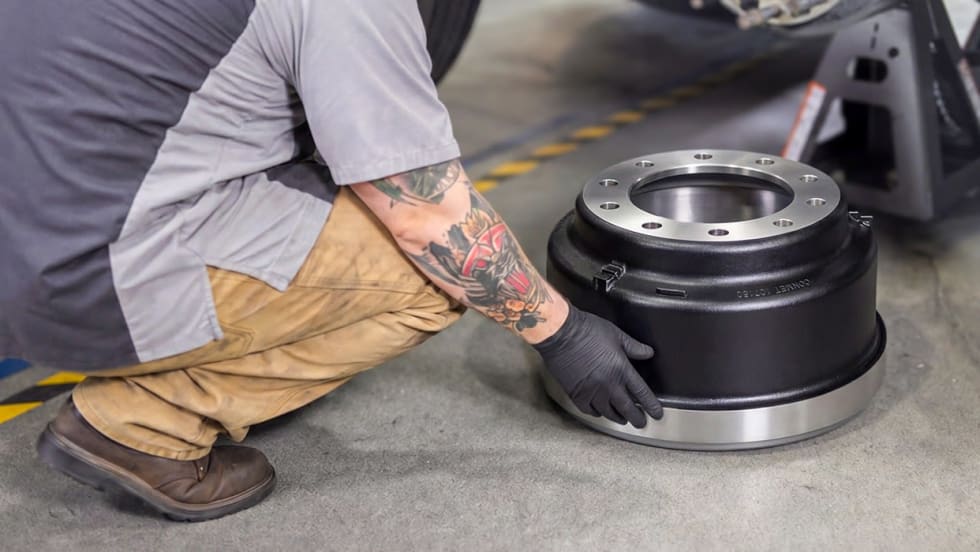
ConMet Expands Aftermarket Brake Drum Lineup With TruCast
A new heavy-duty truck brake drum option in the aftermarket gives customers more flexibility within the ConMet product family.
Read More →
Phillips Opens High-Tech Distribution Center for Faster Parts Delivery
Phillips Industries’ new Cincinnati-area distribution center is now shipping aftermarket trucking parts nationwide, aiming to speed up delivery times for customers.
Read More →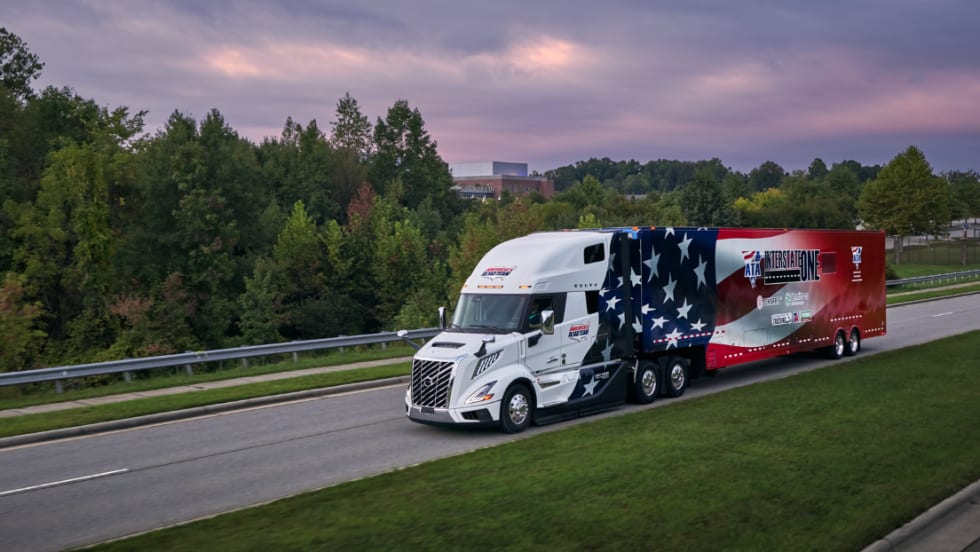
Volvo to Sponsor America’s Road Team for 2025
Volvo Trucks announced that it is extending its exclusive sponsorship of America’s Road Team for 2025.
Read More →
Webb to Start Taking Orders for UltraSet Pre-Adjusted Wheel Hubs
Webb, which recently acquired the Stemco Trifecta pre-adjusted hub program, will soon start taking orders for its replacement pre-assembled hub, the UltraSet.
Read More →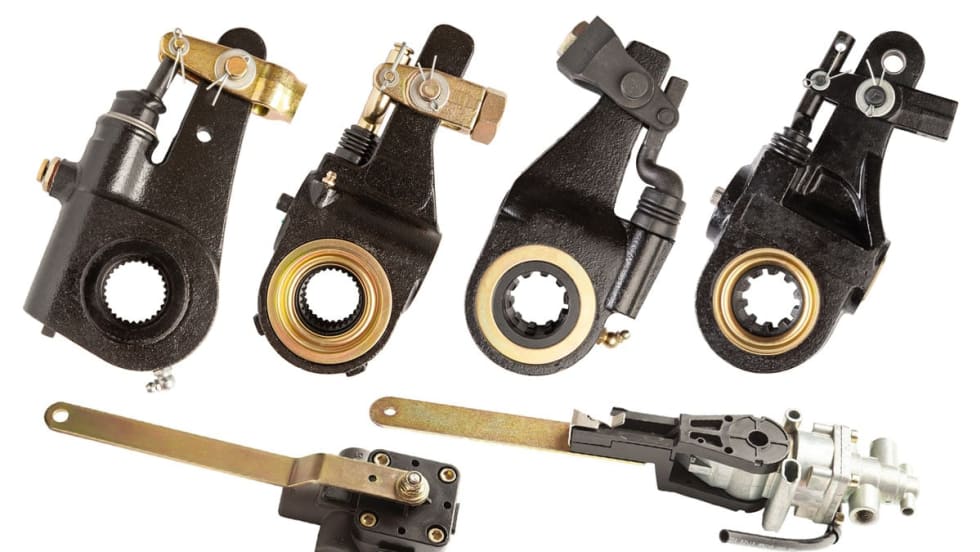
All-Makes Automatic Brake Adjusters, Ride Height Control Valves from Midland
SAF-Holland has added automatic brake adjusters and ride height control valves to its Midland All-Makes Program.
Read More →
ZF Aftermarket Expands [pro]Academy Training
ZF Aftermarket said it is expanding its ZF [pro]Academy training and will be adding 40 new modules this year.
Read More →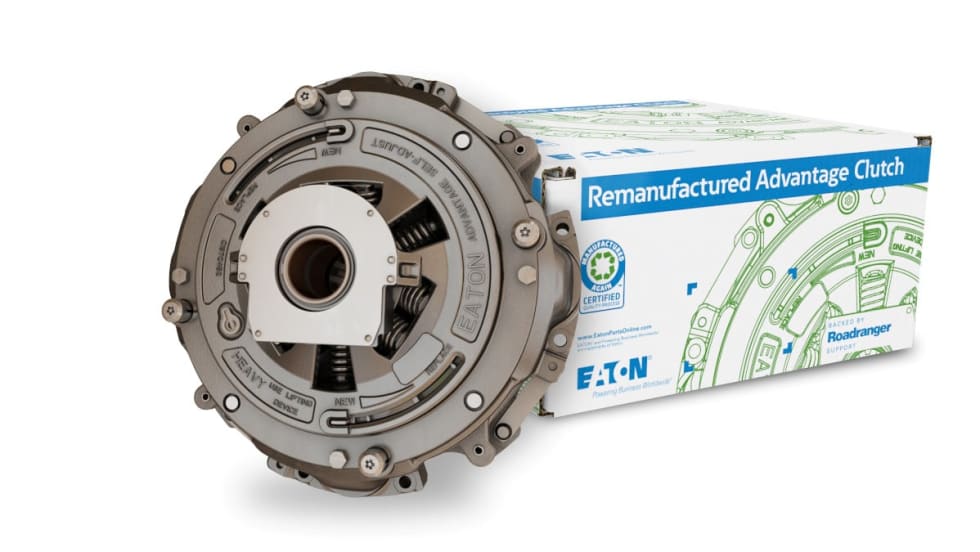
Eaton Adds Remanufactured Advantage Line of Clutches
Eaton has added its Advantage clutches to its remanufactured product line. The clutches feature a unique strap drive intermediate plate designed to allow customers to choose the latest OE specification
Read More →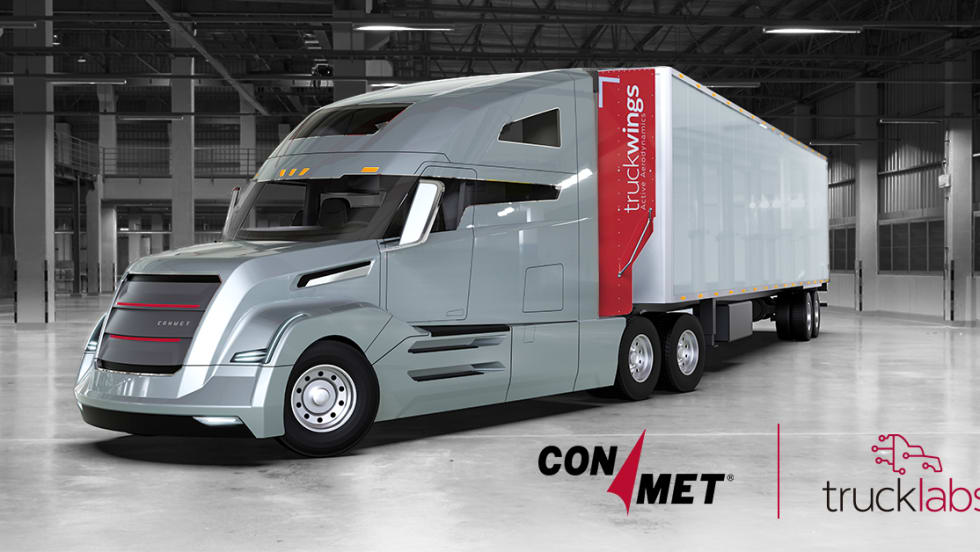
ConMet Acquires TruckLabs, the Creator of TruckWings
Commercial truck and trailer parts provider ConMet acquired TruckLabs, the company that created TruckWings, an aerodynamic device that attaches to truck cabs and deploys to close the gap between truck and trailer. TruckLabs now operates as a subsidiary of ConMet.
Read More →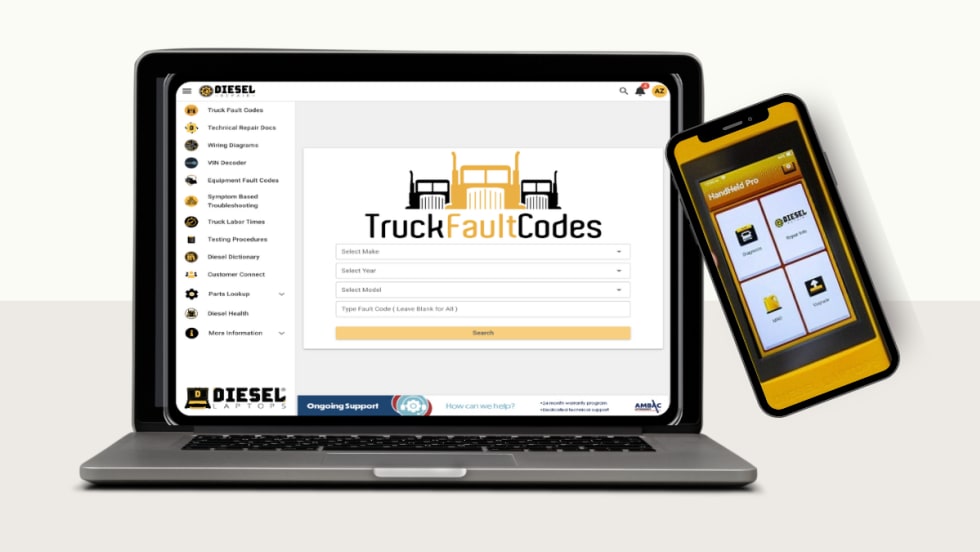
Diesel Laptops Releases Fault-Code-to-Part-Number Tool
Diesel Laptops said its Truck Fault Codes allows users to input a fault code and immediately identify and order the parts needed to complete repair work.
Read More →
Heavy Duty Parts and Labor Costs Dropped in Q2
A benchmarking report from TMC and Decisiv reveals good news for fleets as heavy-duty parts and labor costs dropped in the second quarter of 2023.
Read More →