




ATA Files Motion to Intervene, Opposes Groups' Third Attempt to Change HOS Rules
The American Trucking Associations (ATA) yesterday filed a motion to intervene in the third legal challenge by the Teamsters and three so-called safety groups to the hours-of-service (HOS) rules first put in place in 2004
The American Trucking Associations (ATA) yesterday filed a motion to intervene in the third legal challenge by the Teamsters and three so-called safety groups to the hours-of-service (HOS) rules first put in place in 2004
.
Having participated in the administrative process and the prior court cases, ATA seeks the right to intervene to protect the interests of its motor carrier members. Based on the groups' recently rejected petitions for reconsideration filed with the FMCSA, it's expected that the groups will argue that scientific studies do not support the retention of the 11th hour of driving and 34-hour restart components of the HOS rules. Twice before, lawsuits against FMCSA over the same HOS regulations failed to invalidate the science and safety of the regulations.
ATA believes that the FMCSA has done an outstanding job explaining the scientific underpinnings of its decision to retain the HOS provisions. Dramatically positive real-world safety records, experienced since 2004 under the revised HOS rules, also bolster the defense of the ruling.
FMCSA said that "The 11-hour driving rule and 34-hour restart have now been in effect since January 2004. During this five-year period - representing billions of commercial motor vehicle driver hours and hundreds of billions of miles traveled - the significant increase in truck crashes and fatalities that one would have anticipated, based on Petitioners' criticism, has simply failed to occur. Indeed, the overall large truck fatality rate is at its lowest level since records have been kept."
Despite these tangible results, the groups continue to challenge the HOS rules to no avail, contending that the rules allow significantly longer driving and on-duty times in a week than the pre-2004 rules. In response to this claim, FMCSA stated that "longer hypothetical hours in driving and duty schedules" envisioned by critics "requires an imaginary world with nearly perfect logistics." In the real world, drivers have found that the 34-hour restart gives them more rest and time off, not less.
The HOS rules reduced the maximum length of the truck driver's work day by at least one hour and increased the daily required number of hours of rest by two hours. The work day was shortened from a previous maximum of 15 hours (which could be extended by breaks) to no more than 14 consecutive hours. Drivers are required to rest at least 10 hours between shifts, with at least 8 of those hours in the sleeper berth if it is used while on the road. Within the shorter work day, the rules allow 11 hours of driving instead of the previous 10.
Claims that drivers' health had been ignored in drafting the regulations have also come up short. The Department of Labor's Bureau of Labor Statistics shows that the rate of occupational injuries and illnesses in the trucking industry decreased by nearly 18 percent between 2004 and 2007 under the current HOS rules.
More information regarding Hours of Service Rules Myths and Facts can be found at ATA's website, www.truckline.com.
More Aftermarket
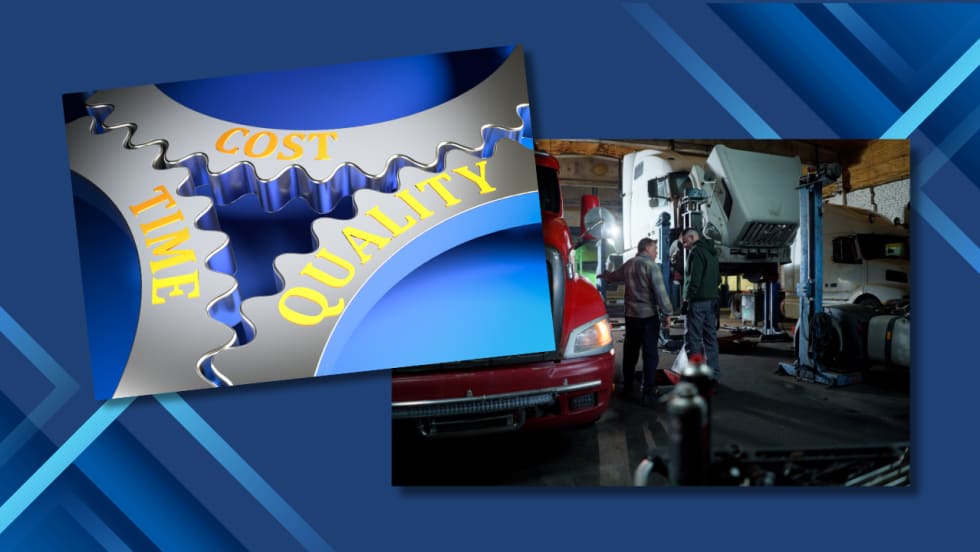
What Three Fleets Are Doing Differently When Buying Truck Parts in 2026
With freight improving but costs still climbing, fleet maintenance executives explain how they're balancing price, quality, and supplier relationships.
Read More →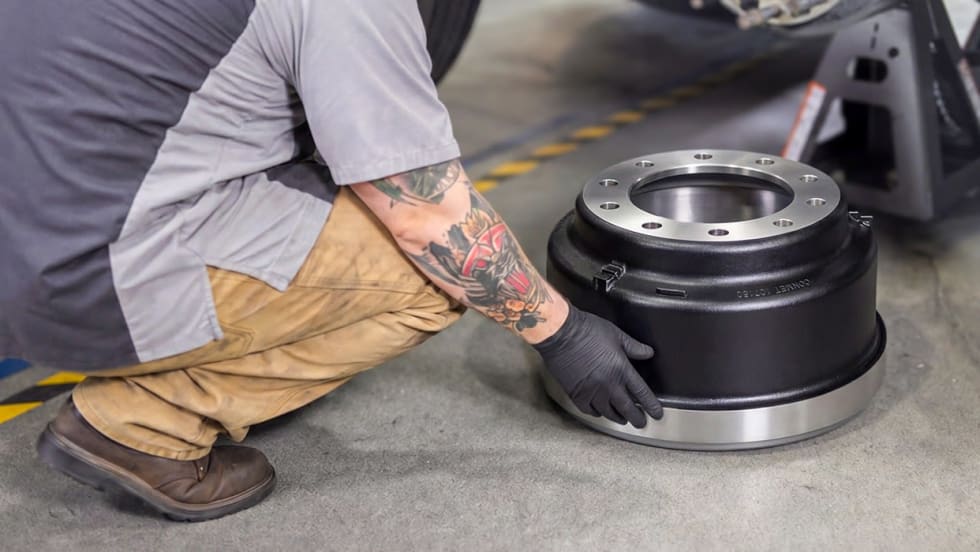
ConMet Expands Aftermarket Brake Drum Lineup With TruCast
A new heavy-duty truck brake drum option in the aftermarket gives customers more flexibility within the ConMet product family.
Read More →
Phillips Opens High-Tech Distribution Center for Faster Parts Delivery
Phillips Industries’ new Cincinnati-area distribution center is now shipping aftermarket trucking parts nationwide, aiming to speed up delivery times for customers.
Read More →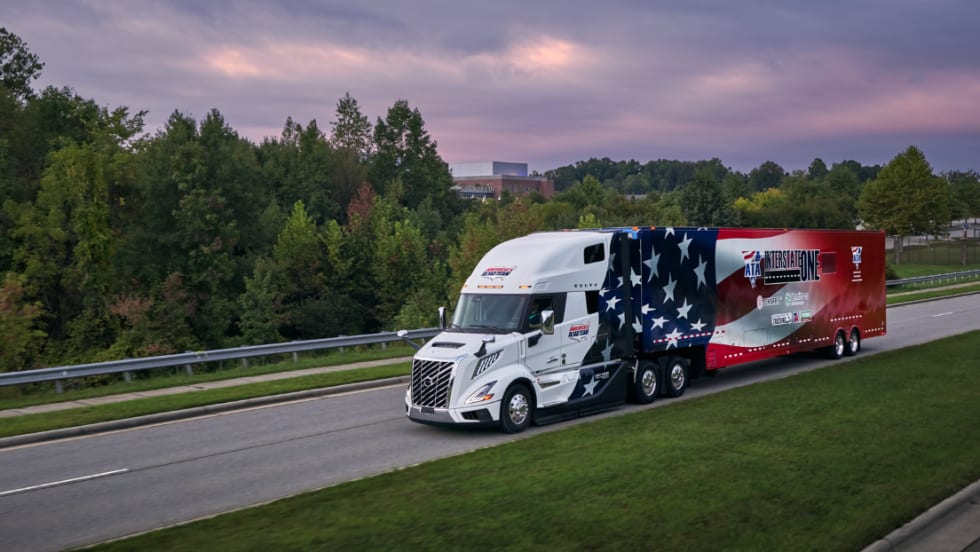
Volvo to Sponsor America’s Road Team for 2025
Volvo Trucks announced that it is extending its exclusive sponsorship of America’s Road Team for 2025.
Read More →
Webb to Start Taking Orders for UltraSet Pre-Adjusted Wheel Hubs
Webb, which recently acquired the Stemco Trifecta pre-adjusted hub program, will soon start taking orders for its replacement pre-assembled hub, the UltraSet.
Read More →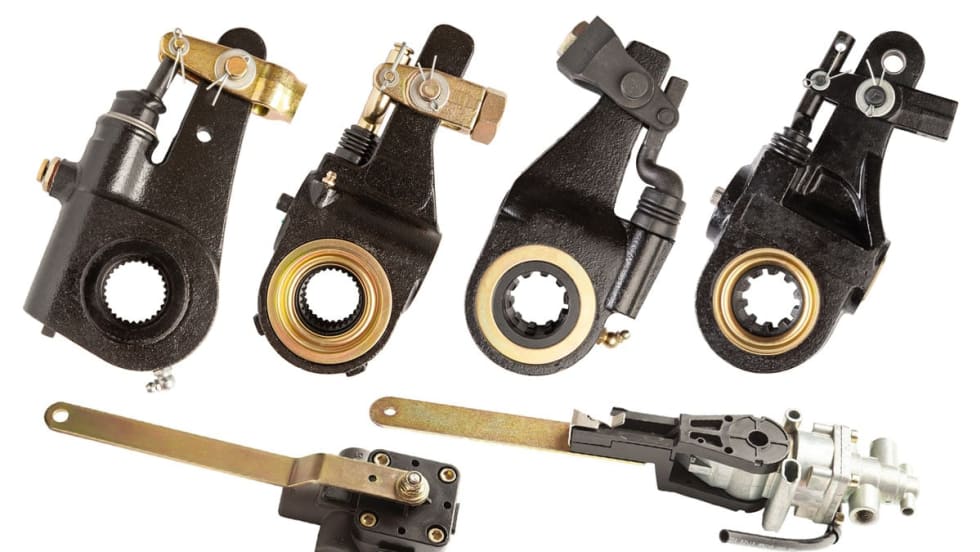
All-Makes Automatic Brake Adjusters, Ride Height Control Valves from Midland
SAF-Holland has added automatic brake adjusters and ride height control valves to its Midland All-Makes Program.
Read More →
ZF Aftermarket Expands [pro]Academy Training
ZF Aftermarket said it is expanding its ZF [pro]Academy training and will be adding 40 new modules this year.
Read More →
Eaton Adds Remanufactured Advantage Line of Clutches
Eaton has added its Advantage clutches to its remanufactured product line. The clutches feature a unique strap drive intermediate plate designed to allow customers to choose the latest OE specification
Read More →
ConMet Acquires TruckLabs, the Creator of TruckWings
Commercial truck and trailer parts provider ConMet acquired TruckLabs, the company that created TruckWings, an aerodynamic device that attaches to truck cabs and deploys to close the gap between truck and trailer. TruckLabs now operates as a subsidiary of ConMet.
Read More →
Diesel Laptops Releases Fault-Code-to-Part-Number Tool
Diesel Laptops said its Truck Fault Codes allows users to input a fault code and immediately identify and order the parts needed to complete repair work.
Read More →