




Alcoa Becomes Arconic
The separation of Alcoa Inc. into two distinct standalone companies– Alcoa Corp. and Arconic Inc.—took effect on Nov.1.

Image: Arconic Inc.
Image: Arconic Inc.
The separation of Alcoa Inc. into two distinct standalone companies– Alcoa Corp. and Arconic Inc.—took effect on Nov.1.
Back in Sept. 2015, Alcoa’s board of directors unanimously approved a plan to separate the 128-year-old firm into two independent, publicly traded companies.
The aim was to create one entity (Alcoa Corp.) devoted to Alcoa’s traditional lightweight metal manufacturing and other upstream businesses and another (Arconic) focused on engineered products and solutions, including truck wheels.
The spinoff was accomplished via a pro rata distribution by Arconic of 80% percent of the outstanding shares of newly formed Alcoa Corp. Alcoa Inc. shareholders received one share of Alcoa Corporation common stock for every three shares of Alcoa Inc. common stock, held as of the record date of Oct. 20. Alcoa Inc. shareholders also retained their shares of Alcoa Inc., which became Arconic Inc. shares.
“Today we launch Arconic as a strong independent company,” said Arconic Chairman and CEO Klaus Kleinfeld. “Our multi-year transformation while part of Alcoa Inc. substantially improved our competitiveness and profitability.”
Arconic stated in a news release on the separation that in the North American automotive market, it is at the “forefront of capturing growing demand for aluminum sheet as the industry shifts to light-weighting,” including for truck cabs and chassis. Arconic will also continue to offer its Alcoa-branded forged aluminum wheels for commercial vehicles.
The company added that across its North American automotive portfolio, 96% of its revenues come from products “where it is number one or number two in its market.”
More Products

Michelin Tire Improves Efficiency and Durability for Regional Fleets
The Michelin X Multi Energy D2 is a regional haul drive tire engineered to help fleets improve fuel efficiency, durability and traction in demanding stop-and-go operations.
Read More →
Is Your Parts Procurement Process Reactive or Proactive?
Ready to revamp your parts procurement process? Learn how now with “Strategic Parts Purchasing: A Process Checklist”
Read More →
What Geotab's New AI Connector Means for Fleets
Fleets can now ask their usual AI assistants questions about maintenance, safety, fuel use, and vehicle performance, using their live Geotab data, and take action on the answers without leaving their preferred AI tool.
Read More →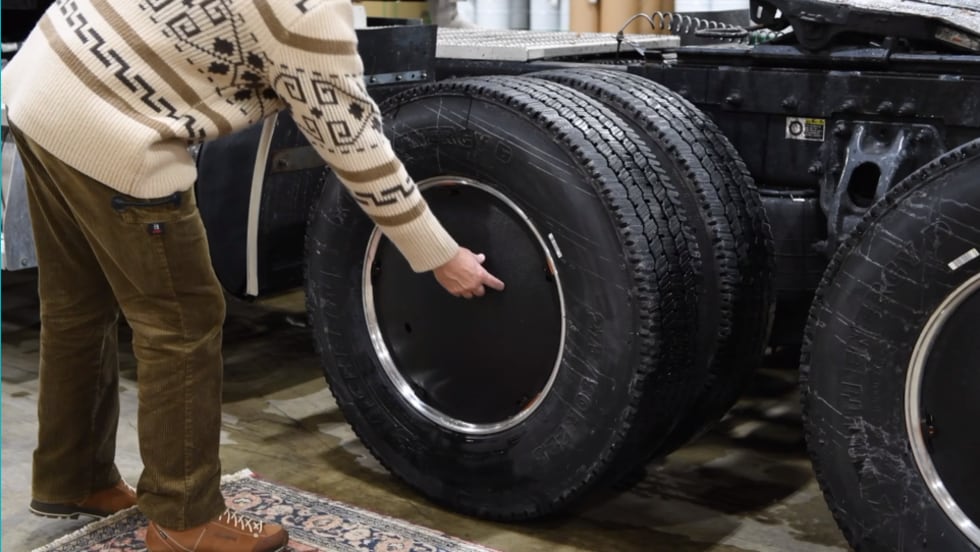
Deflecktor: Hubbub Aerodynamic Wheel Cover Cost-Effective Even for Trailers
Aerodynamic wheel covers can deliver small but meaningful fuel-economy gains for fleets, and Deflecktor says its latest design aims to make the technology easier and more affordable to deploy.
Read More →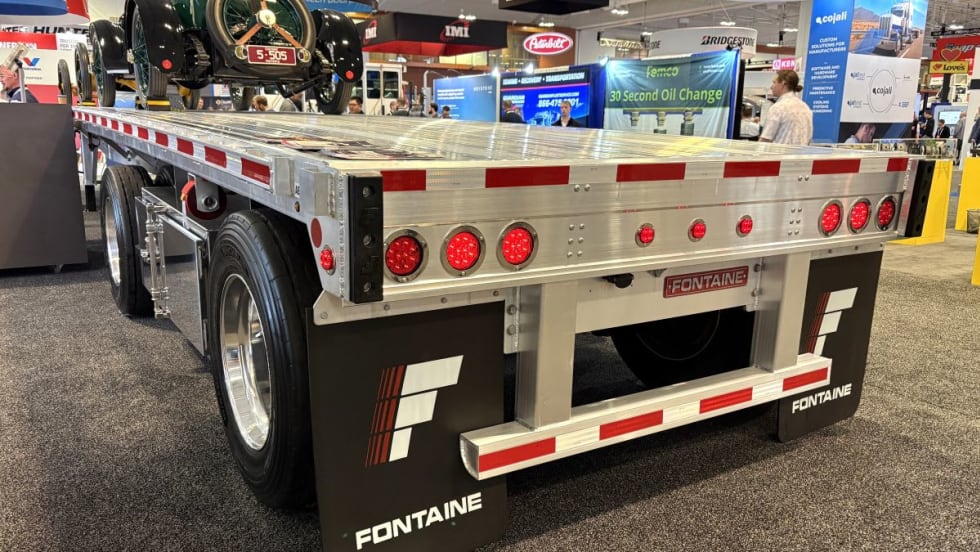
Fontaine Expands Flatbed Lineup with New Fleet-Focused Models, Eyes 2027 Launch
Fontaine is broadening its flatbed lineup with new models aimed at fleets, including a lightweight aluminum trailer expected in 2027 that emphasizes durability, repairability, and lower cost.
Read More →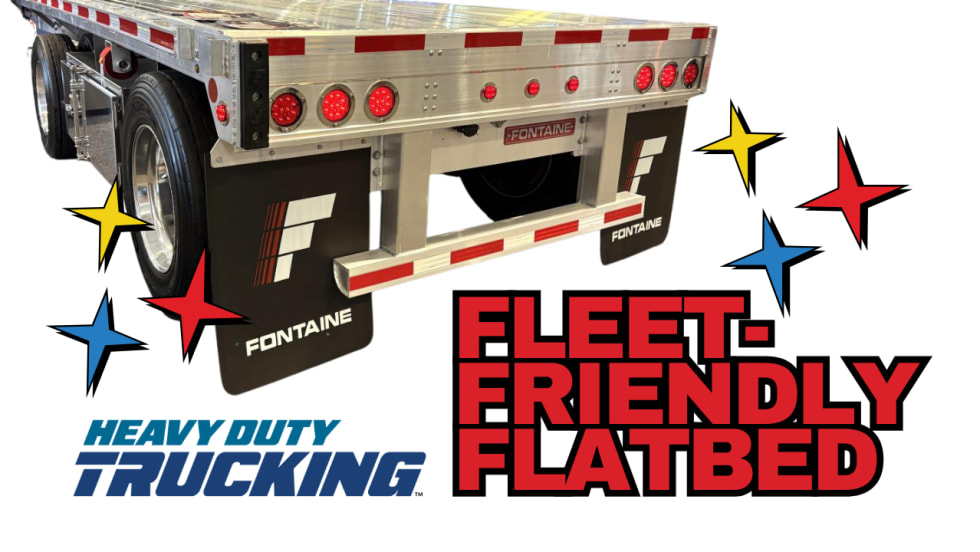
Fontaine's Fleet-Focused Force Flatbed Prototype [Watch]
A new prototype from Fontaine Trailer focuses on what fleets say they need most: easier repairs, lower maintenance costs, and practical, service-friendly design.
Read More →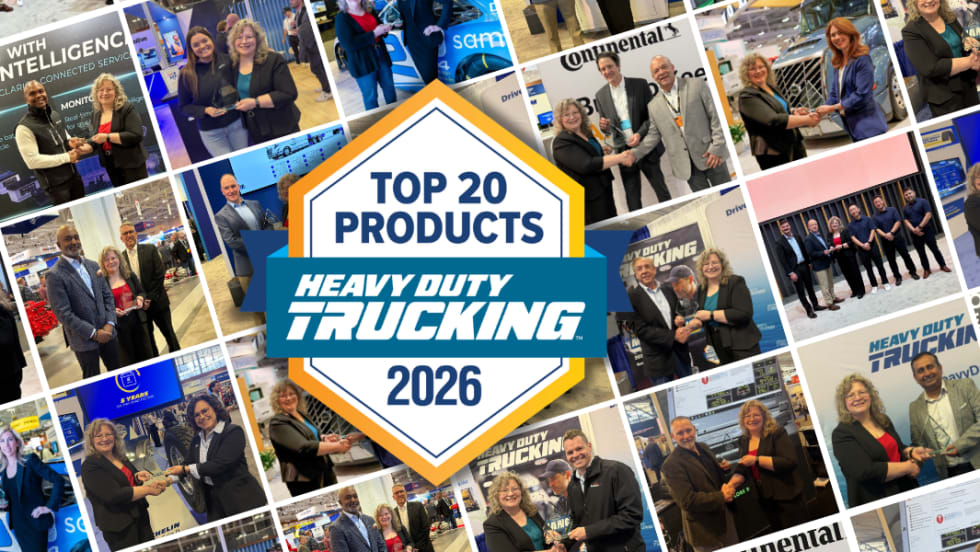
HDT Honors the Best New Products of 2025 at TMC [Photos]
Heavy Duty Trucking's Top 20 Products awards recognize the best new products and technologies. Check out the award presentations at the 2026 Technology & Maintenance Council annual meeting.
Read More →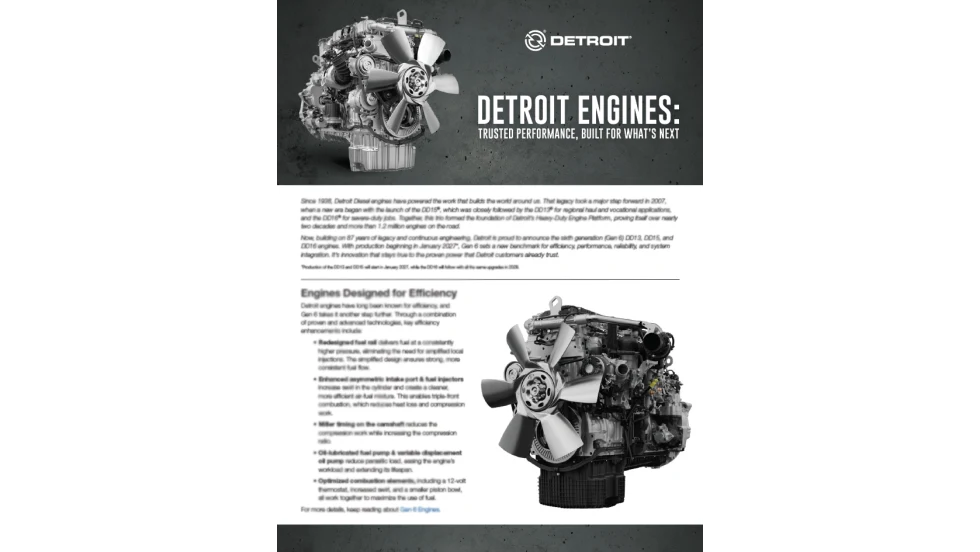
Detroit Engines: Trusted Performance, Built for What's Next
The Detroit® Gen 6 engine platform proves that real progress doesn’t require a complete redesign. Built on 20 years of trusted technology, these engines are designed for efficiency, stronger performance, and greater reliability than before. And they do it all while complying with 2027 EPA standards on every mile.
Read More →
HDT Top 20 Products 2026: The New Tools, Technologies, and Ideas Shaping Trucking
From pricing intelligence and compliance tools to charging infrastructure, diagnostics, tires, and AI, HDT’s 2026 Top 20 Products recognize the new tools, technologies, and ideas heavy-duty trucking fleets are using to run their businesses.
Read More →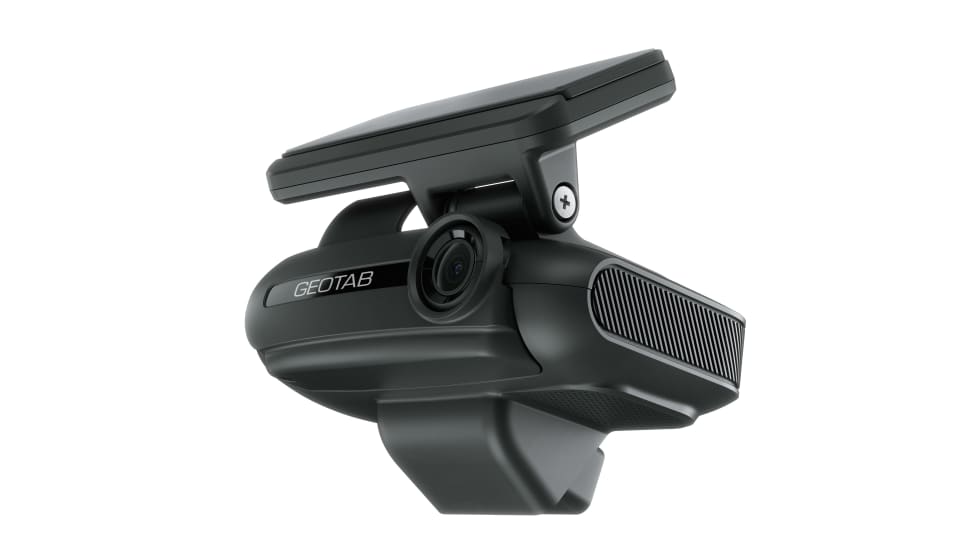
Geotab Launches AI-Powered GO Focus Pro Dash Cam With 360-Degree Visibility
Geotab launches GO Focus Pro, an AI-powered 360-degree dash cam designed to reduce collisions, prevent fraud, and protect fleets from nuclear verdict risk.
Read More →