




Achates Signs Development Contracts with 2 More Manufacturers
Achates Power, the developer of modern two-stroke, opposed-piston engines, says it has secured another contract with a leading global original-equipment manufacturer. The company now has five customers for whom it is developing variations of its designs.

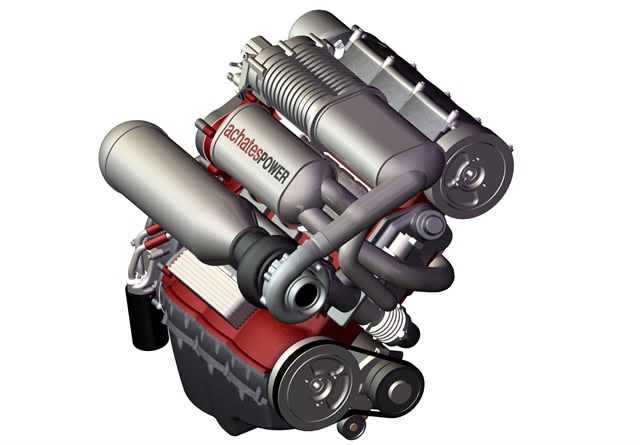
Photo via Achates Power.
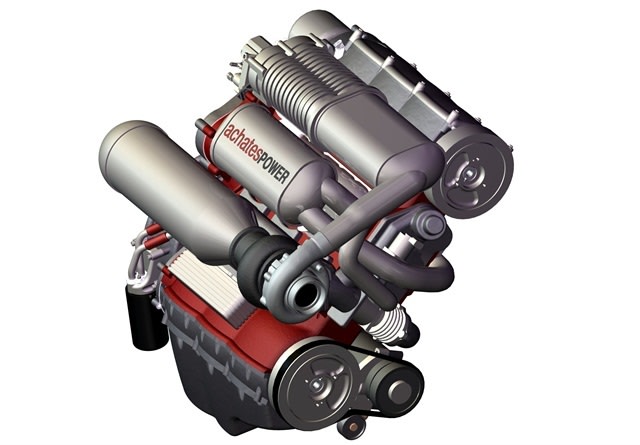
Photo via Achates Power.
Achates Power Inc., the developer of modern two-stroke, opposed-piston engines, says it has secured another contract with a leading global original-equipment manufacturer. The company now has five customers for whom it is developing variations of its designs.
The customers represent five different engine applications: passenger vehicle, light commercial vehicle, heavy commercial vehicle, military, and marine and stationary power, according to David Johnson, president and CEO of Achates Power.
Three of the customers require Achates to keep their identities confidential. Two whose contracts have been announced are Fairbanks Morse, which has built large OP diesels of earlier designs since the late 1930s; and the U.S. Army’s Tank Automotive, Research, Development and Engineering Center, which is funding work on a light/medium-truck diesel.
The designs will enable users to meet the world’s most stringent current and future fuel efficiency and emissions standards, which include EPA 2010, Euro 6 and Tier 3/LEV 3, among others, without additional cost or complexity, Johnson said.
Customers are based in the United States, Japan, Europe, China and India. Its current engine programs range from 45 hp to more than 5,000 hp.
Achates has experienced record growth throughout 2014, with annual revenue increasing by more than 300%, he said. It has expanded its staff and added facilities near its headquarters and labs in the San Diego area.
“Our substantial investment has enabled extensive research, development and testing so that our engine technology will reach production within this decade,” Johnson added.
Related:
More Fuel Smarts
Trucking’s Diesel Squeeze Isn’t Letting Up
With diesel topping $6 a gallon nationally, ATA's Bob Costello explains why fleets should prepare for continued pressure at the pump.
Read More →
FlowBelow Redesigns Trailer AeroSlider to Cut Fuel Use
The lighter trailer aerodynamic system installs in less than 45 minutes, according to the company, with potential payback in under a year depending on fuel prices and trailer mileage.
Read More →
Why Diesel Price Relief Efforts May Fall Short
Diesel prices have eased from September’s record high, but doubts about additional Russian supply and limits on dyed-diesel tax relief mean trucking fleets still face expensive fuel. And prices could go higher.
Read More →
Why Small Fuel Savings Matter in Trucking
Can better fuel economy help pay for driver raises? In this podcast, GP Transco explains how small efficiency gains create room to reinvest in its people.
Read More →
How GP Transco Cuts Trucking Fuel Costs, a Tenth of a Gallon at a Time
What’s another tenth of a mile per gallon worth? GP Transco shares how equipment upgrades and driver coaching turn small gains into meaningful fuel savings.
Read More →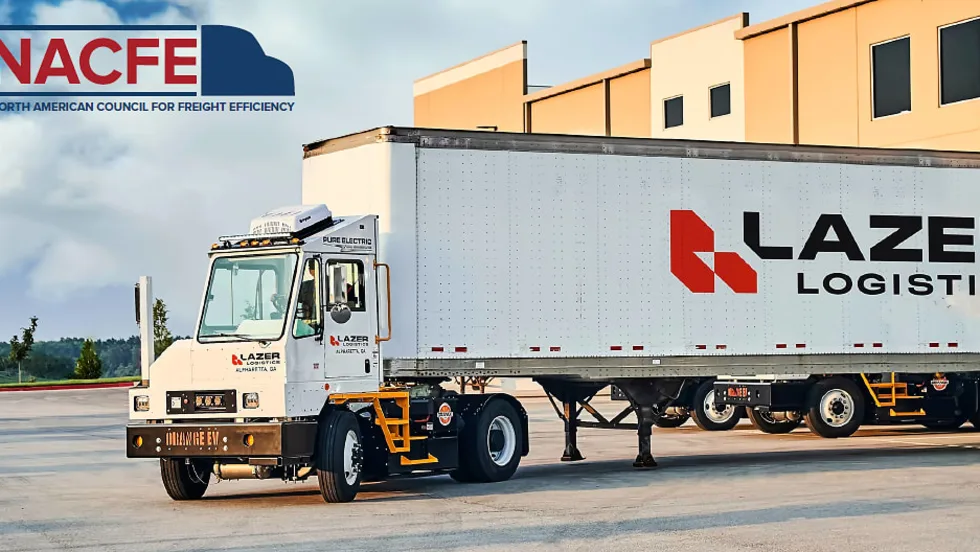
Electric Yard Tractors Move Beyond Pilots
Operating-cost savings have overtaken sustainability goals as the leading reason surveyed fleets are adopting battery-electric terminal tractors, according to new NACFE research.
Read More →
Geotab Links Fleet Card to Vehicle Data
The new card combines fuel discounts with telematics-based purchase controls. Geotab’s analysis also points to potential savings from choosing lower-priced fuel stops.
Read More →
Fleet Economics Shape Electric Truck Outlook
ACT Research expects costs, charging infrastructure, and technology improvements to drive zero-emission commercial vehicle adoption as federal regulations and incentives retreat.
Read More →
Wex Adds Cardless Fuel Payments for Over-the-Road Customers
A new fuel card feature for Wex customers offers convenience and security.
Read More →
New California Law Could Shed Light on Electric Truck Prices
Why do battery-electric Class 8 trucks remain so expensive? A California bill signed by Gov. Gavin Newsom would give fleets and state agencies more visibility into what manufacturers charge.
Read More →