




4 Common Truck Troubleshooting Questions Answered
Based on the most common technical inquires it received this year, Bendix has issued 2024's four most common troubleshooting insights for technicians, fleets, and drivers

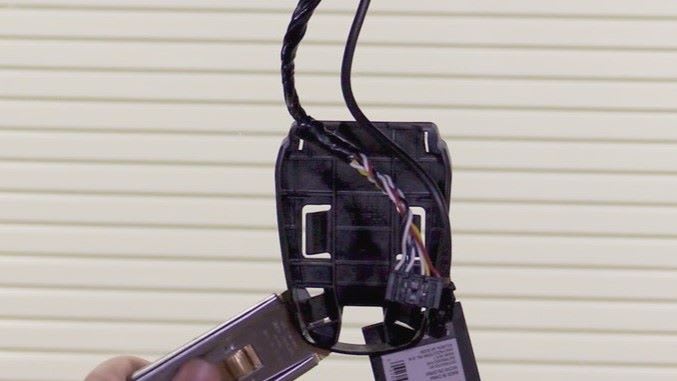
Error codes related to the image processor and calibration of the forward-facing camera frequently are a result of the mounting bracket that holds the camera not being installed properly. Refer to the Service Data Sheet and use measurements to make sure that the bracket is in the correct place and held there using only the adhesive that it comes with.
Photo: Bendix
With the end of the year approaching, it’s a good time to both look back and prepare for the road ahead.
To help, Bendix's latest installment of its Tech Tips Series addresses four of the most common maintenance questions the company's Tech Team addressed in 2024.
The Bendix Tech Team is a technical support group providing service advice, brake system troubleshooting, and product education.
1. What If My Air System Is Slow to Build Pressure?
“Air systems have gotten more complex and interconnected as they’ve been tasked with delivering clean, dry air to more and more vehicle systems, and this has led to some misconceptions about maintenance and troubleshooting,” said Brian Screeton, Bendix’s manager of sales technical training.
“But the basic operation of the compressed air system itself is relatively easy to understand, and with a little patience and due diligence, you can often save yourself some real headaches in the shop.”
Screeton noted that it’s important to look for smaller problems with simpler fixes before jumping into the process of a major repair. In this particular case, technicians troubleshooting the air buildup need to make sure to check the discharge line between the air compressor and the dryer.
According to Screeton, “This connection can become restricted by carbon accumulation or develop pinholes that will cause a slow- or no-build situation regardless of the condition of the compressor.
"Most important, it will only leak when the engine is running, so it is hard to hear and troubleshoot without using soapy water while the engine is running.
"Unfortunately, it’s often the last thing checked after time and money have already been spent installing a new compressor or dryer.”
2. Why Is the Foot Valve Leaking with No Foot on the Pedal?
“This is another situation where it’s easy to leap to replacement of the foot valve,” Screeton said. "And we understand, because that seems to make the most sense when air is coming out of that exhaust port when the pedal isn’t being pressed.
“The truth is this issue isn’t typically caused by a bad foot valve at all. It’s usually an air back feed from another valve that is taking the quickest path to exhaust.”
In this case, the proper move before replacing the foot valve is to remove all its delivery lines and check to see which – if any – has air coming out. Once that’s determined, technicians can follow the line(s) back toward the real problem.
3. Why is the Drive Axle Service Relay Valve/Traction Control Valve Leaking When the Parking Brake Is Released?
This issue understandably can be confusing. But again, it’s important to thoroughly inspect and troubleshoot before replacing the relay valve.
While that’s the one that is audibly leaking, this issue is most often caused by a failed brake chamber center seal, or a leaking double-check valve for anti-compounding.
Diagnosing the leak begins by removing all delivery lines from the service relay or traction control valve and checking to see which – if any – is exhausting air.
Then, with the vehicle wheels chocked, release the parking brake. If one or more brake chamber is leaking, then one or more of the delivery lines will begin to back feed air out of a disconnected line(s). Trace the line to the source of the back feed.
Screeton reiterated the importance of understanding this, because the root cause of the leak may potentially be due to a faulty anti-compounding feature in the parking valve – not a failed brake chamber center seal. Conducting the line tracing process can help detect and identify the suspect valve.
4. What's Causing the Calibration Error With my Forward-Facing Camera?
Advanced driver assistance systems, such as Bendix Fusion, typically include forward-facing cameras to collect the information that helps enable collision mitigation, lane departure warnings, and other capabilities.
These cameras must be properly positioned and accurately mounted on the inside of a vehicle’s windshield to function properly and comply with regulations addressing in-cab obstructions of a driver’s view.
“It’s not uncommon for us to get calls about error codes related to the image processor and calibration,” said Chad Benesh, supervisor of the Bendix technical support team.
"Most of the time, it turns out that the mounting bracket that holds the camera is simply not installed properly.
“This is an easy fix, but it’s got to be done right.
"You’ll need to refer to the Service Data Sheet and use measurements to make sure that the bracket is in the correct place and held there using only the adhesive that it comes with.
Attaching the bracket with tape or a hook-and-loop closure material may not seem like it would make a difference, but it’s often found to be the cause of these error codes.”
Have Your Own Truck Troubleshooting Questions?
If you have other truck maintenance issues, Bendix encourages fleets to contact the Bendix Tech Team at 1-800-AIR-BRAKE (1-800-247-2725), option 2.
You'll find the complete maintenance and troubleshooting information in the library of Service Data Sheets and Technical Bulletins located at B2Bendix.comand bendix.com.
More information from the Bendix Tech Tips series is available in the Bendix multimedia center at knowledge-dock.com.
The Bendix On-Line Brake School (brake-school.com) and B2Bendix.com offer additional instructional videos and interactive education on wheel-ends, air systems, and electronics.
More Maintenance

Color Match Smarter: Tools That Restore & Perform
For fleet managers and collision repair professionals keeping heavy-duty trucks on the road, getting the color right the first time isn't just about appearance — it's about efficiency, turnaround time, and bottom-line results. Discover how today's digital color tools are transforming the repair process from guesswork to precision.
Read More →
Wrong Repair Prompts Recall of Freightliner, Western Star 4x2 Trucks
DTNA is recalling more than 2,400 trucks that received an incompatible software fix instead of the hardware repair required to address brake valve corrosion.
Read More →
Truck Drivers Need More Than Another Alert
Fleets have more visibility into truck health, safety events, and driver activity than ever. The next challenge is turning all that information into useful guidance for the person who has to decide what to do next.
Read More →
The Maintenance Checks Trucking Fleets Should Prioritize Before Fall Freight Picks Up
Making it through August isn’t the same as being ready for the next several months of operation. Find out what systems may have suffered from summer heat and need to be checked out before fall.
Read More →
What Three Fleets Are Doing Differently When Buying Truck Parts in 2026
With freight improving but costs still climbing, fleet maintenance executives explain how they're balancing price, quality, and supplier relationships.
Read More →
Paccar Recalls 2027 Trucks Built This Summer for Possible Electrical Problem
The nearly 6,000 Kenworth and Peterbilt trucks in the recall could potentially lose engine power, among other things.
Read More →
Will API PC-12 Oil Change Trucking Fleet Maintenance?
The new API PC-12 heavy-duty engine oil category reflects the changing demands of modern diesel engines. But fleets like Foodliner are looking to getting their own data before making decisions on adopting the new oils and questions such as extending oil drain intervals.
Read More →
Brake Safety Week to Focus on Drums and Rotors
Commercial vehicle inspectors are focusing on truck brakes during CVSA's Brake Safety Week, August 23-29.
Read More →Possible Battery-Cable Fires Prompt Recall of 15,000+ International MV and HV Trucks
On the recalled vehicles, manufacturing variations can cause the battery interconnect cable to contact the auxiliary stud and hold down the bracket.
Read More →
Rush, MCT Team Up to Grow Refrigeration Service Network
The joint venture will operate MCT's network of Carrier Transicold dealerships and mobile service locations, with the companies promising greater service capacity and uptime for refrigerated fleets.
Read More →