





More from the study: 6 Practices to Recruit Younger Truck Drivers
3 Things That Attract Younger Truck Drivers to a Fleet
Younger drivers identified practices for building a community-driven company culture. Is your fleet doing these things?
July 22, 2022
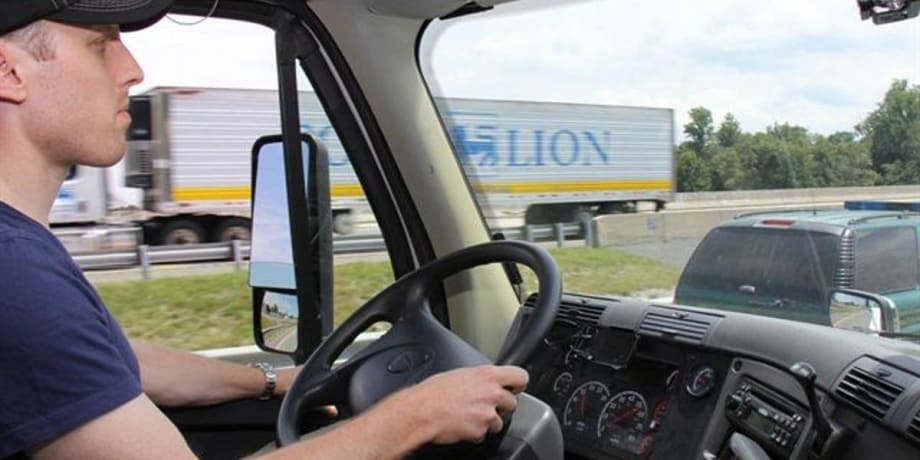
A majority (84%) of the surveyed drivers between 18 and 25 years old indicated that they consider company culture important, according to ATRI.
File Photo: Virginia Tech
3 min to read
Carriers define their company culture through the values and goals that they set, and they are more likely to attract and retain younger employees who share those values and goals, according to the American Transportation Research Institute latest study “Integrating Younger Adults into Trucking Careers.”
A majority (84%) of the surveyed drivers between 18 and 25 years old indicated that they consider company culture important.
Many younger drivers said that they dislike cutthroat environments and prefer collaborative environments where managers, dispatchers, and other drivers see themselves as part of the same team.
Meanwhile, carriers reported that they are conducting more frequent surveys in order to understand younger employees’ satisfaction or concerns with current company practices.
“Employees appreciate being able to have their voices heard, although it is crucial that they can respond honestly without fear of reprisal,” ATRI officials wrote.
Younger drivers identified several practices for building a community-driven company culture. Here are three things that should be a part of your fleet culture.
1. Supportive Managers
Like most others in their generation, Millennial and Gen Z truck drivers indicated they appreciate managers or supervisors with whom they can develop a professional relationship of mutual respect.
“Younger drivers that are happy with their career often consider the supportive feedback of peers and supervisors as one of their favorite parts of the industry,” ATRI officials wrote.
Carriers are also bridging the communication gap between employees and management by conducting in-person management check-ins.
“Having management, particularly senior level staff, meet and listen to younger employees’ concerns demonstrates that a carrier places value in employees’ opinions,” according to the study.
2. Shared Strategies
Younger employees who feel trusted, informed, and invested are more likely to remain with their carrier.
Experienced drivers can provide coaching to younger drivers as they participate within an apprenticeship program and continue on as company drivers. Carriers that support the development of relationships between younger drivers and veteran drivers are likely to experience improved retention rates, according to the study.
“Younger employees highly value ongoing feedback and validation from multiple perspectives,” according to the study.
3. Social Interaction
Younger drivers mentioned their desire for casual opportunities to converse with their colleagues, such as a break room, where conversation can naturally occur before and after shifts.
To facilitate this communication, carriers should develop opportunities for the groups to interact.
“Carriers can improve retention by fostering positive communications between younger drivers that have recently completed an apprenticeship and younger drivers that have been on the job for a few years,” ATRI officials wrote in the report. “Younger driver mentors are best suited to respond to younger employees’ unique questions and interests because younger drivers are likely to see them as peers and because they have recently experienced the challenges and rewards of learning to drive a commercial motor vehicle. The opportunity to become a mentor can also be a strong retention incentive for younger drivers because it affirms their skills and instills a sense of fulfillment.”
More Fleet Management

Sponsored•September 16, 2026
Color Match Smarter: Tools That Restore & Perform
For fleet managers and collision repair professionals keeping heavy-duty trucks on the road, getting the color right the first time isn't just about appearance — it's about efficiency, turnaround time, and bottom-line results. Discover how today's digital color tools are transforming the repair process from guesswork to precision.
Read More →
FMCSA Pauses Biennial-Update Enforcement Amid Motus Transition
Carriers whose updates were due on or after June 1 have more time, while FMCSA works to stabilize its new registration system and warns of phishing sites impersonating its new carrier registration system, Motus.
Read More →
Sponsored•September 14, 2026
2026 Blueprint for Countering Smarter Supply Chain Theft
Cargo theft is no longer just the cost of doing business. It's a multi-billion-dollar criminal enterprise exploiting vulnerabilities across your fleet, drivers, and supply chain.
Read More →


Sponsored•September 1, 2026
How Telematics Improves Visibility, Control, and Performance in Refrigerated Fleets
Explore how telematics help refrigerated fleets improve visibility, uptime, efficiency, compliance, and cargo protection across connected cold chain operations.
Read More →
What the U.S.-Canada Trade War Means for Trucking
Escalating U.S.-Canada tariffs could disrupt cross-border freight, reduce truck volumes, raise costs, and create new uncertainty for carriers on both sides of the border.
Read More →
What Are Trucking’s Top Concerns for 2026?
The American Transportation Research Institute wants to know what's worrying trucking fleet managers, drivers, and other stakeholders in its annual Industry Issues survey.
Read More →
American Trucking Associations Looks for a New Leader
ATA President and CEO Chris Spear abruptly left his job at the association on August 21, at a pivotal time for the trucking industry.
Read More →
Public Wi-Fi Cybersecurity Risks: How Truck Drivers and Fleets Can Protect Their Data
Public Wi-Fi can expose truck drivers and fleets to credential theft, malware, and other cyber threats. Here’s how to reduce the risk on the road.
Read More →
For Nicky Cupp, Fleet Innovation Starts With Frustration
HDT Truck Fleet Innovator Nicky Cupp turns everyday pain points at Fraley & Schilling into opportunities for better technology and smarter processes.
Read More →
Adam Buttgenbach’s Approach to Electric Trucks: Start With Where They Fit
HDT Truck Fleet Innovator Adam Buttgenbach helped PepsiCo build one of North America’s largest EV fleets by focusing on where electric trucks make operational sense.
Read More →