




Wabash Builds Its 500,000th DuraPlate Van
Half a million is a lot, especially when it describes how many big 53- by 102 trailers have been made by one manufacturer. Wabash National Corp. last week said it had produced its 500,000th DuraPlate model since introducing it 17 years ago. Senior Editor Tom Berg has the story in this Trailer Talk blog.

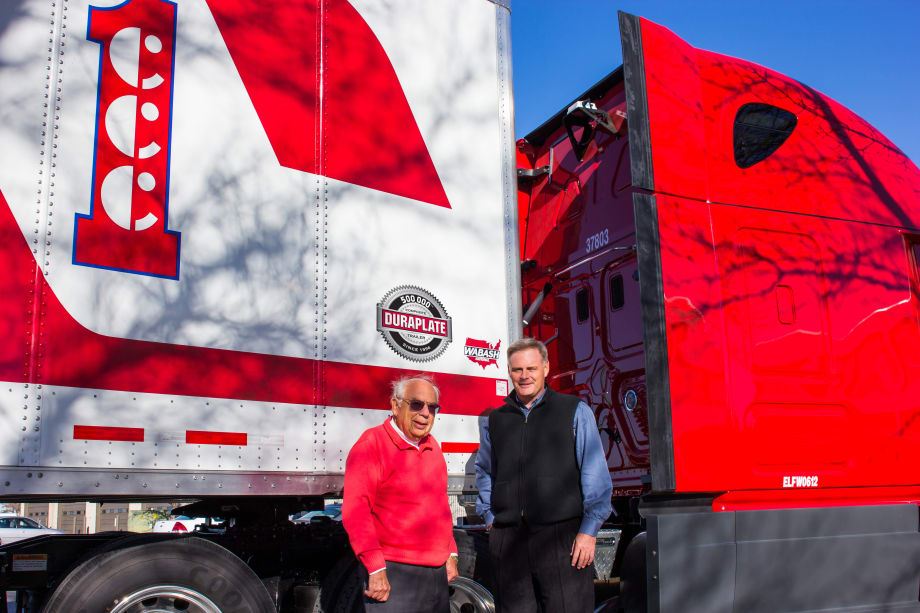
Duane Acklie, chairman of Crete Carrier Corp. (left), and Tonn Ostergard, president and CEO, receive Wabash National’s 500,000th DuraPlate van trailer.
Duane Acklie, chairman of Crete Carrier Corp. (left), and Tonn Ostergard, president and CEO, receive Wabash National’s 500,000th DuraPlate van trailer.
Half a million is a lot, especially when it describes how many big 53- by 102 trailers have been made by one manufacturer. Wabash National Corp. last week said it had produced its 500,000th DuraPlate model since introducing it 17 years ago.
The trailer, adorned with a special commemorative logo, was delivered to Crete Carrier Corp., one of the largest privately owned trucking companies in the United States.
“Wabash has always led the industry in innovation, going back to the early plate trailer that revolutionized the design and construction of traditional sheet and post trailers,” said Tonn Ostergard, Crete Carrier’s chief executive officer and president, in a statement.
“The DuraPlate van provides maximum cube space, which helps us serve our customers, and the smooth interior walls reduce cargo damage.
“The durability of the DuraPlate van provides us with a quality asset with a low total cost of ownership and a solid residual value at time of sale or trade.”
“Reaching this milestone of building half a million DuraPlate dry vans is a significant accomplishment for our associates and our customers,” said Brent Yeagy, group president of Commercial Trailer Products at Wabash National.
“It is further evidence of how customers, both large and small fleets alike, value the durability, longevity and low total cost of ownership provided by our line of American-made DuraPlate vans.”
Introduced in 1996, the DuraPlate delivers long life and high resale values, he said. It uses thin composite walls consisting of a high-density polyethylene core bonded between two high-strength steel skins to provide damage resistance and maximum interior width.
They are produced in-house at Wabash, in Lafayette, Ind., and are the only composite-plate sidewall panels manufactured in the U.S., Yeagy said. Some of the largest truckload and less-than-truckload carriers in the country use DuraPlate vans.
More information is at www.wabash-trailers.com.
More Blog Posts

Pulsing Back-of-Trailer Lamps Aim to Prevent Crashes
Can the addition of a pulsing brake lamp on the back of a trailer prevent rear-end collisions? FMCSA seems to think so, if its exemptions are any indication.
Read More →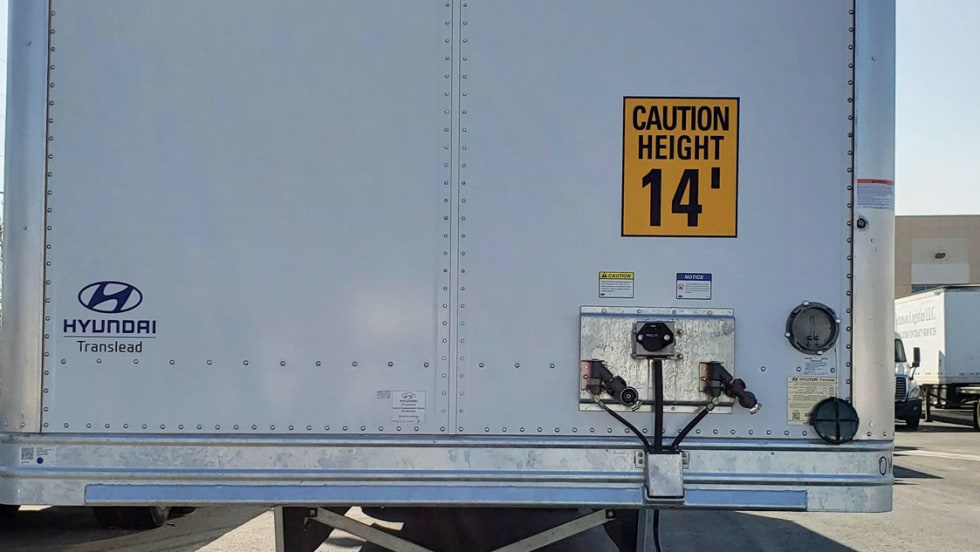
Designing a 14-Foot Trailer
Trailers are 13 feet, 6 inches high, right? Not for Hub Group, which developed a special 14-foot-high trailer spec for a dedicated customer based in California. Learn more in the Trailer Talk blog.
Read More →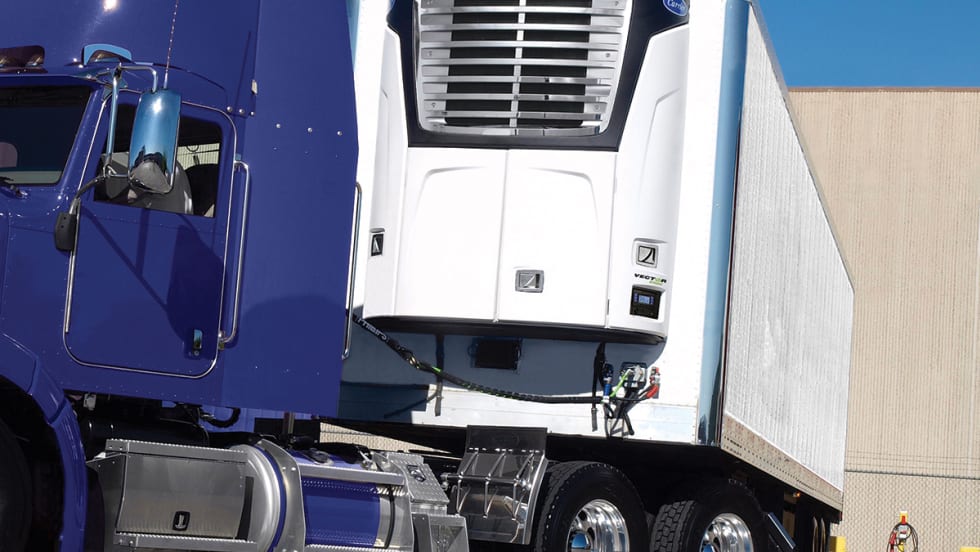
CARB Comes for Reefer Trailers
A new round of emissions control regulations decreed by the California Air Resource Board will begin affecting refrigerated trailer and TRU design and operations next year.
Read More →
5 Ways Data Analysis Maximizes the Value of Trailer Telematics
Are you getting the most out of your trailer telematics investment?
Read More →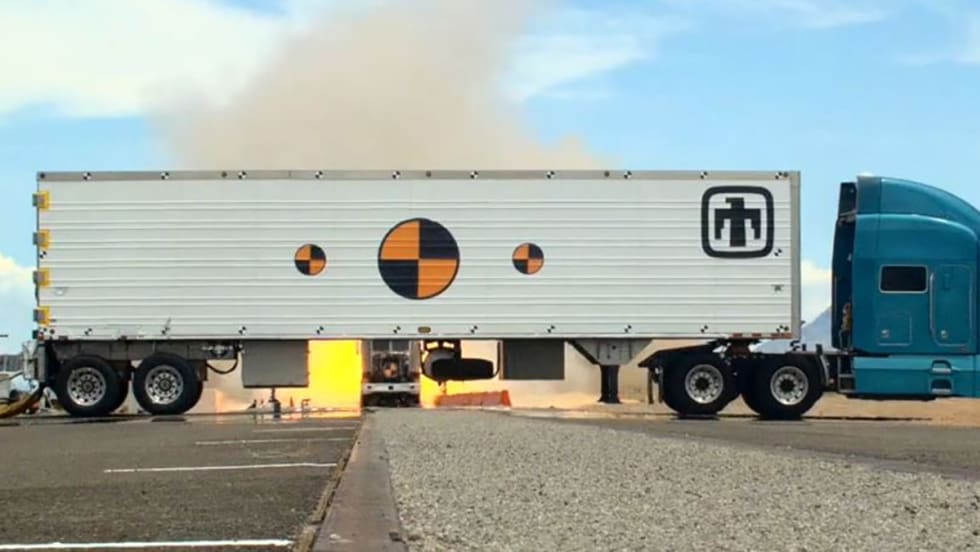
Can You Guess What's in That Trailer?
You don’t always know what’s in the trailers that pass you on the road. But some of those trailers are carrying something a little more dangerous that frozen food or new bedding…like, maybe, a nuclear weapon. But this isn’t an ordinary trailer; this is a trailer specifically made to not only carry this type of payload, but protect it at all costs.
Read More →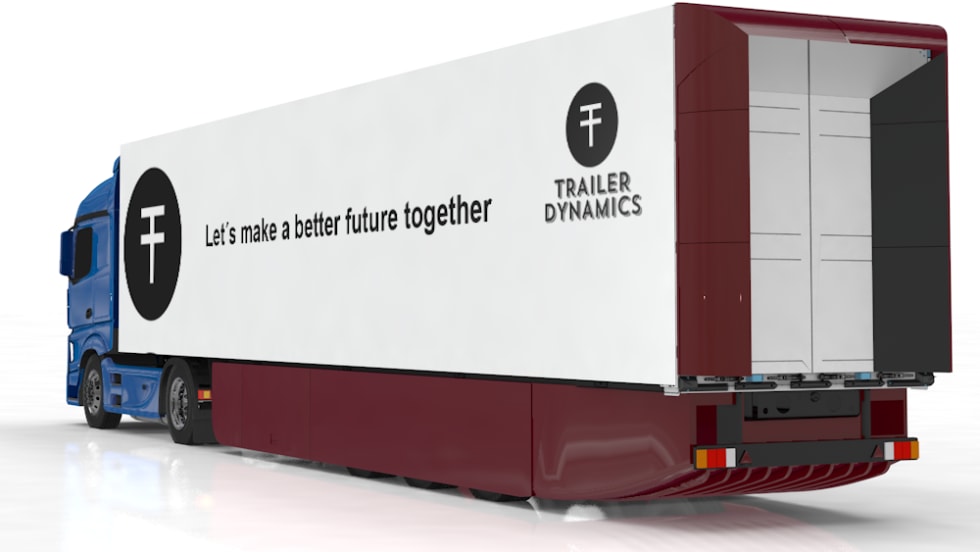
How Trailers Are Harnessing 'Free' Energy
Can trailers play a more active role in sustainable transport beyond aerodynamic add-ons or low-rolling-resistance tires? Some companies think so.
Read More →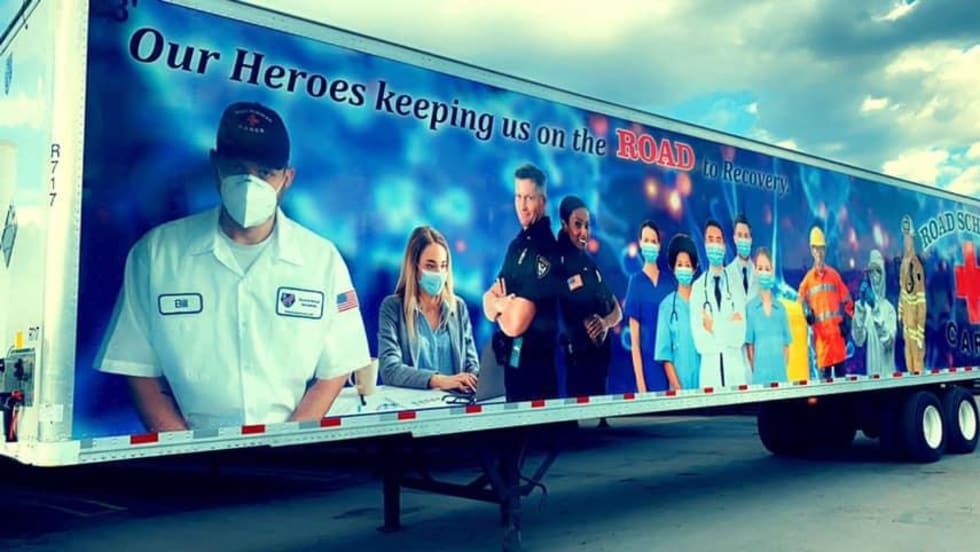
Wrapping a Trailer for COVID’s Everyday Heroes
“We don’t only deliver freight. We deliver awareness.” That’s what Jim Barrett, president and CEO of Road Scholar Transport, likes to say about the Dunmore, Pennsylvania-based carrier’s “awareness fleet.” Its latest trailer wrap honors the everyday heroes of the pandemic.
Read More →
How a Tanker Fleet is Using Unorthodox Trailer Lighting to Fight Rear-End Collisions
Groendyke Transport watched the number of rear-end collisions with its trailers rise steadily until it tried an unorthodox and then unapproved method of alerting following drivers that its trucks were applying brakes and slowing down.
Read More →
The Role Trailers are Playing in COVID-19 Funerals
In places such as New York City and Detroit, overwhelmed hospitals and mortuaries are using refrigerated trailers to store the bodies of people killed by COVID-19.
Read More →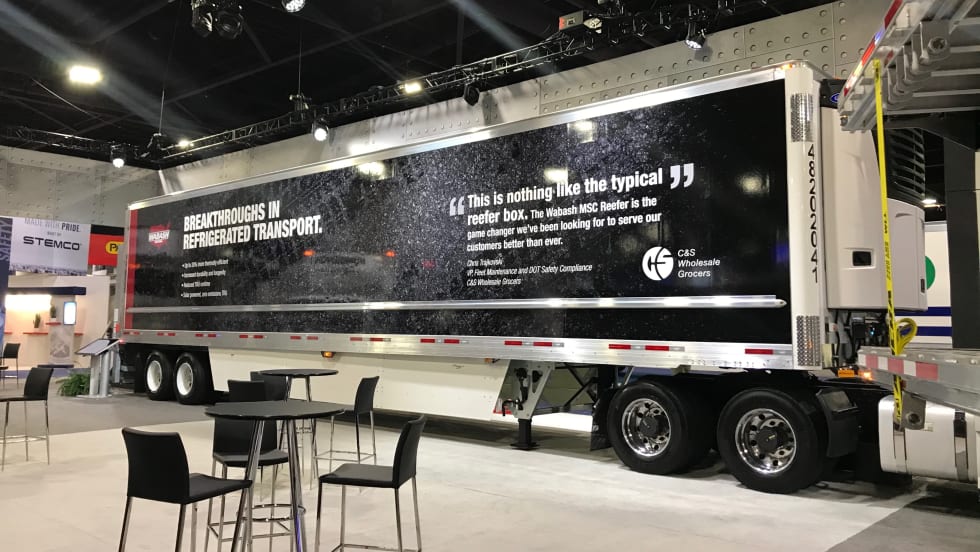
Reefer Trailer Aims to Help Reach Zero Emissions
Wabash National is partnering with C&S Wholesale Grocers to test a new type of zero-emissions refrigerated trailer.
Read More →