





Related: SAF-Holland's ULX40 Trailer Suspension Uses Composite Springs
ULX40 Follows Trend Toward Mechanical Suspensions on Vans
Air-ride's more complex and requires more maintenance, so some fleets that watch costs very closely never got on the air-ride band wagon.
June 5, 2015
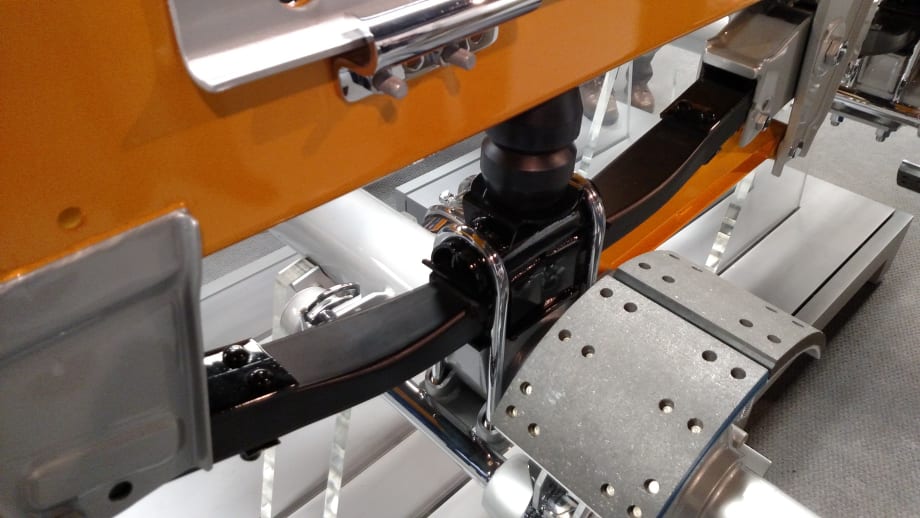
Composite springs vary in shape and thickness across their length. ULX40, with 40,000-pounds capacity, comes with drum or disc brakes.
4 min to read
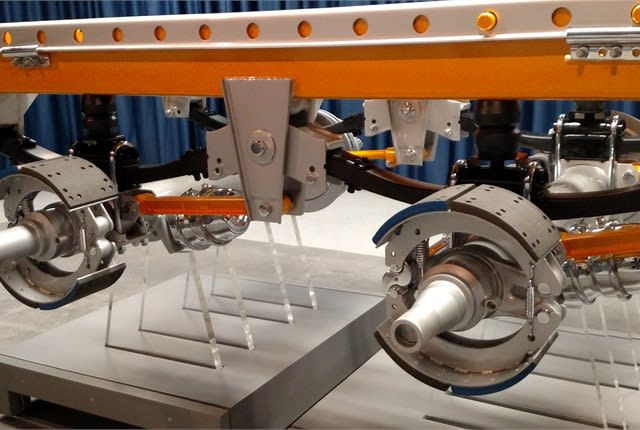
ULX40's four composite springs are impervious to road salts and claim to ride almost as well as air bags.
There was a time when air-ride suspensions were the rage, and if you didn’t have them on your tractors you had trouble getting drivers to work for you. And if you didn’t have ‘em on your trailers they would shake up the freight they carried and no one would ship with you. Air-ride is still standard on most road tractors and many heavy trucks, and is common on certain types of trailers, like flatbeds.
Air-ride was thought to be so superior in ride quality to steel-spring suspensions that some shippers demanded it. I recall a 1980s story about a manufacturer that put out a call for flatbed operators to haul a shipment of farm implements. “Don’t show up unless your equipment is on air-ride,” the traffic people said. Some guys with steel springs on their trailers went anyway, and were turned away at the gate.
Later, a dry-van fleet that went to air-ride produced a video showing a rear view of a trailer trundling down a bumpy road with its doors open. Looking inside, we saw how the boxes of freight stood up, or didn’t. In the air-ride trailer, they stayed stacked; in the steel-sprung trailer, they bounced around and boxes on upper tiers fell onto the floor. That was impressive.
Air-bag suspensions also protect the trailers themselves, especially sensitive and expensive ones like tankers, from vibration and shock. So air-ride’s market share climbed.
But there’s been a move away from air-ride and toward mechanical suspensions on van-type trailers, which constitute a big majority of those on the road. Some of this started in the Great Recession when fleets needed to pinch their dollars. But there are other reasons, including weight and maintenance.
A trend toward mechanical suspensions was noted by SAF-Holland, a major maker of trailer equipment, which showed off a new composite-spring product at its facility in Muskegon, Mich., on June 3. Right now the van market is about 50-50 air to mechanical, representatives said. (I’ve heard that mechanical suspensions go on an even higher percentage of vans – 70%, another source said.)
Some fleets are pulling back from air-ride because of its complexity – air bags, height-control valves, pneumatic plumbing and shock absorbers – and the maintenance for all of it. Some companies that watch costs very closely never got on the air-ride band wagon because the return on investment wasn’t there. Most of their customers ship goods that simply didn’t need a softer ride, or aren’t willing to pay extra to get it, managers said. Why buy something that won’t pay for itself?
SAF-Holland sells a lot of air-ride suspensions to customers who want and need them. But the builder also knows that mechanical suspensions are simpler and easier to maintain. Usually they cost less to buy, also. That’s not the case with the new ULX40 product they showed off, whose price will be “comparable” to air-ride because their composite springs cost more.
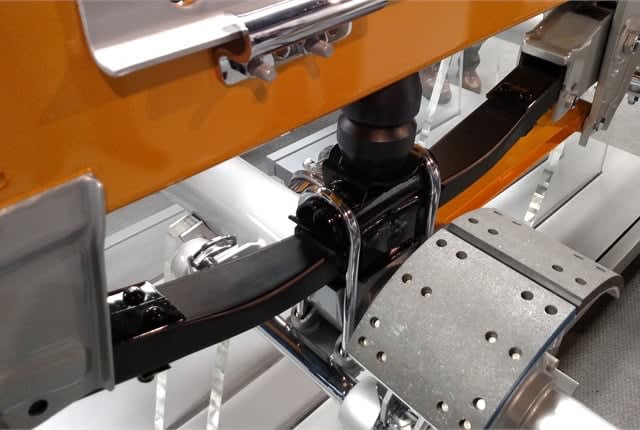
Composite springs vary in shape and thickness across their length. ULX40, with 40,000-pounds capacity, comes with drum or disc brakes.
But they also deliver more value: Composite springs will last longer than steel and ride almost as smoothly as air bags, they said. Testing in SAF-Holland’s labs proved the durability and yielded data on ride that shows up on a graph. Leaf springs made of plastic and fiberglass composites are not new, and not all have held up. We’ll see how these do.
Meanwhile, they’re also light in weight, the SAF-Holland people said. Four of them weigh about 145 pounds less than four steel leafs. That will get fleet managers’ attention.
So will good ride quality, and maintenance costs about $650 per year per trailer. Multiply that by the number of trailers in a fleet and now we’re talking some real money. Throw in uptime and there’s more money to be had.
The composite springs are single-leaf. Look at one and you’ll see that it’s semiparabolic, with varying amounts of material throughout its length – more in high-stress areas and less where testing has shown it’s not needed. The material is “proprietary,” they said, but it looks like it’s got plastics in it. Whatever it is, it’s impervious to road salts, so is bare.
Steel parts are dipped into vats of SAF-Holland’s Black Armour, a water-based substance that bonds with the metal and fights off corrosion. If a piece of the coating is chipped off by a flying stone or debris, any corrosion is confined to that spot and does not spread. After coating, the parts are assembled into complete suspensions. Black Armour is standard on many other SAF-Holland suspensions and landing gear.
The ULF40 is an integrated product that includes springs, axles, a choice of hubs and either drum or disc brakes, all from SAF. It’s currently unique on the market; there’s no other mechanical suspension like it, the company says. That should make it easy for trailer builders to install and convenient for customers to buy and look after. A single warranty covers everything, so there’s no here-there finger pointing. Will it accelerate the trend toward mechanical suspensions? Time will tell.
Subscribe to Our Newsletter
More Blog Posts
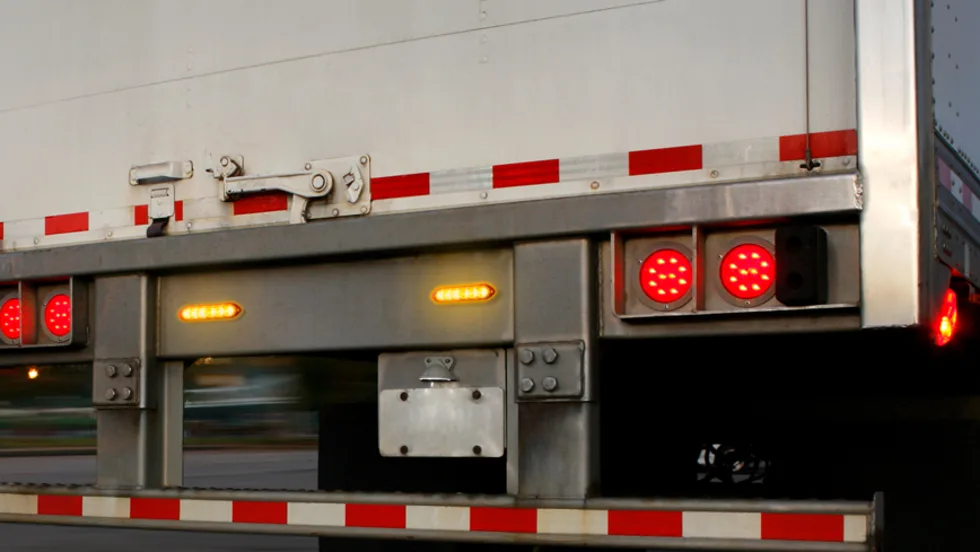
Pulsing Back-of-Trailer Lamps Aim to Prevent Crashes
Can the addition of a pulsing brake lamp on the back of a trailer prevent rear-end collisions? FMCSA seems to think so, if its exemptions are any indication.
Read More →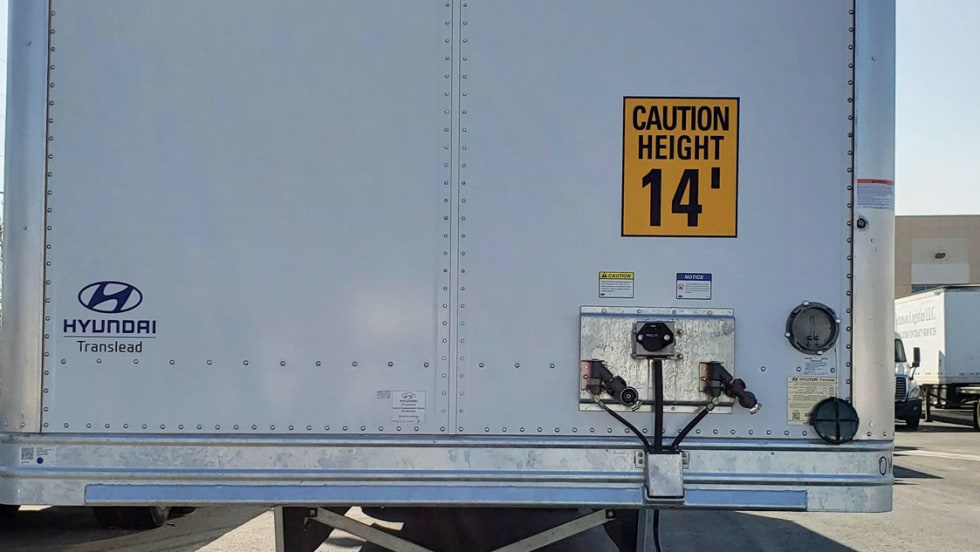
Designing a 14-Foot Trailer
Trailers are 13 feet, 6 inches high, right? Not for Hub Group, which developed a special 14-foot-high trailer spec for a dedicated customer based in California. Learn more in the Trailer Talk blog.
Read More →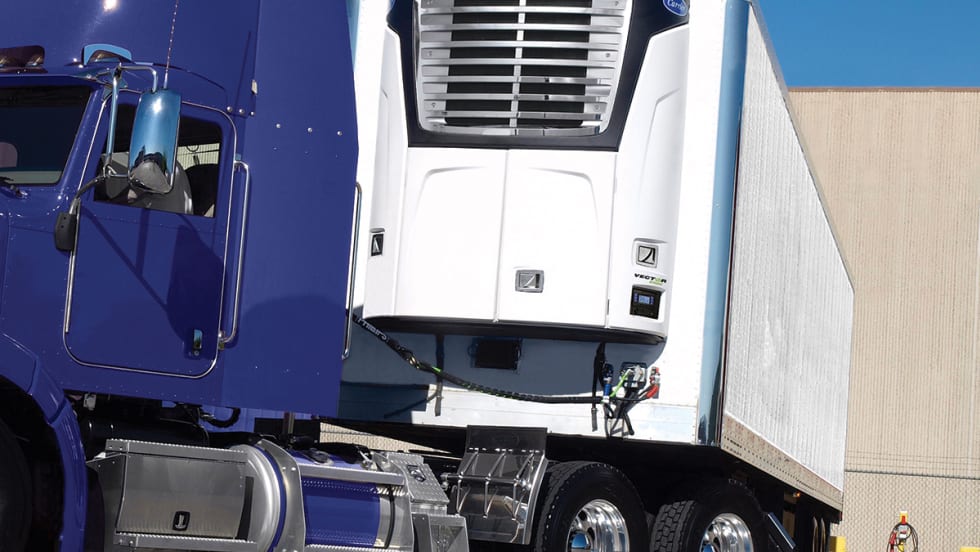
CARB Comes for Reefer Trailers
A new round of emissions control regulations decreed by the California Air Resource Board will begin affecting refrigerated trailer and TRU design and operations next year.
Read More →
5 Ways Data Analysis Maximizes the Value of Trailer Telematics
Are you getting the most out of your trailer telematics investment?
Read More →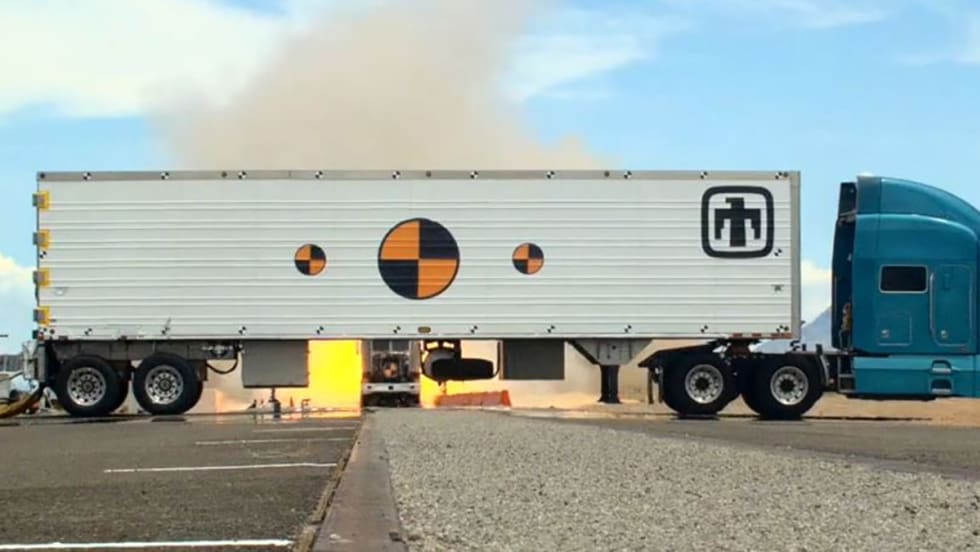
Can You Guess What's in That Trailer?
You don’t always know what’s in the trailers that pass you on the road. But some of those trailers are carrying something a little more dangerous that frozen food or new bedding…like, maybe, a nuclear weapon. But this isn’t an ordinary trailer; this is a trailer specifically made to not only carry this type of payload, but protect it at all costs.
Read More →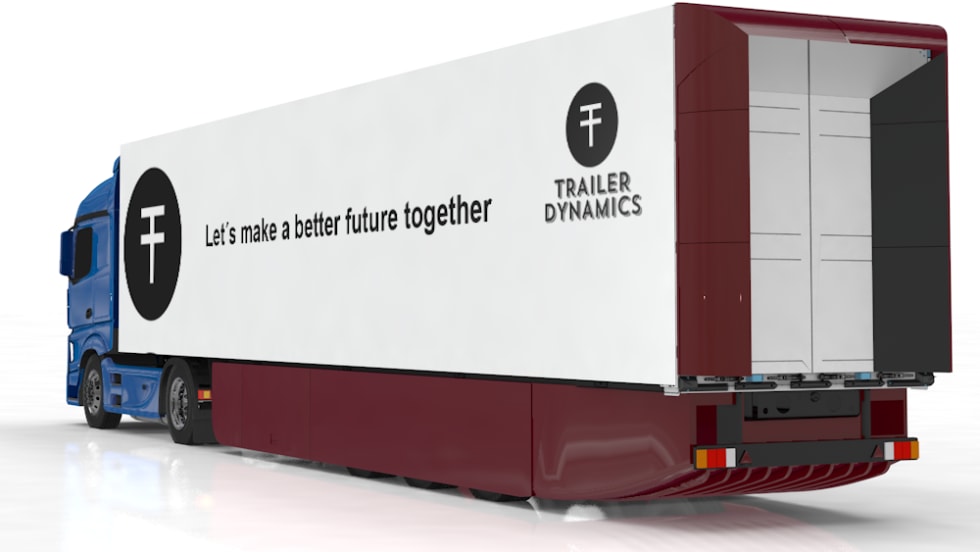
How Trailers Are Harnessing 'Free' Energy
Can trailers play a more active role in sustainable transport beyond aerodynamic add-ons or low-rolling-resistance tires? Some companies think so.
Read More →
Wrapping a Trailer for COVID’s Everyday Heroes
“We don’t only deliver freight. We deliver awareness.” That’s what Jim Barrett, president and CEO of Road Scholar Transport, likes to say about the Dunmore, Pennsylvania-based carrier’s “awareness fleet.” Its latest trailer wrap honors the everyday heroes of the pandemic.
Read More →
How a Tanker Fleet is Using Unorthodox Trailer Lighting to Fight Rear-End Collisions
Groendyke Transport watched the number of rear-end collisions with its trailers rise steadily until it tried an unorthodox and then unapproved method of alerting following drivers that its trucks were applying brakes and slowing down.
Read More →
The Role Trailers are Playing in COVID-19 Funerals
In places such as New York City and Detroit, overwhelmed hospitals and mortuaries are using refrigerated trailers to store the bodies of people killed by COVID-19.
Read More →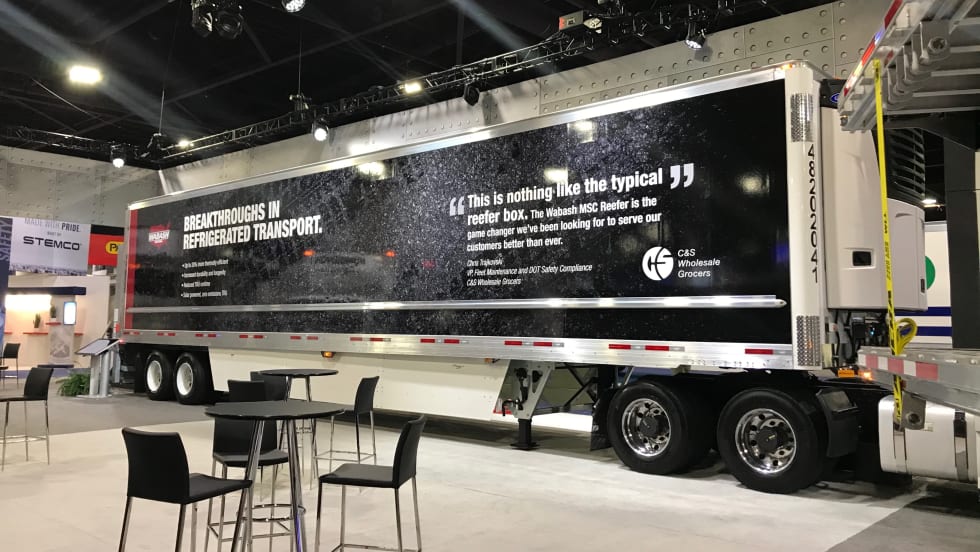
Reefer Trailer Aims to Help Reach Zero Emissions
Wabash National is partnering with C&S Wholesale Grocers to test a new type of zero-emissions refrigerated trailer.
Read More →