




Tri-Axle Trailers and Economics in the 'Market'
The strongest argument against heavier rigs is the lack of payback due to low revenue from stingy shippers. That's the "market" at work.

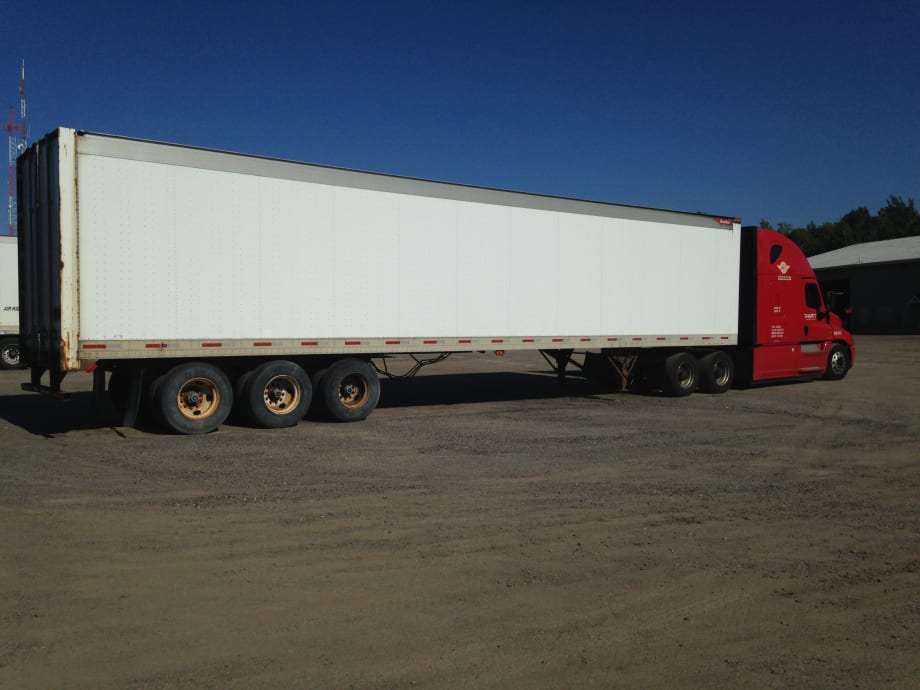
Regular road tractors can pull tri-axle trailers with gross combination weights as high as 100,000 pounds in Maine, says Hartt Transportation.
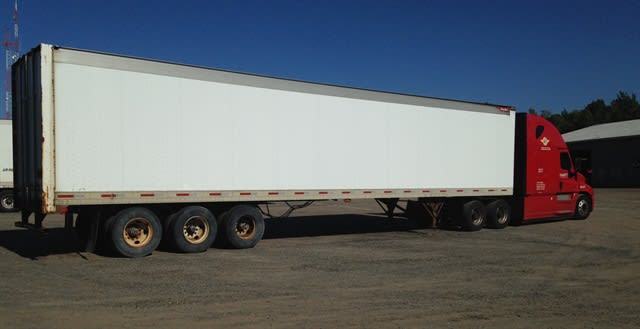
Regular road tractors can pull tri-axle trailers with gross combination weights as high as 100,000 pounds in Maine, says Hartt Transportation.
Tri-axle trailers are again in the news as another proposal for more legal gross weight is being floated in Congress. HDT Executive Editor David Cullen, has written about it for TruckingInfo, and I’m dissecting the mechanical end of it for HDT’s October issue.
In most places the predominant rig runs on five axles and can weigh as much as 80,000 pounds. This proposal would allow states to increase that to six axles and 91,000 pounds, which would boost productivity. Many states allow tractor-trailers and long combination vehicles that weigh way more than that.
Michigan “trains” and the LCVs in the Pacific Northwest are rather well-known examples. Less known, except to folks who live there, are heavy tractor-trailers in Maine, which operate with six axles at 100,000 pounds. These are also allowed in some nearby states and Canadian provinces.
And New York state has a permitting system that allows as much as 105,000 pounds on five axles. To people who run them, they’re no big deal because the heavy rigs are part of everyday work lives.
They do take precautions, such as using quality brake, hub and wheel components and making sure that only conscientious drivers operate them. Among other things, these guys take turns slowly and cautiously so they don’t tip over.
The Maine example is noteworthy because it partially refutes arguments against the six-axle, 91,000-pound proposal now in Congress.
The Truckload Carriers Association wrote a letter to the sponsoring congressman, Rep. Reid Ribble (R-Wis.), explaining why his proposal is not a good idea. The association said the cost of a higher-capacity trailer and tractor to operate at the higher weights would be $8,000 (just to add an axle) to $24,800 (for a stronger frame and kingpin, higher-rated tires and a more powerful engine in the tractor).
But is that really so? Todd Cotier, maintenance director at Hartt Transportation in Bangor, Maine, says some of his tractors are geared to pull the heavier trailers in hilly terrain, but “today everyone has more horsepower than they really need anyway, and our sleeper-cab road tractors can pull them without a problem.”
The strongest argument against heavier rigs is the lack of payback. Several times in the past, truckers have had to stretch trailers or buy new longer ones, but got little or no extra revenue from stingy shippers. Hard-nosed traffic managers demanded the bigger equipment and felt it was their right to stuff more cargo aboard, and that amount became the new “truckload.” Do it, or lose my business, shippers said.
So like many things in life, this issue will come down to economics. The “market” might be efficient (and it’s the basis for our free enterprise system), but it’s not always fair.
More Blog Posts
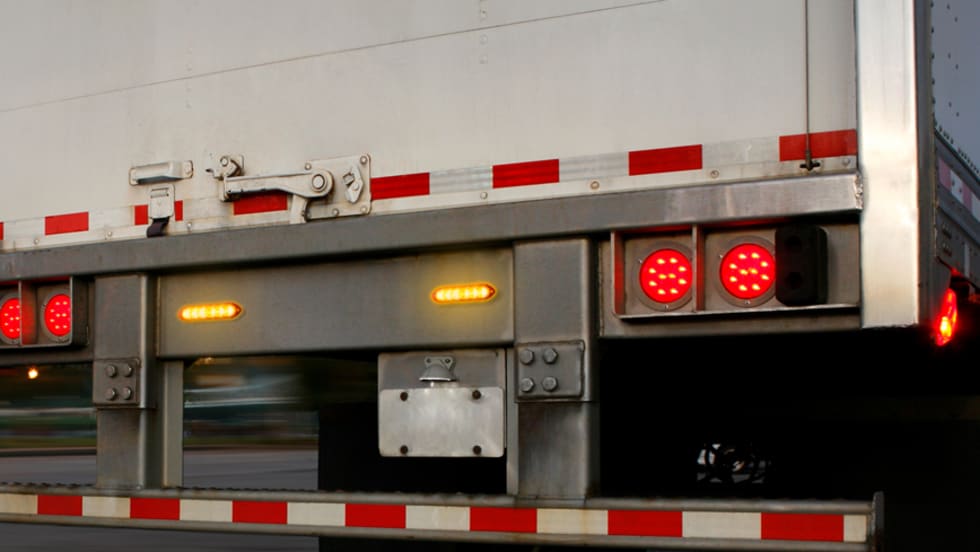
Pulsing Back-of-Trailer Lamps Aim to Prevent Crashes
Can the addition of a pulsing brake lamp on the back of a trailer prevent rear-end collisions? FMCSA seems to think so, if its exemptions are any indication.
Read More →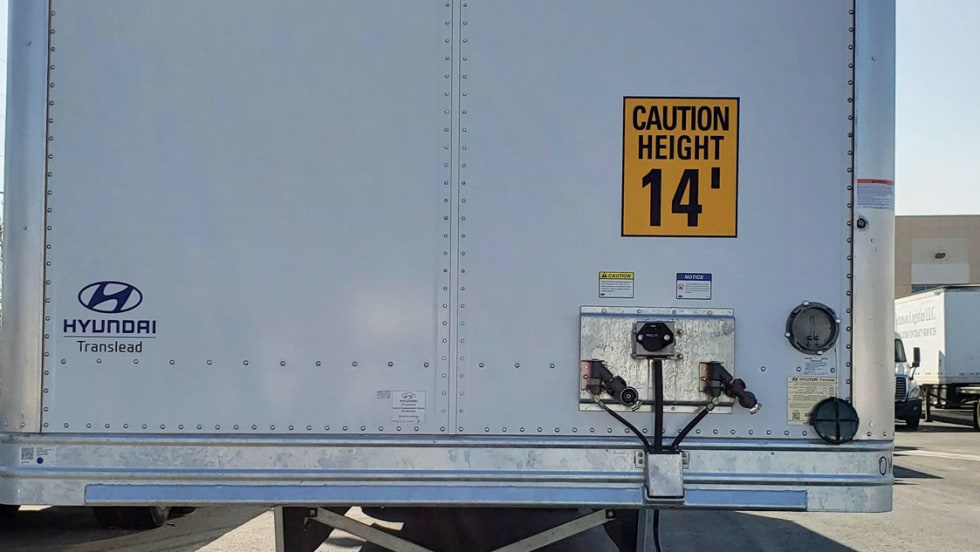
Designing a 14-Foot Trailer
Trailers are 13 feet, 6 inches high, right? Not for Hub Group, which developed a special 14-foot-high trailer spec for a dedicated customer based in California. Learn more in the Trailer Talk blog.
Read More →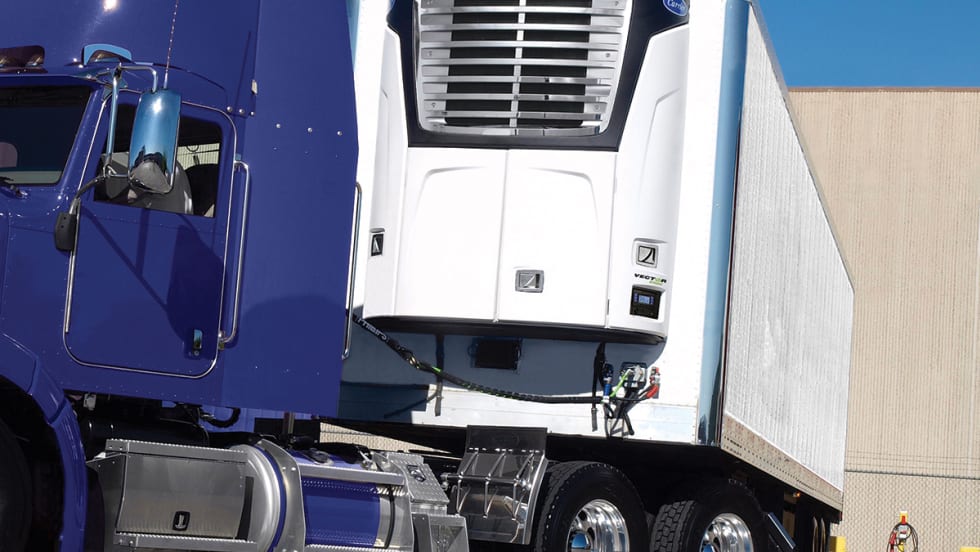
CARB Comes for Reefer Trailers
A new round of emissions control regulations decreed by the California Air Resource Board will begin affecting refrigerated trailer and TRU design and operations next year.
Read More →
5 Ways Data Analysis Maximizes the Value of Trailer Telematics
Are you getting the most out of your trailer telematics investment?
Read More →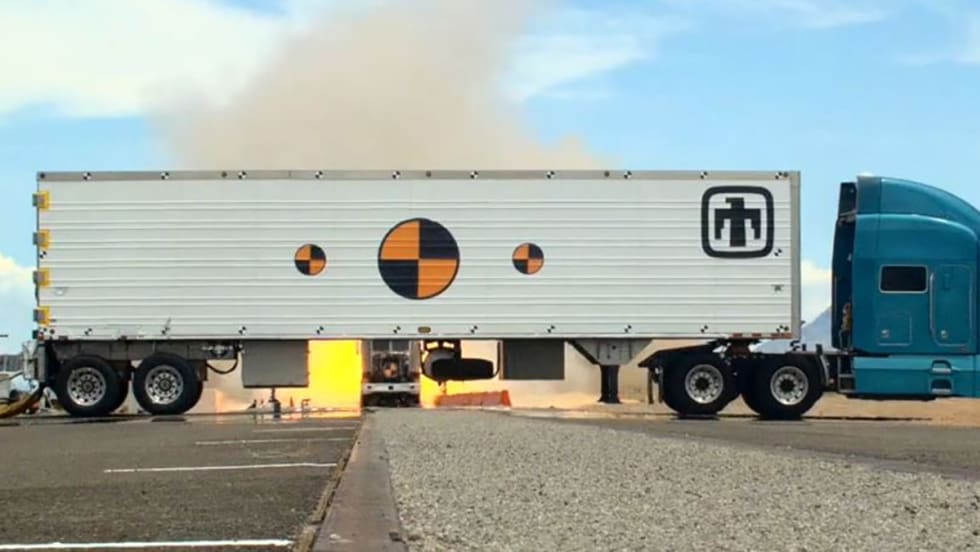
Can You Guess What's in That Trailer?
You don’t always know what’s in the trailers that pass you on the road. But some of those trailers are carrying something a little more dangerous that frozen food or new bedding…like, maybe, a nuclear weapon. But this isn’t an ordinary trailer; this is a trailer specifically made to not only carry this type of payload, but protect it at all costs.
Read More →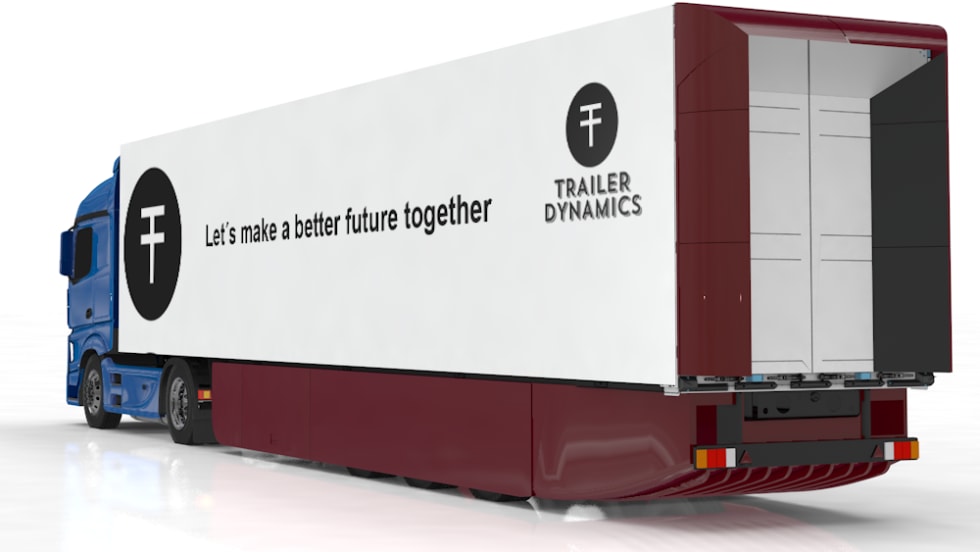
How Trailers Are Harnessing 'Free' Energy
Can trailers play a more active role in sustainable transport beyond aerodynamic add-ons or low-rolling-resistance tires? Some companies think so.
Read More →
Wrapping a Trailer for COVID’s Everyday Heroes
“We don’t only deliver freight. We deliver awareness.” That’s what Jim Barrett, president and CEO of Road Scholar Transport, likes to say about the Dunmore, Pennsylvania-based carrier’s “awareness fleet.” Its latest trailer wrap honors the everyday heroes of the pandemic.
Read More →
How a Tanker Fleet is Using Unorthodox Trailer Lighting to Fight Rear-End Collisions
Groendyke Transport watched the number of rear-end collisions with its trailers rise steadily until it tried an unorthodox and then unapproved method of alerting following drivers that its trucks were applying brakes and slowing down.
Read More →
The Role Trailers are Playing in COVID-19 Funerals
In places such as New York City and Detroit, overwhelmed hospitals and mortuaries are using refrigerated trailers to store the bodies of people killed by COVID-19.
Read More →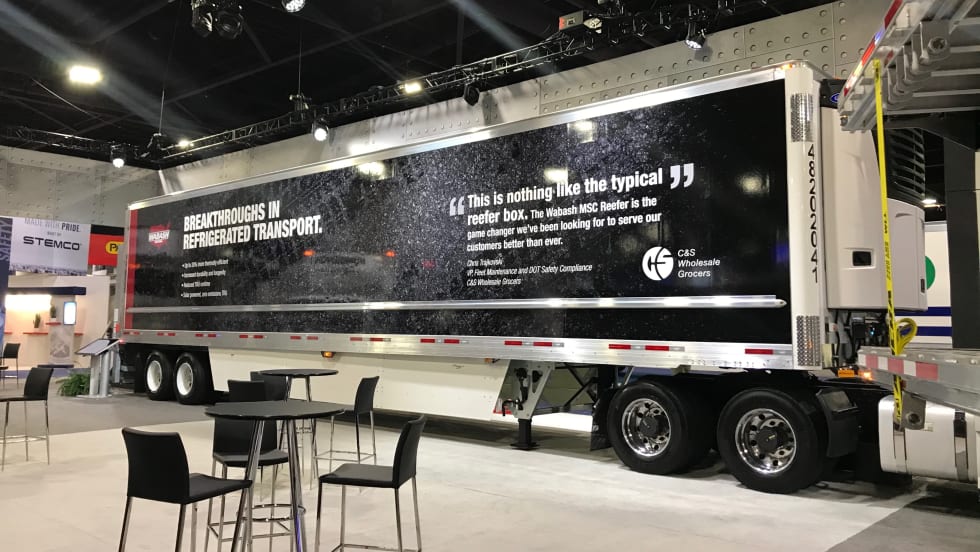
Reefer Trailer Aims to Help Reach Zero Emissions
Wabash National is partnering with C&S Wholesale Grocers to test a new type of zero-emissions refrigerated trailer.
Read More →