




Trailer Maker Says EPA ‘Overstepped’ on GHG/Fuel Economy Proposal
EPA wants more fuel-saving devices on trailers under proposed greenhouse-gas-reductoin rules. But one trailer maker says they won't provide as much benefits as regulators think. Tom Berg explores why in his Trailer Talk blog.


EPA wants new, environmentally friendly insulation for the insides of walls, ceilings and floors of reefer trailers by 2020 – a very difficult task, Utility says. (Drawing is an artist's rendering of a trailer cross-section, not an actual model.) Courtesy Utility Trailer Mfg.
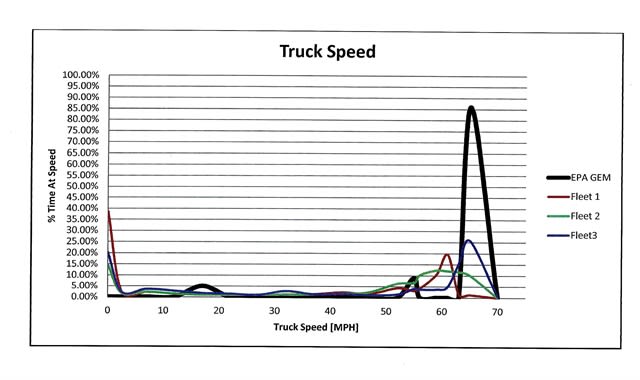
EPA thinks trailers spend most of their time cruising at highway speeds, Utility says. But data from three fleets show that traffic congestion and standing-still time at docks and yards make average speeds much lower.Graph courtesy Utility Trailer Mfg.
Requiring trailers to contribute toward reduction in greenhouse gas emissions and fuel use is beyond the legal authority of the Environmental Protection Agency, said Jeff Bennett, vice president for engineering and product development at Utility Trailer Manufacturing, during a webinar sponsored by FTR Associates on Feb. 15.
His company and an industry association argued in their comments on the proposals that the Clean Air Act limits the EPA to powered vehicles, not trailers. EPA and the National Highway Traffic Safety Administration published their Phase 2 proposals last year, and they’re now pondering thousands of comments on them from trucking and other interested parties.
“EPA overstepped its authority because trailers are not motorized vehicles,” Bennett said, “and there’s no legal basis for regulating trailers.” Utility and others in the industry are now waiting for EPA’s response to that and other responses to the proposed rules. But most continue to support EPA’s voluntary SmartTruck program that also aims to cut GHG emissions and raise fuel economy.
EPA and NHTSA also greatly overestimated average highway speeds for trailers, Bennett said. The agencies claim in their Phase 2 proposals that trailers cruise at 65 mph 86% of the time, at 55 mph 9% of the time and 5% at other speeds. Data given to Utility by three major fleets show that traffic congestion, delays at loading docks, and time parked in yards and terminals limit average speeds to much lower levels.
“So 65 mph is not realistic,” Bennett said.
Furthermore, EPA proposals would affect all box-type trailers – a one-size-fits-all approach that is flawed because it assumes that all trailers cruise at steady highway speeds, he said. Long-haul fleets sometimes do, and can benefit from low-rolling-resistance tires and aerodynamic improvers (the current and future method of meeting government targets for fuel economy and carbon dioxide reduction.)

EPA wants new, environmentally friendly insulation for the insides of walls, ceilings and floors of reefer trailers by 2020 – a very difficult task, Utility says. (Drawing is an artist's rendering of a trailer cross-section, not an actual model.) Courtesy Utility Trailer Mfg.
But short-haul and regional fleets do not benefit, Bennett said. They run at low speeds and face frequent delays where that special equipment does no good, and where it can be damaged in everyday service. For example, low-rolling-resistance tires do not wear well in urban service and must be replaced prematurely.
“Hopefully they will cooperate with us on that,” he said of agency officials.
Meanwhile, “EPA wants environmentally safer foam insulation for reefers, a greener formulation, and they want it by 2020,” he said. But developing a replacement for urethane foam is difficult. “We have been environmentally conscious throughout our history,” he said of Utility Trailer, “and if we had it, we would already be using it.”
More Blog Posts
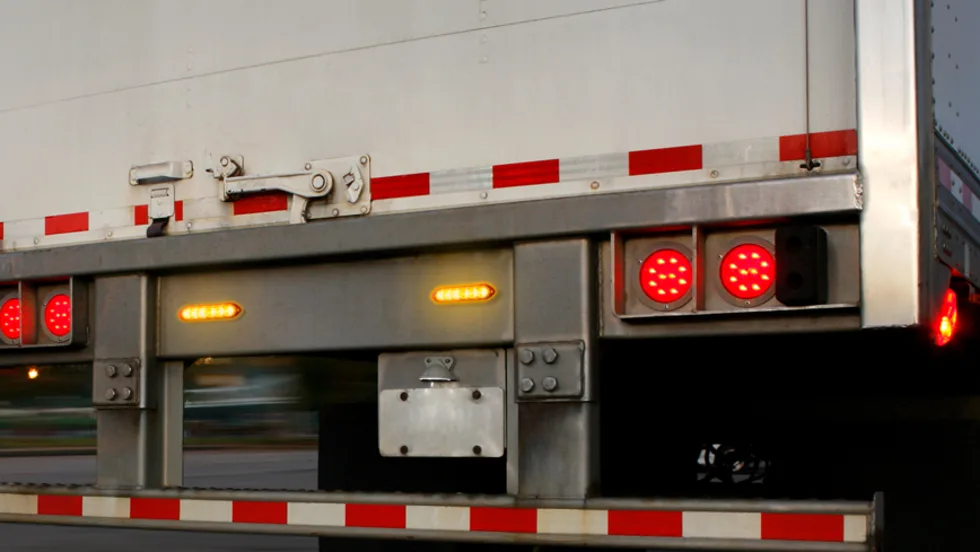
Pulsing Back-of-Trailer Lamps Aim to Prevent Crashes
Can the addition of a pulsing brake lamp on the back of a trailer prevent rear-end collisions? FMCSA seems to think so, if its exemptions are any indication.
Read More →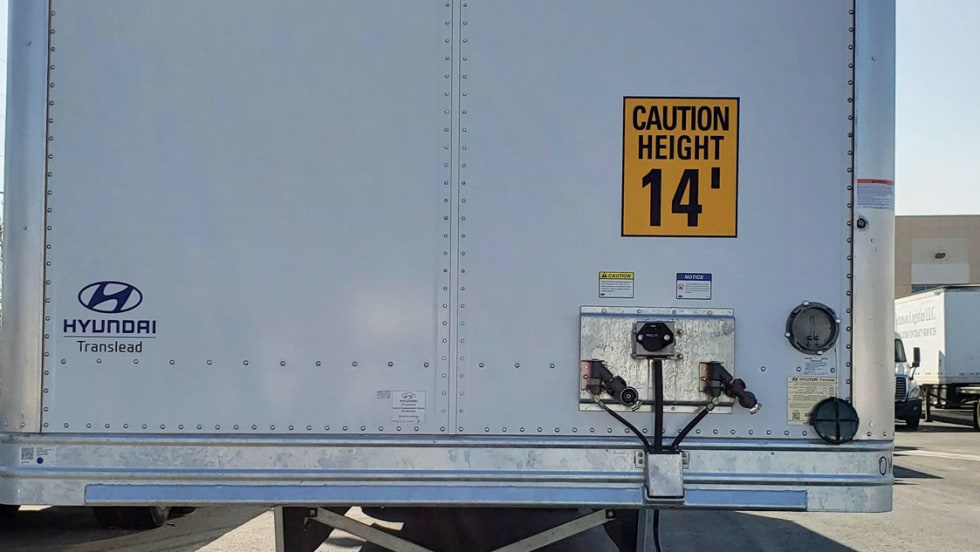
Designing a 14-Foot Trailer
Trailers are 13 feet, 6 inches high, right? Not for Hub Group, which developed a special 14-foot-high trailer spec for a dedicated customer based in California. Learn more in the Trailer Talk blog.
Read More →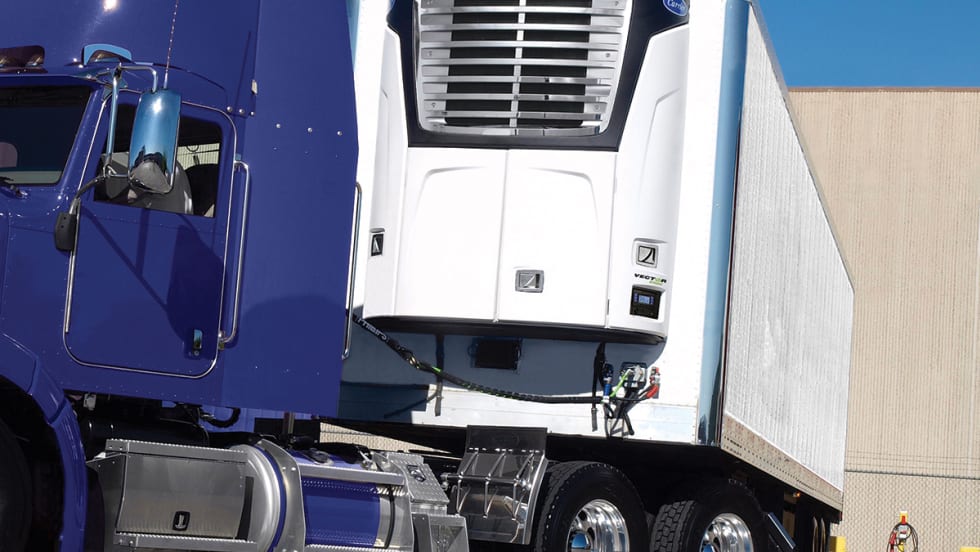
CARB Comes for Reefer Trailers
A new round of emissions control regulations decreed by the California Air Resource Board will begin affecting refrigerated trailer and TRU design and operations next year.
Read More →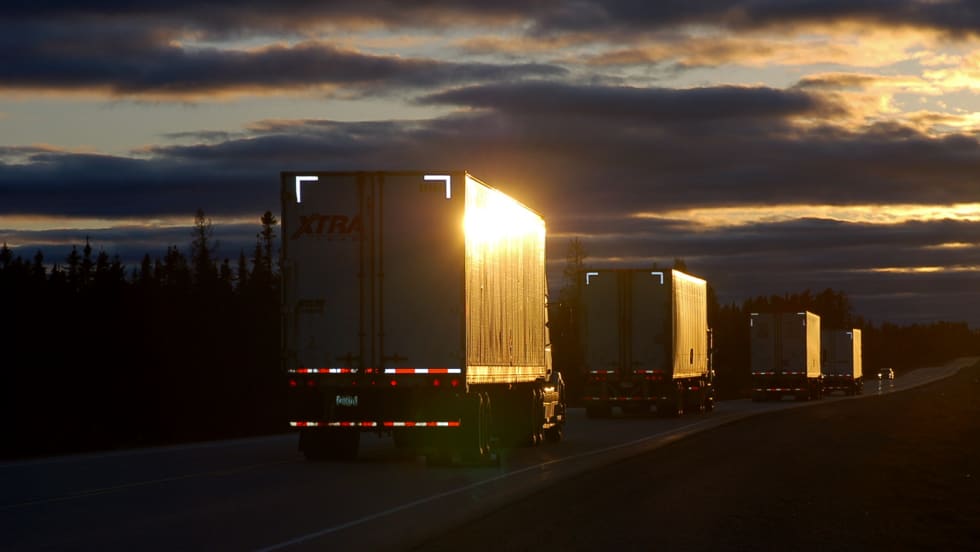
5 Ways Data Analysis Maximizes the Value of Trailer Telematics
Are you getting the most out of your trailer telematics investment?
Read More →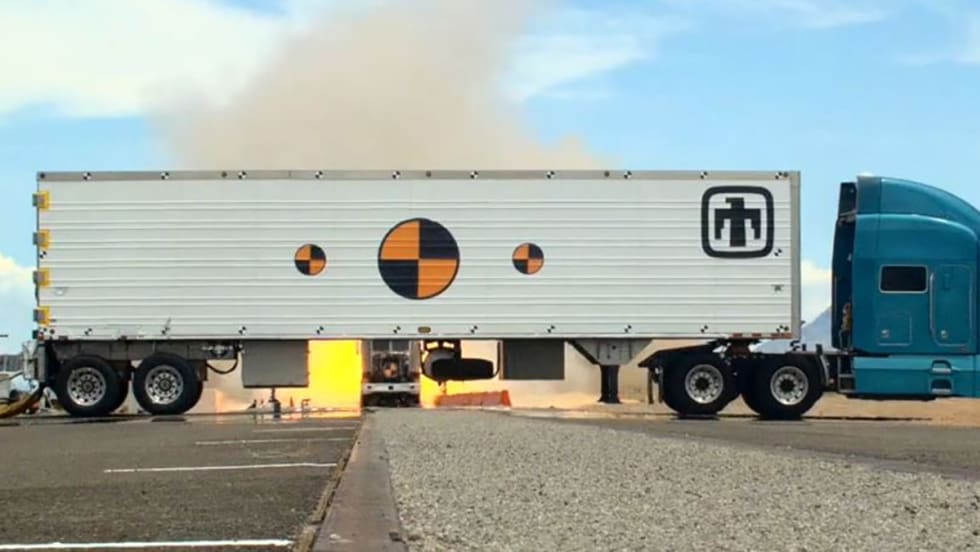
Can You Guess What's in That Trailer?
You don’t always know what’s in the trailers that pass you on the road. But some of those trailers are carrying something a little more dangerous that frozen food or new bedding…like, maybe, a nuclear weapon. But this isn’t an ordinary trailer; this is a trailer specifically made to not only carry this type of payload, but protect it at all costs.
Read More →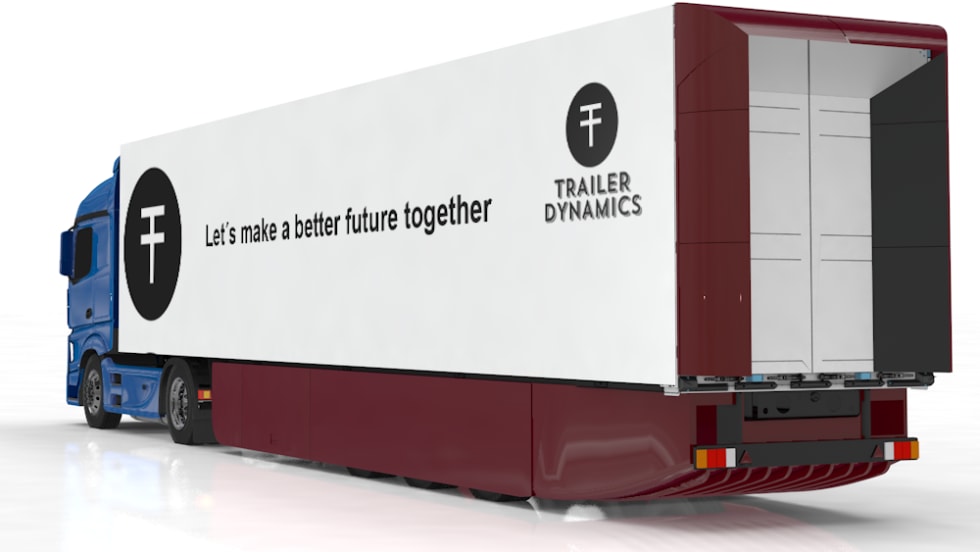
How Trailers Are Harnessing 'Free' Energy
Can trailers play a more active role in sustainable transport beyond aerodynamic add-ons or low-rolling-resistance tires? Some companies think so.
Read More →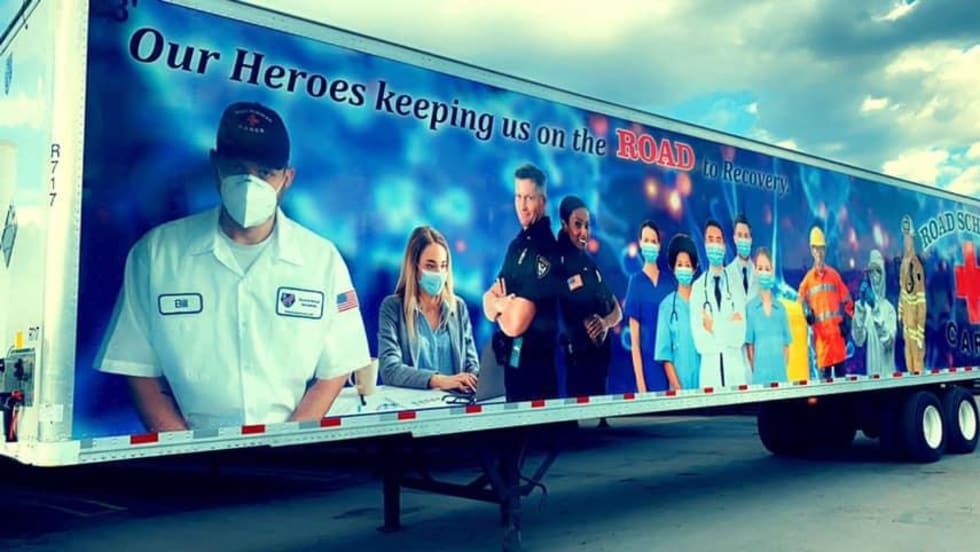
Wrapping a Trailer for COVID’s Everyday Heroes
“We don’t only deliver freight. We deliver awareness.” That’s what Jim Barrett, president and CEO of Road Scholar Transport, likes to say about the Dunmore, Pennsylvania-based carrier’s “awareness fleet.” Its latest trailer wrap honors the everyday heroes of the pandemic.
Read More →
How a Tanker Fleet is Using Unorthodox Trailer Lighting to Fight Rear-End Collisions
Groendyke Transport watched the number of rear-end collisions with its trailers rise steadily until it tried an unorthodox and then unapproved method of alerting following drivers that its trucks were applying brakes and slowing down.
Read More →
The Role Trailers are Playing in COVID-19 Funerals
In places such as New York City and Detroit, overwhelmed hospitals and mortuaries are using refrigerated trailers to store the bodies of people killed by COVID-19.
Read More →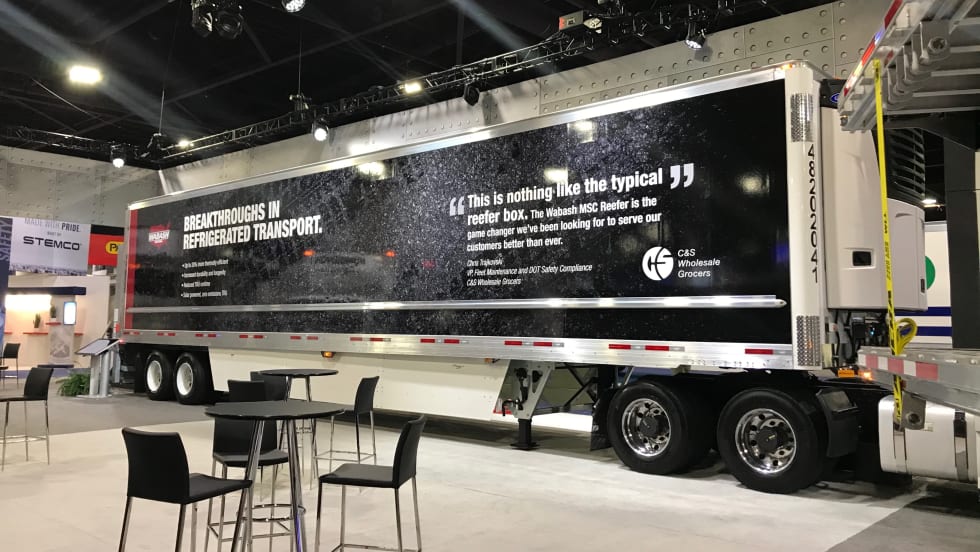
Reefer Trailer Aims to Help Reach Zero Emissions
Wabash National is partnering with C&S Wholesale Grocers to test a new type of zero-emissions refrigerated trailer.
Read More →